

Feb . 11, 2026 00:01 Back to list
china bulk pvc pipe Technical Analysis
Introduction
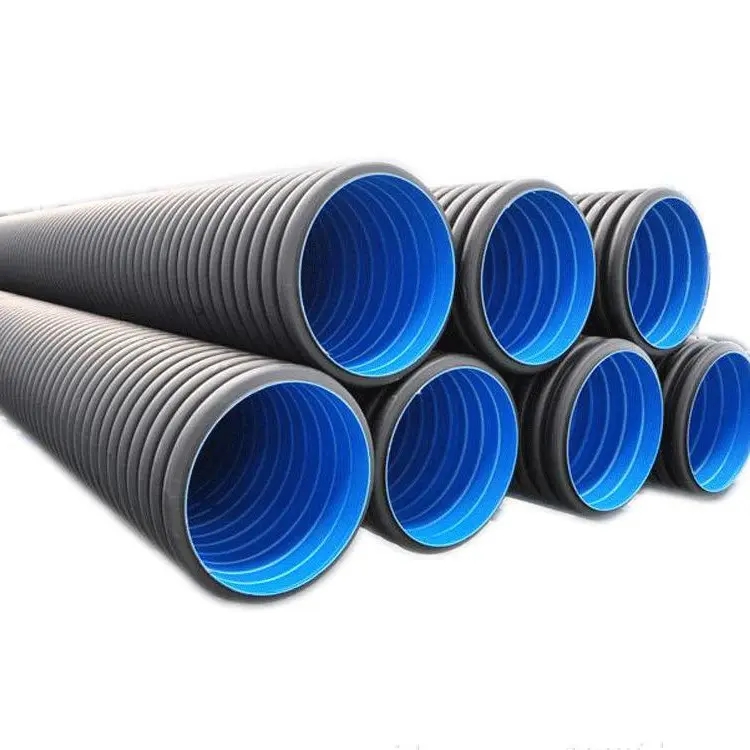
Polyvinyl chloride (PVC) pipe, manufactured in bulk quantities from China, represents a ubiquitous material in modern infrastructure. Its application spans a vast range of industries including potable water distribution, wastewater management, irrigation, and increasingly, industrial fluid conveyance. This guide focuses on the technical aspects of bulk PVC pipe originating from Chinese manufacturers, addressing material composition, manufacturing processes, performance characteristics, potential failure modes, and relevant international standards. The dominance of Chinese production necessitates a deep understanding of the quality control practices and material specifications influencing the performance and longevity of these pipes. The core performance characteristics – pressure rating, tensile strength, chemical resistance, and dimensional stability – are crucial considerations for procurement professionals and engineers alike, particularly given the cost competitiveness of Chinese-manufactured PVC pipe. This document aims to provide a comprehensive technical overview for informed decision-making.
Material Science & Manufacturing
PVC pipe production begins with the polymerization of vinyl chloride monomer (VCM). The resulting PVC resin, in its pure form, is brittle. Therefore, plasticizers, stabilizers, lubricants, and fillers are added to modify its properties. Common plasticizers include phthalates (increasingly regulated due to health concerns) and alternative plasticizers like DINP and DOTP. Stabilizers, typically based on tin or calcium-zinc formulations, prevent thermal degradation during processing and extend the service life of the pipe. Fillers, such as calcium carbonate, reduce cost and can improve rigidity. The ratio of these additives significantly influences the final properties of the PVC compound.
Manufacturing processes predominantly involve extrusion. PVC compound is fed into a single-screw or twin-screw extruder, where it is heated, melted, and forced through a die to form a continuous pipe. Key parameters controlled during extrusion include barrel temperature profile (typically between 160-210°C), screw speed, and die pressure. Precise control is essential to ensure consistent wall thickness, diameter, and surface finish. Subsequent cooling, often utilizing a water bath, solidifies the pipe. Further processing includes cutting to specified lengths, socketing (for fittings), and quality control inspections. Chinese manufacturers utilize a range of extrusion technologies, varying in automation and control sophistication. A significant pain point in the industry revolves around inconsistent plasticizer content, leading to variations in flexibility and long-term performance, and inadequate stabilizer packages resulting in premature degradation. Quality control measures addressing these aspects are therefore paramount.
Performance & Engineering
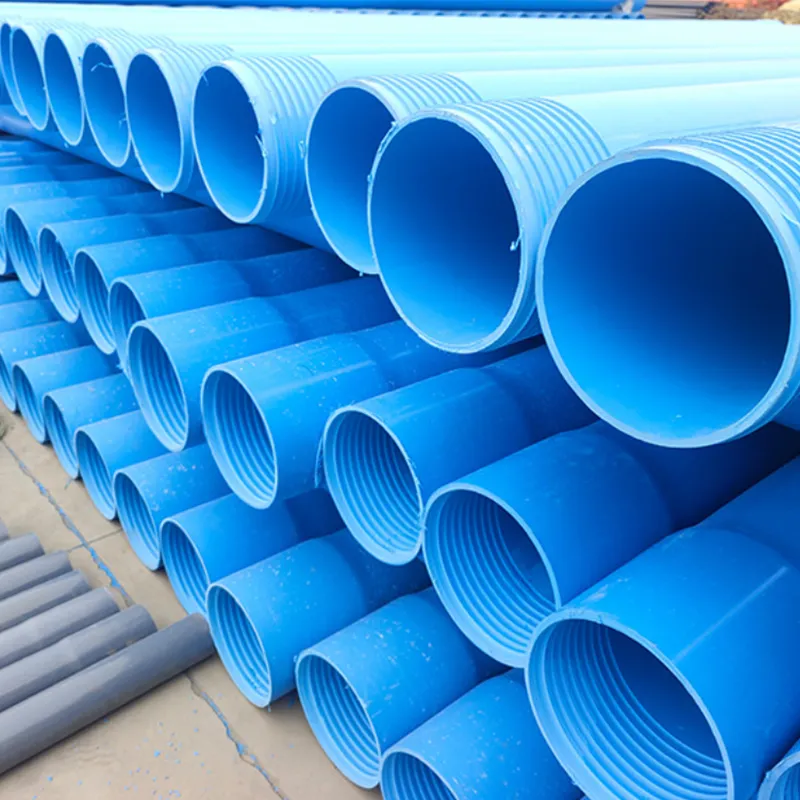
The performance of PVC pipe is governed by several engineering principles. Hydrostatic pressure resistance is determined by Barlow’s formula (S = PT/2t, where S is hoop stress, P is internal pressure, T is wall thickness, and t is radius). Therefore, maintaining consistent wall thickness during manufacturing is critical. Tensile strength, a measure of the pipe's resistance to longitudinal stress, is influenced by the PVC resin’s molecular weight and the type and concentration of additives. Impact strength, crucial for resisting damage during installation and operation, is particularly sensitive to temperature. PVC becomes more brittle at lower temperatures. Chemical resistance is generally excellent for most common chemicals, but prolonged exposure to strong oxidizing agents or aromatic hydrocarbons can lead to swelling and degradation.
Environmental resistance concerns primarily UV degradation and thermal expansion/contraction. UV stabilizers are added to the PVC compound to mitigate UV-induced embrittlement. Thermal expansion coefficients are relatively high for PVC (approximately 8 x 10⁻⁵ /°C), necessitating appropriate allowance for expansion and contraction in long pipeline runs to prevent stress cracking and joint failure. Soil loading and burial depth also impact performance, requiring consideration of pipe stiffness (modulus of elasticity) to prevent deformation under load. Compliance with relevant standards (detailed in the footer) dictates minimum performance requirements for each of these parameters. A frequent industry challenge is the lack of transparency regarding the specific formulations used by some Chinese manufacturers, making it difficult to accurately predict long-term performance in specific application environments.
Technical Specifications
| Parameter | Schedule 40 PVC | Schedule 80 PVC | CPVC (Chlorinated PVC) | Units |
|---|---|---|---|---|
| Outside Diameter | 110 mm | 110 mm | 110 mm | mm |
| Wall Thickness | 4.2 mm | 5.6 mm | 5.6 mm | mm |
| Pressure Rating @ 23°C | 450 | 600 | 800 | psi |
| Tensile Strength | 55 | 60 | 70 | MPa |
| Impact Strength (Izod Notched) | 80 | 90 | 100 | J/m |
| Vicat Softening Point | 82 | 82 | 93 | °C |
Failure Mode & Maintenance
PVC pipe is susceptible to several failure modes. Long-term hydrostatic stress can lead to slow crack growth, particularly in areas of stress concentration (e.g., around fittings). UV degradation causes surface embrittlement and chalking, reducing the pipe’s resistance to impact. Chemical attack, as previously mentioned, can result in swelling, cracking, and loss of structural integrity. Soil corrosion, due to aggressive soil chemistry, can also contribute to degradation. A common failure mode observed with lower-quality PVC pipe is plasticizer leaching, leading to increased brittleness and cracking over time. This is often accelerated by elevated temperatures.
Maintenance typically involves regular visual inspections for cracks, leaks, and signs of degradation. For pipelines carrying potable water, flushing is crucial to remove sediment and biofilm buildup. In areas prone to freezing, insulation or burial below the frost line is essential to prevent damage. For damaged sections, repairs can be made using appropriate PVC couplings or replacement of the affected pipe segment. Preventative maintenance focusing on UV protection (e.g., painting or coating) in exposed areas and ensuring proper soil support can significantly extend the service life of the pipe. The analysis of failed sections often reveals inconsistencies in material composition or manufacturing defects, highlighting the importance of sourcing from reputable manufacturers and conducting thorough quality control.
Industry FAQ
Q: What is the typical service life of bulk PVC pipe sourced from China, and how does it compare to pipe from Western manufacturers?
A: The typical service life varies greatly depending on the formulation, manufacturing quality, and application environment. Generally, well-formulated and properly installed PVC pipe can last 50+ years. However, some lower-cost Chinese PVC may exhibit faster degradation due to inferior stabilizer packages or inconsistent plasticizer content, potentially reducing service life to 20-30 years. Western manufacturers often adhere to stricter quality control standards and utilize higher-grade materials, potentially extending lifespan.
Q: What are the key differences between Schedule 40 and Schedule 80 PVC pipe, and when should each be used?
A: Schedule 40 and Schedule 80 refer to the wall thickness of the pipe. Schedule 80 has a thicker wall, resulting in higher pressure rating and increased mechanical strength. Schedule 40 is suitable for lower-pressure applications like irrigation and cold water distribution. Schedule 80 is recommended for higher-pressure systems, industrial applications, and situations where greater impact resistance is required.
Q: How does the type of plasticizer used in PVC pipe affect its long-term performance?
A: The plasticizer significantly impacts flexibility and long-term durability. Phthalate plasticizers, while cost-effective, are facing increasing regulatory scrutiny due to health concerns and can leach out over time, leading to embrittlement. Alternative plasticizers like DINP and DOTP are generally considered safer and offer better long-term performance, but may be more expensive.
Q: What quality control certifications should I look for when sourcing PVC pipe from Chinese manufacturers?
A: Look for certifications demonstrating adherence to international standards (see footer). ISO 9001 (quality management system) is a basic requirement. Certifications specific to PVC pipe, such as NSF/ANSI 61 (for potable water) and ASTM D1785 (for PVC pipe) are crucial. Independent third-party testing reports verifying compliance with these standards are also highly recommended.
Q: What are the implications of using CPVC instead of standard PVC for certain applications?
A: CPVC (Chlorinated PVC) offers higher temperature resistance than standard PVC. It’s suitable for hot water distribution systems and industrial applications involving elevated temperatures. However, CPVC is generally more expensive than PVC and requires specialized installation techniques and compatible fittings.
Conclusion
China’s dominance in bulk PVC pipe production presents both opportunities and challenges. The cost competitiveness is undeniable, but ensuring consistent quality and long-term performance requires a rigorous technical understanding of material science, manufacturing processes, and relevant standards. Procurement professionals and engineers must prioritize due diligence, focusing on supplier certifications, independent testing, and detailed material specifications. Understanding the potential failure modes and implementing appropriate maintenance practices are crucial for maximizing the service life and return on investment.
Future trends will likely involve increased demand for more sustainable PVC formulations, utilizing bio-based plasticizers and recycled content. Greater transparency in manufacturing processes and improved quality control measures will be essential for Chinese manufacturers to maintain their competitive edge and build trust in the international market. Continued adherence to, and refinement of, international standards will be paramount to ensuring the safety, reliability, and longevity of PVC pipe systems worldwide.
-
DN25 HDPE Compression Fitting-HORON INTERNATIONAL|Reliable Irrigation Solutions
NewsFeb.11,2026
-
china ppr for hot water Performance Analysis
News2026-04-22
-
china bulk pvc pipe Technical Analysis
News2026-04-22
-
china pvc pipes price list Performance Analysis
News2026-04-22
-
china 20 ft pvc pipe Performance Analysis
News2026-04-22
-
china ppr cold water pipe Performance Analysis
News2026-04-22
-
china double wall hdpe pipe Performance Analysis
News2026-04-21
-
china transition coupling hdpe to pvc Performance Analysis
News2026-04-21
-
china water pipe ppr Performance Analysis
News2026-04-21
-
china dn150 hdpe Performance Analysis
News2026-04-21
-
china sprinkler hdpe pipe Material Performance
News2026-04-21
-
china underground pvc pipe price Performance Analysis
News2026-04-10
-
china water pipes under sink Material Science
News2026-04-10
-
china 40mm ppr pipe price Performance Analysis
News2026-04-10
-
china hdpe transition coupling Performance Analysis
News2026-04-10
-
china bulk pvc pipe for sale Performance Analysis
News2026-04-10