

Feb . 11, 2026 00:01 Back to list
china 40mm pvc pipe Material and Manufacturing
Introduction
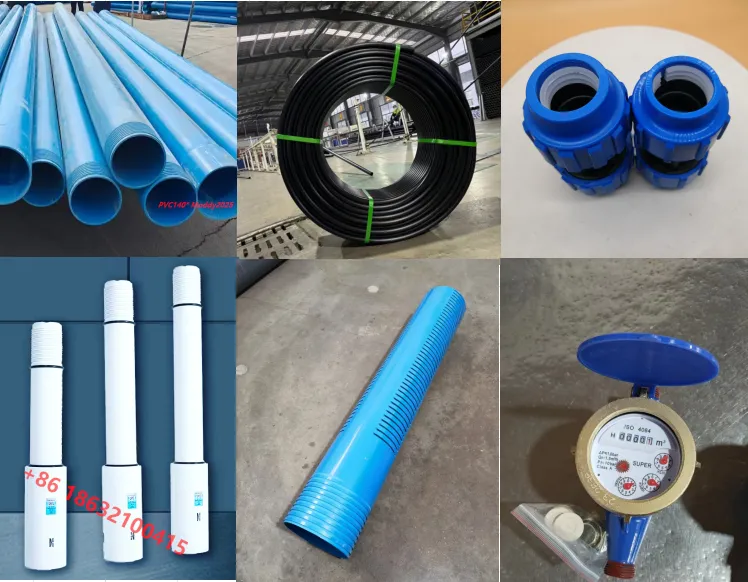
Polyvinyl Chloride (PVC) pipe, specifically 40mm diameter pipe manufactured in China, represents a ubiquitous material in fluid conveyance systems. This technical guide details the material science, manufacturing processes, performance characteristics, potential failure modes, and maintenance protocols for this critical component. 40mm PVC pipe is extensively utilized in irrigation, drainage, water distribution, sewage systems, and industrial applications due to its cost-effectiveness, corrosion resistance, and ease of installation. Its technical position in the supply chain extends from petrochemical feedstocks (ethylene and chlorine) to finished product installation by plumbers and civil engineers. Core performance metrics revolve around pressure rating, dimensional stability, chemical resistance, and long-term durability. A major industry pain point centers on ensuring consistent quality control, particularly regarding material composition and adherence to international standards, as variations can impact service life and lead to costly failures.
Material Science & Manufacturing
40mm PVC pipe is primarily composed of Polyvinyl Chloride resin, a thermoplastic polymer. The resin is rarely used in its pure form; instead, it's compounded with various additives to enhance its properties. Common additives include plasticizers (typically phthalates or alternatives like DINCH) to improve flexibility, stabilizers (e.g., lead-based, calcium-zinc, or organotin compounds) to prevent thermal degradation during processing and UV exposure, lubricants to facilitate processing, impact modifiers (e.g., chlorinated polyethylene) to increase toughness, and processing aids to improve melt flow. The PVC resin used typically conforms to ISO 1060-1 specifications.
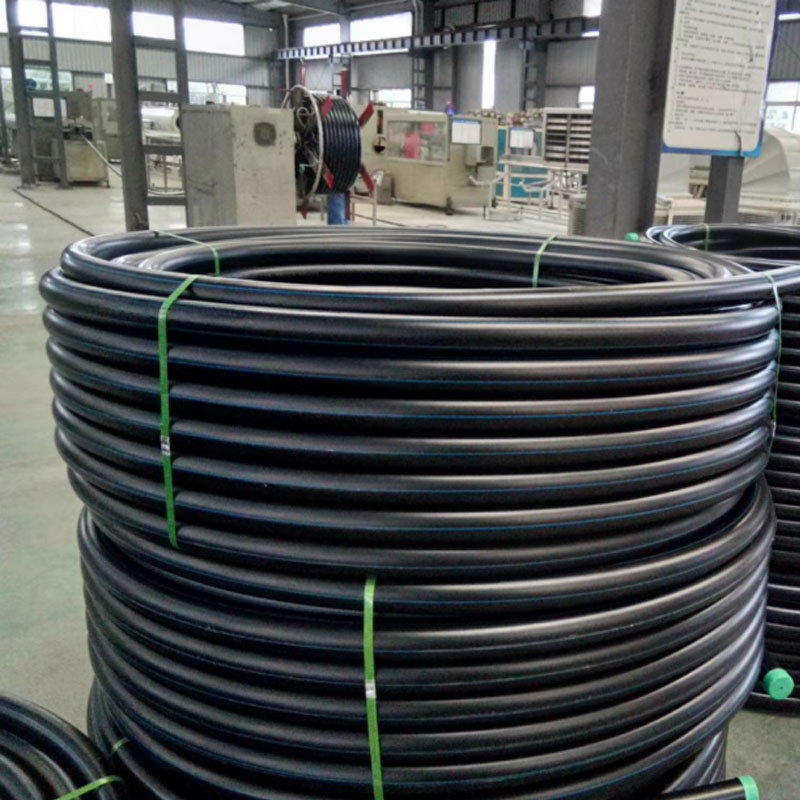
Manufacturing predominantly utilizes the extrusion process. PVC compound is fed into a single-screw or twin-screw extruder, where it’s heated, melted, and homogenized. The molten PVC is then forced through a die, shaping it into a 40mm diameter pipe. Critical process parameters include barrel temperature profile (typically ranging from 180°C to 220°C, adjusted based on the specific PVC formulation), screw speed (controlling throughput), and die temperature (affecting surface finish). Post-extrusion, the pipe is cooled via a water bath to solidify the PVC and maintain dimensional accuracy. Extrusion line speed must be precisely controlled to ensure consistent wall thickness. Quality control involves regular testing of melt flow index (MFI) of the compound, wall thickness measurements during production, and hydrostatic pressure testing of finished pipes as per relevant standards. Proper formulation and precise control of these manufacturing parameters are essential to achieve the required mechanical properties and chemical resistance.
Performance & Engineering
The performance of 40mm PVC pipe is primarily dictated by its pressure rating, which is a function of pipe diameter, wall thickness, and material strength. Standard pressure ratings for Schedule 40 and Schedule 80 PVC pipes (common classifications) correspond to different maximum working pressures. Force analysis involves considering both internal pressure (hydrostatic stress) and external loads (soil load in buried applications, bending moments due to installation). Environmental resistance is crucial. PVC exhibits good resistance to acids, bases, and many chemicals, but can be susceptible to degradation from prolonged exposure to certain solvents (e.g., ketones, aromatic hydrocarbons) and UV radiation. Stabilizers mitigate UV degradation, but their effectiveness diminishes over time.
Compliance requirements are stringent and vary by region. In potable water applications, PVC pipe must meet NSF/ANSI Standard 61 for health effects. For drainage and sewage applications, adherence to ASTM D3212 and EN 13476 is common. Buried pipelines must comply with standards regarding soil load resistance and hydrostatic testing. The pipe’s ability to withstand long-term creep (gradual deformation under sustained stress) is a key engineering consideration. Furthermore, joint integrity is paramount; solvent cementing is the standard joining method, requiring proper surface preparation, adhesive application, and curing time to ensure a watertight seal. Incorrect solvent cementing is a leading cause of leaks.
Technical Specifications
| Parameter | Schedule 40 | Schedule 80 | Unit |
|---|---|---|---|
| Nominal Pipe Size | 40 mm | 40 mm | mm |
| Outside Diameter | 42.2 mm | 42.2 mm | mm |
| Minimum Wall Thickness | 2.0 mm | 2.4 mm | mm |
| Pressure Rating (at 23°C) | 450 psi | 600 psi | psi |
| Burst Pressure | 2250 psi | 3000 psi | psi |
| Density | 1.40 | 1.40 | g/cm³ |
| Tensile Strength | 55 MPa | 55 MPa | MPa |
Failure Mode & Maintenance
Common failure modes for 40mm PVC pipe include brittle fracture (often initiated by stress concentrations at fittings or due to impact damage), cracking (resulting from sustained stress or chemical attack), and crazing (formation of micro-cracks due to stress). Long-term exposure to UV radiation causes embrittlement and discoloration. Ground movement can induce stress on buried pipelines, leading to cracking or joint failure. Incorrect solvent cementing creates weak joints prone to leakage. Chlorine in potable water can slowly degrade PVC over decades, particularly in the absence of adequate stabilization. Failure analysis often involves microscopic examination of fractured surfaces to determine the root cause of failure.
Preventative maintenance includes periodic visual inspections for cracks, discoloration, or leaks. For buried pipelines, proper bedding and backfill are crucial to prevent stress concentration. Avoid direct contact with incompatible chemicals. Protect exposed pipe from UV radiation with coatings or shielding. For solvent-cemented joints, ensure proper application techniques and adequate curing time. In the event of a leak, the affected section of pipe should be replaced. Regular pressure testing can identify potential weaknesses before catastrophic failure occurs. Consider cathodic protection for buried pipelines in corrosive soil environments.
Industry FAQ
Q: What is the impact of different plasticizer types on the long-term performance of PVC pipe?
A: The type of plasticizer significantly affects long-term performance. Phthalate plasticizers, while cost-effective, are facing increasing regulatory scrutiny due to health concerns and can leach over time, leading to embrittlement. Alternative plasticizers like DINCH offer improved health profiles but may exhibit slightly different migration rates and compatibility with PVC formulations. The plasticizer’s volatility and resistance to extraction by water and chemicals are key factors influencing durability.
Q: How does soil corrosivity affect the lifespan of buried PVC pipe?
A: Highly corrosive soils (high sulfate content, low pH, or the presence of stray electrical currents) can accelerate PVC degradation. Sulfate attack can lead to chemical breakdown of the polymer. Stray currents induce electrolytic corrosion. Proper bedding material and, in severe cases, the application of a protective coating or cathodic protection are necessary to mitigate these effects.
Q: What are the critical parameters to control during solvent cementing to ensure a reliable joint?
A: Surface preparation is paramount. Surfaces must be clean, dry, and free of contaminants. Use the correct primer and solvent cement for the specific PVC formulation. Apply a uniform layer of primer and cement, ensuring complete coverage. Allow sufficient curing time (typically 24 hours) before pressurizing the system. Ambient temperature and humidity also influence curing time.
Q: What is the acceptable temperature range for transporting fluids in 40mm PVC pipe?
A: The maximum operating temperature for standard PVC pipe is generally limited to 60°C (140°F). Exceeding this temperature can lead to softening, deformation, and reduced pressure rating. For higher temperature applications, specialized PVC compounds (CPVC) are required.
Q: How do different UV stabilizer packages compare in terms of long-term effectiveness?
A: UV stabilizers fall into several categories: UV absorbers, hindered amine light stabilizers (HALS), and titanium dioxide. HALS are generally considered more effective for long-term protection as they scavenge free radicals formed by UV degradation. The concentration and type of stabilizer package, along with the pipe’s wall thickness and exposure conditions, determine overall UV resistance.
Conclusion
China-manufactured 40mm PVC pipe serves as a vital component in numerous infrastructure applications. Its cost-effectiveness and inherent properties make it a favored material, however, maintaining consistent quality and adhering to rigorous standards are essential for ensuring long-term performance. Understanding the material science, manufacturing processes, and potential failure modes allows for informed selection, proper installation, and preventative maintenance strategies.
Future advancements will likely focus on developing more sustainable PVC formulations (e.g., bio-based plasticizers, recycled PVC content), enhancing UV resistance through novel stabilizer technologies, and improving jointing techniques to minimize leakage. Continued research and development, coupled with stringent quality control measures, are crucial to address evolving industry challenges and maximize the service life of PVC piping systems.
-
DN25 HDPE Compression Fitting-HORON INTERNATIONAL|Reliable Irrigation Solutions
NewsFeb.11,2026
-
china 40mm pvc pipe Material and Manufacturing
News2026-04-23
-
china hdpe to pvc connection Performance Analysis
News2026-04-23
-
china ppr pipe 1 price Performance Analysis
News2026-04-23
-
china colored pvc pipe Performance Analysis
News2026-04-23
-
china hdpe pipe price list pdf Performance Analysis
News2026-04-23
-
china ppr for hot water Performance Analysis
News2026-04-22
-
china bulk pvc pipe Technical Analysis
News2026-04-22
-
china pvc pipes price list Performance Analysis
News2026-04-22
-
china 20 ft pvc pipe Performance Analysis
News2026-04-22
-
china ppr cold water pipe Performance Analysis
News2026-04-22
-
china double wall hdpe pipe Performance Analysis
News2026-04-21
-
china transition coupling hdpe to pvc Performance Analysis
News2026-04-21
-
china water pipe ppr Performance Analysis
News2026-04-21
-
china dn150 hdpe Performance Analysis
News2026-04-21
-
china sprinkler hdpe pipe Material Performance
News2026-04-21