

Feb . 11, 2026 00:01 Back to list
china hdpe straight coupler Performance Analysis
Introduction
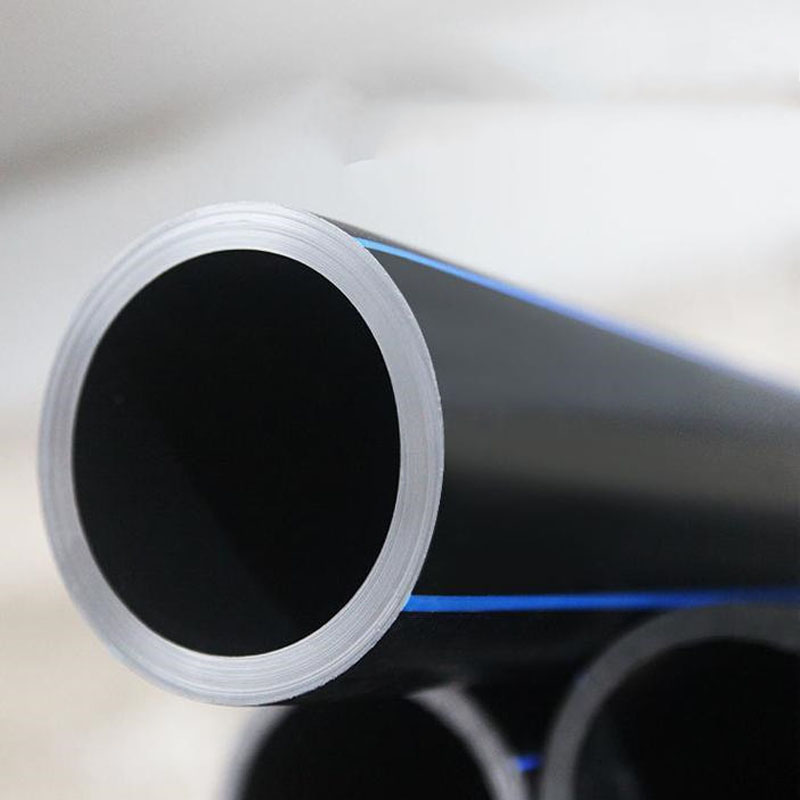
High-Density Polyethylene (HDPE) straight couplers are critical components in thermoplastic piping systems, primarily used for joining sections of HDPE pipe in a linear configuration. They serve a vital function across diverse industries including water distribution, gas transmission, industrial mining, irrigation, and drainage. Positioned within the broader pipeline infrastructure supply chain, the coupler’s integrity directly impacts system efficiency, longevity, and safety. Core performance characteristics are defined by pressure rating, leak-proof sealing capability, resistance to chemical degradation, and dimensional accuracy ensuring a robust and reliable connection. The growing demand for durable, corrosion-resistant piping solutions has increased the reliance on HDPE systems and consequently, the importance of properly engineered and manufactured straight couplers. A key industry pain point lies in ensuring consistent quality control throughout the manufacturing process to mitigate risks associated with joint failure, particularly in critical applications.
Material Science & Manufacturing
HDPE straight couplers are predominantly manufactured from high-density polyethylene resin, typically grades meeting or exceeding ASTM D3350 standards. The raw material is characterized by its high tensile strength, excellent chemical resistance (to acids, alkalis, and solvents), low moisture absorption, and good impact resistance, even at low temperatures. Key physical properties include a density ranging from 0.93 to 0.97 g/cm³, a melting point between 120-135°C, and a tensile modulus between 800-1200 MPa. Manufacturing processes commonly employed include injection molding and, for larger diameter couplers, rotational molding. Injection molding allows for precise dimensional control and intricate designs. The process involves heating the HDPE resin to a molten state, injecting it under high pressure into a mold cavity shaped like the coupler, allowing it to cool and solidify, and then ejecting the finished part. Critical process parameters include mold temperature (typically 30-60°C), injection pressure (ranging from 70-100 MPa), and cooling rate. Rotational molding, used for larger diameters, involves heating a closed mold containing powdered HDPE while rotating it biaxially. This ensures even wall thickness and minimizes residual stress. Quality control focuses on resin melt flow index, density verification, and dimensional accuracy of the molded coupler, alongside visual inspection for defects like weld lines and sink marks. Chemical compatibility considerations involve ensuring the HDPE grade selected is suitable for the conveyed fluid to prevent stress cracking or leaching.
Performance & Engineering
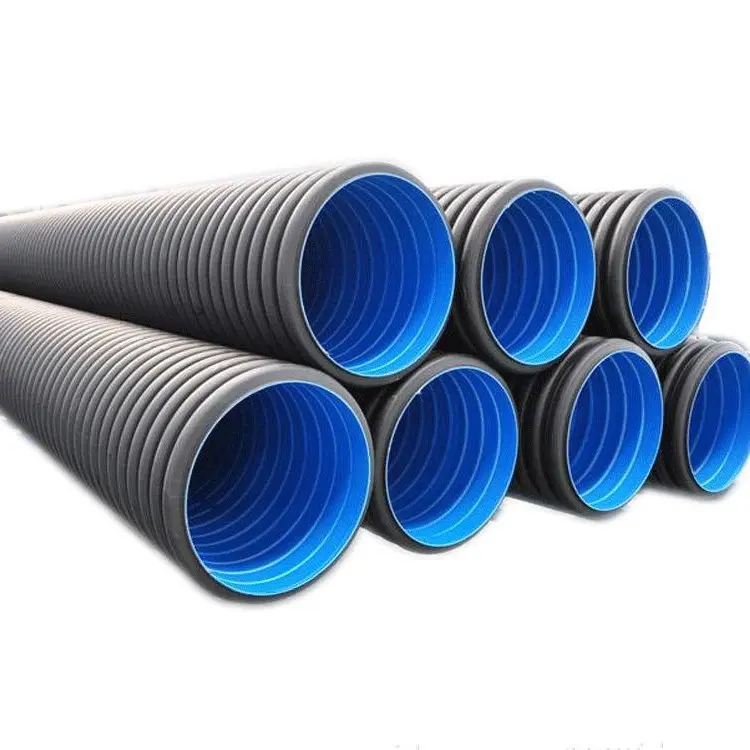
The performance of an HDPE straight coupler is fundamentally governed by its ability to maintain a leak-proof seal under various operating conditions, including internal pressure, temperature fluctuations, and external loads. Engineering analysis focuses on stress distribution within the coupler body during assembly and operation. Finite Element Analysis (FEA) is routinely employed to model stress concentrations around the insertion points and evaluate the coupler’s resistance to hoop stress induced by internal pressure. The design must account for the thermal expansion and contraction of the HDPE material, which varies significantly with temperature. Couplers are typically designed with a slight interference fit to ensure a tight seal, but excessive interference can induce stress cracking. Environmental resistance is crucial; UV degradation is a significant concern for above-ground applications. HDPE is susceptible to degradation from prolonged exposure to ultraviolet radiation, leading to embrittlement and reduced mechanical properties. Therefore, UV stabilizers, such as carbon black, are incorporated into the HDPE resin formulation. Compliance requirements mandate adherence to industry standards like AWWA C906 (for potable water systems) and ASTM F477 (for sewer applications). These standards specify minimum pressure ratings, leak-tightness criteria, and material requirements. Force analysis involves calculating the pull-out force required to separate the pipe from the coupler, which is directly related to the interference fit and the frictional forces between the pipe and coupler surfaces.
Technical Specifications
| Parameter | Unit | Specification (Typical) | Test Standard |
|---|---|---|---|
| Nominal Pipe Size | inch | ½ - 12 | ASTM D1785 |
| Pressure Rating | psi | 100-300 | ASTM D3261 |
| Material | - | HDPE (PE100) | ASTM D3350 |
| Operating Temperature | °F | -40 to 140 | ASTM D3261 |
| UV Resistance | - | Carbon Black Additive (2.5% min) | ASTM D3350 |
| Joint Leakage | ml/min | ≤ 0.1 | AWWA C906 |
Failure Mode & Maintenance
HDPE straight coupler failures typically manifest as leakage at the joint, cracking of the coupler body, or deformation under stress. Common failure modes include: 1) Fatigue Cracking: Caused by repeated pressure cycles or mechanical vibrations, leading to crack initiation and propagation, particularly at stress concentration points. 2) Stress Cracking: Resulting from the combined action of tensile stress and exposure to aggressive chemicals. 3) UV Degradation: Leading to embrittlement and reduced impact resistance, especially in above-ground applications. 4) Thermal Deformation: Excessive temperature fluctuations can cause the coupler to expand or contract, leading to joint separation or stress cracking. 5) Installation Damage: Improper installation, such as excessive force during insertion or misalignment of the pipe, can damage the coupler and compromise the seal. Maintenance primarily involves visual inspection for cracks, deformation, and leakage. Regular pressure testing can identify hidden leaks. Preventative measures include proper UV protection (using UV-resistant coatings or burying the pipeline), ensuring compatibility of the HDPE grade with the conveyed fluid, and adhering to recommended installation procedures. If a leak is detected, the damaged coupler should be replaced immediately. For significant pipeline failures, a comprehensive failure analysis should be conducted to identify the root cause and prevent recurrence. Appropriate storage practices, protecting couplers from direct sunlight and extreme temperatures, are also critical for maintaining their integrity.
Industry FAQ
Q: What is the impact of differing coefficient of thermal expansion between HDPE pipe and a steel flange connected to the coupler?
A: Significant differential thermal expansion can induce substantial stress at the connection point. The HDPE will expand and contract more than the steel with temperature changes. This can lead to joint leakage or even coupler failure. Solutions include using expansion joints, designing for a limited temperature range, or employing flexible connectors that accommodate thermal movement.
Q: How do you ensure the long-term integrity of HDPE couplers in corrosive environments (e.g., industrial wastewater)?
A: The HDPE material itself exhibits excellent chemical resistance, but compatibility must be verified with the specific corrosive agents present. Selecting a HDPE grade specifically formulated for chemical resistance is crucial. Consider the concentration and temperature of the corrosive fluid. Protective coatings may be necessary in extreme cases. Regular inspection and monitoring for signs of degradation are essential.
Q: What are the key considerations when selecting a coupler for high-pressure applications?
A: The pressure rating of the coupler must exceed the maximum operating pressure of the system with an appropriate safety factor. Ensure the coupler meets relevant industry standards (e.g., ASTM D3261). Consider the operating temperature, as pressure ratings typically decrease at higher temperatures. Proper installation, following manufacturer's guidelines, is critical to achieving the rated pressure performance.
Q: What is the role of the rubber gasket (if present) in an HDPE straight coupler and what materials are commonly used?
A: The rubber gasket provides a secondary sealing mechanism, ensuring a leak-proof joint even in the presence of slight imperfections in the pipe or coupler surfaces. Common gasket materials include EPDM (ethylene propylene diene monomer) rubber, nitrile rubber (NBR), and silicone rubber. The gasket material must be compatible with the conveyed fluid and resistant to degradation from temperature and pressure.
Q: What quality control measures are essential during the manufacturing of HDPE straight couplers?
A: Essential measures include raw material verification (melt flow index, density), dimensional accuracy checks, visual inspection for defects (weld lines, sink marks), hydrostatic pressure testing to verify leak tightness, and impact resistance testing. Statistical Process Control (SPC) should be implemented to monitor key process parameters and ensure consistent quality.
Conclusion
HDPE straight couplers represent a fundamental component in modern pipeline infrastructure, offering a durable, chemically resistant, and cost-effective solution for joining HDPE pipes. Understanding the material science, manufacturing processes, and performance characteristics of these couplers is paramount for ensuring long-term system reliability and mitigating the risk of failures. Proper selection, installation, and maintenance are crucial for maximizing their service life and minimizing lifecycle costs.
Continued advancements in HDPE resin formulations, coupled with increasingly sophisticated manufacturing techniques and non-destructive testing methods, will further enhance the performance and reliability of these critical components. The adoption of predictive maintenance strategies, leveraging data analytics and sensor technology, will also play a significant role in optimizing pipeline operations and preventing costly failures. Adherence to relevant international standards and best practices remains essential for maintaining the integrity of HDPE piping systems.
-
DN25 HDPE Compression Fitting-HORON INTERNATIONAL|Reliable Irrigation Solutions
NewsFeb.11,2026
-
china pvc to hdpe connection Performance Analysis
News2026-04-24
-
china ppr pipe elbow Performance Analysis
News2026-04-24
-
china hdpe straight coupler Performance Analysis
News2026-04-24
-
china what are pvc pipes used for Performance Analysis
News2026-04-24
-
china hdpe flexible irrigation pipe Performance Analysis
News2026-04-24
-
china 40mm pvc pipe Material and Manufacturing
News2026-04-23
-
china hdpe to pvc connection Performance Analysis
News2026-04-23
-
china ppr pipe 1 price Performance Analysis
News2026-04-23
-
china colored pvc pipe Performance Analysis
News2026-04-23
-
china hdpe pipe price list pdf Performance Analysis
News2026-04-23
-
china ppr for hot water Performance Analysis
News2026-04-22
-
china bulk pvc pipe Technical Analysis
News2026-04-22
-
china pvc pipes price list Performance Analysis
News2026-04-22
-
china 20 ft pvc pipe Performance Analysis
News2026-04-22
-
china ppr cold water pipe Performance Analysis
News2026-04-22