

Feb . 11, 2026 00:01 Back to list
china hdpe flexible irrigation pipe Performance Analysis
Introduction
High-Density Polyethylene (HDPE) flexible irrigation pipe represents a significant advancement in agricultural water management. Positioned within the agricultural supply chain as a crucial component following water sourcing and filtration, these pipes deliver water directly to plant roots, optimizing irrigation efficiency. Unlike rigid PVC or metal piping, HDPE’s flexibility reduces the need for extensive fittings, minimizing potential leak points and installation time. Its core performance characteristics include pressure resistance, UV stabilization, and chemical inertness, crucial for long-term reliability in agricultural environments. The industry faces ongoing challenges with water conservation, labor costs, and maintaining consistent crop yields. HDPE flexible irrigation pipe addresses these pain points by minimizing water loss through efficient delivery and reducing labor requirements during installation and maintenance. This guide provides an in-depth technical analysis of HDPE flexible irrigation pipe, covering material science, manufacturing, performance characteristics, potential failure modes, and relevant industry standards.
Material Science & Manufacturing
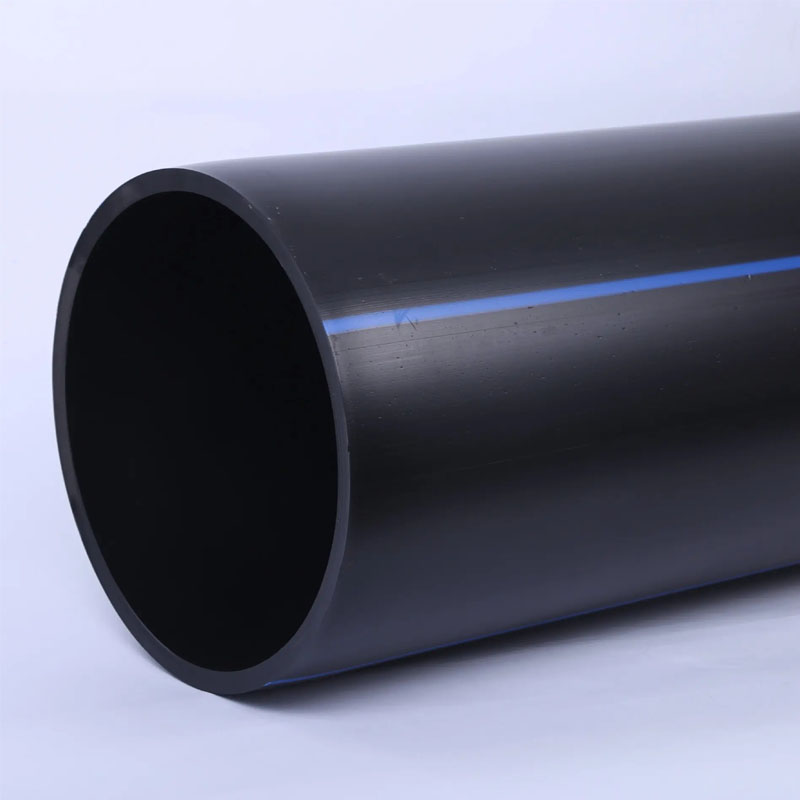
The fundamental material for these pipes is High-Density Polyethylene (HDPE), a thermoplastic polymer created from the polymerization of ethylene. HDPE is chosen for its high strength-to-density ratio, chemical resistance, and flexibility. The raw material's properties are heavily influenced by its molecular weight distribution, density (typically 0.941 - 0.965 g/cm³), and the presence of additives. Common additives include carbon black for UV protection, antioxidants to prevent thermal degradation, and stabilizers to enhance long-term performance.
Manufacturing typically involves extrusion. HDPE resin is melted and forced through a circular die, forming a continuous tube. Key parameters during extrusion include temperature control (melt temperature typically between 180-210°C), die pressure, and cooling rates. Maintaining precise temperature control is critical to ensure uniform wall thickness and prevent material degradation. The extruded pipe is then cooled using water baths, calibrated to the desired outer diameter, and wound onto spools. Post-extrusion, pipes undergo hydrostatic testing to verify pressure resistance and dimensional accuracy. Different wall thicknesses (e.g., 1.5mm, 2.0mm, 2.5mm) are achieved by adjusting the die parameters and extrusion speed. Co-extrusion techniques may also be employed to create multi-layered pipes with enhanced properties, such as increased UV resistance or improved abrasion resistance.
Performance & Engineering
The performance of HDPE flexible irrigation pipe is dictated by several engineering considerations. Pressure rating is paramount, determined by the pipe’s diameter, wall thickness, and the HDPE’s Minimum Required Strength (MRS) rating. Higher MRS values indicate greater resistance to long-term creep rupture under pressure. Force analysis includes evaluating hoop stress (the stress acting circumferentially around the pipe) and longitudinal stress (the stress acting along the pipe's length). These stresses are influenced by internal pressure, external loads (e.g., soil cover), and temperature fluctuations.
Environmental resistance is critical. UV exposure can cause embrittlement, necessitating the inclusion of carbon black or UV stabilizers. Soil chemicals (e.g., fertilizers, pesticides) must be considered for potential compatibility issues. HDPE is generally resistant to most common agricultural chemicals, but prolonged exposure to highly concentrated solutions should be avoided. Compliance with irrigation standards, such as those related to water quality and backflow prevention, is essential. The pipe's flexibility allows for easier installation in uneven terrain and minimizes stress on connections. Installation practices, such as proper trenching and backfilling, significantly impact long-term performance.
Technical Specifications
| Parameter | Units | Typical Value (DN50, SDR17) | Test Standard |
|---|---|---|---|
| Outer Diameter | mm | 63 | ISO 4427 |
| Inner Diameter | mm | 57 | ISO 4427 |
| Wall Thickness | mm | 3 | ISO 4427 |
| Pressure Rating (PN) | bar | 10 | ISO 1167 |
| Minimum Required Strength (MRS) | MPa | 5.0 | ISO 9080 |
| Tensile Strength at Yield | MPa | >25 | ASTM D638 |
| Elongation at Break | % | >300 | ASTM D638 |
Failure Mode & Maintenance
Several failure modes can affect HDPE flexible irrigation pipe. Creep rupture, a time-dependent failure, occurs under sustained pressure, especially at elevated temperatures. This is mitigated by selecting appropriate MRS ratings and avoiding excessive operating pressures. Fatigue cracking can occur due to repeated pressure fluctuations or bending stresses. UV degradation leads to embrittlement and cracking, particularly in areas with prolonged sun exposure. Proper UV stabilization is crucial. Chemical attack from aggressive soil chemicals or concentrated fertilizers can cause material degradation.
Joint failures are common, arising from improper installation, inadequate fusion (for butt-welded joints), or mechanical damage. Abrasion damage can occur in areas with high sediment concentration or rough soil conditions. Maintenance includes regular visual inspections for cracks, leaks, and deformation. Pressure testing can identify hidden leaks. Flushing the system periodically removes sediment and debris. Damaged sections should be replaced using compatible HDPE fittings and joining methods. Preventative maintenance, such as providing adequate soil cover and UV protection, extends the pipe's lifespan. For butt-welded joints, proper welding parameters (temperature, pressure, time) must be adhered to and weld integrity should be verified through visual inspection and non-destructive testing.
Industry FAQ
Q: What is the impact of varying soil pH levels on the long-term performance of HDPE irrigation pipe?
A: While HDPE is generally chemically resistant, extreme pH levels can accelerate degradation. Highly acidic (pH < 5.5) or alkaline (pH > 9.0) soils can promote stress cracking over prolonged exposure. Using a thicker walled pipe and ensuring adequate soil cover can mitigate these effects. Regularly monitoring soil pH and adjusting as needed is also recommended.
Q: How does the SDR (Standard Dimension Ratio) affect the pressure rating of the pipe?
A: SDR is the ratio of the pipe’s outer diameter to its wall thickness. A lower SDR indicates a thicker wall and, consequently, a higher pressure rating. For example, an SDR 17 pipe can withstand higher pressures than an SDR 21 pipe of the same diameter. Selecting the appropriate SDR is crucial based on the operating pressure and application requirements.
Q: What are the best practices for joining HDPE pipes in the field to ensure a leak-proof connection?
A: The most common joining methods are butt fusion, electrofusion, and compression fittings. Butt fusion is preferred for larger diameters, offering a strong and reliable joint. Electrofusion is suitable for smaller diameters and requires precise control of welding parameters. Compression fittings are convenient for quick connections but require proper tightening and inspection. Regardless of the method, surface preparation, alignment, and adherence to manufacturer’s specifications are essential.
Q: What is the role of carbon black in HDPE irrigation pipe, and are there alternatives?
A: Carbon black is added to HDPE to provide UV protection by absorbing harmful ultraviolet radiation. It significantly enhances the pipe’s resistance to degradation from sunlight. Alternatives include UV stabilizers (e.g., hindered amine light stabilizers - HALS), but carbon black typically offers more cost-effective and long-lasting protection. The concentration of carbon black affects the pipe’s color and performance; higher concentrations provide greater UV resistance.
Q: How does temperature affect the performance and lifespan of HDPE irrigation pipe?
A: Elevated temperatures can reduce the pipe’s pressure rating and accelerate creep rupture. Low temperatures can make the pipe more brittle and susceptible to cracking. Maintaining operating temperatures within the recommended range (typically 5-40°C) is crucial. Proper insulation or burial depth can help regulate temperature fluctuations. The MRS rating is often specified at a particular temperature, and derating factors should be applied for operation at higher temperatures.
Conclusion
HDPE flexible irrigation pipe stands as a robust and efficient solution for modern agricultural water management. Its inherent material properties – high strength, flexibility, and chemical resistance – coupled with advancements in manufacturing processes, deliver reliable performance under demanding conditions. Understanding the interplay of factors like pressure rating, UV stabilization, and proper installation techniques is crucial for maximizing its lifespan and minimizing potential failures.
Looking forward, ongoing research into advanced HDPE formulations and innovative joining methods will further enhance the performance and sustainability of these systems. The adoption of smart irrigation technologies, combined with durable and reliable HDPE piping, represents a pathway toward optimized water use and increased agricultural productivity. Prioritizing long-term performance through diligent material selection and adherence to industry best practices will ensure the continued success of HDPE flexible irrigation pipe in addressing the evolving challenges of global agriculture.
-
DN25 HDPE Compression Fitting-HORON INTERNATIONAL|Reliable Irrigation Solutions
NewsFeb.11,2026
-
china pvc to hdpe connection Performance Analysis
News2026-04-24
-
china ppr pipe elbow Performance Analysis
News2026-04-24
-
china hdpe straight coupler Performance Analysis
News2026-04-24
-
china what are pvc pipes used for Performance Analysis
News2026-04-24
-
china hdpe flexible irrigation pipe Performance Analysis
News2026-04-24
-
china 40mm pvc pipe Material and Manufacturing
News2026-04-23
-
china hdpe to pvc connection Performance Analysis
News2026-04-23
-
china ppr pipe 1 price Performance Analysis
News2026-04-23
-
china colored pvc pipe Performance Analysis
News2026-04-23
-
china hdpe pipe price list pdf Performance Analysis
News2026-04-23
-
china ppr for hot water Performance Analysis
News2026-04-22
-
china bulk pvc pipe Technical Analysis
News2026-04-22
-
china pvc pipes price list Performance Analysis
News2026-04-22
-
china 20 ft pvc pipe Performance Analysis
News2026-04-22
-
china ppr cold water pipe Performance Analysis
News2026-04-22