

Feb . 11, 2026 00:01 Back to list
china 32 mm ppr pipe Performance Analysis
Introduction
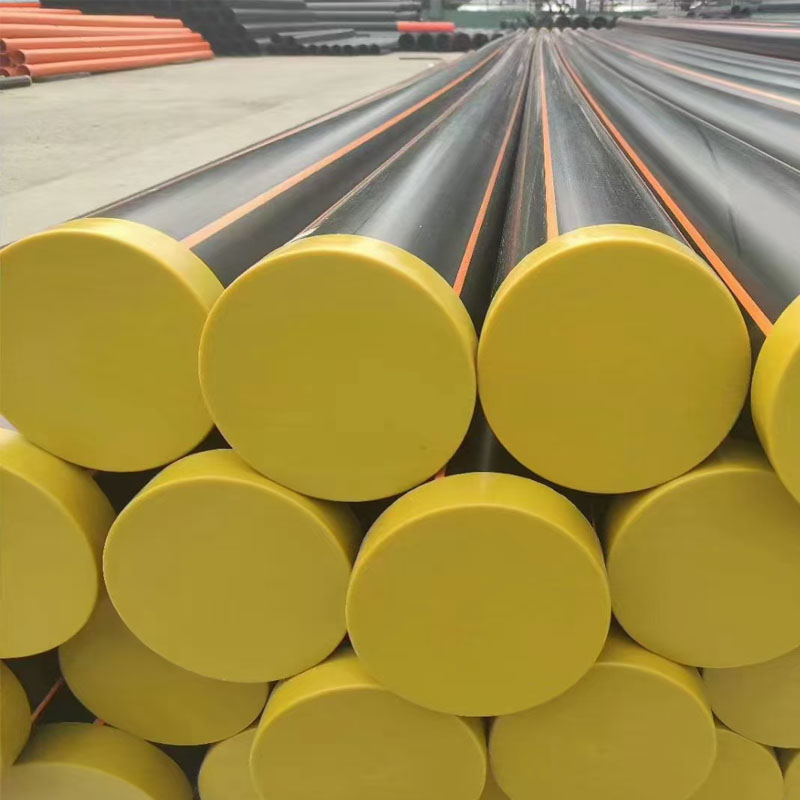
Polypropylene Random Copolymer (PPR) pipe, specifically the 32mm variant manufactured in China, represents a significant component in modern fluid conveyance systems. Positioned within the building and construction industry’s plumbing and heating segments, it serves as a robust alternative to traditional materials like copper, galvanized steel, and PVC. Its primary function is the efficient and safe transport of potable water, heating fluids, and industrial chemicals. Core performance characteristics center around its chemical inertness, thermal stability, pressure resistance, and ease of installation via heat fusion welding. The widespread adoption of 32mm PPR pipe is driven by cost-effectiveness, reduced corrosion risks, and improved flow characteristics compared to legacy piping systems. This guide details the material science, manufacturing processes, performance parameters, potential failure modes, and relevant industry standards governing this critical industrial product.
Material Science & Manufacturing
PPR pipe is fabricated from polypropylene random copolymer, a thermoplastic polymer produced through the polymerization of propylene monomers. The 'random' designation signifies the random distribution of comonomers, typically ethylene, within the polypropylene chain. This randomization disrupts the polymer's crystallinity, resulting in increased flexibility, impact resistance, and improved weldability compared to homopolymer polypropylene. The raw material’s key properties include a density of approximately 0.905 – 0.92 g/cm³, a Vicat softening temperature ranging from 130-150°C, and a relatively low coefficient of friction.
The manufacturing process typically involves extrusion. Polypropylene granules are fed into an extruder, where they are heated and melted. The molten polymer is then forced through a circular die, forming the pipe shape. Precise control of extrusion temperature (typically 190-240°C), screw speed, and die geometry is crucial to achieving consistent wall thickness, diameter, and surface finish. After extrusion, the pipe is cooled rapidly, usually using a water bath, to solidify the material and maintain dimensional stability. Subsequent quality control checks involve hydrostatic pressure testing (ensuring the pipe can withstand specified pressures), dimensional measurements, and visual inspection for defects like surface cracks or inconsistencies. The pipe is then marked with relevant information, including manufacturer details, diameter, pressure rating (PN), material designation (PPR), and production date, adhering to national and international standards.
Performance & Engineering
The performance of 32mm PPR pipe is fundamentally governed by its ability to withstand internal hydrostatic pressure and external loads while maintaining its structural integrity over its intended service life. Force analysis considers hoop stress (arising from internal pressure) and longitudinal stress (due to thermal expansion/contraction and external loads). The pipe's pressure rating (PN) – commonly PN16 or PN20 – defines the maximum allowable internal pressure at a specified temperature (typically 20°C). Beyond pressure resistance, environmental resistance is critical. PPR exhibits good resistance to many common chemicals, but prolonged exposure to strong oxidizing agents or certain solvents can cause degradation.
UV exposure can also lead to embrittlement, necessitating the use of UV stabilizers or protective coatings in outdoor applications. Thermal expansion is another important consideration, as PPR has a relatively high coefficient of thermal expansion (approximately 0.15 mm/m°C). This necessitates the incorporation of expansion loops or flexible connectors in long pipe runs to prevent stress buildup and potential failure. Compliance requirements vary by region but generally adhere to standards specifying minimum pressure ratings, material composition, and testing procedures. Functional implementation necessitates correct heat fusion welding techniques, utilizing specialized tools and precise temperature control (typically 260-280°C) to create a homogenous, leak-proof joint. Improper welding can result in weak points prone to failure.
Technical Specifications
| Parameter | Unit | PN16 (Typical) | PN20 (Typical) |
|---|---|---|---|
| Nominal Diameter | mm | 32 | 32 |
| Wall Thickness | mm | 2.3 | 2.8 |
| Pressure Rating | bar | 1.6 MPa | 2.0 MPa |
| Burst Pressure | bar | 5.6 | 8.0 |
| Vicat Softening Temperature | °C | 135-150 | 135-150 |
| Density | g/cm³ | 0.905-0.92 | 0.905-0.92 |
Failure Mode & Maintenance
Failure modes in 32mm PPR pipe typically fall into several categories. Fatigue cracking can occur due to repeated pressure fluctuations or mechanical stress, particularly at joints or areas of stress concentration. Delamination, though less common, can occur if the welding process is not performed correctly, resulting in insufficient fusion between pipe sections. Chemical degradation is possible with prolonged exposure to incompatible substances, leading to embrittlement and cracking. Oxidation, accelerated by high temperatures and UV exposure, can also compromise the material’s integrity.
Longitudinal cracking can be caused by thermal expansion stress if adequate expansion provisions are not implemented. Maintenance primarily focuses on preventative measures. Regular visual inspections should be conducted to identify any signs of damage, such as cracks, discoloration, or leaks. Joints should be checked for tightness and proper fusion. Avoid exposing the pipe to excessive mechanical stress or extreme temperatures. If damage is detected, the affected section should be replaced using proper heat fusion welding techniques. Preventative measures include avoiding direct sunlight exposure by using UV-resistant coatings or insulating the pipes. Periodic flushing of the system can prevent the buildup of sediment or corrosive substances. The system should be designed to minimize water hammer effects, which can induce significant stress on the pipes and joints.
Industry FAQ
Q: What is the long-term hydrostatic pressure resistance of 32mm PPR pipe under continuous operation at 60°C?
A: While PN16/PN20 ratings specify resistance at 20°C, hydrostatic pressure resistance decreases with increasing temperature. At 60°C, the allowable operating pressure is reduced to approximately 80-90% of the 20°C rating, depending on the specific PPR compound formulation. Detailed de-rating factors should be obtained from the manufacturer's specifications. Long-term creep rupture needs consideration, necessitating adherence to temperature and pressure limits defined by relevant standards.
Q: How does the quality of heat fusion welding impact the overall system reliability?
A: Heat fusion welding is critical. Improper welding – insufficient heating, incorrect pressure, or contamination – results in weak joints with significantly reduced pressure resistance and increased susceptibility to failure. Joint strength should ideally match or exceed the strength of the pipe material itself. Proper operator training, calibration of welding equipment, and adherence to documented welding procedures are essential.
Q: What is the maximum allowable velocity of water flow within 32mm PPR pipe to prevent erosion or noise?
A: Generally, the recommended maximum flow velocity is around 1.5-2.0 m/s. Exceeding this velocity can lead to increased noise (water hammer) and potentially accelerate erosion of the pipe interior, especially with abrasive particles present in the fluid. System design should consider pipe length, flow rate, and fluid viscosity to maintain velocities within acceptable limits.
Q: What are the limitations of 32mm PPR pipe when handling aggressive chemicals?
A: While PPR offers good resistance to many chemicals, it’s susceptible to attack by strong oxidizing agents (e.g., concentrated nitric acid, chlorine), aromatic hydrocarbons, and certain solvents. Consult a chemical compatibility chart provided by the manufacturer before using PPR pipe in applications involving unknown or potentially corrosive fluids. Consider alternative materials like CPVC or stainless steel for aggressive chemical environments.
Q: What are the typical life expectancy expectations for a properly installed 32mm PPR piping system in a residential potable water application?
A: A properly installed and maintained 32mm PPR piping system in a residential potable water application can realistically have a service life of 50+ years. Factors influencing lifespan include water quality, operating pressure, temperature, UV exposure (if applicable), and adherence to proper installation and maintenance practices.
Conclusion
The 32mm PPR pipe manufactured in China represents a reliable and cost-effective solution for a wide range of fluid conveyance applications, particularly within the building and construction sector. Its robust material properties, coupled with the benefits of heat fusion welding, provide a leak-proof and durable system. However, understanding its limitations regarding chemical compatibility, thermal expansion, and proper installation techniques is paramount to ensuring long-term performance and preventing premature failure.
Continued innovation in PPR compound formulations, welding technologies, and system design practices will further enhance the performance and lifespan of these systems. Adherence to recognized international standards and rigorous quality control procedures throughout the manufacturing and installation process are critical to maintaining the integrity and reliability of 32mm PPR piping systems and fulfilling their intended function in modern infrastructure.
-
DN25 HDPE Compression Fitting-HORON INTERNATIONAL|Reliable Irrigation Solutions
NewsFeb.11,2026
-
china 32 mm ppr pipe Performance Analysis
News2026-04-25
-
china ppr pipe for hot water supply Performance Analysis
News2026-04-25
-
china double walled drainage pipe Performance Analysis
News2026-04-25
-
china black hdpe pipe Manufacturing Analysis
News2026-04-25
-
china dn25 ppr hot water pipes for kitchen Performance Analysis
News2026-04-25
-
china pvc to hdpe connection Performance Analysis
News2026-04-24
-
china ppr pipe elbow Performance Analysis
News2026-04-24
-
china hdpe straight coupler Performance Analysis
News2026-04-24
-
china what are pvc pipes used for Performance Analysis
News2026-04-24
-
china hdpe flexible irrigation pipe Performance Analysis
News2026-04-24
-
china 40mm pvc pipe Material and Manufacturing
News2026-04-23
-
china hdpe to pvc connection Performance Analysis
News2026-04-23
-
china ppr pipe 1 price Performance Analysis
News2026-04-23
-
china colored pvc pipe Performance Analysis
News2026-04-23
-
china hdpe pipe price list pdf Performance Analysis
News2026-04-23