

Feb . 11, 2026 00:01 Back to list
china ppr pipe for hot water supply Performance Analysis
Introduction
Polypropylene Random (PPR) pipe for hot water supply represents a significant advancement in plumbing technology, particularly in residential and commercial building systems. Originating in the mid-20th century, PPR has become a prevalent material across Asia, Europe, and increasingly, North America, favored for its corrosion resistance, thermal stability, and cost-effectiveness. PPR pipe systems, manufactured in China, are specifically engineered to withstand the elevated temperatures and pressures associated with potable hot water distribution. Unlike traditional metallic piping systems, PPR eliminates concerns related to rust, scaling, and lead contamination. This technical guide will provide a comprehensive analysis of Chinese-manufactured PPR pipe intended for hot water applications, covering material science, manufacturing processes, performance characteristics, potential failure modes, and relevant industry standards. The focus will be on the parameters crucial for ensuring long-term reliability and regulatory compliance in demanding hot water supply systems. Understanding these aspects is paramount for procurement managers, engineers, and installers involved in large-scale building projects.
Material Science & Manufacturing
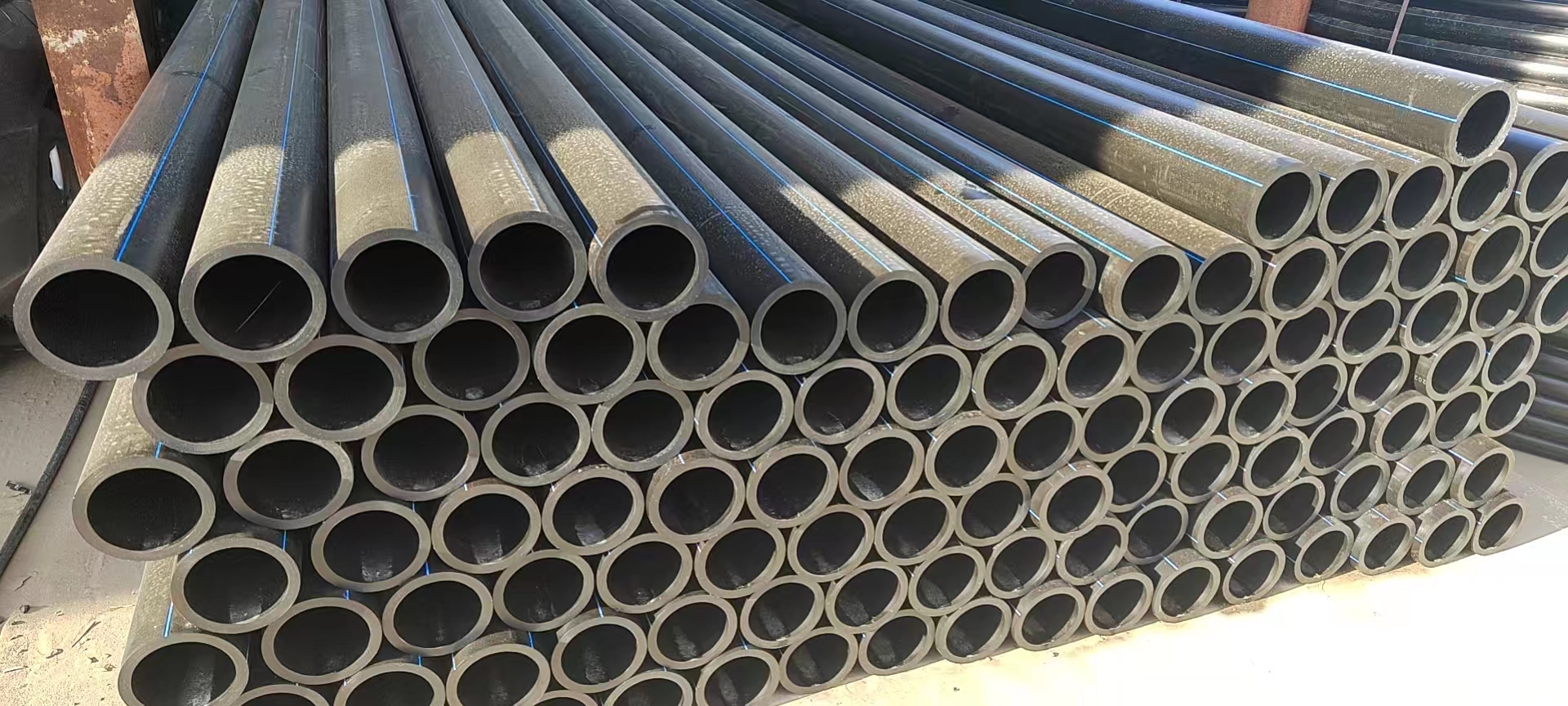
PPR pipe is produced from polypropylene random copolymer, a thermoplastic polymer created through the polymerization of propylene monomers. The 'random' designation indicates a non-stereospecific polymerization process, resulting in a material with improved clarity and flexibility compared to homopolymer polypropylene. The raw material’s key properties include a density of approximately 0.905 g/cm³, a glass transition temperature (Tg) around -10°C, and a melting point between 130-171°C depending on the specific copolymer ratio. Chinese manufacturers typically employ three primary production methods for PPR pipe: extrusion, injection molding (for fittings), and hot-melt welding (for joining pipe sections). Extrusion involves melting polypropylene granules and forcing them through a die to form a continuous pipe profile. Critical process parameters include melt temperature (190-230°C), die pressure (maintained consistently to ensure uniform wall thickness), and cooling rate (controlled to prevent warping and maintain dimensional stability). Injection molding is used for creating fittings like elbows, tees, and couplings. This process demands precise mold temperature control (40-60°C) and injection pressure (60-100 MPa) to produce robust, dimensionally accurate components. Hot-melt welding is the preferred joining method, utilizing a heating tool to fuse the pipe and fitting materials together, creating a homogenous joint with strength comparable to the parent material. Maintaining consistent welding parameters – temperature (260-280°C) and pressure (controlled by the operator) – is essential to avoid weld defects like incomplete fusion or excessive flash.
Performance & Engineering
The performance of PPR pipe in hot water applications is governed by its ability to withstand hydrostatic pressure, thermal expansion, and chemical compatibility with potable water. Hydrostatic pressure testing, conducted according to international standards, ensures the pipe’s resistance to bursting under sustained pressure. PPR typically exhibits a hydrostatic pressure rating of 1.6 MPa (232 psi) at 20°C, diminishing slightly with increasing temperature. Thermal expansion is a critical design consideration. PPR has a linear coefficient of thermal expansion of approximately 0.15 mm/m°C. This necessitates the incorporation of expansion loops or flexible connectors in long pipe runs to prevent stress build-up and potential cracking. Engineering calculations must account for the maximum anticipated water temperature (typically 80°C in residential hot water systems) and the overall length of the piping network. Chemical compatibility is generally excellent, as PPR is inert to most substances found in potable water. However, prolonged exposure to chlorinated solvents or certain aggressive chemicals should be avoided. PPR pipe systems must adhere to relevant building codes and plumbing regulations, which often specify minimum wall thicknesses, allowable pressures, and testing requirements. Furthermore, the pipe’s resistance to creep – the tendency to deform slowly under sustained stress – is a key factor in long-term performance and must be considered during system design. Proper support and anchoring of the pipe are crucial to prevent sagging and stress concentration.
Technical Specifications
| Parameter | Unit | PN16 (S3.2) | PN20 (S4) |
|---|---|---|---|
| Nominal Pressure | MPa | 1.6 | 2.0 |
| Hydrostatic Pressure Test | MPa | 2.4 | 3.0 |
| Burst Pressure | MPa | 7.6 | 9.6 |
| Maximum Operating Temperature | °C | 70 | 95 |
| Wall Thickness (S3.2) | mm | 3.2 | N/A |
| Wall Thickness (S4) | mm | N/A | 4.0 |
| Density | g/cm³ | 0.905 - 0.930 | 0.905 - 0.930 |
Failure Mode & Maintenance
PPR pipe, while durable, is susceptible to several failure modes. One common issue is slow crack growth (SCG), initiated by stress concentrations at weld joints or imperfections in the pipe material. This can be exacerbated by prolonged exposure to elevated temperatures and oxidizing agents. Another failure mode is delamination, where layers of the pipe material separate due to inadequate fusion during welding or material defects. Oxidation, particularly at high temperatures, can lead to embrittlement and reduced impact resistance. Fatigue cracking can occur in systems subject to repeated pressure fluctuations. Chlorine-induced cracking can occur if the potable water has high chlorine levels. Preventative maintenance includes regular visual inspections for leaks, cracks, or discoloration. Proper support and anchoring of the pipe are vital to minimize stress. Avoid over-tightening fittings during installation. If leaks are detected, the damaged section should be cut out and replaced with a new section using hot-melt welding. The weld area must be thoroughly cleaned and prepared before welding. Periodic hydrostatic testing can identify potential weaknesses in the system. In cases of widespread corrosion or delamination, a complete system replacement may be necessary. When storing PPR pipe, it should be protected from direct sunlight and extreme temperatures to prevent material degradation. Avoid mechanical damage during handling and installation.
Industry FAQ
Q: What is the acceptable chlorine concentration for long-term PPR pipe exposure?
A: While PPR exhibits good chemical resistance, prolonged exposure to high chlorine concentrations can induce stress cracking. Generally, concentrations above 200 ppm should be avoided. Systems with chlorination levels exceeding this limit may require the installation of chlorine filters or consideration of alternative piping materials.
Q: What are the key differences between PN16 and PN20 PPR pipe?
A: PN16 (S3.2) and PN20 (S4) designations refer to the nominal pressure rating of the pipe. PN20 pipe has a thicker wall thickness (4.0mm vs. 3.2mm) and is designed for higher operating pressures and temperatures. PN20 is typically used in applications where higher hydraulic loads are expected.
Q: How does the quality of the welding tool impact the joint integrity?
A: The welding tool is critical. A high-quality tool with precise temperature control and consistent heating element performance is essential. Tools should be regularly calibrated and maintained to ensure accurate temperature settings. Operator training is also vital to ensure proper welding techniques are employed.
Q: What is the recommended maximum length of a continuous PPR pipe run without expansion joints?
A: The recommended maximum length depends on the water temperature and pipe diameter. Generally, for runs exceeding 20 meters at temperatures above 60°C, expansion loops or flexible connectors should be incorporated to accommodate thermal expansion and contraction. A detailed thermal expansion calculation should be performed for longer runs.
Q: How does the storage of PPR pipes impact their lifespan and performance?
A: PPR pipes should be stored in a cool, dry, and well-ventilated area, away from direct sunlight and extreme temperatures. Prolonged exposure to UV radiation can cause material degradation. Pipes should be stored horizontally and protected from mechanical damage. Avoid stacking pipes too high, as this can cause deformation.
Conclusion
Chinese-manufactured PPR pipe for hot water supply offers a robust and cost-effective solution for potable water distribution systems. Its inherent corrosion resistance, thermal stability, and ease of installation make it a preferred alternative to traditional metallic piping. However, realizing its full potential requires meticulous attention to material selection, manufacturing quality control, proper installation techniques, and ongoing maintenance practices. Understanding the nuances of PPR material science, including thermal expansion, stress cracking potential, and chemical compatibility, is crucial for ensuring long-term system reliability.
Future advancements in PPR technology will likely focus on enhancing material properties, such as increasing resistance to SCG and improving creep resistance. The development of more sophisticated welding tools with integrated quality control features will also contribute to improved joint integrity. Furthermore, standardization efforts aimed at harmonizing international standards for PPR pipe manufacturing and testing will promote greater confidence and facilitate global trade. Ongoing monitoring of water quality and the implementation of preventative maintenance programs will remain essential for maximizing the lifespan and performance of PPR piping systems.
-
DN25 HDPE Compression Fitting-HORON INTERNATIONAL|Reliable Irrigation Solutions
NewsFeb.11,2026
-
china 32 mm ppr pipe Performance Analysis
News2026-04-25
-
china ppr pipe for hot water supply Performance Analysis
News2026-04-25
-
china double walled drainage pipe Performance Analysis
News2026-04-25
-
china black hdpe pipe Manufacturing Analysis
News2026-04-25
-
china dn25 ppr hot water pipes for kitchen Performance Analysis
News2026-04-25
-
china pvc to hdpe connection Performance Analysis
News2026-04-24
-
china ppr pipe elbow Performance Analysis
News2026-04-24
-
china hdpe straight coupler Performance Analysis
News2026-04-24
-
china what are pvc pipes used for Performance Analysis
News2026-04-24
-
china hdpe flexible irrigation pipe Performance Analysis
News2026-04-24
-
china 40mm pvc pipe Material and Manufacturing
News2026-04-23
-
china hdpe to pvc connection Performance Analysis
News2026-04-23
-
china ppr pipe 1 price Performance Analysis
News2026-04-23
-
china colored pvc pipe Performance Analysis
News2026-04-23
-
china hdpe pipe price list pdf Performance Analysis
News2026-04-23