

Feb . 11, 2026 00:01 Back to list
china hdpe to pvc pipe coupling Performance Analysis
Introduction
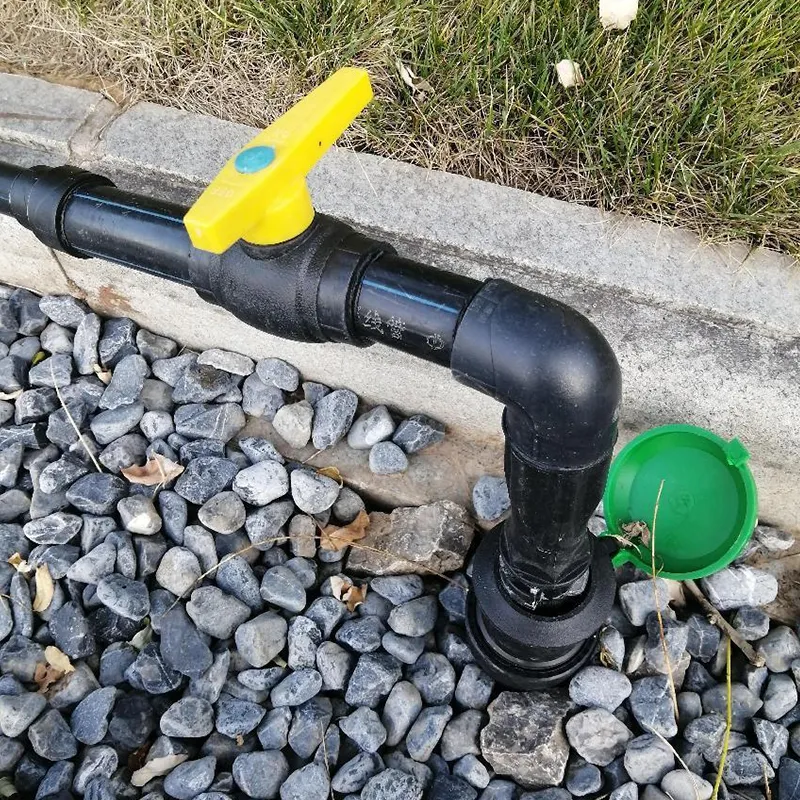
The HDPE to PVC pipe coupling represents a critical joining component in fluid and gas conveyance systems, facilitating the transition between polyethylene high-density (HDPE) and polyvinyl chloride (PVC) piping. Its technical position lies in bridging material compatibility challenges arising from differing thermal expansion rates, chemical resistances, and joining methodologies. These couplings are prevalent in municipal water distribution, irrigation, chemical processing, and drainage applications where cost-effectiveness and durability are paramount. Core performance characteristics center on maintaining pressure integrity, ensuring leak-proof seals, and resisting environmental degradation. A primary industry pain point involves the potential for galvanic corrosion when dissimilar metals are used in conjunction with PVC, necessitating careful material selection within the coupling’s construction. This guide will provide a comprehensive technical overview of these couplings, covering material science, manufacturing processes, performance characteristics, failure modes, and relevant industry standards.
Material Science & Manufacturing
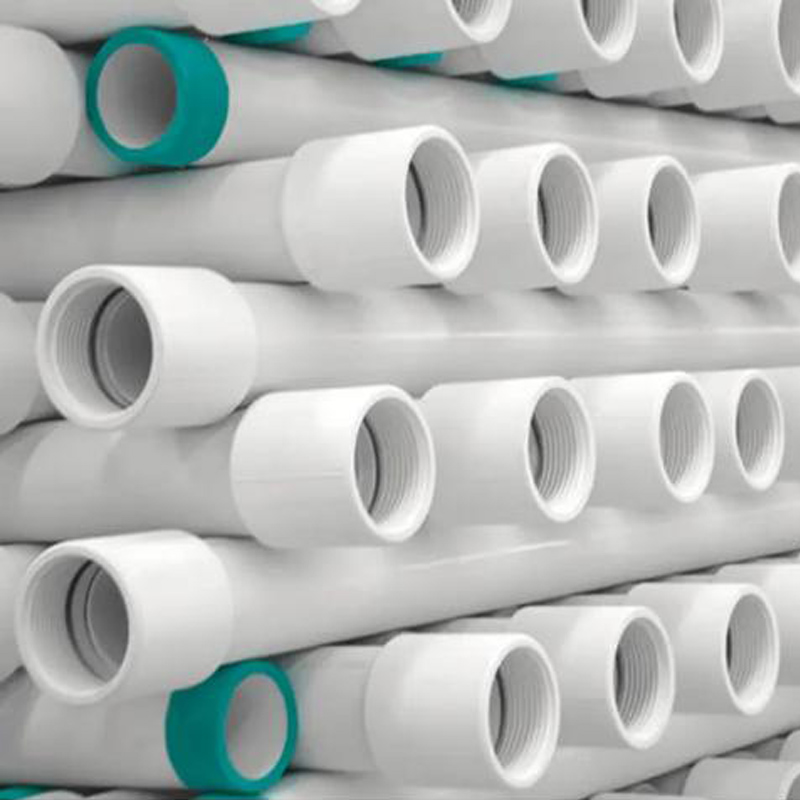
The manufacture of HDPE to PVC couplings necessitates a blend of material science expertise and precision engineering. HDPE, a thermoplastic polymer derived from petroleum, exhibits high tensile strength, flexibility, and resistance to chemical corrosion. Its typical density ranges from 0.941 to 0.965 g/cm³, influencing its impact resistance and weldability. PVC, conversely, is a rigid thermoplastic polymer manufactured through the polymerization of vinyl chloride. PVC’s strength is derived from its amorphous and crystalline structures, offering good rigidity and resistance to chemical attack, though less flexible than HDPE. Common PVC grades used in couplings include Schedule 40 and Schedule 80, influencing wall thickness and pressure rating.
The coupling body is typically constructed from either PVC or polypropylene (PP), selected for its chemical compatibility with both HDPE and PVC. Elastomeric seals, often made of Ethylene Propylene Diene Monomer (EPDM) rubber, or Nitrile Butadiene Rubber (NBR) are incorporated to ensure watertight connections. The manufacturing process typically involves injection molding for the coupling body, precisely controlled to minimize voids and ensure dimensional accuracy. The sealing mechanism often relies on a compression fit achieved through threaded connections, solvent welding (for PVC ends), or mechanical locking systems. Critical parameters during injection molding include melt temperature, mold pressure, and cooling rate, influencing the polymer’s crystallinity and overall mechanical properties. Surface finish is also crucial, as imperfections can compromise the seal's integrity. Quality control necessitates rigorous testing of material properties, dimensional accuracy, and leak-tightness.
Performance & Engineering
The performance of an HDPE to PVC coupling is fundamentally governed by its ability to withstand internal pressure, external loads, and environmental stressors. Force analysis focuses on hoop stress generated by internal pressure, particularly at the transition joint between the HDPE and PVC segments. Finite Element Analysis (FEA) is frequently employed to model stress distribution and optimize coupling geometry to minimize stress concentrations. The coupling’s design must account for the differing coefficients of thermal expansion between HDPE (approximately 1.1 x 10⁻⁴ /°C) and PVC (approximately 8 x 10⁻⁵ /°C). Significant temperature fluctuations can induce shear stress at the interface, potentially leading to seal failure or joint separation. Material selection for the sealing element is crucial to accommodate these thermal movements without compromising the seal’s integrity.
Environmental resistance is a key consideration. UV exposure can degrade PVC, reducing its tensile strength and causing embrittlement. Additives such as UV stabilizers are often incorporated into the PVC formulation to mitigate this effect. Chemical resistance must also be evaluated, particularly in applications involving aggressive fluids or gases. The coupling’s performance must adhere to industry standards pertaining to pressure testing (e.g., hydrostatic testing at 1.5 times the working pressure) and leak testing. Furthermore, compliance with relevant building codes and plumbing regulations is essential, dictating permissible materials, installation procedures, and safety factors.
Technical Specifications
| Parameter | HDPE to PVC Coupling (2” Diameter) | HDPE to PVC Coupling (4” Diameter) | Material |
|---|---|---|---|
| Nominal Diameter | 2 inches (50.8 mm) | 4 inches (101.6 mm) | PVC/Polypropylene Body, EPDM/NBR Seal |
| Pressure Rating | 200 PSI (13.8 bar) | 150 PSI (10.3 bar) | Dependent on Schedule (40/80) |
| Operating Temperature Range | -40°C to 60°C | -40°C to 60°C | EPDM: -45°C to 150°C; NBR: -40°C to 120°C |
| Connection Type | Threaded (NPT) / Solvent Weld | Threaded (NPT) / Solvent Weld | Specific to pipe standards |
| Wall Thickness (Coupling Body) | 3.2 mm | 4.8 mm | Varies with Schedule |
| Chemical Resistance | Excellent to most acids, bases, and solvents | Excellent to most acids, bases, and solvents | Check chemical compatibility charts |
Failure Mode & Maintenance
Failure modes in HDPE to PVC couplings are diverse, often stemming from a combination of material degradation, improper installation, and operational stressors. Fatigue cracking can occur in the PVC body due to repeated pressure cycling, particularly at stress concentration points such as threaded connections. Delamination of the sealing element is common, resulting from exposure to incompatible fluids, excessive temperatures, or UV radiation. Chemical degradation can affect both the PVC body and the seal, reducing their mechanical properties and compromising their integrity. Oxidation of the HDPE segment can occur over extended periods, leading to embrittlement and cracking. Galvanic corrosion, though less common with PVC, can occur if metallic components within the coupling come into contact with dissimilar metals in the piping system, accelerating corrosion rates.
Preventative maintenance involves regular visual inspections for signs of cracking, leakage, or corrosion. Periodic pressure testing can identify potential weaknesses before catastrophic failure occurs. Proper installation, adhering to manufacturer's specifications, is critical to avoid over-tightening of threaded connections or improper solvent welding. Lubrication of threaded connections with a compatible sealant can facilitate assembly and prevent galling. Replacing deteriorated seals proactively is essential to maintain leak-proof operation. When replacing a coupling, ensure compatibility with the existing piping materials and pressure rating. In environments with high UV exposure, consider using couplings with UV-resistant additives or providing physical shielding.
Industry FAQ
Q: What are the primary considerations when selecting a coupling for a potable water application?
A: For potable water, the coupling materials must comply with NSF/ANSI Standard 61, ensuring they do not leach harmful contaminants into the water supply. The sealing material (EPDM or NBR) should also be certified for potable water contact. Pressure rating must exceed the maximum operating pressure of the system, and the coupling should be resistant to chlorine and other disinfectants commonly used in water treatment.
Q: Can HDPE to PVC couplings be used in underground applications?
A: Yes, but specific considerations apply. The coupling body should be robust enough to withstand soil loads and external pressures. Corrosion protection may be required, especially in corrosive soil environments. Proper bedding and backfilling procedures are crucial to prevent damage during installation and ensure long-term stability.
Q: What are the implications of using a coupling with an incorrect pressure rating?
A: Using a coupling with an insufficient pressure rating can lead to catastrophic failure, resulting in leaks, property damage, and potential injury. The coupling may burst or develop cracks under pressure, compromising the integrity of the entire piping system. Always verify that the coupling's pressure rating meets or exceeds the maximum operating pressure of the system.
Q: How does temperature affect the performance of an HDPE to PVC coupling?
A: Temperature fluctuations can induce stress at the HDPE-PVC interface due to differing thermal expansion coefficients. Excessive temperatures can degrade the sealing element and reduce the mechanical properties of the coupling materials. Low temperatures can make the materials more brittle and susceptible to cracking. Select a coupling with a temperature rating suitable for the operating conditions.
Q: What are the advantages of using a mechanical locking coupling versus a solvent weld coupling?
A: Mechanical locking couplings offer faster installation and removal, eliminating the need for solvent welding and associated fumes. They are also more versatile, allowing for easy disconnection and reconfiguration of the piping system. Solvent weld couplings provide a more permanent and often stronger connection, but require skilled labor and careful surface preparation.
Conclusion
The HDPE to PVC pipe coupling serves as a vital component in diverse piping systems, bridging the material compatibility gap between these two prevalent polymers. Its performance is predicated on precise material selection, meticulous manufacturing processes, and careful consideration of operational stressors like pressure, temperature, and chemical exposure. Understanding the potential failure modes – encompassing fatigue cracking, seal degradation, and environmental effects – is crucial for implementing effective preventative maintenance strategies.
Future advancements in coupling design may focus on incorporating smart materials with self-sealing capabilities or integrating sensor technology for real-time monitoring of pressure and temperature. Continuous development of improved sealing materials offering enhanced chemical resistance and thermal stability will also be critical. Ultimately, a comprehensive understanding of the coupling’s technical aspects, coupled with adherence to relevant industry standards, ensures long-term reliability and safe operation in demanding applications.
-
DN25 HDPE Compression Fitting-HORON INTERNATIONAL|Reliable Irrigation Solutions
NewsFeb.11,2026
-
china pvc pipe cost per foot Technical Analysis
News2026-04-26
-
china double walled corrugated pipe Performance Analysis
News2026-04-26
-
china hdpe sprinkler pipe price list Performance Analysis
News2026-04-26
-
china water pipe in kitchen Performance Analysis
News2026-04-26
-
china hdpe to pvc pipe coupling Performance Analysis
News2026-04-26
-
china 32 mm ppr pipe Performance Analysis
News2026-04-25
-
china ppr pipe for hot water supply Performance Analysis
News2026-04-25
-
china double walled drainage pipe Performance Analysis
News2026-04-25
-
china black hdpe pipe Manufacturing Analysis
News2026-04-25
-
china dn25 ppr hot water pipes for kitchen Performance Analysis
News2026-04-25
-
china pvc to hdpe connection Performance Analysis
News2026-04-24
-
china ppr pipe elbow Performance Analysis
News2026-04-24
-
china hdpe straight coupler Performance Analysis
News2026-04-24
-
china what are pvc pipes used for Performance Analysis
News2026-04-24
-
china hdpe flexible irrigation pipe Performance Analysis
News2026-04-24