

Feb . 11, 2026 00:01 Back to list
china hdpe sprinkler pipe price list Performance Analysis
Introduction
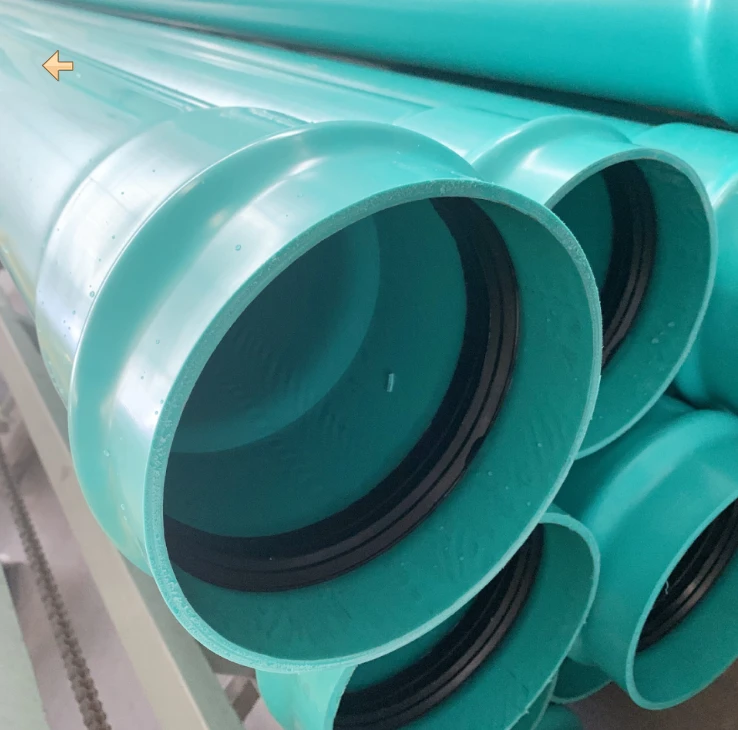
High-Density Polyethylene (HDPE) sprinkler pipe represents a significant advancement in irrigation system infrastructure. Its role within the agricultural and landscaping industries is pivotal, functioning as the fluid conveyance component connecting water sources to sprinkler heads. This guide details the technical characteristics, manufacturing nuances, performance parameters, potential failure modes, and maintenance protocols associated with HDPE sprinkler pipe, with a focus on typical configurations and pricing trends originating from Chinese manufacturers. Unlike traditional materials like PVC or metal, HDPE offers a unique combination of flexibility, durability, and chemical resistance, leading to its increasing adoption in diverse climatic conditions and soil compositions. A critical pain point in the industry is ensuring long-term reliability and minimizing potential failures due to environmental stress cracking, UV degradation, and improper installation practices. Understanding these factors is essential for procurement managers and engineers to optimize system performance and lifecycle cost.
Material Science & Manufacturing
HDPE sprinkler pipe is produced from high-density polyethylene resin, a thermoplastic polymer created through the copolymerization of ethylene. The resin’s density, typically ranging from 0.941 to 0.965 g/cm³, directly impacts the pipe’s mechanical properties, including tensile strength and resistance to creep. Raw material selection is crucial; grades must meet stringent quality control standards (e.g., PE100, PE80) ensuring consistent molecular weight distribution and minimal impurities. The manufacturing process primarily utilizes extrusion. Polyethylene granules are melted and forced through a die to create a continuous pipe profile. Key parameters during extrusion include melt temperature (typically 180-210°C), die pressure, and cooling rate. These parameters dictate the pipe’s wall thickness uniformity and overall dimensional accuracy. Post-extrusion, pipes undergo rigorous hydrostatic testing to verify pressure integrity and leak resistance. The extrusion process also allows for the incorporation of stripe markings indicating pipe size and pressure rating. Furthermore, the presence of carbon black as a UV stabilizer is critical for outdoor applications, extending the pipe’s lifespan by mitigating degradation from sunlight exposure. The material's chemical compatibility with commonly used fertilizers and irrigation water treatments is excellent, but prolonged exposure to highly concentrated acids or strong oxidizers should be avoided.
Performance & Engineering
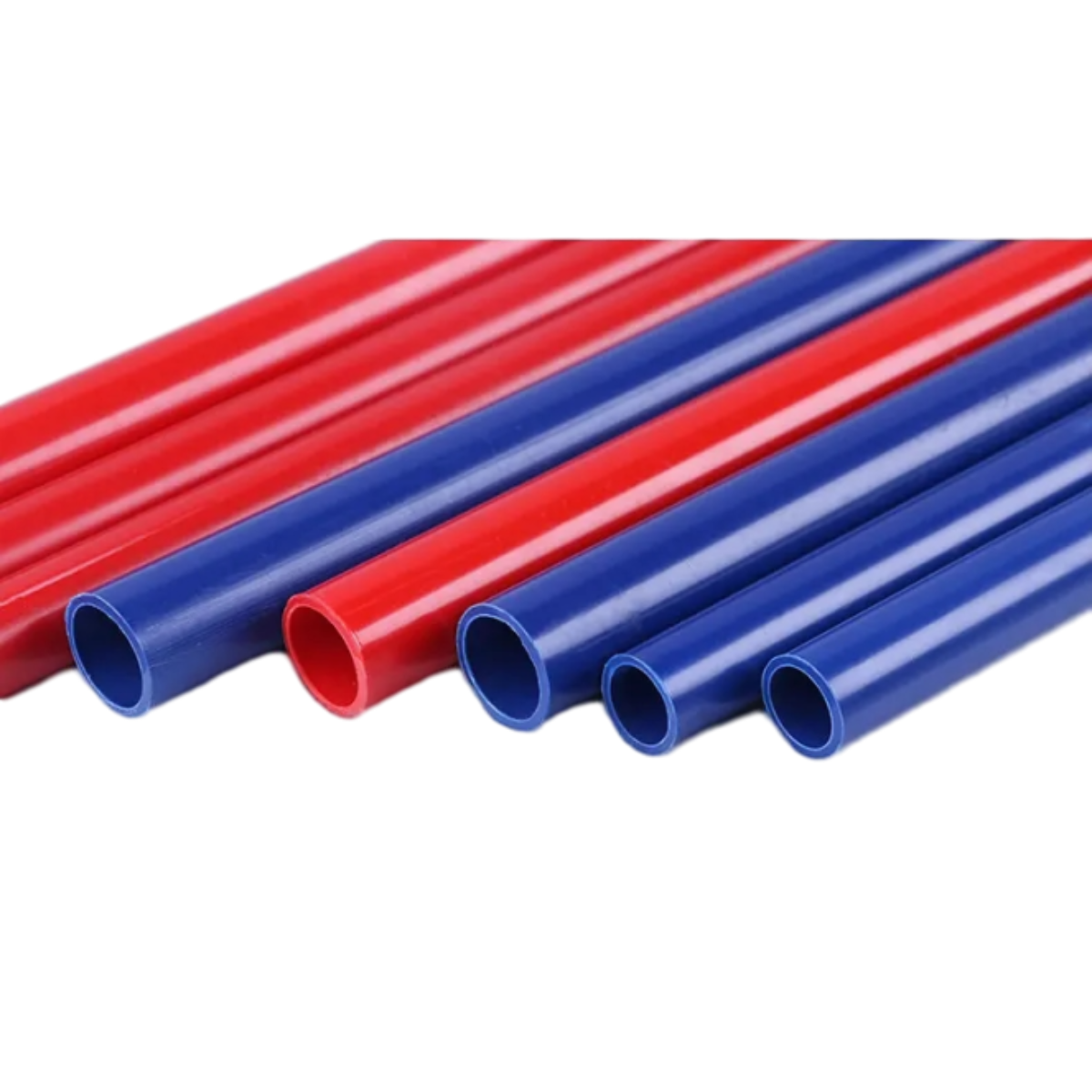
The performance of HDPE sprinkler pipe is critically governed by its pressure rating, which dictates the maximum operating pressure the pipe can withstand. This rating, typically expressed in PSI or bar, is determined by the pipe’s dimensions (diameter and wall thickness) and the HDPE resin’s hydrostatic design basis (HDB). A key engineering consideration is accounting for water hammer, the pressure surge resulting from sudden valve closures or pump starts. Proper surge protection devices are essential to prevent pipe rupture. Furthermore, soil loading and external stresses during installation must be considered. HDPE’s flexibility allows it to accommodate some ground movement, reducing the risk of cracking. However, excessive bending radius should be avoided to prevent kinking and flow restriction. Environmental resistance is another vital aspect. HDPE exhibits excellent resistance to corrosion and chemical attack, making it suitable for various soil conditions. However, long-term exposure to ultraviolet (UV) radiation can cause degradation, necessitating the use of UV-stabilized HDPE or burial to protect the pipe. Compliance with industry standards (e.g., ASTM D1785, EN 12201) ensures that the pipe meets minimum performance requirements and safety standards. Force analysis during installation, especially when using trenchless methods, is critical to prevent overstressing the pipe and compromising its integrity.
Technical Specifications
| Parameter | Typical Value (DN63/2.5") | Typical Value (DN90/3.0") | Typical Value (DN110/4.0") |
|---|---|---|---|
| Outside Diameter (mm) | 63 | 90 | 110 |
| Wall Thickness (mm) | 2.5 | 3.0 | 4.0 |
| Pressure Rating (PN) (bar) | 10 | 12.5 | 16 |
| Hydrostatic Design Basis (HDB) | 100 hrs @ 12.4 bar | 100 hrs @ 15.5 bar | 100 hrs @ 20.0 bar |
| Tensile Strength (MPa) | 35 | 35 | 35 |
| Elongation at Break (%) | 300 | 300 | 300 |
Failure Mode & Maintenance
HDPE sprinkler pipe, while durable, is susceptible to several failure modes. Environmental Stress Cracking (ESC) is a primary concern, caused by the combined effect of sustained stress and exposure to certain chemicals. Poor installation practices, such as excessive bending or improper jointing, can initiate stress concentrations, accelerating ESC. UV degradation, particularly in above-ground applications, leads to embrittlement and cracking over time. Fatigue cracking can occur in areas subjected to repeated pressure fluctuations or mechanical stress. Joint failures are also common, often stemming from inadequate fusion welding or improper use of mechanical fittings. Regular maintenance is crucial for preventing failures. This includes visual inspections for cracks, leaks, and signs of UV degradation. Hydrostatic testing can be conducted periodically to assess the pipe’s pressure integrity. For minor leaks, appropriate HDPE repair fittings can be used. If ESC is suspected, replacing the affected pipe section is recommended. Furthermore, ensuring proper backfill compaction during installation minimizes external stress and reduces the risk of damage. In areas with aggressive soil conditions, applying a protective sleeve can mitigate corrosion and ESC.
Industry FAQ
Q: What is the impact of soil acidity on the long-term performance of HDPE sprinkler pipe?
A: While HDPE is generally chemically resistant, prolonged exposure to highly acidic soils can accelerate environmental stress cracking. The degree of impact depends on the soil pH and the duration of exposure. It is recommended to use HDPE pipe with enhanced ESC resistance or to provide a protective barrier between the pipe and the acidic soil.
Q: What are the key considerations when selecting the appropriate pressure rating for a sprinkler system?
A: The pressure rating should be determined based on the maximum operating pressure of the sprinkler system, including any pressure surges due to water hammer. It’s prudent to select a pipe with a pressure rating that exceeds the expected operating pressure by a safety margin. Elevation changes within the system also influence pressure requirements and must be factored into the selection process.
Q: What are the best practices for joining HDPE sprinkler pipe sections?
A: Butt fusion welding is the preferred method for joining HDPE pipe, as it creates a homogenous joint with strength comparable to the pipe itself. Electrofusion welding is suitable for smaller diameters and complex fittings. Proper training and adherence to welding procedures are essential to ensure joint integrity. Mechanical fittings can be used but require careful selection and installation to prevent leaks.
Q: How does UV exposure affect HDPE sprinkler pipe, and what mitigation strategies are available?
A: UV exposure causes degradation of the HDPE polymer, leading to embrittlement and cracking. The addition of carbon black as a UV stabilizer significantly extends the pipe’s lifespan. However, prolonged exposure is still detrimental. Mitigation strategies include burying the pipe, using UV-resistant coatings, or selecting HDPE pipe with a higher carbon black content.
Q: What quality control standards should be verified when procuring HDPE sprinkler pipe from Chinese manufacturers?
A: Verify compliance with international standards such as ASTM D1785, EN 12201, and ISO 4427. Request material certificates verifying the HDPE resin grade and its properties. Inspect the pipe for dimensional accuracy, surface defects, and proper stripe markings. Review the manufacturer’s quality control procedures and testing reports.
Conclusion
HDPE sprinkler pipe offers a robust and cost-effective solution for irrigation systems, providing a compelling alternative to traditional materials. Its inherent flexibility, chemical resistance, and durability contribute to long-term reliability, but proper material selection, installation, and maintenance are crucial for maximizing its lifespan and preventing premature failures. Understanding the potential failure modes – particularly environmental stress cracking and UV degradation – and implementing appropriate mitigation strategies are paramount.
The increasing demand for efficient irrigation solutions will likely drive further innovation in HDPE sprinkler pipe technology, including the development of enhanced UV stabilizers and improved jointing methods. Procurement managers and engineers should prioritize adherence to international standards and rigorous quality control procedures when sourcing HDPE pipe, especially from overseas manufacturers, to ensure optimal performance and minimize long-term lifecycle costs.
-
DN25 HDPE Compression Fitting-HORON INTERNATIONAL|Reliable Irrigation Solutions
NewsFeb.11,2026
-
china pvc pipe cost per foot Technical Analysis
News2026-04-26
-
china double walled corrugated pipe Performance Analysis
News2026-04-26
-
china hdpe sprinkler pipe price list Performance Analysis
News2026-04-26
-
china water pipe in kitchen Performance Analysis
News2026-04-26
-
china hdpe to pvc pipe coupling Performance Analysis
News2026-04-26
-
china 32 mm ppr pipe Performance Analysis
News2026-04-25
-
china ppr pipe for hot water supply Performance Analysis
News2026-04-25
-
china double walled drainage pipe Performance Analysis
News2026-04-25
-
china black hdpe pipe Manufacturing Analysis
News2026-04-25
-
china dn25 ppr hot water pipes for kitchen Performance Analysis
News2026-04-25
-
china pvc to hdpe connection Performance Analysis
News2026-04-24
-
china ppr pipe elbow Performance Analysis
News2026-04-24
-
china hdpe straight coupler Performance Analysis
News2026-04-24
-
china what are pvc pipes used for Performance Analysis
News2026-04-24
-
china hdpe flexible irrigation pipe Performance Analysis
News2026-04-24