

Feb . 11, 2026 00:01 Back to list
china pvc pipe for sale Performance Analysis
Introduction
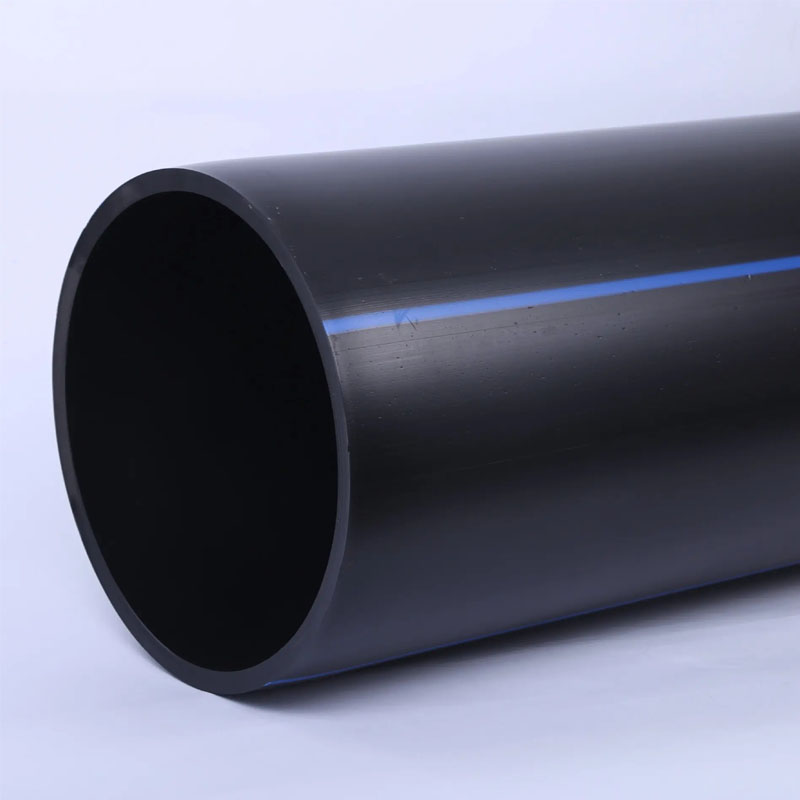
Polyvinyl chloride (PVC) pipe manufactured in China represents a significant portion of the global PVC pipe supply. Its widespread adoption stems from a combination of cost-effectiveness, versatility, and suitable performance characteristics for a broad range of applications. This technical guide details the material science, manufacturing processes, performance capabilities, potential failure modes, and relevant industry standards associated with Chinese-manufactured PVC pipe. PVC pipe is primarily used in potable water distribution, irrigation, drainage, sewage, and increasingly, industrial fluid transfer. The competitive pricing of Chinese PVC pipe necessitates a thorough understanding of quality control measures and adherence to international specifications to ensure long-term reliability and performance. This guide aims to provide a comprehensive technical overview for procurement professionals, engineers, and end-users seeking to evaluate and utilize this product effectively.
Material Science & Manufacturing
PVC is a thermoplastic polymer formed through the polymerization of vinyl chloride monomer (VCM). The raw material, ethylene dichloride (EDC), is produced from ethylene and chlorine, subsequently converted to VCM. The polymerization process, typically suspension polymerization, yields PVC resin, a white powder. For pipe production, PVC resin is compounded with various additives, including stabilizers (typically calcium-zinc or lead-based, though lead is increasingly restricted due to environmental concerns), plasticizers (phthalates or alternative non-phthalate options to impart flexibility, particularly in flexible PVC applications), lubricants, impact modifiers (e.g., chlorinated polyethylene – CPE), and processing aids. The selection and proportion of these additives significantly impact the final pipe's properties. Manufacturing commonly employs extrusion, where the compounded PVC is melted and forced through a die to create a continuous pipe profile. Critical parameters during extrusion include melt temperature (typically 180-210°C), screw speed, die design, and cooling rate. Subsequent processes involve calibration to maintain dimensional accuracy, printing for identification, cutting to length, and quality control checks. The degree of crystallinity in the PVC influences its strength and resistance to creep; controlling cooling rates during extrusion is vital for managing crystallinity.
Performance & Engineering
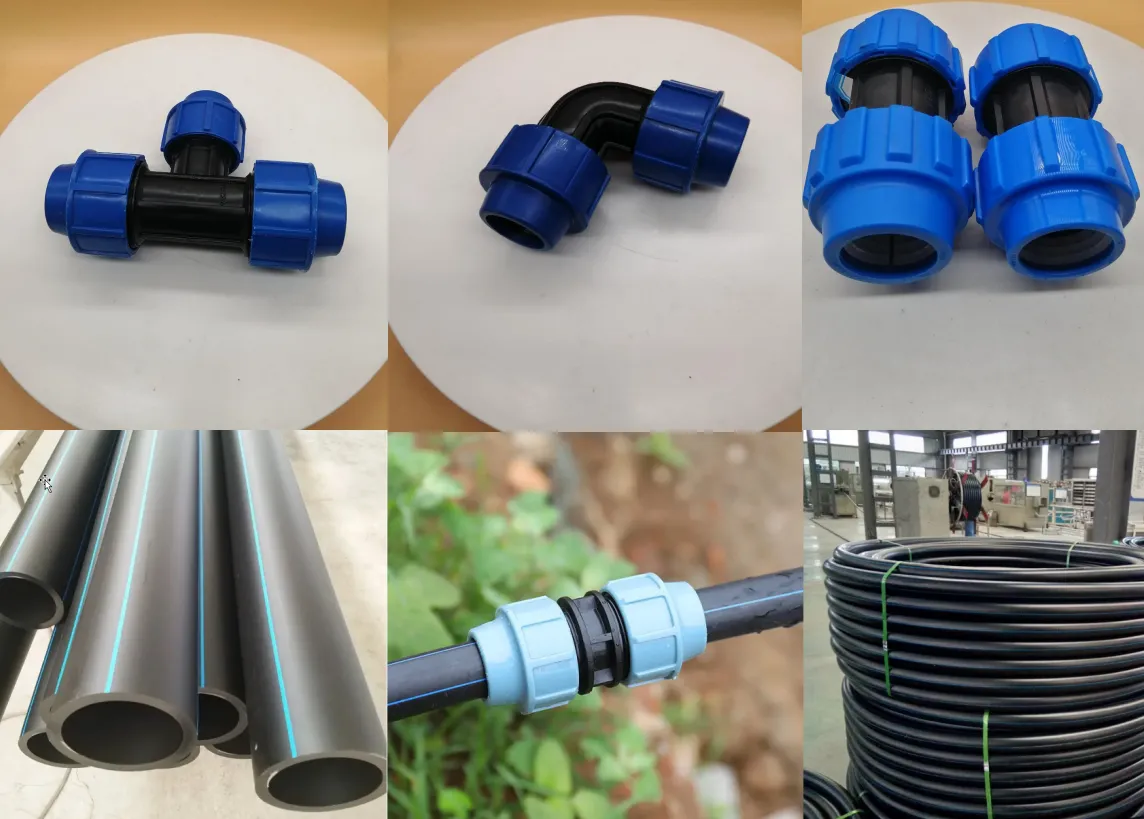
The performance of PVC pipe is dictated by several key engineering properties. Tensile strength, typically ranging from 50-70 MPa for rigid PVC, determines the pipe's resistance to axial stress. Impact strength, measured using Izod or Charpy tests, assesses its ability to withstand sudden loads, particularly important for underground installations. The modulus of elasticity (Young's modulus) dictates stiffness and resistance to deflection under pressure. Long-term hydrostatic strength (LTHS) is a critical parameter for pressure-rated applications, representing the sustained pressure the pipe can withstand over an extended period (often 50 years) at a specified temperature. PVC's resistance to chemical attack is generally good for many common substances, but susceptibility to certain solvents (e.g., ketones, aromatic hydrocarbons) must be considered. Environmental resistance is also a factor; UV exposure can cause degradation and embrittlement, necessitating the use of UV stabilizers or protective coatings. Furthermore, PVC’s thermal expansion coefficient (approximately 8 x 10⁻⁵ /°C) must be accounted for in installation design to prevent stress concentrations and potential joint failures. Force analysis during installation, including soil load considerations and backfill compaction, is crucial for preventing deformation or cracking.
Technical Specifications
| Parameter | Unit | Schedule 40 PVC | Schedule 80 PVC |
|---|---|---|---|
| Outside Diameter | mm | 114.3 | 114.3 |
| Inside Diameter | mm | 104.0 | 95.3 |
| Wall Thickness | mm | 5.5 | 9.5 |
| Pressure Rating (at 23°C) | MPa | 1.0 | 1.6 |
| Tensile Strength | MPa | 62 | 65 |
| Impact Strength (Izod Notched) | kJ/m2 | 8 | 12 |
Failure Mode & Maintenance
PVC pipe can experience several failure modes. Brittle fracture, particularly at low temperatures or due to impact, is a common concern. Hydrostatic cracking occurs under sustained internal pressure, especially if the pipe has flaws or is exposed to elevated temperatures. Environmental stress cracking (ESC) results from the combined effect of stress, chemical exposure, and a susceptible material. UV degradation leads to surface cracking and embrittlement. Joint failures can arise from improper solvent welding (for solvent-cemented joints), gasket failure (for gasketed joints), or thermal expansion/contraction stresses. Microbial Influenced Corrosion (MIC) can occur in certain soil conditions, though PVC itself is not directly corroded, the surrounding environment can affect joint integrity. Maintenance primarily involves visual inspections for cracks, leaks, or signs of degradation. Regular pressure testing can identify potential weaknesses. For solvent-cemented joints, re-cementing may be required if leaks are detected. Protection from direct sunlight through burial or coating can extend service life. Proper backfill compaction is essential to prevent excessive stress on the pipe.
Industry FAQ
Q: What are the key differences between Schedule 40 and Schedule 80 PVC pipe, and when should each be used?
A: Schedule 80 PVC pipe has a thicker wall than Schedule 40, resulting in a higher pressure rating and increased rigidity. Schedule 40 is typically sufficient for lower-pressure applications like irrigation and drainage, while Schedule 80 is preferred for higher-pressure systems, industrial applications, and situations where increased mechanical strength is required. The selection should be based on a thorough pressure and stress analysis of the intended application.
Q: How does the quality of PVC pipe from different Chinese manufacturers compare?
A: Quality control can vary significantly among Chinese manufacturers. Reputable manufacturers adhere to international standards (see below) and have robust quality assurance programs, including raw material testing, in-process monitoring, and final product inspection. Independent third-party certification (e.g., NSF, WRAS) is a strong indicator of quality. Due diligence, including factory audits and material testing, is crucial when sourcing from new suppliers.
Q: What is the impact of plasticizers on the long-term performance of PVC pipe?
A: Plasticizers impart flexibility to PVC, but they can leach out over time, leading to embrittlement and reduced performance. The type and concentration of plasticizer used significantly affect the rate of leaching. Non-phthalate plasticizers are generally preferred due to environmental and health concerns. Evaluating the plasticizer content and its migration rate is essential for long-term durability assessments.
Q: What are the limitations of PVC pipe in corrosive environments?
A: While PVC exhibits good resistance to many chemicals, it’s susceptible to attack by strong acids, ketones, and aromatic hydrocarbons. Exposure to these substances can cause swelling, softening, and ultimately, failure. It is critical to verify the chemical compatibility of PVC with the fluids it will be transporting.
Q: How important is proper solvent cementing technique for PVC pipe joints?
A: Proper solvent cementing is paramount for creating leak-proof, structurally sound joints. Incorrect techniques – such as insufficient cement application, improper dwell time, or working in adverse weather conditions – can lead to joint failures. Following the manufacturer’s instructions for cement application, pipe preparation, and curing is essential.
Conclusion
Chinese-manufactured PVC pipe provides a cost-effective solution for a wide range of piping applications, but its performance and longevity are directly linked to material selection, manufacturing quality, and adherence to industry standards. A comprehensive understanding of PVC’s material properties, potential failure modes, and the impact of environmental factors is crucial for informed procurement and successful implementation. Prioritizing quality control, seeking independent certifications, and conducting thorough due diligence on suppliers are essential steps to mitigating risk and ensuring long-term reliability.
The future of PVC pipe technology focuses on sustainable materials, improved formulations with enhanced durability, and advanced manufacturing processes. Continued research into alternative plasticizers and stabilization systems will further enhance PVC’s environmental profile and extend its service life. Adopting a holistic approach to system design, incorporating proper installation practices, and implementing robust maintenance programs will maximize the benefits of this versatile and widely used piping material.
-
DN25 HDPE Compression Fitting-HORON INTERNATIONAL|Reliable Irrigation Solutions
NewsFeb.11,2026
-
china hdpe reducer coupling Performance Analysis
News2026-05-06
-
china ppr pipe cost Performance Analysis
News2026-05-06
-
china pvc pipe for sale Performance Analysis
News2026-05-06
-
china 6 double wall corrugated pipe Performance Analysis
News2026-05-06
-
china hdpe conduit fittings Performance Analysis
News2026-05-06
-
china pvc pipe class 7 Performance Analysis
News2026-05-05
-
china 63mm pvc pipe Performance Analysis
News2026-05-05
-
china hdpe to steel transition coupling Performance Analysis
News2026-05-05
-
china kitchen water pipe Performance Analysis
News2026-05-05
-
china ppr 14 pipe Performance Analysis
News2026-05-05
-
china hdpe pipe for drip irrigation Performance Analysis
News2026-05-04
-
china hdpe pipe for agriculture Performance Analysis
News2026-05-04
-
china hdpe sprinkler pipe price Performance Analysis
News2026-05-04
-
china 2 ppr pipe Performance Analysis
News2026-05-04
-
china pvc pipe price per foot Performance Analysis
News2026-05-04