

Feb . 11, 2026 00:01 Back to list
china kitchen water pipe Performance Analysis
Introduction
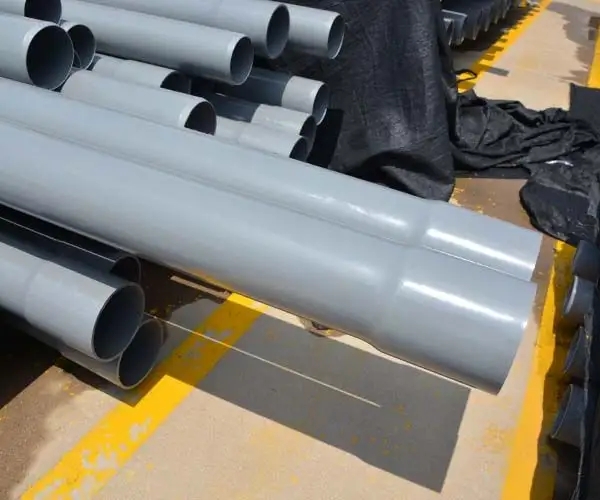
China kitchen water pipes, encompassing both hot and cold water distribution systems within residential and commercial kitchens, represent a critical component of modern plumbing infrastructure. Primarily constructed from Polyvinyl Chloride (PVC), Chlorinated Polyvinyl Chloride (CPVC), Polypropylene Random Copolymer (PPR), or Stainless Steel, these pipes facilitate the safe and efficient delivery of potable water and the removal of wastewater. Their technical position within the building materials supply chain involves raw material sourcing, extrusion/molding processes, quality control testing, and final distribution to construction and renovation projects. Core performance characteristics include pressure resistance, temperature endurance, chemical inertness to potable water, and long-term durability. Addressing prevalent concerns surrounding water quality and safety, specifically lead leaching and bacterial growth, are paramount design considerations. This guide provides an in-depth examination of the material science, manufacturing processes, performance characteristics, failure modes, and industry standards governing China kitchen water pipes.
Material Science & Manufacturing
The most common materials utilized in China kitchen water pipe production exhibit distinct physical and chemical properties. PVC, widely favored for cold water lines, presents a tensile strength of 55-75 MPa, a modulus of elasticity around 2.5-3.5 GPa, and a glass transition temperature of approximately 80°C. Its inherent brittleness necessitates the incorporation of plasticizers, such as phthalates or DINP, to enhance flexibility. CPVC, designed for hot water applications, incorporates chlorine atoms, boosting the glass transition temperature to 100-120°C and increasing chemical resistance. PPR offers excellent weldability, with a density of 0.905-0.925 g/cm³, a tensile strength of 35-45 MPa, and superior resistance to thermal expansion. Stainless Steel (typically 304 or 316 grades) provides exceptional corrosion resistance and high-temperature performance, boasting a tensile strength exceeding 500 MPa.
Manufacturing processes vary by material. PVC and CPVC pipes are typically produced via extrusion, where molten resin is forced through a die to create a continuous profile. Precise temperature control (160-220°C for PVC, 180-260°C for CPVC) and calibration cooling are critical for dimensional accuracy. PPR pipes undergo a similar extrusion process, often incorporating socket fusion welding techniques for joint creation. Stainless Steel pipes are manufactured through welding of rolled steel sheets or seamless extrusion. Key parameter control includes maintaining consistent resin melt flow index, die temperature uniformity, cooling rates, and weld penetration depth. Quality control measures involve hydrostatic pressure testing, impact resistance assessments, and chemical composition analysis to ensure adherence to national standards.
Performance & Engineering
The performance of China kitchen water pipes is dictated by several key engineering principles. Force analysis centers on withstanding hydrostatic pressure and external loads (e.g., soil pressure, accidental impact). The hoop stress within the pipe wall, calculated using the Barlow formula (σ = PD/2t, where P is pressure, D is diameter, and t is wall thickness), must remain below the material's yield strength. Environmental resistance is paramount, particularly concerning temperature fluctuations. Thermal expansion and contraction necessitate the incorporation of expansion joints or flexible connectors to prevent stress cracking. Chemical resistance demands compatibility with potable water constituents (chlorides, minerals) and cleaning agents. Compliance with building codes (GB 50017-2017 for plumbing engineering, GB/T 19472.2-2003 for PPR pipes) mandates adherence to minimum pressure ratings, material purity standards, and joint integrity requirements. Functional implementation considers flow rate optimization, minimizing pressure drop, and preventing cavitation, particularly in hot water systems. The use of smooth internal surfaces and appropriate pipe diameters are crucial for efficient water delivery.
Technical Specifications
| Material | Pressure Rating (MPa) | Temperature Range (°C) | Diameter (mm) |
|---|---|---|---|
| PVC | 1.0 - 1.6 | 0 - 60 | 20 - 110 |
| CPVC | 1.2 - 2.0 | 0 - 93 | 20 - 110 |
| PPR | 1.0 - 1.8 | 0 - 80 | 20 - 160 |
| Stainless Steel 304 | 2.0 - 6.0 | -30 - 150 | 15 - 200 |
| Stainless Steel 316 | 2.5 - 8.0 | -30 - 200 | 15 - 200 |
| HDPE (High-Density Polyethylene) | 0.8 - 1.6 | -40 - 60 | 20 - 125 |
Failure Mode & Maintenance
China kitchen water pipes are susceptible to several failure modes. PVC and CPVC pipes can experience brittle fracture due to impact damage or excessive stress concentration. Long-term exposure to ultraviolet (UV) radiation can lead to degradation and embrittlement. PPR pipes may suffer from weld defects (incomplete fusion, oxidation) resulting in leakage. Stainless Steel pipes, while robust, can undergo pitting corrosion in chloride-rich environments (though 316 grade offers improved resistance). Fatigue cracking can occur due to cyclic pressure fluctuations and thermal stress. Bacterial growth (e.g., biofilm formation) can reduce flow rates and compromise water quality. Maintenance solutions include periodic visual inspections for leaks or cracks, testing water pressure to identify potential weak points, flushing the system to remove sediment buildup, and implementing corrosion inhibitors. For stainless steel, regular cleaning and passivation can enhance corrosion resistance. Replacement of damaged sections is crucial to prevent catastrophic failure. Regular water quality testing is recommended to monitor for contaminants and bacterial levels.
Industry FAQ
Q: What is the optimal material choice for hot water distribution in a Chinese kitchen, considering both cost and longevity?
A: While PVC is the most cost-effective option, CPVC or PPR are strongly recommended for hot water distribution. CPVC offers superior temperature resistance compared to PVC, preventing deformation and potential leaks. PPR provides excellent weldability, ensuring a leak-proof and durable connection. Stainless steel is the most durable, but significantly more expensive, and may be reserved for high-end applications.
Q: How does the quality of the welding process affect the lifespan of PPR pipe systems?
A: The quality of the welding process is paramount. Improper welding, such as insufficient heating, excessive cooling, or inadequate pressure, can create weak points prone to leakage and failure. Certified welders, appropriate welding equipment, and adherence to manufacturer's specifications are critical for ensuring long-term reliability.
Q: What are the risks associated with using low-grade plasticizers in PVC pipes, and how can these be mitigated?
A: Low-grade plasticizers (e.g., certain phthalates) can leach into the water supply, posing potential health risks. Mitigation involves selecting PVC pipes manufactured with high-quality, food-grade plasticizers (DINP is a common alternative), verifying compliance with relevant water quality standards, and considering alternative materials like CPVC or PPR.
Q: What preventative measures can be taken to minimize corrosion in stainless steel kitchen water pipes?
A: Utilizing 316 stainless steel over 304 provides enhanced chloride resistance. Regular cleaning to remove corrosive agents, passivation treatments to restore the protective oxide layer, and avoiding galvanic corrosion (by using compatible fittings) are essential preventative measures. Water quality monitoring for chloride levels is also recommended.
Q: How do Chinese national standards compare to international standards (e.g., ASTM) regarding the performance testing of kitchen water pipes?
A: Chinese national standards (GB standards) generally align with international standards like ASTM, but may have specific requirements or testing methodologies. GB/T 19472.2-2003 (PPR pipes) and GB 50017-2017 (Plumbing engineering) outline performance testing parameters, including hydrostatic pressure, impact resistance, and chemical compatibility. However, some international standards may offer more comprehensive testing protocols or stricter acceptance criteria.
Conclusion
China kitchen water pipes are essential infrastructure components requiring careful material selection and installation. The choice between PVC, CPVC, PPR, and Stainless Steel hinges on a balance between cost, temperature requirements, and desired longevity. Understanding the material science principles governing these polymers and alloys, coupled with adherence to rigorous manufacturing processes and quality control measures, is crucial for ensuring safe and reliable water distribution. Addressing potential failure modes – including brittle fracture, weld defects, corrosion, and bacterial growth – through proactive maintenance and inspection protocols is paramount.
Future trends in this industry include the development of more sustainable and environmentally friendly materials, such as bio-based plastics, and the integration of smart monitoring systems for leak detection and water quality assessment. Continued refinement of national standards to align with international best practices will further enhance the quality and safety of China kitchen water pipe systems, contributing to improved public health and infrastructure resilience.
-
DN25 HDPE Compression Fitting-HORON INTERNATIONAL|Reliable Irrigation Solutions
NewsFeb.11,2026
-
china pvc pipe class 7 Performance Analysis
News2026-05-05
-
china 63mm pvc pipe Performance Analysis
News2026-05-05
-
china hdpe to steel transition coupling Performance Analysis
News2026-05-05
-
china kitchen water pipe Performance Analysis
News2026-05-05
-
china ppr 14 pipe Performance Analysis
News2026-05-05
-
china hdpe pipe for drip irrigation Performance Analysis
News2026-05-04
-
china hdpe pipe for agriculture Performance Analysis
News2026-05-04
-
china hdpe sprinkler pipe price Performance Analysis
News2026-05-04
-
china 2 ppr pipe Performance Analysis
News2026-05-04
-
china pvc pipe price per foot Performance Analysis
News2026-05-04
-
china long pvc pipe Performance Analysis
News2026-05-03
-
china plumbing kitchen sink water lines Performance Analysis
News2026-05-03
-
china hdpe drip irrigation Performance Analysis
News2026-05-03
-
china hot water ppr pipe Performance Analysis
News2026-05-03
-
china ppr plumbing Technical Analysis
News2026-05-03