

Feb . 11, 2026 00:01 Back to list
china long pvc pipe Performance Analysis
Introduction
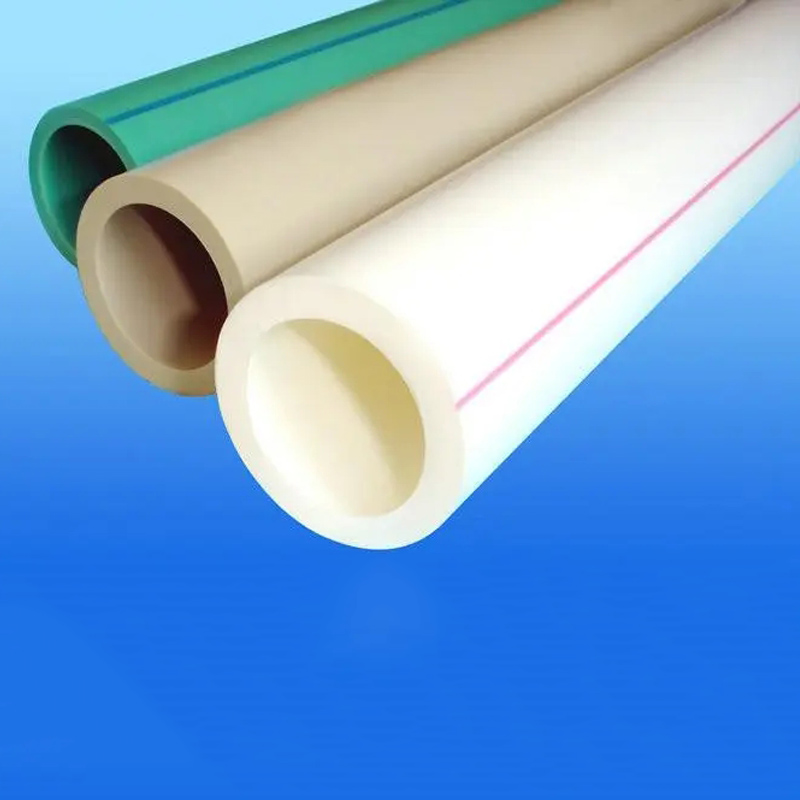
Polyvinyl chloride (PVC) pipe, specifically long-length PVC produced in China, represents a significant component of global infrastructure development, water management, and industrial fluid transport. This technical guide details the material science, manufacturing processes, performance characteristics, failure modes, and relevant standards associated with this widely utilized piping system. Long-length PVC pipe is distinguished by its continuous extrusion process, minimizing the number of joints and enhancing system integrity. Its prevalence stems from a combination of cost-effectiveness, corrosion resistance, and relatively simple installation procedures. The industrial chain positions PVC pipe as a critical downstream product of ethylene and chlorine, impacting petrochemical industries. Core performance attributes include pressure capacity, tensile strength, chemical inertness, and long-term durability – all subject to rigorous testing and adherence to international specifications.
Material Science & Manufacturing
The primary raw material for long PVC pipe is Polyvinyl Chloride resin, typically produced via suspension polymerization. Additives such as stabilizers (typically metal-based, e.g., calcium-zinc, or organic-based), lubricants (stearic acid, paraffin wax), impact modifiers (acrylics), and processing aids are incorporated to enhance properties and facilitate manufacturing. The selection and proportion of these additives are crucial for determining the final pipe characteristics. Manufacturing commences with the mixing of PVC resin and additives, followed by extrusion. The extrusion process involves feeding the mixture into a heated barrel where it melts and is forced through a die. Critical parameters during extrusion include barrel temperature profile (typically 180-220°C, varying by formulation), screw speed, die pressure, and cooling rates. Calibrators and vacuum sizing tanks maintain dimensional accuracy. Long-length production necessitates precise control of these parameters to ensure consistent wall thickness, diameter, and material homogeneity. Post-extrusion, pipes are often subjected to hydrostatic testing to verify pressure integrity, and marking for identification and quality assurance is applied. The material’s amorphous structure contributes to its rigidity, and the degree of crystallinity influences impact resistance. Chemical compatibility with transported fluids is paramount, requiring careful consideration of the PVC formulation for specific applications.
Performance & Engineering
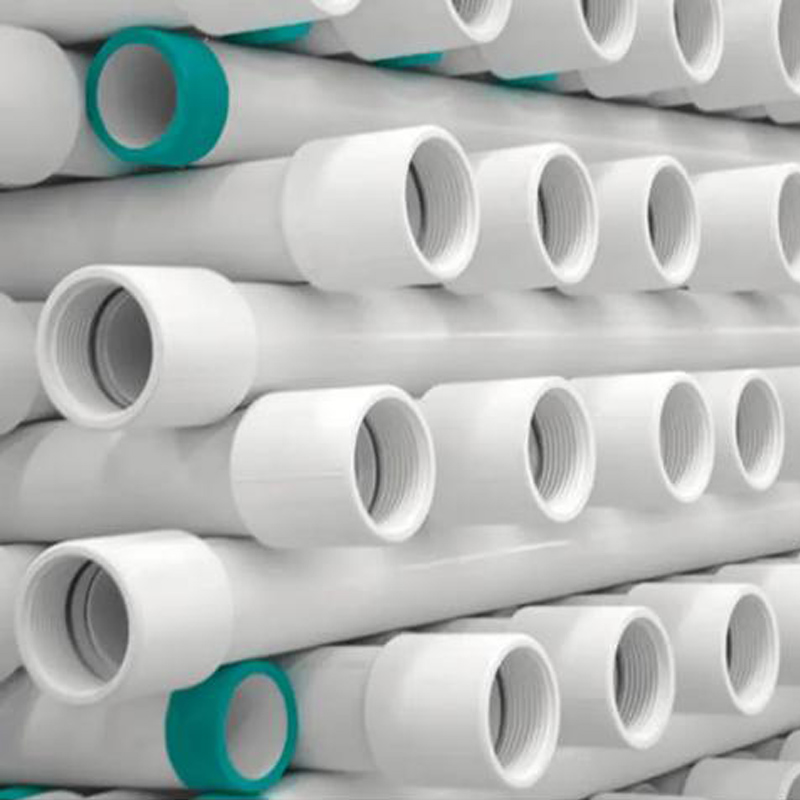
The performance of long PVC pipe is dictated by several key engineering considerations. Hydrostatic pressure testing, conforming to ASTM D1597 or equivalent standards, verifies the pipe’s ability to withstand internal pressure. Tensile strength, measured according to ASTM D1896, determines resistance to longitudinal stress. Impact resistance (ASTM D2444) is crucial for preventing brittle failure, particularly during installation or in areas prone to external impacts. Long-term creep resistance is addressed through testing per ISO 10508, evaluating dimensional stability under sustained pressure. Environmental resistance encompasses UV degradation (ASTM D696), which can be mitigated through the addition of UV stabilizers, and chemical resistance, assessed by immersing samples in various fluids to determine swelling, cracking, or property loss. Installation practices profoundly impact performance; proper bedding, jointing with appropriate solvent cement (ASTM D3139), and avoiding excessive bending radius are essential. Force analysis considers the weight of the pipe, soil load, and fluid pressure to calculate stresses. The modulus of elasticity dictates the pipe's rigidity and ability to withstand deformation. Thermal expansion and contraction, accounted for in system design, are minimized through expansion joints or flexible couplings.
Technical Specifications
| Nominal Pipe Size (inches) | Schedule Number | Pressure Rating (psi) @ 73°F | Wall Thickness (inches) |
|---|---|---|---|
| 1/2 | 40 | 200 | 0.065 |
| 3/4 | 40 | 180 | 0.083 |
| 1 | 40 | 160 | 0.095 |
| 1 1/2 | 40 | 140 | 0.113 |
| 2 | 40 | 120 | 0.138 |
| 4 | 40 | 80 | 0.218 |
Failure Mode & Maintenance
Failure modes in long PVC pipe can be categorized as mechanical, chemical, and environmental. Mechanical failures include cracking due to overpressure, impact damage from external forces, or fatigue cracking from cyclic loading. Chemical failures arise from prolonged exposure to incompatible chemicals causing degradation or embrittlement. Environmental failures encompass UV degradation leading to surface cracking and loss of impact resistance, and thermal deformation due to excessive temperature fluctuations. Joint failures are a common occurrence, often stemming from improper solvent cementing (insufficient cement, improper application, contamination) leading to leaks. Slow crack growth (SCG) is a particularly insidious failure mode, initiated by residual stress and exacerbated by certain chemicals. Maintenance strategies include regular visual inspections for cracks, leaks, and discoloration. Hydrostatic testing can periodically assess the pipe’s pressure capacity. Proper backfilling and bedding are crucial for preventing external stress. Prompt repair of leaks using appropriate patching compounds or replacement sections is essential. Prevention of SCG involves selecting compatible chemicals and ensuring proper jointing procedures. Protective coatings or buried installation can mitigate UV degradation. Avoiding mechanical damage during handling and installation minimizes impact failures. Periodic cleaning to remove deposits prevents blockage and reduces internal pressure build-up.
Industry FAQ
Q: What is the impact of temperature on the long-term performance of PVC pipe?
A: Elevated temperatures accelerate the degradation of PVC, reducing its tensile strength and impact resistance. Prolonged exposure to temperatures above 140°F (60°C) can significantly shorten the service life. Conversely, low temperatures can increase brittleness, making the pipe more susceptible to cracking. Temperature fluctuations induce thermal stress, potentially leading to joint failure. Selecting appropriate PVC formulations with enhanced thermal stability and accounting for temperature variations in system design are critical.
Q: How does the type of solvent cement affect the integrity of PVC pipe joints?
A: The type of solvent cement directly impacts joint strength and longevity. Using a cement not specifically formulated for PVC, or an incompatible cement, will result in a weak and unreliable joint prone to leaks. Proper application technique – including surface preparation, cement application, and curing time – is equally critical. ASTM D3139 specifies requirements for PVC solvent cements, and adherence to these standards is paramount.
Q: What measures can be taken to prevent slow crack growth (SCG) in PVC piping systems?
A: SCG is often initiated by residual stress and accelerated by certain chemicals (e.g., chlorinated solvents). Preventive measures include selecting PVC formulations with high resistance to SCG, avoiding exposure to incompatible chemicals, ensuring proper jointing procedures to minimize residual stress, and providing adequate support to prevent pipe bending and stress concentration.
Q: What is the significance of Schedule number in PVC pipe specifications?
A: The Schedule number indicates the pipe wall thickness, directly correlating to its pressure-bearing capacity. Higher Schedule numbers (e.g., Schedule 80) denote thicker walls and higher pressure ratings. The selection of the appropriate Schedule number depends on the operating pressure, fluid temperature, and safety factors required for the specific application.
Q: How does UV exposure affect the lifespan of exposed PVC pipe?
A: Prolonged UV exposure degrades PVC, causing discoloration, surface cracking, and a reduction in impact resistance. The addition of UV stabilizers during the PVC compounding process significantly mitigates this effect. Alternatively, burying the pipe or using protective coatings provides shielding from UV radiation. Regular inspection of exposed pipe for signs of degradation is recommended.
Conclusion
Long-length PVC pipe, produced in China, is a versatile and cost-effective solution for a wide range of fluid conveyance applications. Its performance is intrinsically linked to the selection of appropriate raw materials, precise control of manufacturing parameters, and adherence to relevant industry standards. Understanding the material’s limitations, particularly regarding temperature sensitivity, chemical compatibility, and susceptibility to specific failure modes like SCG, is crucial for ensuring long-term reliability and operational safety.
Proper installation techniques, including correct jointing procedures, adequate support, and protection from environmental factors, are paramount for maximizing service life. Ongoing maintenance, encompassing regular inspections and prompt repair of defects, is essential for preventing catastrophic failures and minimizing downtime. The continued development of advanced PVC formulations and manufacturing processes promises to further enhance the performance and durability of this ubiquitous piping material.
-
DN25 HDPE Compression Fitting-HORON INTERNATIONAL|Reliable Irrigation Solutions
NewsFeb.11,2026
-
china long pvc pipe Performance Analysis
News2026-05-03
-
china plumbing kitchen sink water lines Performance Analysis
News2026-05-03
-
china hdpe drip irrigation Performance Analysis
News2026-05-03
-
china hot water ppr pipe Performance Analysis
News2026-05-03
-
china ppr plumbing Technical Analysis
News2026-05-03
-
china ppr pipe supplier Manufacturing Analysis
News2026-05-02
-
china 50mm ppr pipe Technical Analysis
News2026-05-02
-
china hdpe drip pipe Performance Analysis
News2026-05-02
-
china hdpe pipe 63mm price Performance Analysis
News2026-05-02
-
china hdpe pipe for potable water Performance Engineering
News2026-05-02
-
china pipe hdpe size Performance Analysis
News2026-05-01
-
china coupler for hdpe pipe Performance Analysis
News2026-05-01
-
china hdpe pipe coupler price Performance Analysis
News2026-05-01
-
china 1 ppr pipe Performance Analysis
News2026-05-01
-
china wet pipes under sink Performance Analysis
News2026-05-01