

Feb . 11, 2026 00:01 Back to list
china hdpe drip irrigation Performance Analysis
Introduction
High-Density Polyethylene (HDPE) drip irrigation systems represent a significant advancement in precision agriculture, particularly in regions with water scarcity. Originating from advancements in polymer chemistry and irrigation engineering, these systems deliver water directly to plant root zones, minimizing losses through evaporation, runoff, and weed growth. China has become a leading manufacturer and exporter of HDPE drip irrigation components, offering cost-competitive solutions for global agricultural needs. The core performance characteristics of these systems revolve around flow rate consistency, pressure compensation, UV resistance, and long-term durability. Understanding these parameters is crucial for effective system design and implementation. This guide provides an in-depth technical overview of Chinese-manufactured HDPE drip irrigation, covering material science, manufacturing processes, performance analysis, potential failure modes, and relevant industry standards.
Material Science & Manufacturing
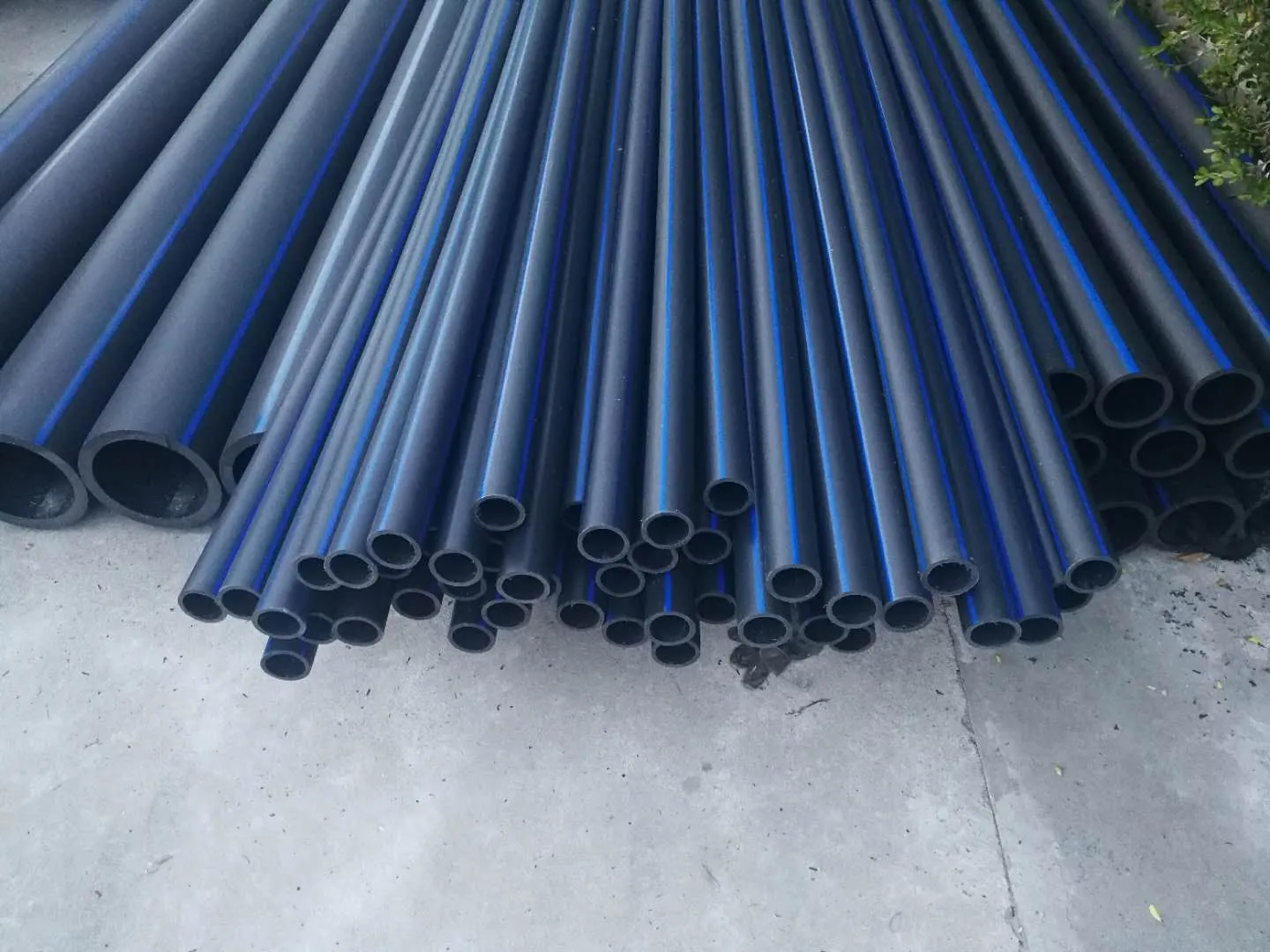
The primary material for HDPE drip irrigation systems is high-density polyethylene (HDPE), chosen for its excellent chemical resistance, flexibility, and cost-effectiveness. HDPE resin typically used conforms to standards like ASTM D1248, categorized by density (usually 0.941-0.965 g/cm³) and molecular weight distribution. The manufacturing process begins with the polymerization of ethylene, producing HDPE granules. These granules are then processed through extrusion, injection molding, and rotational molding, depending on the component being manufactured. Drip tape, the core element, is typically produced via flat die extrusion. Precise control of the extrusion temperature (180-250°C) and die geometry is vital to ensure uniform wall thickness and consistent emitter spacing. Emitters themselves, frequently incorporated directly into the tape during extrusion, can be manufactured through injection molding using polyethylene or polypropylene. A critical parameter is the carbon black content added to the HDPE resin – typically 2-5% – providing UV protection and enhancing durability. The degree of stabilization is verified via accelerated weathering tests (ASTM G154). Pipe and fittings are primarily made through extrusion, requiring careful control of screw speed, barrel temperature profile, and cooling rates. Fusion welding techniques (butt fusion, electrofusion) are commonly used to join HDPE pipes, ensuring a leak-proof and structurally sound connection. Raw material quality control focuses on melt flow index (ASTM D1238), oxidation induction time (ASTM D3682), and hydrostatic stress cracking resistance (HSCR) (ASTM D1928) to predict long-term performance.
Performance & Engineering
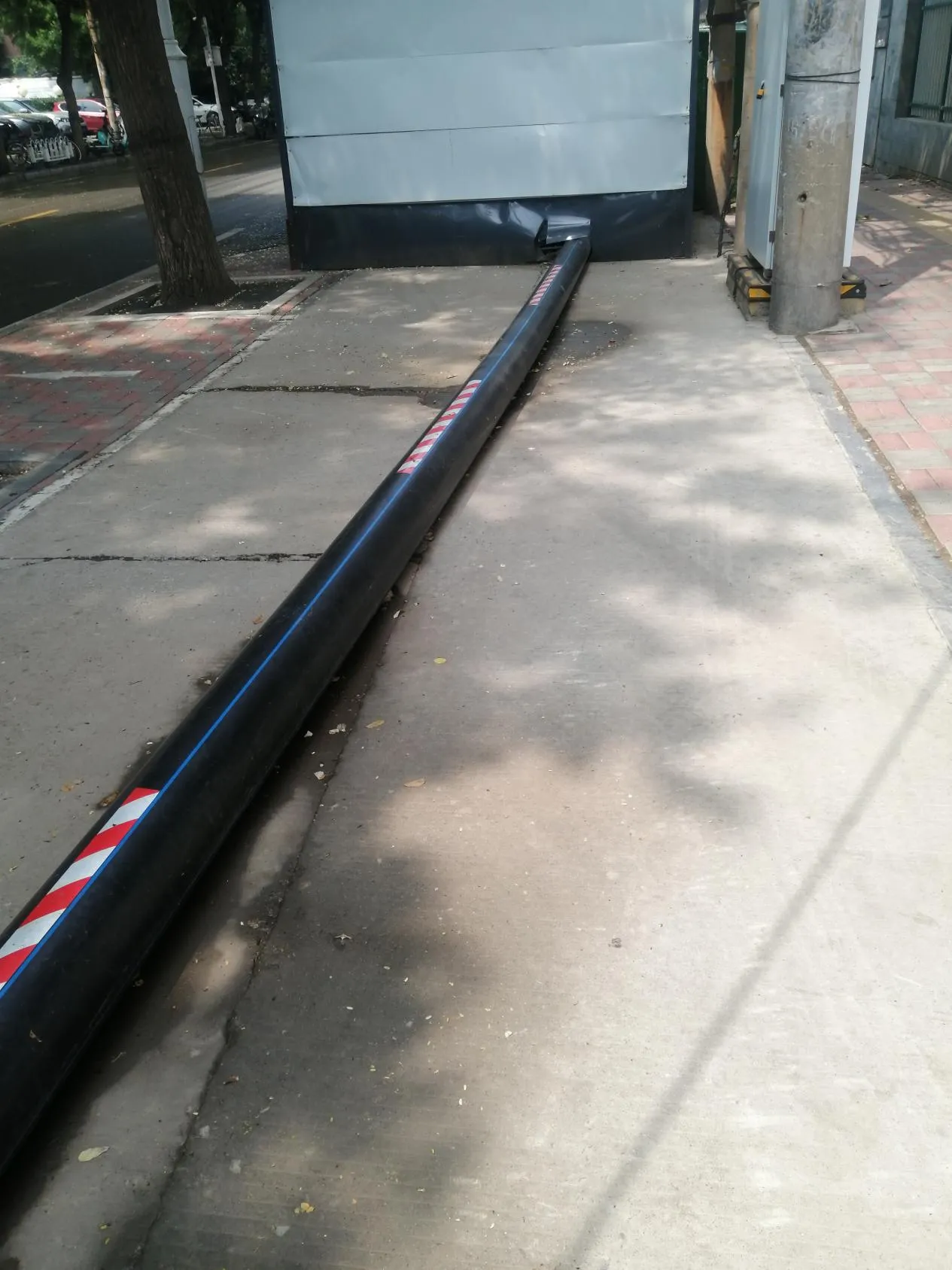
The performance of an HDPE drip irrigation system is fundamentally governed by hydraulic principles and material characteristics. Key engineering considerations include flow rate, pressure loss, emitter uniformity, and resistance to clogging. Flow rate is directly proportional to the water pressure and emitter size/configuration. Pressure loss is calculated using the Darcy-Weisbach equation, accounting for pipe diameter, length, and roughness. Emitter uniformity is assessed through the emitter flow variation (EFV) parameter, aiming for <5% variation. Hydraulic design must consider the terrain elevation changes, as these impact the required operating pressure. Furthermore, the system's resistance to tensile stress and bursting pressure is crucial. These are evaluated using hydrostatic burst pressure tests (ASTM D1597). Long-term performance is affected by UV exposure, temperature fluctuations, and soil chemistry. HDPE exhibits a relatively low coefficient of thermal expansion, minimizing dimensional changes with temperature variations. However, prolonged UV exposure can lead to polymer degradation, hence the importance of carbon black stabilization. Soil pH and salinity also play a role; highly acidic or alkaline conditions can accelerate degradation. The system must also withstand external loads, such as foot traffic and machinery, necessitating appropriate burial depth and pipe wall thickness. Compliance with local water quality standards is essential to prevent emitter clogging caused by particulate matter or biological growth.
Technical Specifications
| Parameter | Unit | Typical Value (China HDPE Drip Irrigation) | Testing Standard |
|---|---|---|---|
| Nominal Diameter | mm | 16, 20, 25, 32 | GB/T 3789.1-2008 |
| Wall Thickness | mm | 0.3 – 1.5 | GB/T 3789.1-2008 |
| Operating Pressure | kPa | 50 – 200 | ISO 9832-1:2017 |
| Burst Pressure | MPa | ≥ 1.25 (depending on diameter & SDR) | ASTM D1597 |
| Emitter Flow Rate | L/h | 2, 4, 8 | ISO 9832-2:2017 |
| Emitter Spacing | mm | 300, 500, 750 | Manufacturer Specification |
Failure Mode & Maintenance
HDPE drip irrigation systems are susceptible to several failure modes. The most common is emitter clogging, caused by particulate matter, mineral deposits (calcium carbonate), or biological growth (biofilm). Regular flushing of the system and the use of filters are essential preventative measures. Another prevalent failure mode is cracking due to UV degradation, particularly in areas with intense sunlight. While carbon black provides UV protection, prolonged exposure eventually leads to polymer chain scission. Pipe rupture can occur due to overpressure, mechanical damage (e.g., rodent attack), or stress cracking from soil movement. Joint failures, especially in welded connections, can result from improper welding techniques or material incompatibility. Delamination of the pipe wall can occur if the HDPE resin has insufficient oxidation induction time, leading to brittle failure. Maintenance should include regular visual inspections for leaks, cracks, and emitter clogging. Backflushing the system with clean water is recommended weekly. Filters should be cleaned or replaced regularly. Damaged sections should be repaired or replaced using compatible HDPE components and appropriate welding techniques. Periodic hydrostatic testing can identify weak points in the system before catastrophic failure occurs. Preventative maintenance programs, incorporating routine inspections and cleaning, significantly extend the service life of the system.
Industry FAQ
Q: What is the typical lifespan of a Chinese-manufactured HDPE drip irrigation system under normal operating conditions?
A: Generally, a well-maintained HDPE drip irrigation system in China can last between 5-10 years. Lifespan is heavily dependent on UV exposure levels, water quality, soil conditions, and the frequency of maintenance. Systems utilizing higher concentrations of carbon black and operating with filtered water will typically exhibit longer service lives.
Q: What level of water filtration is recommended for preventing emitter clogging?
A: A multi-stage filtration system is highly recommended. This typically includes a screen filter (120-150 mesh) to remove larger particles, followed by a media filter (sand or disc) to remove finer sediment and organic matter. For water with high biological activity, a chemical treatment (chlorination or bromine treatment) may be necessary.
Q: How does the SDR (Standard Dimension Ratio) affect the burst pressure of HDPE pipes?
A: The SDR is the ratio of pipe diameter to wall thickness. A lower SDR indicates a thicker wall and consequently a higher burst pressure. For drip irrigation, SDR values typically range from 17 to 26. Choosing an appropriate SDR is crucial for withstanding the operating pressure and external loads.
Q: What are the key considerations when selecting HDPE fittings for compatibility?
A: Ensure that the fittings are manufactured from HDPE material that is compatible with the pipe. Different HDPE grades have varying densities and melt flow indexes. Using incompatible fittings can lead to stress cracking or joint failure. Verify that the fittings meet relevant standards (e.g., ISO 15876).
Q: What preventative measures can be taken to mitigate UV degradation of the HDPE drip tape?
A: Beyond the carbon black stabilization during manufacturing, covering the drip tape with mulch or burying it at a sufficient depth (minimum 15cm) can significantly reduce UV exposure. Regular inspection for signs of cracking and timely replacement of damaged sections are also critical.
Conclusion
China’s HDPE drip irrigation systems offer a cost-effective and efficient solution for precision agriculture, but their performance and longevity depend critically on a thorough understanding of the underlying material science, manufacturing processes, and engineering principles. Careful consideration of factors like water quality, UV exposure, and proper installation techniques is paramount. The technical specifications outlined within this guide offer a baseline for evaluating system components and ensuring compatibility.
Looking ahead, advancements in HDPE resin formulation, incorporating enhanced UV stabilizers and improved resistance to stress cracking, will likely further extend the lifespan of these systems. Continued development of automated flushing and filtration technologies will also minimize emitter clogging and reduce maintenance requirements. Ultimately, the successful implementation of HDPE drip irrigation requires a holistic approach, combining robust system design with diligent maintenance practices.
-
DN25 HDPE Compression Fitting-HORON INTERNATIONAL|Reliable Irrigation Solutions
NewsFeb.11,2026
-
china long pvc pipe Performance Analysis
News2026-05-03
-
china plumbing kitchen sink water lines Performance Analysis
News2026-05-03
-
china hdpe drip irrigation Performance Analysis
News2026-05-03
-
china hot water ppr pipe Performance Analysis
News2026-05-03
-
china ppr plumbing Technical Analysis
News2026-05-03
-
china ppr pipe supplier Manufacturing Analysis
News2026-05-02
-
china 50mm ppr pipe Technical Analysis
News2026-05-02
-
china hdpe drip pipe Performance Analysis
News2026-05-02
-
china hdpe pipe 63mm price Performance Analysis
News2026-05-02
-
china hdpe pipe for potable water Performance Engineering
News2026-05-02
-
china pipe hdpe size Performance Analysis
News2026-05-01
-
china coupler for hdpe pipe Performance Analysis
News2026-05-01
-
china hdpe pipe coupler price Performance Analysis
News2026-05-01
-
china 1 ppr pipe Performance Analysis
News2026-05-01
-
china wet pipes under sink Performance Analysis
News2026-05-01