

Feb . 11, 2026 00:01 Back to list
china hdpe pipe 63mm price Performance Analysis
Introduction
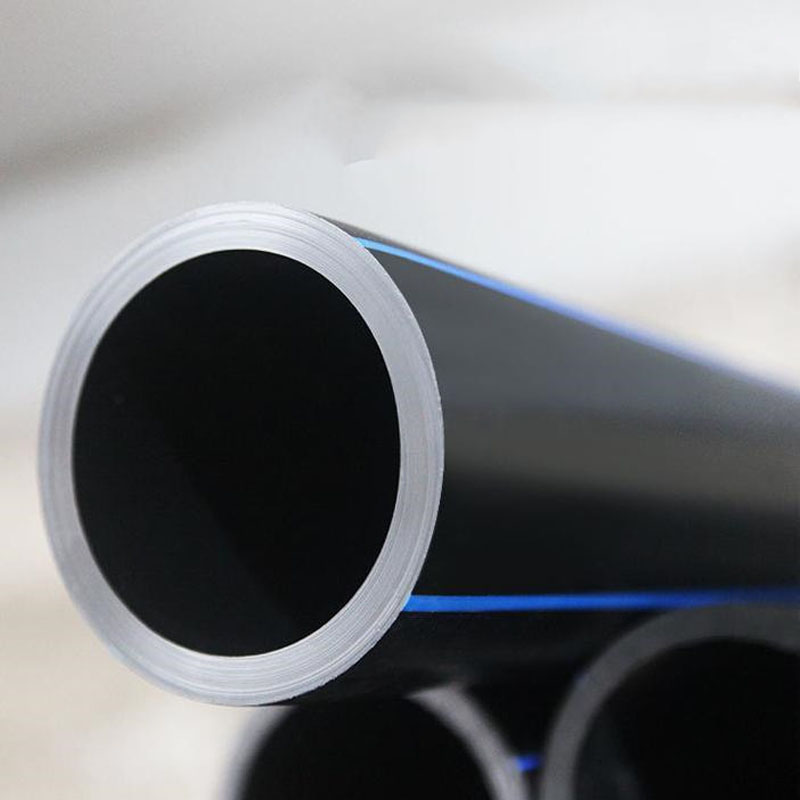
High-Density Polyethylene (HDPE) pipe, specifically the 63mm diameter variant commonly sourced from China, represents a crucial component in various fluid transfer systems. Positioned within the broader polyethylene (PE) pipe family, it offers a compelling balance of cost-effectiveness, durability, and chemical resistance. This guide provides an in-depth technical overview, encompassing material science, manufacturing processes, performance characteristics, failure modes, and industry standards, geared toward procurement managers and engineers evaluating HDPE pipe for projects requiring 63mm nominal diameter. The proliferation of Chinese-manufactured HDPE pipe has been driven by competitive pricing and increased production capacity, making understanding its technical nuances vital for ensuring system integrity and long-term performance. Key performance indicators include pressure rating (PN), hydrostatic design stress (SDR), and resistance to slow crack growth (SCG). Core applications include potable water distribution, irrigation, gas transportation, and drainage systems. The price point for 63mm HDPE pipe from China is often a primary driver for selection, but a holistic evaluation encompassing quality and compliance is paramount.
Material Science & Manufacturing
HDPE pipe derives its properties from the polymerization of ethylene. High-density polyethylene exhibits a linear structure with minimal branching, resulting in a crystalline morphology that contributes to its strength and rigidity. The raw material, typically sourced as HDPE resin grades (e.g., HDPE R100, HDPE R349), undergoes rigorous quality control to ensure consistent molecular weight distribution and density (typically 0.941 – 0.965 g/cm³). Manufacturing processes primarily involve extrusion. The HDPE resin is melted and forced through a circular die to form a continuous pipe. Critical parameters during extrusion include melt temperature (180-210°C), die pressure, and cooling rate. The cooling process, often utilizing water baths, dictates the crystallization rate and therefore affects the pipe’s long-term strength and dimensional stability. Pipe wall thickness is controlled by the die geometry and extrusion speed. Jointing methods include butt fusion, electrofusion, and mechanical fittings. Butt fusion involves heating the pipe ends and pressing them together, creating a homogeneous weld. Electrofusion utilizes resistive heating within a fitting to melt and fuse the pipe and fitting materials. Control of these parameters, particularly weld time and temperature, is critical to achieve joint integrity comparable to the base pipe material. The addition of carbon black is common to provide UV protection and enhance resistance to stress cracking.
Performance & Engineering
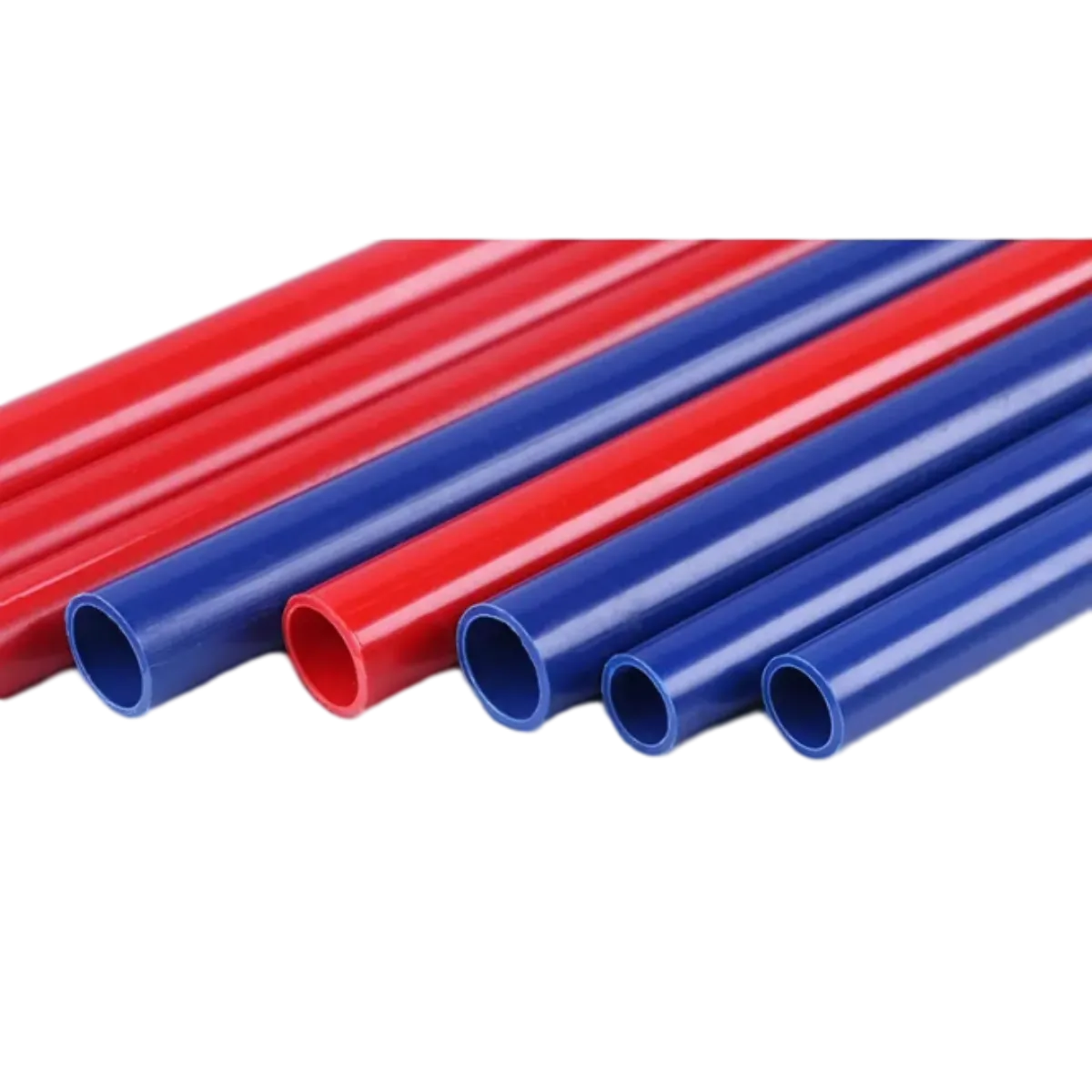
The performance of 63mm HDPE pipe is dictated by its ability to withstand internal pressure and external loads. Stress analysis based on Barlow’s formula is used to determine the allowable internal pressure based on pipe diameter, wall thickness, and material’s hoop strength. SDR (Standard Dimension Ratio) – the ratio of pipe diameter to wall thickness – is a key engineering parameter, directly impacting the pressure rating. Lower SDR values indicate thicker walls and higher pressure capabilities. External loads, such as soil loading during buried applications, require consideration of the pipe’s ring stiffness and the surrounding soil properties. Finite Element Analysis (FEA) is often employed to model complex loading scenarios and predict pipe deformation and stress distribution. Long-term performance is heavily influenced by creep resistance – the tendency of the pipe to deform slowly under sustained load. HDPE exhibits creep behavior, especially at elevated temperatures. Environmental stress cracking (ESC) represents a significant failure mechanism, accelerated by the presence of detergents, solvents, and other chemicals. Slow Crack Growth (SCG) is a specific type of ESC that initiates at stress concentrators (e.g., scratches, gouges) and propagates slowly over time. Compliance with relevant standards (e.g., EN 12201, ASTM D3261) ensures the pipe meets minimum performance requirements for specific applications and environmental conditions. Thermal expansion and contraction are also important engineering considerations, especially in long pipeline runs, requiring the implementation of expansion loops or joints.
Technical Specifications
| Parameter | Unit | Typical Value (China HDPE 63mm) | Testing Standard |
|---|---|---|---|
| Nominal Diameter | mm | 63 | ISO 4437 |
| SDR (Standard Dimension Ratio) | - | 17.6 | ASTM D3261 |
| Pressure Rating (PN) | bar | 10 | EN 12201 |
| Hydrostatic Design Stress (SDR) | MPa | 12.5 | ISO 1167 |
| Density | g/cm³ | 0.953 | ISO 1183 |
| Impact Strength (Charpy, 20°C) | kJ/m² | > 50 | ISO 148-2 |
Failure Mode & Maintenance
Common failure modes for 63mm HDPE pipe include: 1) Slow Crack Growth (SCG): Initiated by stress concentrators and exacerbated by exposure to aggressive chemicals. 2) Environmental Stress Cracking (ESC): Similar to SCG, but can occur without pre-existing stress concentrators, particularly in the presence of detergents. 3) UV Degradation: Prolonged exposure to ultraviolet radiation can lead to embrittlement and cracking, especially if the pipe lacks adequate carbon black stabilization. 4) Fatigue Cracking: Repeated pressure fluctuations or external bending stresses can induce fatigue cracks. 5) Joint Failure: Improperly fused or mechanically joined connections can fail due to inadequate weld strength or gasket failure. 6) Soil Settlement/Ground Movement: Excessive ground movement can impose stresses on buried pipe, leading to deformation or cracking. Maintenance involves regular visual inspections for cracks, leaks, and signs of deformation. Pressure testing can identify leaks. For SCG/ESC, preventative measures include avoiding exposure to aggressive chemicals and protecting the pipe from mechanical damage. UV degradation can be mitigated by painting or burying the pipe. For joint failures, repairs involve cutting out the damaged section and re-fusing or re-connecting with appropriate fittings. Regular monitoring of cathodic protection systems (if applicable) is essential for preventing corrosion in metallic components associated with the pipe system.
Industry FAQ
Q: What is the impact of different HDPE resin grades (e.g., R100 vs. R349) on the long-term performance of 63mm pipe?
A: HDPE R100 possesses a higher molecular weight and density compared to R349, resulting in superior creep resistance, impact strength, and SCG resistance. While R349 is often more cost-effective, R100 is preferred for critical applications demanding extended service life and resistance to higher stresses, particularly in pressure applications. The selection should be based on a thorough risk assessment considering operating conditions and anticipated loading.
Q: How does the welding procedure (butt fusion vs. electrofusion) affect the strength and reliability of the pipe joints?
A: Butt fusion generally creates a more homogeneous weld, offering higher tensile strength and creep resistance compared to electrofusion, provided proper parameters (temperature, pressure, cooling time) are meticulously controlled. Electrofusion is easier to implement in the field but relies on the fitting’s heating elements and can be more susceptible to parameter variations. Non-destructive testing (NDT) methods, such as visual inspection and ultrasonic testing, are crucial to verify weld integrity for both methods.
Q: What is the recommended minimum burial depth for 63mm HDPE pipe to protect against mechanical damage and UV exposure?
A: The recommended burial depth varies based on local regulations and soil conditions, but a minimum of 0.6 meters (2 feet) is generally advised to provide adequate protection. In areas with heavy traffic or potential for mechanical damage, a deeper burial depth or the use of protective layers (e.g., concrete encasement) is recommended. UV exposure should be avoided entirely through burial or application of UV-resistant coatings.
Q: What are the key considerations when specifying HDPE pipe for potable water applications to ensure compliance with health and safety regulations?
A: HDPE pipe must meet the requirements of NSF/ANSI 61 for potable water systems, ensuring that no harmful contaminants leach into the water supply. The pipe material should be virgin grade and free from recycled content that could compromise water quality. Regular disinfection procedures should be followed during installation and maintenance.
Q: How does temperature affect the performance of HDPE pipe, and what measures should be taken to mitigate potential issues related to thermal expansion and contraction?
A: HDPE experiences significant thermal expansion and contraction with temperature changes. This can induce stresses in the pipeline, potentially leading to joint failure or pipe deformation. Expansion loops, expansion joints, or flexible couplings should be incorporated into the design to accommodate these movements. The pipe's modulus of elasticity decreases with increasing temperature, reducing its ability to withstand external loads.
Conclusion
The 63mm HDPE pipe sourced from China presents a viable and cost-effective solution for diverse fluid transfer applications. However, achieving optimal performance and longevity requires a comprehensive understanding of its material properties, manufacturing processes, and potential failure modes. Prioritizing adherence to international standards, rigorous quality control during fabrication and installation, and implementing appropriate maintenance protocols are crucial for maximizing the return on investment. The selection of the appropriate HDPE resin grade (R100 vs. R349) should be dictated by the severity of the operating conditions and the desired service life.
Moving forward, advancements in HDPE formulation, particularly the incorporation of enhanced UV stabilizers and SCG inhibitors, will further improve the durability and reliability of these pipes. Continued research into non-destructive testing (NDT) techniques will also facilitate more effective inspection and maintenance strategies. By embracing a holistic, engineering-driven approach, stakeholders can leverage the benefits of Chinese-manufactured HDPE pipe while mitigating potential risks and ensuring long-term system integrity.
-
DN25 HDPE Compression Fitting-HORON INTERNATIONAL|Reliable Irrigation Solutions
NewsFeb.11,2026
-
china corrugated hdpe pipe fittings Performance Analysis
News2026-05-22
-
china ppr pipe for hot water Performance Analysis
News2026-05-22
-
china ppr Technical Performance Analysis
News2026-05-22
-
china corrugated dual wall pipe Performance Analysis
News2026-05-22
-
china sink inlet pipe Material Performance Analysis
News2026-05-22
-
china 1 2 inch pvc Performance Analysis
News2026-05-21
-
china hdpe pipe joint coupler Performance Analysis
News2026-05-21
-
china ppr pipes and fittings price list Technical Analysis
News2026-05-21
-
china 9 inch pvc pipe price Performance Analysis
News2026-05-21
-
china 2 inch borewell column pipe price Performance Engineering
News2026-05-21
-
china hdpe pipe suppliers Performance Analysis
News2026-05-20
-
china submersible pump column pipe Performance Engineering
News2026-05-20
-
china 8 hdpe corrugated pipe Manufacturing Analysis
News2026-05-20
-
china dual wall hdpe pipe Performance Analysis
News2026-05-20
-
china water lines under sink Performance Analysis
News2026-05-20