

Feb . 11, 2026 00:01 Back to list
china wet pipes under sink Performance Analysis
Introduction
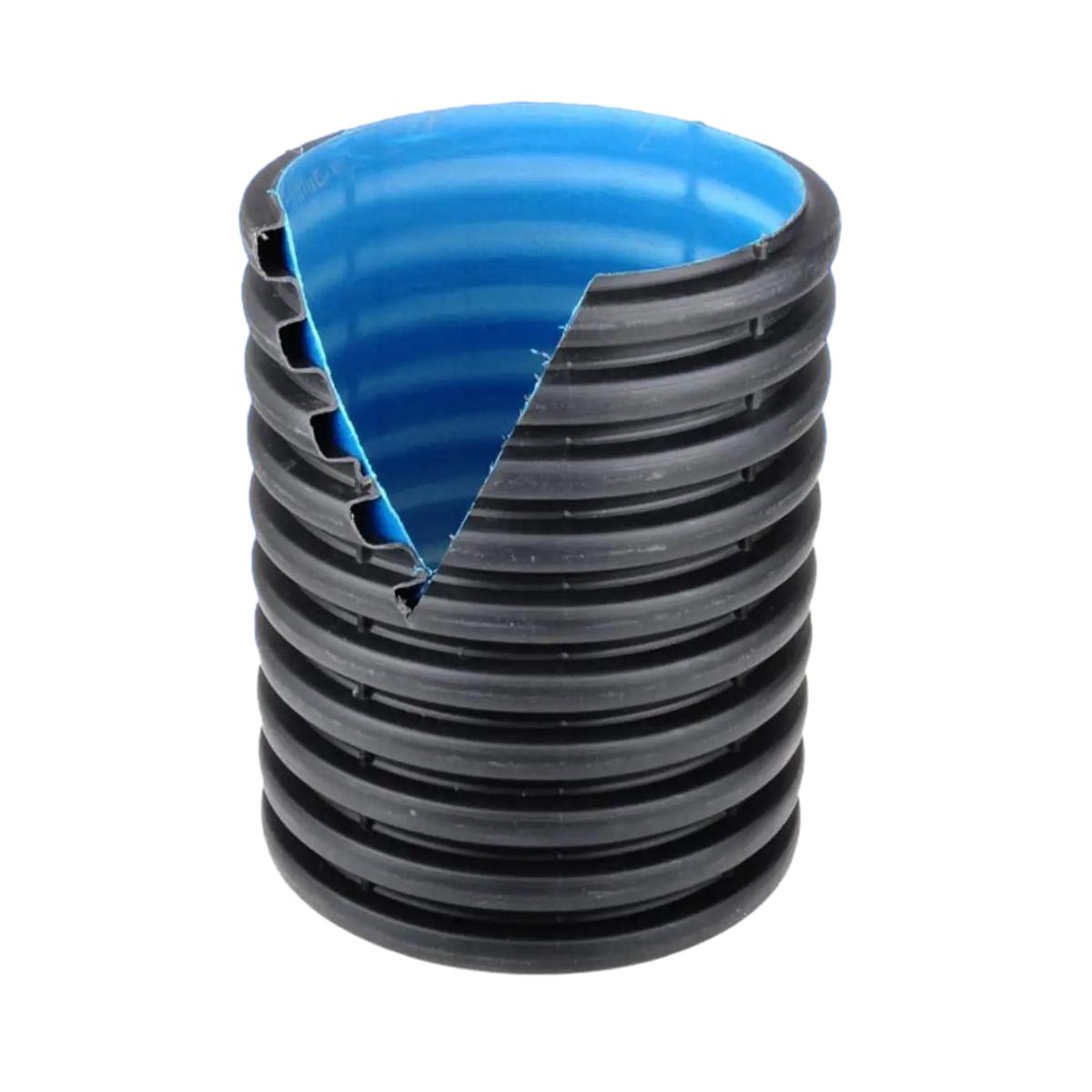
China wet pipes, commonly referred to as sink drain pipes, constitute a critical component in residential and commercial plumbing systems. These pipes facilitate the rapid and hygienic removal of wastewater from sinks, connecting the sink basin to the broader drainage network. Typically constructed from Polyvinyl Chloride (PVC), Polypropylene (PP), or increasingly, advanced thermoplastic elastomers, their efficacy is directly correlated to the prevention of water damage, sanitation, and overall plumbing system efficiency. The manufacturing of these pipes in China has become globally significant, driven by competitive pricing and expanding production capacity. This guide delves into the material science, manufacturing processes, performance characteristics, potential failure modes, and relevant standards pertaining to China wet pipes used under sinks. Understanding these aspects is crucial for procurement managers, engineers, and installers to ensure optimal performance, longevity, and compliance with industry regulations.
Material Science & Manufacturing
The primary material for China wet pipes under sinks is PVC, due to its cost-effectiveness and adequate chemical resistance. However, PP is gaining traction, offering higher temperature resistance. Increasingly, specialized formulations incorporating thermoplastic elastomers are employed for flexible connections and noise reduction. PVC resin, the base material, is a thermoplastic polymer derived from vinyl chloride monomer. Its properties—density (1.4 g/cm³), tensile strength (50-70 MPa), and elongation at break (150-300%)—are crucial for withstanding hydrostatic pressure and mechanical stresses. PP, with a density of 0.9 g/cm³, exhibits superior thermal stability, handling temperatures up to 90°C.
Manufacturing typically involves extrusion. PVC or PP granules are fed into an extruder where they are heated and plasticized. A die shapes the molten polymer into the desired pipe diameter and wall thickness. Critical parameters include melt temperature (180-220°C for PVC, 200-240°C for PP), screw speed, and die pressure. Precise control of these parameters is essential to maintain consistent dimensions and prevent defects like voids or surface imperfections. Post-extrusion, pipes undergo cooling (water baths), cutting to length, and quality control inspections. Increasingly, manufacturers employ injection molding for fittings such as P-traps and elbows, utilizing similar polymer types. The quality of the raw material, particularly the absence of plasticizers in PVC (phthalates), impacts long-term durability and resistance to chemical degradation. Specialized formulations incorporating UV stabilizers are used for applications exposed to sunlight.
Performance & Engineering
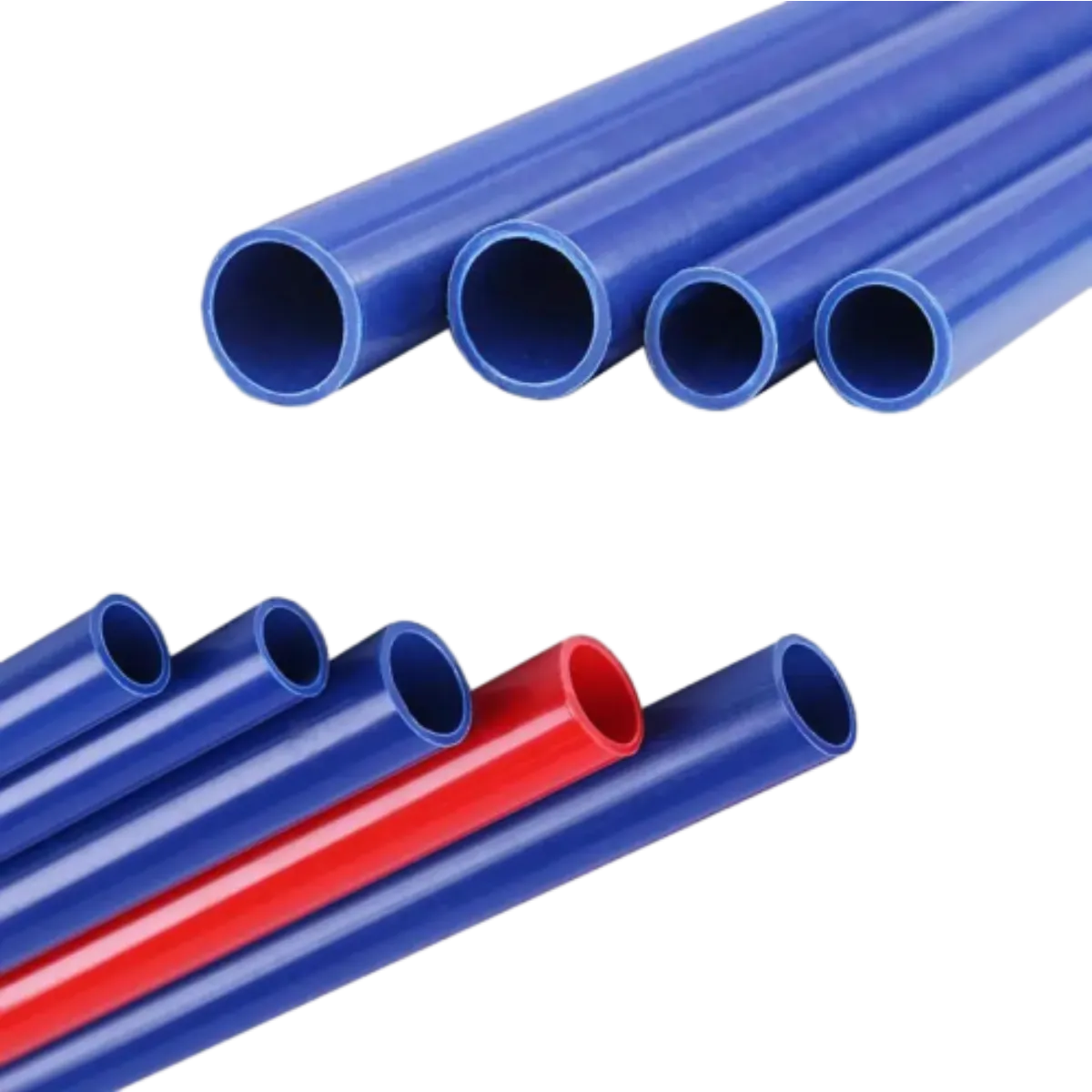
The performance of wet pipes is governed by hydrostatic pressure resistance, chemical compatibility with common household chemicals (detergents, bleach, drain cleaners), and mechanical strength to withstand impacts and vibrations. Hydrostatic pressure testing is critical, typically conducted to 1.5 times the maximum working pressure. The pipe’s ability to maintain dimensional stability under varying temperatures is also crucial to prevent leaks at joints. Chemical resistance is evaluated by immersing pipe samples in various chemical solutions and monitoring for swelling, cracking, or degradation. The compatibility of the materials with cleaning agents containing sodium hypochlorite (bleach) and sulfuric acid (drain cleaners) is paramount.
Engineering considerations involve stress analysis of the entire drain system, accounting for the weight of water, potential blockage scenarios, and external loads. The P-trap is a vital component, creating a water seal to prevent sewer gases from entering the building. Its design must ensure efficient drainage while maintaining a sufficient water volume to effectively block gas transmission. The slope of the drain line is another key factor, typically requiring a minimum 2% gradient to ensure gravity-driven flow. Material selection also impacts noise transmission; PP and thermoplastic elastomers exhibit better sound dampening properties than rigid PVC. The connection method – solvent welding for PVC, or mechanical fittings – must be carefully considered to ensure a leak-proof seal that can withstand long-term stress.
Technical Specifications
| Parameter | PVC (Standard Grade) | PP (Homopolymer) | Thermoplastic Elastomer (TPE) | Unit |
|---|---|---|---|---|
| Nominal Diameter | 32, 40, 50 mm | 32, 40, 50 mm | 25, 32, 40 mm | mm |
| Wall Thickness | 1.6 - 2.5 mm | 1.8 - 3.0 mm | 1.5 - 2.0 mm | mm |
| Hydrostatic Pressure | ≥ 0.5 MPa | ≥ 0.7 MPa | ≥ 0.4 MPa | MPa |
| Tensile Strength | 55-65 MPa | 30-40 MPa | 15-25 MPa | MPa |
| Elongation at Break | 200-300% | 100-200% | 300-500% | % |
| Operating Temperature Range | 0 – 60°C | 0 – 90°C | -20 – 80°C | °C |
Failure Mode & Maintenance
Common failure modes for China wet pipes include cracking due to stress concentration (often at joints or fittings), deformation caused by prolonged exposure to high temperatures (particularly PVC), and chemical degradation from aggressive cleaning agents. Fatigue cracking can occur from repeated mechanical stress, especially in systems subjected to vibrations. Delamination can also occur if improper solvent welding techniques are used with PVC. Oxidation can lead to material embrittlement over time, reducing the pipe’s impact resistance. Blockages, caused by hair, grease, or debris, are a frequent issue that can lead to increased pressure and potential leaks.
Preventative maintenance involves regular flushing of the drain system with hot water and enzymatic cleaners to prevent buildup. Avoid pouring grease or oil down the drain. Periodic visual inspections of exposed pipes and fittings should be conducted to identify cracks, deformations, or signs of corrosion. Leaks should be repaired immediately by replacing damaged sections of pipe or fittings. For PVC pipes, proper solvent welding techniques are crucial: ensuring clean surfaces, applying primer appropriately, and allowing sufficient curing time. Consider using strainers in sink basins to prevent large debris from entering the drain system. When using chemical drain cleaners, follow the manufacturer’s instructions carefully and avoid prolonged exposure.
Industry FAQ
Q: What is the impact of water hardness on the lifespan of PVC wet pipes?
A: High water hardness, characterized by significant calcium and magnesium content, can lead to scale buildup inside the pipes. This reduces the effective flow area, increasing pressure and potentially causing blockages. Over time, scale deposition can also contribute to localized corrosion and weakening of the PVC material, reducing the lifespan of the pipe.
Q: Are there any specific chemical cleaning agents that should be avoided with PP wet pipes?
A: While PP has good chemical resistance, prolonged exposure to strong oxidizing agents, such as concentrated nitric acid or strong peroxides, should be avoided. These chemicals can cause degradation of the PP material, leading to cracking or embrittlement. Always check the chemical compatibility chart provided by the PP pipe manufacturer.
Q: What are the advantages of using TPE for flexible connections in wet pipe systems?
A: TPE offers superior flexibility and resilience compared to PVC or PP, making it ideal for connections that are subject to movement or vibration. It also exhibits excellent noise dampening properties, reducing the transmission of water flow sounds. TPE is inherently more resistant to cracking and fatigue failure than rigid plastics.
Q: How do I ensure a proper solvent weld for PVC wet pipes?
A: Proper solvent welding requires clean, dry surfaces. Use a PVC primer to soften the pipe and fitting surfaces before applying the solvent cement. Apply the cement evenly and avoid excessive amounts. Immediately join the pipe and fitting, ensuring proper alignment, and hold firmly for 30-60 seconds to allow for initial bonding. Allow sufficient curing time (typically 24 hours) before subjecting the joint to pressure.
Q: What is the typical lifespan of a well-maintained PVC wet pipe system in a residential setting?
A: A well-maintained PVC wet pipe system in a residential setting typically has a lifespan of 20-30 years. However, factors such as water quality, chemical exposure, and installation quality can significantly affect this lifespan. Regular inspections and preventative maintenance can extend the service life considerably.
Conclusion
China wet pipes, essential components of modern plumbing, demand careful consideration of material properties, manufacturing processes, and performance characteristics. The selection between PVC, PP, and TPE hinges on the application's specific requirements, with PVC remaining dominant due to cost-effectiveness, while PP and TPE offer advantages in thermal resistance and flexibility, respectively. Understanding potential failure modes – including cracking, deformation, and chemical degradation – is paramount for implementing effective preventative maintenance strategies, thereby ensuring the longevity and reliability of these critical plumbing systems.
Future trends are likely to focus on the development of more sustainable and environmentally friendly materials, as well as advancements in pipe joining technologies to further enhance leak-proof performance and reduce installation time. The increasing demand for noise reduction in residential and commercial buildings will also drive the adoption of TPE and other sound-dampening materials. Continuous improvement in quality control and adherence to international standards will be essential for maintaining the competitiveness of China’s wet pipe manufacturing sector.
-
DN25 HDPE Compression Fitting-HORON INTERNATIONAL|Reliable Irrigation Solutions
NewsFeb.11,2026
-
china corrugated hdpe pipe fittings Performance Analysis
News2026-05-22
-
china ppr pipe for hot water Performance Analysis
News2026-05-22
-
china ppr Technical Performance Analysis
News2026-05-22
-
china corrugated dual wall pipe Performance Analysis
News2026-05-22
-
china sink inlet pipe Material Performance Analysis
News2026-05-22
-
china 1 2 inch pvc Performance Analysis
News2026-05-21
-
china hdpe pipe joint coupler Performance Analysis
News2026-05-21
-
china ppr pipes and fittings price list Technical Analysis
News2026-05-21
-
china 9 inch pvc pipe price Performance Analysis
News2026-05-21
-
china 2 inch borewell column pipe price Performance Engineering
News2026-05-21
-
china hdpe pipe suppliers Performance Analysis
News2026-05-20
-
china submersible pump column pipe Performance Engineering
News2026-05-20
-
china 8 hdpe corrugated pipe Manufacturing Analysis
News2026-05-20
-
china dual wall hdpe pipe Performance Analysis
News2026-05-20
-
china water lines under sink Performance Analysis
News2026-05-20