

Feb . 11, 2026 00:01 Back to list
china pipe hdpe size Performance Analysis
Introduction
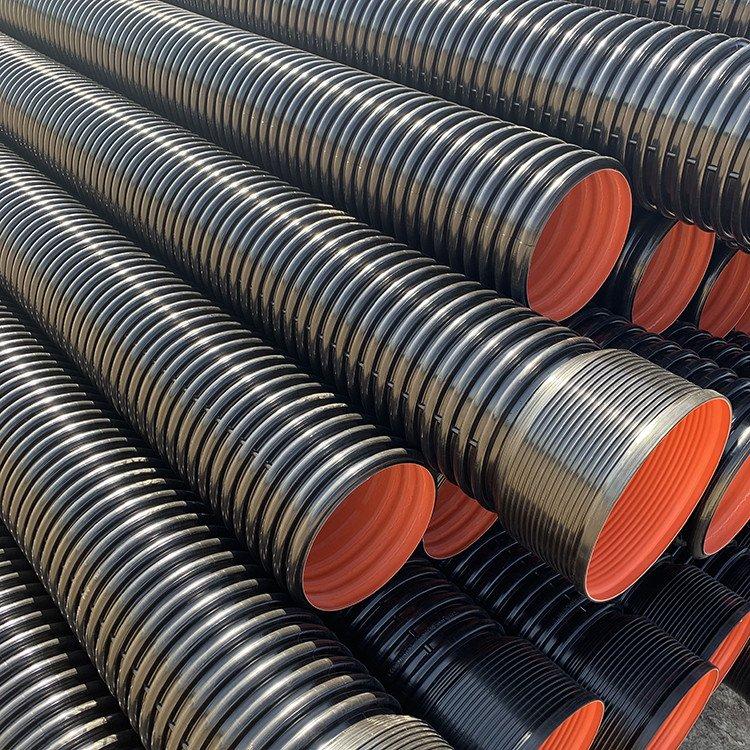
High-Density Polyethylene (HDPE) pipe, manufactured in China, represents a significant component of modern infrastructure, particularly in fluid and gas transmission. Positioned within the piping industry chain as a cost-effective and durable alternative to traditional materials like steel and concrete, HDPE pipe has gained prominence due to its corrosion resistance, flexibility, and ease of installation. This technical guide will provide an in-depth exploration of HDPE pipe, covering material science, manufacturing processes, performance characteristics, potential failure modes, and relevant industry standards. Core performance attributes include pressure capacity, long-term hydrostatic strength (LTHS), slow crack growth resistance, and resistance to chemical degradation. A key industry pain point centers around ensuring consistent quality control in large-scale Chinese production to meet international standards and project-specific requirements, particularly concerning material traceability and weld integrity.
Material Science & Manufacturing
HDPE pipe is produced from polyethylene resin, a thermoplastic polymer derived from the polymerization of ethylene. The raw material’s density, typically ranging from 0.93 to 0.97 g/cm³, dictates its mechanical properties. Higher density translates to increased strength and rigidity. Key raw material characteristics include Molecular Weight Distribution (MWD), melt flow index (MFI), and the presence of additives like carbon black for UV protection and antioxidants for thermal stability. Manufacturing typically employs extrusion processes. In this process, polyethylene granules are heated and forced through a die to create a continuous pipe profile. Critical parameters include die temperature (typically between 190°C and 210°C), extrusion speed, and cooling rate. Pipe dimensions are controlled by precise die geometry and calibration sleeves. For larger diameter pipes, co-extrusion may be used to create a multi-layered structure, often with a black outer layer for UV protection and a colored inner layer for identification purposes. Fusion welding, specifically butt fusion, is the predominant joining method, requiring precise temperature control (typically between 130°C and 180°C depending on the HDPE grade and pipe size) and pressure to ensure a homogenous weld bead. Quality control necessitates rigorous testing of raw material properties and weld strength, often using hydraulic pressure testing to verify joint integrity.
Performance & Engineering
The performance of HDPE pipe is governed by several engineering principles. Hoop stress analysis, based on the Barlow formula (σ = PD/2t, where σ is hoop stress, P is internal pressure, D is diameter, and t is wall thickness), dictates the pipe’s ability to withstand internal pressure. The long-term hydrostatic strength (LTHS) is a critical design parameter, determined through hydrostatic stress cracking tests as per ISO 11679, accounting for the effects of sustained pressure and temperature over the pipe’s service life. HDPE exhibits ductile behavior, allowing for some degree of deformation before failure. However, slow crack growth (SCG), particularly under sustained tensile stress, is a primary concern. This is mitigated by using properly formulated HDPE grades with high molecular weight and incorporating stress-relieving features in the pipe design. Buried HDPE pipe is subject to external loads from soil overburden and traffic. Engineering calculations must account for these loads to prevent pipe buckling and deformation. The pipe's flexibility allows it to accommodate ground movement and thermal expansion/contraction. Compliance with regional regulations, such as those pertaining to potable water safety (NSF/ANSI 61) and gas transmission (DOT regulations in the US), is paramount. Electromagnetic interference (EMI) is typically not a significant issue for HDPE, although grounding considerations may be necessary in specific applications.
Technical Specifications
| Parameter | Unit | Typical Value (DN/ID 110mm, SDR 17) | Testing Standard |
|---|---|---|---|
| Outside Diameter | mm | 126 | ISO 4437 |
| Inside Diameter | mm | 110 | ISO 4437 |
| Wall Thickness | mm | 8 | ISO 4437 |
| SDR (Standard Dimension Ratio) | - | 17 | ISO 4437 |
| Pressure Rating (PN) | bar | 16 | ISO 4437 |
| Long-Term Hydrostatic Strength (LTHS) | bar | 12.5 | ISO 11679 |
Failure Mode & Maintenance
HDPE pipe failures can manifest in several ways. Slow Crack Growth (SCG) is a prevalent issue, initiated by tensile stress concentrations at imperfections or weld defects. Environmental Stress Cracking (ESC) can occur due to exposure to aggressive chemicals or prolonged UV radiation. Fatigue cracking can develop under cyclic loading conditions, such as those experienced in earthquake-prone areas or from heavy traffic vibrations. Oxidation can degrade the polymer matrix over time, reducing its mechanical properties. Joint failures are common, often stemming from improper welding techniques, inadequate surface preparation, or contamination during the welding process. Maintenance primarily involves regular inspections for visual defects (cracks, deformation, discoloration). Leak detection surveys using acoustic monitoring or tracer gas methods can identify hidden leaks. For repairs, mechanical couplings or saddle fittings are often used. For significant damage, complete pipe replacement may be necessary. Preventative maintenance includes protecting the pipe from direct sunlight with appropriate burial depth or UV-resistant coatings, and ensuring proper jointing procedures are followed during installation. Regular pressure testing of sections of the pipeline can proactively identify areas of weakness. Comprehensive record-keeping of installation details, material certifications, and maintenance activities is crucial for long-term performance assessment.
Industry FAQ
Q: What is the significance of SDR (Standard Dimension Ratio) in HDPE pipe selection?
A: SDR is the ratio of a pipe’s outside diameter to its wall thickness. A lower SDR indicates a thicker wall and, consequently, a higher pressure rating. Selecting the appropriate SDR is critical to ensure the pipe can withstand the operating pressure and external loads of the application. Higher SDR values are suitable for lower-pressure applications, while lower SDR values are required for higher-pressure systems.
Q: How does the quality of butt fusion welds impact the long-term performance of HDPE pipe?
A: Butt fusion welds are the weakest link in an HDPE pipeline system if not performed correctly. Inadequate heating, improper pressure, or contamination can lead to incomplete fusion and create stress concentrations, making the weld susceptible to SCG. Strict adherence to welding procedures (DVS 2208 being a common standard) and thorough weld inspection (visual inspection and non-destructive testing like radiography) are crucial.
Q: What are the key considerations for HDPE pipe installation in cold weather?
A: Cold temperatures increase the brittleness of HDPE, making it more susceptible to cracking during handling and installation. Pre-heating the pipe to a safe temperature is essential, and ensuring proper fusion welding parameters are adjusted for the ambient temperature is critical. Protecting the pipe from freezing temperatures after installation is also important.
Q: What is the impact of UV exposure on HDPE pipe and how can it be mitigated?
A: Prolonged exposure to UV radiation can cause oxidative degradation of the HDPE polymer, leading to embrittlement and reduced mechanical properties. Using carbon black as an additive provides UV protection, but even with additives, long-term exposure is detrimental. Protecting the pipe with adequate burial depth, applying UV-resistant coatings, or using shielded installation methods are effective mitigation strategies.
Q: How does the choice of HDPE grade (PE80, PE100) affect performance?
A: PE100 offers significantly higher resistance to SCG and improved long-term strength compared to PE80. While PE80 may be suitable for lower-pressure applications, PE100 is generally preferred for more demanding applications and offers a longer service life. The choice should be based on the specific application requirements and applicable standards.
Conclusion
HDPE pipe manufactured in China offers a compelling solution for a wide range of fluid and gas transmission applications, driven by its durability, corrosion resistance, and cost-effectiveness. Successful implementation, however, hinges on a thorough understanding of the material science, manufacturing processes, and potential failure modes. Consistent quality control, adherence to international standards, and proper installation practices are paramount to ensuring long-term performance and mitigating risks associated with SCG and joint failures.
Moving forward, advancements in HDPE resin formulations, improved welding techniques, and the implementation of robust quality assurance systems will further enhance the reliability and lifespan of these critical infrastructure components. Proactive monitoring, regular inspections, and adherence to preventative maintenance schedules are crucial for maximizing the return on investment and minimizing the environmental impact of HDPE pipeline systems.
-
DN25 HDPE Compression Fitting-HORON INTERNATIONAL|Reliable Irrigation Solutions
NewsFeb.11,2026
-
china corrugated hdpe pipe fittings Performance Analysis
News2026-05-22
-
china ppr pipe for hot water Performance Analysis
News2026-05-22
-
china ppr Technical Performance Analysis
News2026-05-22
-
china corrugated dual wall pipe Performance Analysis
News2026-05-22
-
china sink inlet pipe Material Performance Analysis
News2026-05-22
-
china 1 2 inch pvc Performance Analysis
News2026-05-21
-
china hdpe pipe joint coupler Performance Analysis
News2026-05-21
-
china ppr pipes and fittings price list Technical Analysis
News2026-05-21
-
china 9 inch pvc pipe price Performance Analysis
News2026-05-21
-
china 2 inch borewell column pipe price Performance Engineering
News2026-05-21
-
china hdpe pipe suppliers Performance Analysis
News2026-05-20
-
china submersible pump column pipe Performance Engineering
News2026-05-20
-
china 8 hdpe corrugated pipe Manufacturing Analysis
News2026-05-20
-
china dual wall hdpe pipe Performance Analysis
News2026-05-20
-
china water lines under sink Performance Analysis
News2026-05-20