

Feb . 11, 2026 00:01 Back to list
china 12 inch pvc pipe 20 ft price Performance Analysis
Introduction
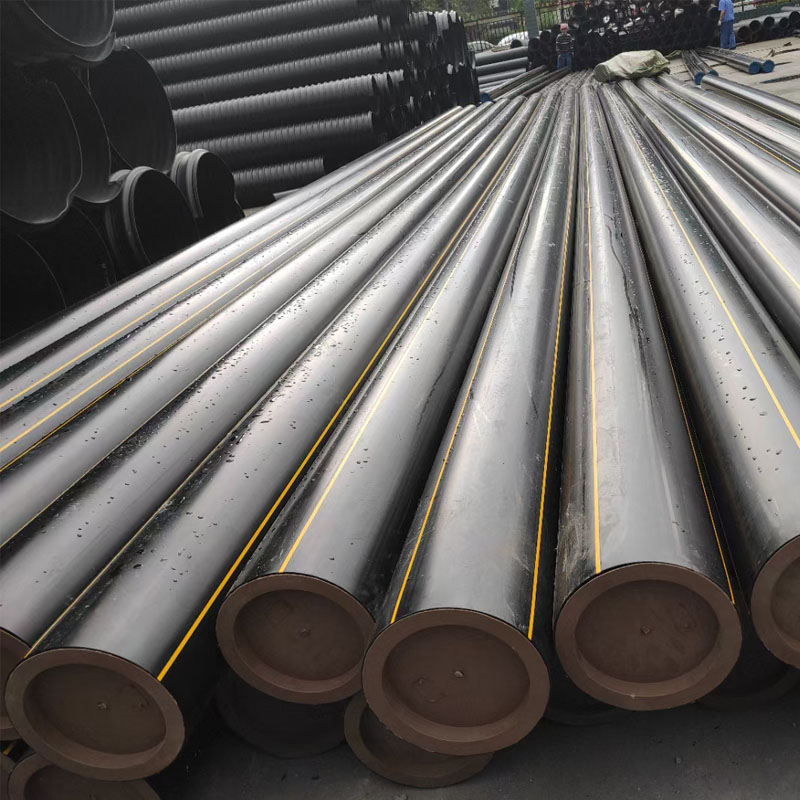
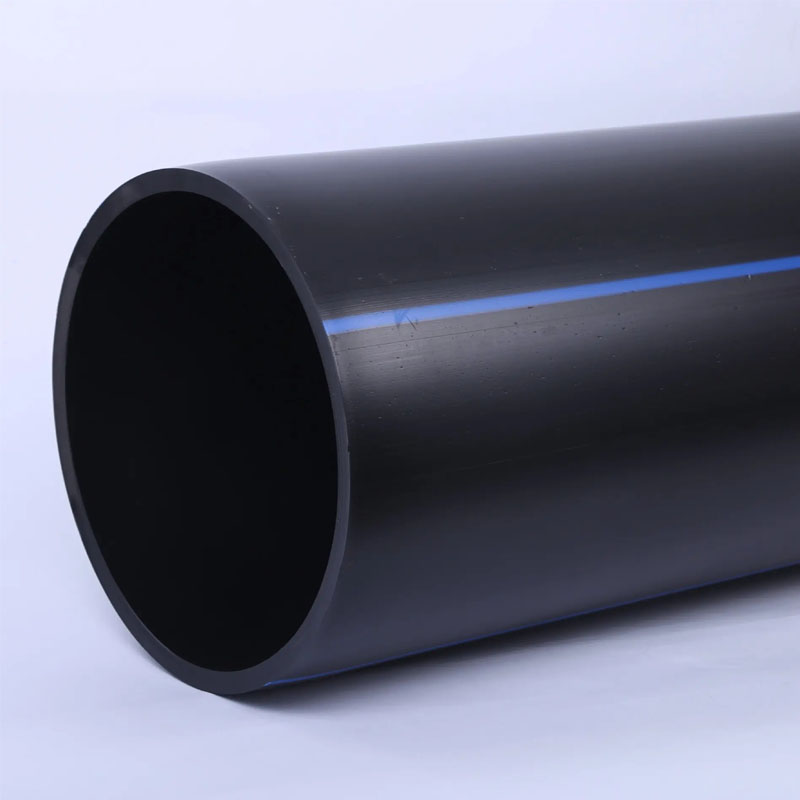
Polyvinyl chloride (PVC) pipe, specifically 12-inch diameter pipes supplied in 20-foot lengths, represents a foundational component in modern infrastructure. This technical guide details the characteristics, manufacturing processes, performance metrics, failure modes, and industry standards relevant to this widely-used product. The “china 12 inch pvc pipe 20 ft price” designation typically indicates sourcing from manufacturers in China, impacting cost considerations and necessitating an understanding of international quality control protocols. PVC’s primary role within the broader construction and fluid-handling industries stems from its corrosion resistance, low cost, and ease of installation. This guide targets engineers, procurement managers, and quality control personnel involved in specifying, utilizing, and maintaining PVC piping systems, focusing on the nuances critical for long-term reliability and compliance.
Material Science & Manufacturing
The primary raw material for 12-inch PVC pipe is polyvinyl chloride resin, a thermoplastic polymer produced through the polymerization of vinyl chloride monomer (VCM). Compounding the PVC resin with plasticizers (typically phthalates or alternatives), stabilizers (often based on tin or calcium-zinc), lubricants, and impact modifiers is crucial to achieving desired mechanical properties and processing characteristics. The selection and proportion of these additives dictate the pipe’s flexibility, resistance to degradation from UV exposure and temperature fluctuations, and long-term durability.
Manufacturing typically involves extrusion. PVC compound is fed into a single-screw or twin-screw extruder, where it’s heated and homogenized. The molten PVC is then forced through a die, shaping it into a continuous tube. Precise control of extrusion temperature (typically 180-220°C) and screw speed are essential to ensure consistent wall thickness and dimensional accuracy. Cooling occurs via water baths, followed by precise cutting to 20-foot lengths. A key manufacturing parameter is the Degree of Polymerization (DP), impacting molecular weight and mechanical strength. Hydrostatic pressure testing is a critical quality control step, verifying the pipe’s ability to withstand internal pressure without failure. The production of schedule 40 and schedule 80 PVC pipes involves different die geometries, resulting in varying wall thicknesses and pressure ratings. Filament winding reinforcement is employed for larger diameter pipes exceeding 12 inches, enhancing structural integrity.
Performance & Engineering
The performance of 12-inch PVC pipe is governed by several engineering principles. Hoop stress analysis is critical in determining the pipe’s capacity to withstand internal pressure. The Barlow’s formula (σ = (P D) / (2 t)) relates hoop stress (σ) to internal pressure (P), pipe diameter (D), and wall thickness (t). The material’s yield strength must exceed the calculated hoop stress to prevent failure. Soil loading, particularly in buried applications, introduces external stresses that must be considered. The pipe’s ability to withstand bending moments from soil settlement or traffic loads is determined by its flexural modulus. Thermal expansion and contraction, influenced by temperature changes, require careful consideration in system design. Expansion joints or flexible couplings are often incorporated to accommodate these dimensional changes and prevent stress buildup. Chemical resistance is a significant performance attribute; PVC exhibits good resistance to most acids, bases, and salts, however, prolonged exposure to aromatic hydrocarbons and chlorinated solvents can lead to degradation. Long-term creep behavior, the time-dependent deformation under sustained load, is a critical factor in assessing the pipe’s service life. The impact of UV radiation on PVC’s mechanical properties necessitates the use of UV stabilizers, especially in exposed applications.
Technical Specifications
| Parameter | Schedule 40 (Imperial Units) | Schedule 80 (Imperial Units) | Metric Equivalent (Schedule 40) |
|---|---|---|---|
| Nominal Pipe Size (NPS) | 12 inches | 12 inches | 323.85 mm |
| Outside Diameter (OD) | 12.625 inches | 12.625 inches | 320.65 mm |
| Wall Thickness | 0.154 inches | 0.218 inches | 3.91 mm |
| Pressure Rating (at 73°F) | 400 psi | 600 psi | 2.76 MPa |
| Weight per Foot | 1.83 lbs | 2.56 lbs | 2.75 kg/m |
| Flexural Modulus | ~400,000 psi | ~400,000 psi | ~2.76 GPa |
Failure Mode & Maintenance
Common failure modes for 12-inch PVC pipe include brittle fracture, particularly at low temperatures or due to impact loads. Slow crack growth (SCG), induced by sustained tensile stress in the presence of certain chemicals, is a significant concern. Environmental stress cracking (ESC) results from the combined effect of stress and chemical exposure. UV degradation can cause embrittlement and discoloration, reducing mechanical properties. Joint failures can occur due to improper solvent welding or gasket selection. Ground movement and excessive soil loading can lead to pipe cracking or deformation.
Preventative maintenance includes regular visual inspections for cracks, discoloration, or joint leakage. Pressure testing should be conducted periodically to verify system integrity. Proper backfilling and soil compaction are essential to prevent excessive external loads. Protecting exposed pipe from UV radiation with coatings or shielding is recommended. Avoiding the use of incompatible solvents or chemicals in the vicinity of the pipe is critical. For solvent-welded joints, ensure proper surface preparation, solvent application, and curing time. Replacement of damaged sections should adhere to manufacturer’s specifications and relevant industry standards. Periodic cathodic protection surveys might be necessary in corrosive soil environments.
Industry FAQ
Q: What is the impact of temperature on the long-term performance of PVC pipe?
A: Elevated temperatures accelerate the degradation of PVC, reducing its long-term strength and increasing creep rates. Lower temperatures can induce brittleness, increasing the risk of fracture under impact. Design considerations must account for the expected operating temperature range, and appropriate derating factors should be applied to pressure ratings.
Q: How does the quality of solvent cement affect the integrity of PVC pipe joints?
A: The quality of solvent cement is paramount. Using a cement not specifically designed for PVC, or an expired product, will result in a weak, unreliable joint. Proper application technique – including correct surface preparation, cement application, and curing time – is equally critical. Ensure the solvent cement is compatible with the specific PVC formulation used in the pipe.
Q: What are the considerations for installing PVC pipe in areas with seismic activity?
A: In seismically active regions, flexible joints and couplings should be used to accommodate ground movement and prevent stress buildup. Proper anchoring of the pipe is essential to prevent displacement. The pipe’s ability to withstand bending moments from seismic forces must be evaluated, and appropriate reinforcement may be required. Soil conditions and their impact on seismic wave propagation should also be considered.
Q: Can PVC pipe be used for potable water applications, and are there specific requirements?
A: Yes, PVC pipe is widely used for potable water distribution. However, it must meet NSF/ANSI Standard 61, which certifies that the material does not leach harmful contaminants into the water. The PVC formulation must be approved for potable water contact, and proper installation practices are crucial to prevent contamination.
Q: What is the difference between Schedule 40 and Schedule 80 PVC pipe, and when should each be used?
A: Schedule 80 PVC pipe has a thicker wall than Schedule 40, resulting in a higher pressure rating and greater resistance to impact. Schedule 40 is typically used for lower-pressure applications, such as irrigation or drainage, while Schedule 80 is preferred for higher-pressure systems, such as industrial process piping or water mains. Selection depends on the operating pressure, fluid temperature, and external load requirements.
Conclusion
The 12-inch PVC pipe, as a mainstay in fluid transport infrastructure, demands a comprehensive understanding of its material science, manufacturing processes, and performance characteristics. Proper material selection, adherence to stringent manufacturing controls, and careful consideration of environmental and operational factors are crucial for ensuring long-term reliability and minimizing the risk of failure. The “china 12 inch pvc pipe 20 ft price” offering, while economically attractive, requires rigorous quality assurance protocols to validate compliance with international standards.
Future developments in PVC technology are focused on enhancing impact resistance, improving UV stability, and reducing the reliance on phthalate plasticizers. Advancements in extrusion techniques and quality control methodologies will continue to refine the performance and longevity of PVC piping systems. A proactive approach to maintenance, incorporating regular inspections and timely repairs, is essential for maximizing the service life of this critical infrastructure component and minimizing lifecycle costs.
-
DN25 HDPE Compression Fitting-HORON INTERNATIONAL|Reliable Irrigation Solutions
NewsFeb.11,2026
-
china corrugated hdpe pipe fittings Performance Analysis
News2026-05-22
-
china ppr pipe for hot water Performance Analysis
News2026-05-22
-
china ppr Technical Performance Analysis
News2026-05-22
-
china corrugated dual wall pipe Performance Analysis
News2026-05-22
-
china sink inlet pipe Material Performance Analysis
News2026-05-22
-
china 1 2 inch pvc Performance Analysis
News2026-05-21
-
china hdpe pipe joint coupler Performance Analysis
News2026-05-21
-
china ppr pipes and fittings price list Technical Analysis
News2026-05-21
-
china 9 inch pvc pipe price Performance Analysis
News2026-05-21
-
china 2 inch borewell column pipe price Performance Engineering
News2026-05-21
-
china hdpe pipe suppliers Performance Analysis
News2026-05-20
-
china submersible pump column pipe Performance Engineering
News2026-05-20
-
china 8 hdpe corrugated pipe Manufacturing Analysis
News2026-05-20
-
china dual wall hdpe pipe Performance Analysis
News2026-05-20
-
china water lines under sink Performance Analysis
News2026-05-20