

Feb . 11, 2026 00:01 Back to list
china 4 hdpe drain pipe Performance Analysis
Introduction
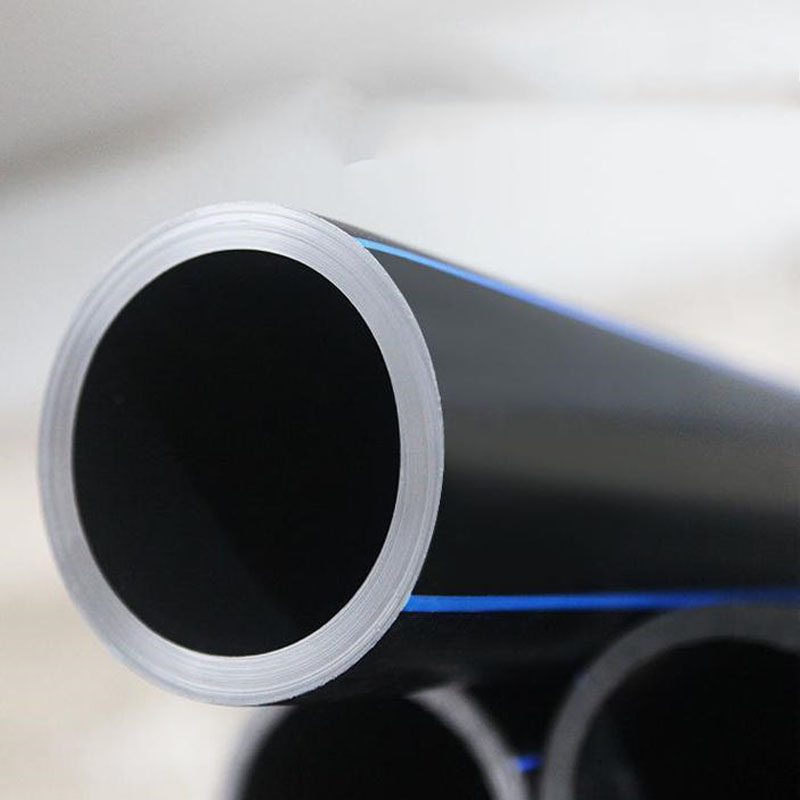
High-Density Polyethylene (HDPE) drain pipe, specifically designated as “China 4” (referring to a nominal bore diameter of 4 inches), represents a significant component in modern subsurface drainage infrastructure. This guide provides an in-depth technical analysis of this product, its manufacturing process, performance characteristics, potential failure modes, and relevant industry standards. HDPE drain pipe, within the broader context of industrial piping, offers advantages over traditional materials like concrete, PVC, and ductile iron, primarily due to its lightweight nature, corrosion resistance, and ease of installation. Its application spans a wide range of industries including civil engineering, agriculture, landscaping, and wastewater management. Critical performance factors include long-term hydraulic capacity, structural integrity under load, and resistance to chemical degradation from typical soil conditions and transported fluids. The "China 4" designation implies adherence to specific dimensional and quality control parameters established by Chinese manufacturing standards, influencing its suitability for various global applications.
Material Science & Manufacturing
The core material for China 4 HDPE drain pipe is high-density polyethylene, a thermoplastic polymer derived from the polymerization of ethylene. HDPE exhibits a high degree of linearity and minimal branching, resulting in a crystalline structure that contributes to its strength, rigidity, and resistance to chemical solvents. Raw material properties, specifically melt flow index (MFI), density (typically between 0.941 and 0.965 g/cm³), and molecular weight distribution, are tightly controlled to ensure consistent product quality. Manufacturing typically employs extrusion processes. Polyethylene resin is fed into an extruder, melted, and forced through a die to form a continuous pipe profile. Critical parameters during extrusion include die temperature, screw speed, and cooling rate, all impacting the pipe's dimensional accuracy and amorphous halo thickness. Corrugation, commonly found in agricultural drain pipe variants, is achieved using specialized forming rollers immediately following extrusion. Quality control involves rigorous testing of material properties (tensile strength, impact resistance, hydrostatic pressure resistance), dimensional accuracy (diameter, wall thickness, ovality), and long-term creep resistance. The use of carbon black as a UV stabilizer is prevalent, particularly for pipes intended for surface exposure, mitigating degradation from ultraviolet radiation. Adherence to GB/T 13666.2-2007 specifies the material requirements and testing methods for PE pipes used for drainage.
Performance & Engineering
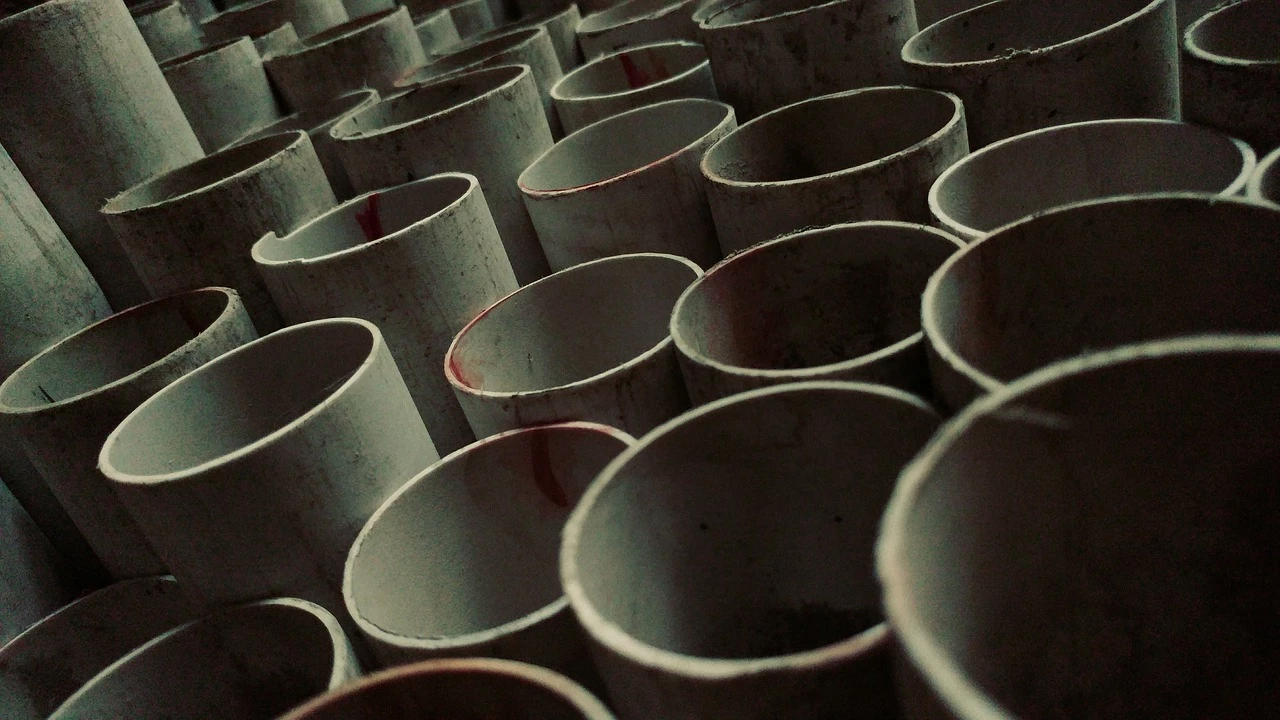
The performance of China 4 HDPE drain pipe is dictated by its structural capacity, hydraulic efficiency, and long-term durability in the application environment. Structural capacity is assessed through ring stiffness testing (ASTM D2412), determining the pipe's ability to withstand external loads without deformation, crucial for burial depths exceeding 1 meter. Hydraulic performance is characterized by the Manning’s roughness coefficient (typically around 0.011 for HDPE), influencing flow velocity and carrying capacity. Long-term performance is significantly affected by creep resistance, particularly under sustained hydrostatic pressure. Finite Element Analysis (FEA) is often employed during design to model stress distribution under various loading scenarios, including soil overburden, traffic loads, and thermal expansion/contraction. Environmental resistance is critical; HDPE is generally inert to most common soil chemicals but can be susceptible to degradation by strong oxidizing agents. Joint integrity is paramount; commonly employed joining methods include solvent cementing (for smaller diameters) and heat fusion (butt fusion, electrofusion) for larger diameter pipes, the latter providing a homogenous weld exceeding the strength of the base material. Compliance with local building codes and drainage regulations (e.g., ASTM F477 for corrugated HDPE) is mandatory, dictating minimum performance criteria and installation procedures. Proper backfill compaction is essential to ensure uniform load distribution and prevent pipe deformation.
Technical Specifications
| Parameter | Unit | Specification (Typical) | Test Method |
|---|---|---|---|
| Nominal Diameter | inches | 4 | ASTM D2412 |
| Outside Diameter | mm | 110 | ASTM D2412 |
| Wall Thickness | mm | 3.2 - 5.8 | ASTM D2412 |
| Pipe Stiffness (PS) | psi | > 20 | ASTM D2412 |
| Hydrostatic Design Stress (HDS) | psi | >1600 | ASTM F477 |
| Long-Term Hydrostatic Strength | psi | >1200 (at 50°C for 10,000 hours) | ISO 1167 |
Failure Mode & Maintenance
Failure modes for China 4 HDPE drain pipe can be categorized as mechanical, chemical, and environmental. Mechanical failure includes cracking due to excessive load (e.g., heavy traffic, soil settlement), puncture during installation, and joint failure (particularly in solvent-cemented joints). Chemical failure arises from exposure to aggressive chemicals that induce stress cracking or material degradation. Environmental factors, such as UV exposure (without adequate stabilization) and temperature fluctuations (leading to creep and dimensional changes), contribute to long-term deterioration. Common failure analysis techniques include visual inspection (crack propagation, discoloration), hydrostatic testing (leak detection), and microscopic examination (identifying material degradation). Preventative maintenance involves regular visual inspections for signs of deformation or cracking, ensuring proper backfill compaction, and preventing the introduction of incompatible chemicals into the drainage system. Repair options range from localized patching (using HDPE welding techniques) to complete pipe replacement. Joint failures are often addressed through heat fusion repair sleeves. Proactive monitoring of soil conditions and groundwater chemistry can help mitigate potential chemical attack. The formation of amorphous halos during extrusion can act as stress concentrators, potentially leading to premature cracking, highlighting the importance of process control during manufacturing.
Industry FAQ
Q: What is the expected service life of China 4 HDPE drain pipe under typical soil conditions?
A: Under typical soil conditions (pH 6-8, minimal chemical exposure), China 4 HDPE drain pipe is expected to have a service life exceeding 50 years. However, this is dependent on proper installation, backfill compaction, and the absence of external stresses. Degradation rates are accelerated by exposure to UV radiation and aggressive chemical environments.
Q: How does HDPE pipe compare to concrete pipe in terms of long-term cost-effectiveness?
A: While concrete pipe may have a lower initial material cost, HDPE offers significant long-term cost savings due to its lighter weight (reducing installation costs), corrosion resistance (eliminating the need for costly repairs), and longer service life. HDPE’s inherent flexibility also reduces the risk of cracking during ground movement.
Q: What is the impact of temperature variations on the performance of HDPE drain pipe?
A: HDPE, like all polymers, exhibits thermal expansion and contraction. This needs to be accounted for during installation, particularly in long pipe runs. While HDPE maintains its structural integrity over a wide temperature range, extreme temperatures can affect its creep resistance and dimensional stability. Proper joint design is crucial to accommodate thermal movement.
Q: What joining methods are recommended for China 4 HDPE drain pipe, and what are their respective advantages and disadvantages?
A: For 4-inch HDPE pipe, butt fusion and electrofusion are the preferred joining methods, offering superior strength and long-term durability. Solvent cementing is suitable for smaller diameter pipes but is less reliable under sustained stress. Butt fusion requires skilled operators and specialized equipment, while electrofusion is more adaptable to field conditions but can be more expensive.
Q: What considerations should be made regarding backfill material and compaction to maximize the lifespan of the drain pipe?
A: Backfill material should be granular and free of sharp objects that could damage the pipe. Compaction should be performed in layers, achieving a minimum of 85-90% Standard Proctor density. Proper compaction provides uniform support, prevents pipe deformation, and minimizes the risk of settlement-induced cracking. Geotextiles are often used to separate the backfill from the surrounding soil, preventing migration of fines that could clog the drainage system.
Conclusion
China 4 HDPE drain pipe represents a robust and cost-effective solution for a diverse range of drainage applications. Its inherent properties – lightweight, corrosion resistance, and durability – coupled with advances in manufacturing and joining technologies, position it as a superior alternative to traditional piping materials. A thorough understanding of its material science, performance characteristics, and potential failure modes is crucial for ensuring long-term reliability and minimizing lifecycle costs.
Future development trends include the incorporation of recycled HDPE content, advancements in non-destructive testing methods for quality control, and the integration of smart sensors for real-time monitoring of pipe performance. Continued adherence to international standards and best practices in installation and maintenance will be essential to maximize the benefits of this versatile drainage solution.
-
DN25 HDPE Compression Fitting-HORON INTERNATIONAL|Reliable Irrigation Solutions
NewsFeb.11,2026
-
china 24 inch diameter pvc pipe price Performance Engineering
News2026-04-27
-
china 4 hdpe drain pipe Performance Analysis
News2026-04-27
-
china 12 hdpe pipe Performance Analysis
News2026-04-27
-
china hdpe reducing coupling Performance Analysis
News2026-04-27
-
china hdpe corrugated sewer pipe Performance Analysis
News2026-04-27
-
china pvc pipe cost per foot Technical Analysis
News2026-04-26
-
china double walled corrugated pipe Performance Analysis
News2026-04-26
-
china hdpe sprinkler pipe price list Performance Analysis
News2026-04-26
-
china water pipe in kitchen Performance Analysis
News2026-04-26
-
china hdpe to pvc pipe coupling Performance Analysis
News2026-04-26
-
china 32 mm ppr pipe Performance Analysis
News2026-04-25
-
china ppr pipe for hot water supply Performance Analysis
News2026-04-25
-
china double walled drainage pipe Performance Analysis
News2026-04-25
-
china black hdpe pipe Manufacturing Analysis
News2026-04-25
-
china dn25 ppr hot water pipes for kitchen Performance Analysis
News2026-04-25