

Feb . 11, 2026 00:01 Back to list
china 24 inch diameter pvc pipe price Performance Engineering
Introduction
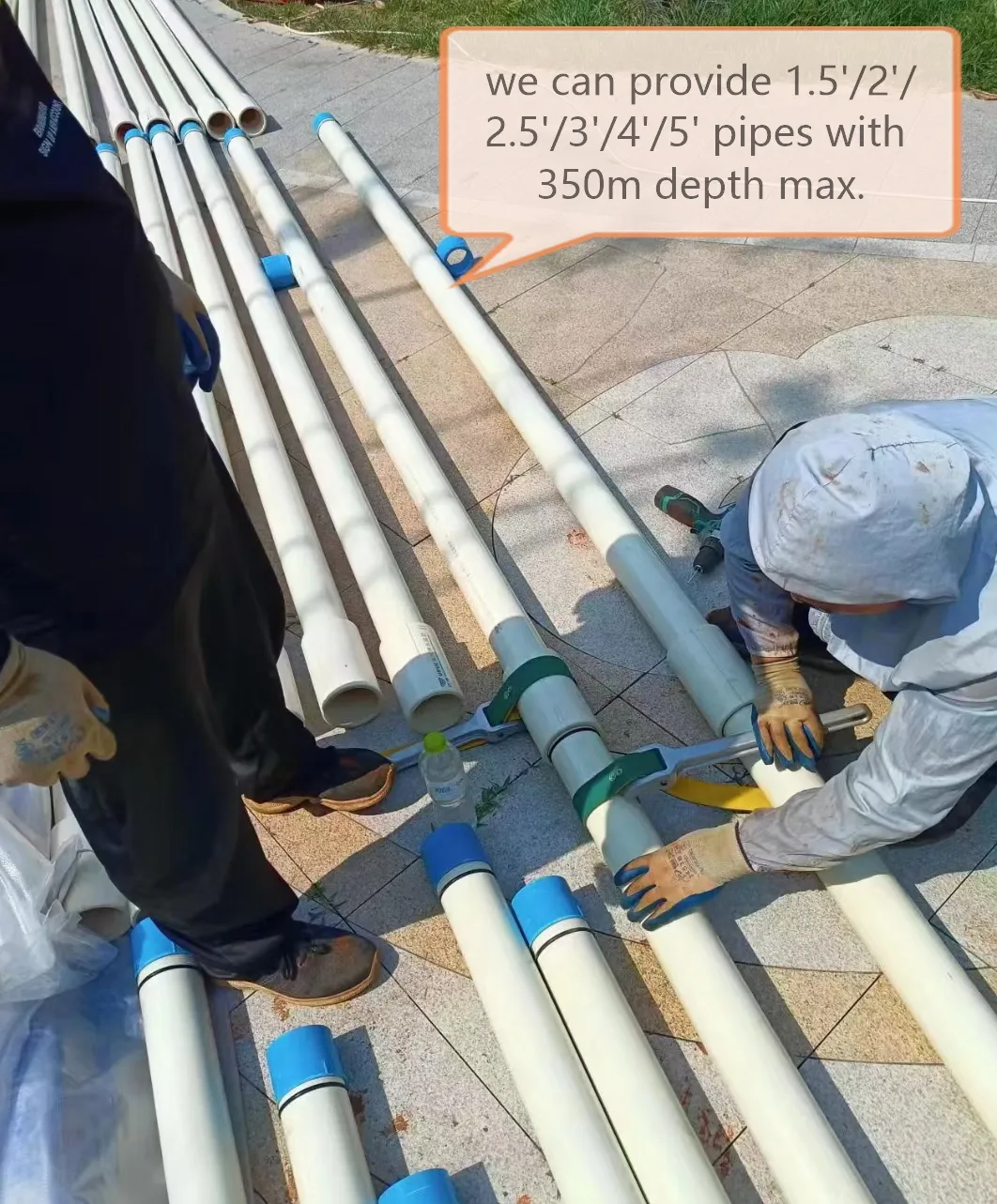
24-inch diameter Polyvinyl Chloride (PVC) pipe, originating from Chinese manufacturers, represents a significant component in large-scale infrastructure projects globally. Positioned within the fluid conveyance industry, this pipe size caters to applications demanding substantial flow capacity, including municipal water distribution, wastewater management, irrigation systems, and industrial process piping. The core performance characteristics revolve around its chemical inertness, low cost, ease of installation, and longevity, making it a preferred material over traditional alternatives like ductile iron or concrete in numerous scenarios. However, maintaining consistent quality and adherence to international standards are critical considerations when sourcing from Chinese manufacturers. This guide provides an in-depth technical analysis of 24-inch PVC pipe, encompassing material science, manufacturing processes, performance engineering, potential failure modes, and relevant industry standards.
Material Science & Manufacturing
The primary raw material for 24-inch PVC pipe is Polyvinyl Chloride resin, typically sourced as Suspension PVC (S-PVC). This resin exhibits inherent rigidity and requires plasticizers, predominantly phthalates or increasingly, alternatives like DINP (Diisononyl Phthalate) and DOTP (Dioctyl Terephthalate), to achieve the necessary flexibility for pipe applications. Stabilizers, such as lead-based or calcium-zinc based compounds, are crucial to prevent degradation during processing and exposure to UV radiation. Other additives include impact modifiers (e.g., chlorinated polyethylene – CPE), processing aids (e.g., stearates), and lubricants.
Manufacturing typically involves extrusion. The PVC compound is fed into a twin-screw extruder where it’s heated and homogenized. Precise temperature control within the extruder barrel (typically ranging from 180°C to 220°C depending on the specific formulation) is paramount to ensure complete fusion and avoid thermal degradation. The molten PVC is then forced through a circular die of 24-inch diameter. Critical parameters include die temperature, screw speed, and haul-off speed. The extruded pipe is then cooled using water baths and subsequently cut to desired lengths. Quality control at this stage focuses on dimensional accuracy (diameter, wall thickness, ovality), and surface finish. Hydrostatic testing, applying internal pressure to detect defects, is a standard practice. Pipe joining methods generally involve solvent cementing (using PVC cements containing tetrahydrofuran or methyl ethyl ketone) or mechanical couplings, requiring specialized skills and adherence to manufacturer’s instructions. The mechanical properties of the final product, like tensile strength and elongation, are directly impacted by the resin molecular weight, plasticizer content, and the efficiency of the extrusion process.
Performance & Engineering
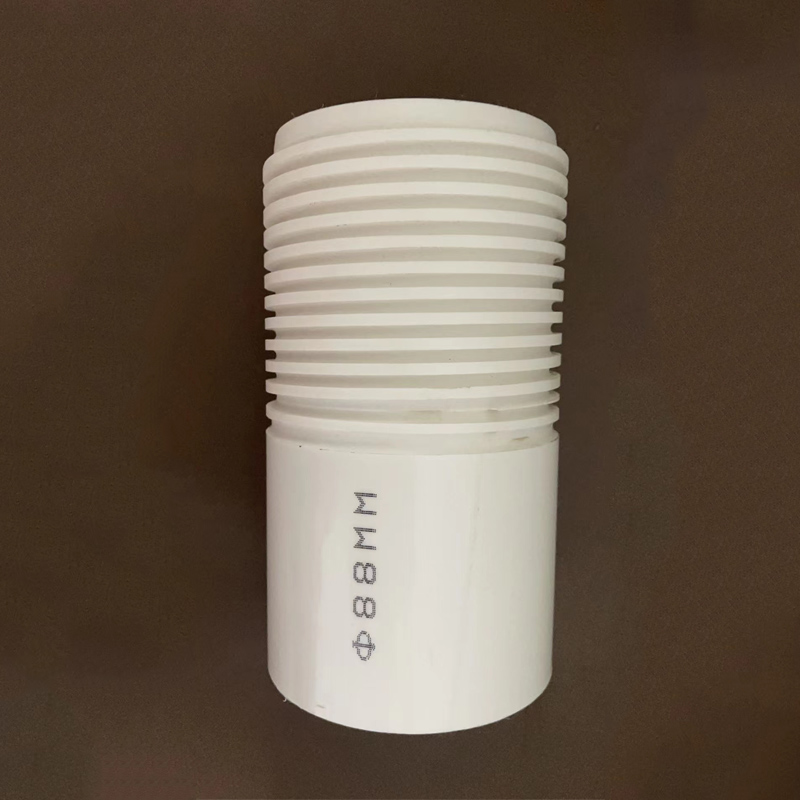
The performance of a 24-inch PVC pipe is heavily reliant on its ability to withstand internal hydrostatic pressure, external loads (soil loading, traffic loads), and environmental stresses. The Barlow formula (S = (P D) / (2 t), where S = pressure rating, P = internal pressure, D = outside diameter, and t = wall thickness) is fundamental in determining the pressure-bearing capacity. A thicker wall provides greater resistance to pressure but increases material cost. Soil loading analysis considers the pipe’s embedment depth, soil type, and compaction levels. Bedding and backfill materials are crucial; properly compacted granular material minimizes stress concentrations. The pipe's deflection under load is a key parameter, exceeding allowable limits can lead to cracking and failure. Environmental resistance encompasses UV degradation (requiring UV stabilizers in the formulation), chemical attack (PVC is generally resistant to most acids and bases, but prolonged exposure to certain solvents can cause swelling or dissolution), and temperature fluctuations (which affect the pipe’s flexibility and impact resistance). Compliance requirements vary by region, typically adhering to AWWA (American Water Works Association) standards for potable water applications and ASTM standards for general PVC pipe performance. Furthermore, the long-term creep resistance of PVC is crucial. Even under sustained pressure below the short-term burst pressure, PVC can exhibit slow deformation over time, which affects its structural integrity.
Technical Specifications
| Parameter | Units | Typical Value (China 24" PVC Pipe) | Test Standard |
|---|---|---|---|
| Nominal Diameter | inches | 24 | ASTM D1785 |
| Wall Thickness | inches | 0.375 - 0.5 | ASTM D1785 |
| Pressure Rating | psi | 100 - 150 | ASTM D2412 |
| Tensile Strength | psi | 6,000 - 7,000 | ASTM D638 |
| Elongation at Break | % | 20 - 30 | ASTM D638 |
| Impact Strength (Izod Notched) | ft-lb/in | 8 - 12 | ASTM D256 |
Failure Mode & Maintenance
Several failure modes are common in 24-inch PVC pipe. Fatigue cracking can occur due to repeated pressure fluctuations or external loads, particularly at joints or areas of stress concentration. Soil-induced cracking arises from inadequate bedding support, causing excessive bending stress. Chemical attack, while generally resistant, can manifest with prolonged exposure to specific chemicals causing softening, swelling or embrittlement. UV degradation leads to surface chalking and loss of impact strength, primarily in exposed sections. Joint failure due to improper solvent cementing (insufficient cement, incorrect application technique, or contaminated surfaces) is a frequent issue. Slow crack growth (SCG), initiated by residual stress and exacerbated by environmental factors, is a long-term concern, particularly in plasticized PVC.
Preventative maintenance involves regular visual inspections for cracks, deformation, or leaks. Proper bedding and backfill are essential during installation. Protecting exposed sections from UV radiation with coatings or burial is recommended. Periodic hydrostatic testing can detect hidden weaknesses. If a leak is detected, repair options include pipe clamps, sleeves, or section replacement. It’s critical to use compatible repair materials and follow manufacturer’s instructions. For SCG prevention, using high-quality PVC compounds with enhanced creep resistance and minimizing residual stresses during installation are vital. Comprehensive record-keeping of installation dates, materials used, and inspection findings allows for proactive identification of potential issues.
Industry FAQ
Q: What is the typical service life expectancy of a 24-inch PVC pipe installed in a municipal water distribution system?
A: Under normal operating conditions (consistent water quality, proper installation, and adequate bedding support), a 24-inch PVC pipe can have a service life exceeding 50 years. However, this is contingent on avoiding excessive pressure surges, chemical contamination, and external loads exceeding design limits. Regular inspections are vital to identify and address potential issues before they compromise the pipe’s integrity.
Q: What are the key differences between Schedule 40 and Schedule 80 PVC pipe, and how does it affect the choice for a specific application?
A: Schedule 40 and Schedule 80 refer to the pipe's wall thickness. Schedule 80 has a significantly thicker wall than Schedule 40. This results in a higher pressure rating for Schedule 80, making it suitable for applications requiring greater structural strength or operating at higher pressures. However, Schedule 80 is also more expensive and heavier. The choice depends on the specific pressure requirements, external load considerations, and budget constraints.
Q: How does the quality of solvent cement affect the long-term performance of PVC pipe joints?
A: The quality of solvent cement is paramount. Using a cement not specifically formulated for PVC, or one that has expired, can lead to weak joints prone to leakage and failure. The cement must be compatible with the PVC compound and applied correctly, ensuring proper surface preparation, sufficient coverage, and adequate curing time. Using primers is also crucial to enhance bonding.
Q: What considerations should be made when selecting a PVC pipe supplier in China to ensure product quality and compliance?
A: Thorough due diligence is essential. Verify the supplier's certifications (ISO 9001, etc.), request material test reports (MTRs) for each batch, conduct factory audits to assess manufacturing processes and quality control procedures, and perform independent third-party testing of samples. Ensure the supplier adheres to relevant international standards (ASTM, EN, etc.).
Q: What are the environmental implications associated with the production and disposal of PVC pipe?
A: PVC production involves the use of fossil fuels and can release volatile organic compounds (VOCs). Disposal of PVC waste is a concern due to its limited biodegradability. However, advancements in recycling technologies are improving PVC recycling rates. Choosing PVC pipe made with phthalate-free plasticizers and supporting responsible waste management practices can mitigate environmental impacts.
Conclusion
The 24-inch diameter PVC pipe, sourced from China, represents a cost-effective and reliable solution for large-scale fluid conveyance applications. Its performance is dictated by a complex interplay of material science, manufacturing precision, and adherence to engineering principles. Understanding the potential failure modes, implementing proactive maintenance strategies, and prioritizing quality control throughout the supply chain are crucial for ensuring long-term structural integrity and operational efficiency.
Looking forward, the industry is witnessing a growing emphasis on sustainable PVC formulations utilizing bio-based plasticizers and enhanced recycling technologies. Continued innovation in manufacturing processes, coupled with rigorous quality assurance protocols, will further enhance the performance and environmental profile of 24-inch PVC pipe, solidifying its position as a dominant material in infrastructure projects worldwide.
-
DN25 HDPE Compression Fitting-HORON INTERNATIONAL|Reliable Irrigation Solutions
NewsFeb.11,2026
-
china 24 inch diameter pvc pipe price Performance Engineering
News2026-04-27
-
china 4 hdpe drain pipe Performance Analysis
News2026-04-27
-
china 12 hdpe pipe Performance Analysis
News2026-04-27
-
china hdpe reducing coupling Performance Analysis
News2026-04-27
-
china hdpe corrugated sewer pipe Performance Analysis
News2026-04-27
-
china pvc pipe cost per foot Technical Analysis
News2026-04-26
-
china double walled corrugated pipe Performance Analysis
News2026-04-26
-
china hdpe sprinkler pipe price list Performance Analysis
News2026-04-26
-
china water pipe in kitchen Performance Analysis
News2026-04-26
-
china hdpe to pvc pipe coupling Performance Analysis
News2026-04-26
-
china 32 mm ppr pipe Performance Analysis
News2026-04-25
-
china ppr pipe for hot water supply Performance Analysis
News2026-04-25
-
china double walled drainage pipe Performance Analysis
News2026-04-25
-
china black hdpe pipe Manufacturing Analysis
News2026-04-25
-
china dn25 ppr hot water pipes for kitchen Performance Analysis
News2026-04-25