

Feb . 11, 2026 00:01 Back to list
china 3 4 ppr pipe in mm Performance Analysis
Introduction
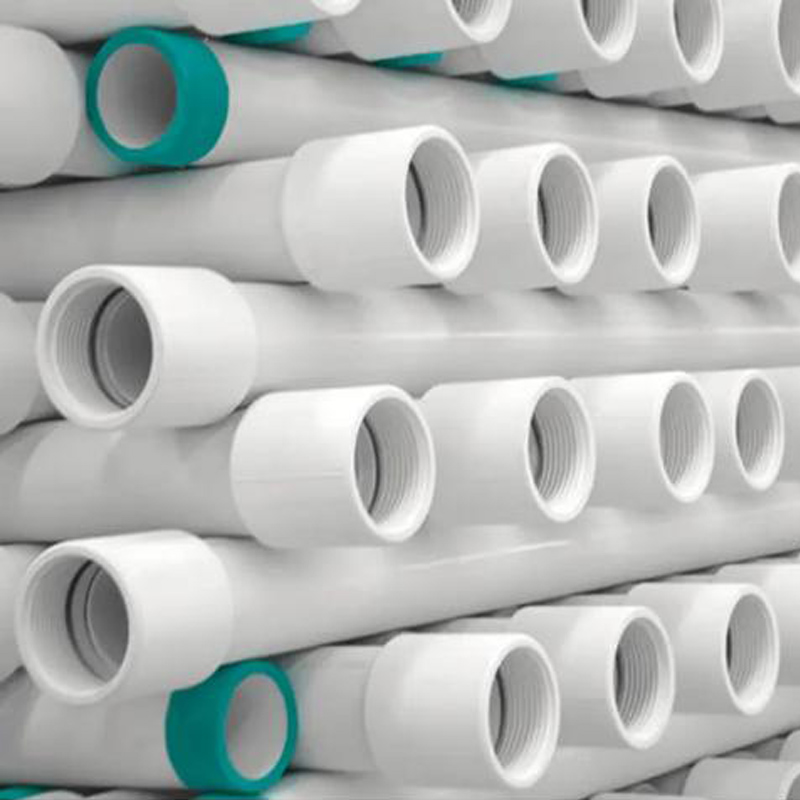
Polypropylene Random (PPR) piping, specifically the 3/4 inch (DN20) variant manufactured in China, represents a significant component in modern fluid transport systems. This guide details the technical aspects of this piping, covering its material science, manufacturing processes, performance characteristics, potential failure modes, and relevant industry standards. PPR pipes have gained prominence due to their corrosion resistance, thermal stability, and cost-effectiveness, increasingly replacing traditional metal piping in a wide array of applications including potable water distribution, industrial fluid handling, and HVAC systems. The '3/4' designation refers to the nominal pipe size, commonly correlating to a 20mm internal diameter, a critical specification for flow rate calculations and system design. The 'mm' denotes the metric sizing, a standard throughout much of the global piping industry. This document provides a comprehensive technical assessment for engineers, procurement managers, and maintenance personnel involved with the specification, installation, and operation of Chinese-manufactured 3/4 PPR piping.
Material Science & Manufacturing
PPR pipe is produced from polypropylene random copolymer resin, differing from homopolymer polypropylene due to the random distribution of comonomers (typically ethylene). This copolymerization imparts enhanced flexibility, impact resistance, and weldability. The raw material’s key properties include a density of 0.905 - 0.92 g/cm³, a Vicat softening point typically between 135-150°C, and a melt flow index (MFI) optimized for extrusion processes (typically 1.0 - 2.5 g/10min measured at 230°C/2.16 kg). The manufacturing process commonly employs extrusion molding. Polypropylene granules are fed into a single or twin-screw extruder, where they are heated and plasticized. The molten polymer is then forced through a die to form the pipe shape, followed by cooling via a water bath. Critical process parameters include extrusion temperature (190-240°C, varying by resin grade), die pressure, cooling rate, and haul-off speed. These parameters directly influence the pipe’s dimensional accuracy, wall thickness uniformity, and overall mechanical properties. Subsequent quality control measures include hydrostatic pressure testing (typically 1.6 MPa for potable water applications) and dimensional checks to ensure adherence to relevant standards. Socket fusion welding is the primary joining method, relying on controlled heating of both the pipe and fitting surfaces to create a homogenous weld. Precise temperature control (260-280°C) and adequate dwelling time are crucial for achieving strong, leak-proof joints. Improper welding can lead to joint failures due to insufficient fusion or excessive oxidation.
Performance & Engineering
The performance of 3/4 PPR pipe is dictated by several engineering considerations. Hydrostatic pressure resistance is paramount, with pipes designed to withstand sustained internal pressures exceeding those typically encountered in residential and commercial plumbing systems. This is governed by the pipe's wall thickness and material strength. Thermal expansion and contraction are significant, with a coefficient of linear expansion approximately 0.15 mm/m°C. Engineers must account for this expansion during installation, incorporating expansion loops or flexible connectors to prevent stress on the piping system. The operating temperature range for PPR piping is typically -40°C to +95°C, making it suitable for both hot and cold water applications. However, prolonged exposure to temperatures exceeding 70°C can accelerate degradation. Chemical compatibility is also crucial. While PPR exhibits excellent resistance to many common chemicals, it is susceptible to attack by strong oxidizing agents and certain chlorinated solvents. Therefore, careful consideration must be given to the fluids being transported. The pipe’s resistance to ground settlement and external loads needs evaluation during installation, especially in buried applications. Soil conditions, backfill compaction, and potential for external impact all contribute to potential pipe stress and failure. Compliance with regional plumbing codes and standards (e.g., NSF/ANSI 61 for potable water) is mandatory for ensuring safe and reliable performance. The roughness coefficient of PPR pipe (typically 0.007 mm) results in lower friction losses compared to traditional metal piping, contributing to energy efficiency.
Technical Specifications
| Parameter | Unit | Typical Value (3/4" PPR) | Testing Standard |
|---|---|---|---|
| Nominal Pipe Size | inch/mm | 3/4 / 20 | DIN 8077 |
| Outside Diameter | mm | 26.8 | GB/T 5310.3 |
| Wall Thickness | mm | 2.3 - 3.2 (S3.2, S4, S5) | GB/T 5310.3 |
| Hydrostatic Pressure (23°C) | MPa | ≥1.6 | GB/T 5310.3 |
| Vicat Softening Point | °C | 135-150 | ISO 306 |
| Density | g/cm³ | 0.905-0.92 | ISO 1183 |
Failure Mode & Maintenance
Common failure modes in 3/4 PPR piping include slow crack growth (SCG), particularly in areas of residual stress or exposure to aggressive chemicals. SCG is often initiated at stress concentrators, such as weld seams or fitting junctions. Another frequent failure mode is joint failure due to improper socket fusion welding – insufficient heating, inadequate dwelling time, or contamination of the weld surfaces can all result in weak joints susceptible to leakage or complete separation. Thermal fatigue can occur in systems experiencing frequent temperature cycling, leading to cracking and eventual rupture. Mechanical damage, such as impact from construction activities or external loads, can also cause pipe failure. Long-term exposure to UV radiation can cause embrittlement and degradation of the pipe material, especially in outdoor applications. Oxidation can occur at high temperatures, reducing the pipe’s mechanical strength and promoting cracking. Preventative maintenance includes regular visual inspections for signs of cracking, leakage, or deformation. Periodic hydrostatic testing can verify the integrity of the piping system. Proper support and anchoring of the piping are essential to minimize stress and prevent mechanical damage. Insulation may be necessary to protect the pipe from extreme temperatures and UV exposure. In the event of a leak, the damaged section should be cut out and replaced with a new section of PPR pipe and fittings, using proper socket fusion welding techniques. Avoid the use of abrasive cleaning agents or solvents, as these can damage the pipe material.
Industry FAQ
Q: What is the long-term performance expectation for PPR pipe used in potable water distribution?
A: Assuming proper installation, appropriate water chemistry (pH within acceptable limits, absence of aggressive chemicals), and adherence to recommended operating temperatures (typically below 60°C), a properly installed 3/4 PPR pipe system can be expected to have a service life of 50+ years. However, periodic inspection and maintenance are crucial for identifying and addressing potential issues before they escalate into failures.
Q: How does the weld quality of PPR pipe compare to other plastic welding methods, such as PE?
A: Socket fusion welding of PPR generally provides a more homogenous weld than some other plastic welding methods, like butt fusion used for PE. This is due to the complete melting and mixing of the pipe and fitting materials at the joint interface. However, achieving consistent weld quality requires precise temperature control and operator training. Improperly executed welds can be a significant point of failure, necessitating thorough quality control procedures.
Q: What are the limitations of using PPR pipe in industrial applications involving corrosive fluids?
A: While PPR demonstrates good chemical resistance to many substances, it is not universally compatible with all industrial fluids. Strong oxidizing agents, chlorinated solvents, and some aromatic hydrocarbons can cause swelling, cracking, or dissolution of the pipe material. A thorough chemical compatibility assessment must be conducted before using PPR pipe in any industrial application involving potentially corrosive fluids.
Q: What is the effect of varying water hardness on the long-term performance of PPR piping?
A: Hard water, containing high concentrations of calcium and magnesium ions, can lead to the formation of scale deposits inside the pipe. While PPR itself is not directly corroded by hard water, scale buildup can reduce the internal diameter of the pipe, increasing friction losses and potentially restricting flow. Regular flushing or the use of water softening systems may be necessary to mitigate this issue.
Q: What considerations should be made for supporting and anchoring PPR piping to prevent mechanical stress?
A: PPR piping has a relatively high coefficient of thermal expansion. Supports should allow for axial movement due to thermal expansion and contraction. Hangers and supports should be spaced according to the manufacturer's recommendations and local plumbing codes. Avoid rigid fixation that would induce stress on the pipe and fittings. Expansion loops or flexible connectors should be incorporated in long runs of piping to accommodate thermal movement.
Conclusion
The Chinese-manufactured 3/4 PPR pipe in mm represents a viable and cost-effective solution for a diverse range of fluid conveyance applications. Its inherent corrosion resistance, coupled with robust mechanical properties and relatively straightforward installation via socket fusion welding, make it an attractive alternative to traditional metal piping. However, achieving optimal performance and long-term reliability hinges on meticulous attention to material selection, manufacturing quality control, proper installation techniques, and adherence to relevant industry standards.
Future developments in PPR technology may focus on enhancing chemical resistance through modified copolymer formulations, improving weldability through optimized resin properties, and incorporating advanced monitoring systems for proactive leak detection. A continued emphasis on quality control and standardization will be critical for ensuring the widespread acceptance and long-term success of PPR piping systems in both domestic and international markets.
-
DN25 HDPE Compression Fitting-HORON INTERNATIONAL|Reliable Irrigation Solutions
NewsFeb.11,2026
-
china 3 4 ppr pipe in mm Performance Analysis
News2026-04-28
-
china hdpe couplings Performance Analysis
News2026-04-28
-
china 75mm pvc pipe Performance Analysis
News2026-04-28
-
china pvc pipe price per meter Technical Analysis
News2026-04-28
-
china hdpe pipe for drinking water Performance Analysis
News2026-04-28
-
china 24 inch diameter pvc pipe price Performance Engineering
News2026-04-27
-
china 4 hdpe drain pipe Performance Analysis
News2026-04-27
-
china 12 hdpe pipe Performance Analysis
News2026-04-27
-
china hdpe reducing coupling Performance Analysis
News2026-04-27
-
china hdpe corrugated sewer pipe Performance Analysis
News2026-04-27
-
china pvc pipe cost per foot Technical Analysis
News2026-04-26
-
china double walled corrugated pipe Performance Analysis
News2026-04-26
-
china hdpe sprinkler pipe price list Performance Analysis
News2026-04-26
-
china water pipe in kitchen Performance Analysis
News2026-04-26
-
china hdpe to pvc pipe coupling Performance Analysis
News2026-04-26