

Feb . 11, 2026 00:01 Back to list
china 75mm pvc pipe Performance Analysis
Introduction
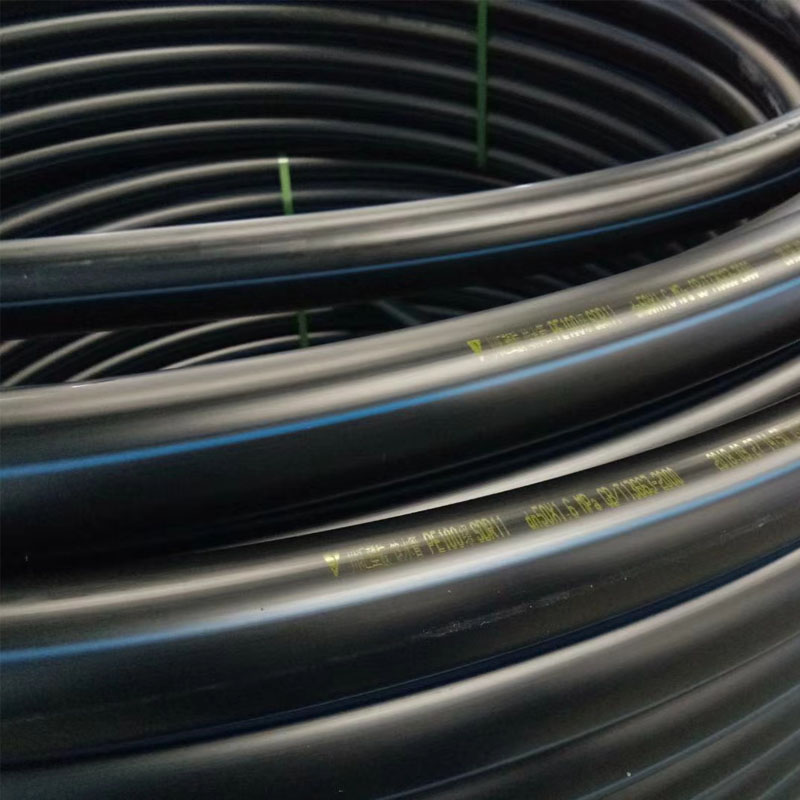
75mm Polyvinyl Chloride (PVC) pipe, manufactured in China, represents a widely utilized solution in diverse infrastructure applications, including potable water distribution, irrigation, drainage, and sewage systems. Positioned within the broader polymer piping industry, it competes with materials such as Polyethylene (PE), Acrylonitrile Butadiene Styrene (ABS), and ductile iron. Its prominence stems from its cost-effectiveness, corrosion resistance, and relatively simple installation procedures. Core performance characteristics are defined by its pressure rating (typically PN10 or PN16), dimensional accuracy adhering to relevant standards, and long-term durability under anticipated operating conditions. A key industry pain point centers around ensuring consistent quality control across various manufacturers and adherence to international safety and environmental regulations, particularly regarding phthalate content and lead stabilization. This guide provides a comprehensive technical overview of 75mm PVC pipe, covering material composition, manufacturing processes, performance parameters, potential failure modes, and relevant industry standards.
Material Science & Manufacturing
The primary raw material for 75mm PVC pipe is Polyvinyl Chloride, a thermoplastic polymer produced by the polymerization of vinyl chloride monomer (VCM). Key additives include plasticizers (typically phthalates like DINP or DOTP, although alternatives are increasingly common due to health concerns), heat stabilizers (often lead-based compounds, calcium-zinc stabilizers, or organic-based stabilizers), lubricants, and impact modifiers (e.g., chlorinated polyethylene - CPE). The choice of plasticizer directly impacts the pipe's flexibility and low-temperature performance. The manufacturing process typically involves extrusion. PVC compound is fed into a single-screw or twin-screw extruder, where it is heated, homogenized, and forced through a die to create a continuous pipe profile. Critical process parameters include barrel temperature control (maintaining optimal viscosity), screw speed (affecting throughput and shear rate), and die dimensions (determining outer diameter and wall thickness). Cooling is achieved using water baths, followed by sizing and cutting to desired lengths. Quality control at this stage focuses on dimensional accuracy (diameter, wall thickness), roundness, and hydrostatic pressure testing. Variations in raw material quality and inconsistencies in processing parameters can lead to variations in mechanical properties and long-term performance. Post-processing may include socketing (creating joints for solvent welding) or threading. The material's inherent resistance to many chemicals makes it preferable to metallic piping in corrosive environments, though prolonged exposure to strong oxidizing agents should be avoided.
Performance & Engineering
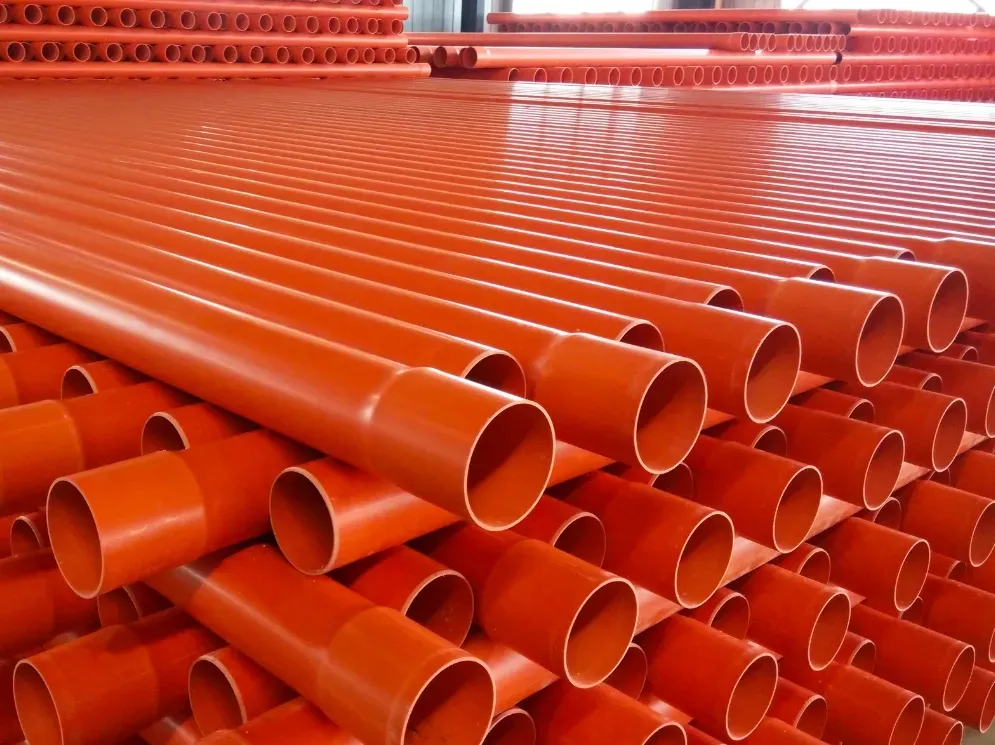
The performance of 75mm PVC pipe is governed by several key engineering principles. Hydrostatic pressure resistance is paramount, dictating the maximum operating pressure. This is determined by a combination of the pipe's outer diameter, wall thickness, and the material's hoop strength. Long-term hydrostatic strength (LTHS) is particularly important, accounting for the gradual reduction in strength due to creep under sustained pressure. Force analysis involves evaluating stresses induced by internal pressure, external loads (soil loading, traffic load), and thermal expansion/contraction. PVC exhibits relatively low tensile strength compared to metals, but its ductility can be improved through the addition of impact modifiers. Environmental resistance is crucial, with PVC exhibiting good resistance to acids, alkalis, and salts. However, it is susceptible to degradation by ultraviolet (UV) radiation, necessitating the use of UV stabilizers in outdoor applications. Compliance requirements vary by region, but generally include adherence to standards specifying minimum pressure ratings, dimensional tolerances, and material composition. The pipe's modulus of elasticity influences its deflection under load, which is an important consideration in buried pipeline design. Thermal expansion needs to be accommodated in the system design to prevent stress cracking or joint failure. Proper jointing techniques (solvent welding or mechanical joints) are vital for maintaining system integrity. Consideration must be given to potential ground movement and the pipe’s ability to withstand bending stresses without cracking.
Technical Specifications
| Parameter | Unit | PN10 (Typical) | PN16 (Typical) |
|---|---|---|---|
| Outer Diameter | mm | 75 | 75 |
| Inner Diameter | mm | 68 | 65 |
| Wall Thickness | mm | 3.7 | 4.2 |
| Pressure Rating (Hydrostatic) | MPa | 1.0 | 1.6 |
| Burst Pressure | MPa | 3.0 | 4.8 |
| Tensile Strength | MPa | 55 | 55 |
| Elongation at Break | % | 200 | 200 |
Failure Mode & Maintenance
75mm PVC pipe is susceptible to several failure modes. Brittle fracture can occur due to impact damage, especially at low temperatures. Stress cracking, both from internal pressure and external loads, is a common failure mode, often initiated at stress concentrators (e.g., around socket connections). Long-term creep can lead to gradual deformation and eventual failure under sustained pressure. UV degradation causes embrittlement and surface cracking, particularly in exposed applications. Chemical attack by aggressive substances (e.g., strong solvents) can cause swelling, softening, and loss of strength. Joint failure, due to improper solvent welding or mechanical joint installation, is a frequent issue. Delamination can occur if the PVC compound is not properly mixed or processed. Maintenance primarily focuses on preventing failures. Regular visual inspections should be conducted to identify signs of cracking, deformation, or UV degradation. Proper bedding and backfilling during installation are crucial to prevent external loads from causing stress on the pipe. Joints should be regularly checked for leaks. In areas with high soil corrosivity, cathodic protection may be considered. If repairs are necessary, solvent welding patches or mechanical couplings should be used, ensuring proper surface preparation and adhesion. For significant damage, replacement of the affected pipe section is usually the most reliable solution. Avoid exceeding the pressure rating of the pipe and protecting from mechanical impact.
Industry FAQ
Q: What is the impact of different phthalate plasticizers on the long-term performance of 75mm PVC pipe?
A: Different phthalates vary in their migration rate and compatibility with PVC. Higher migration rates can lead to embrittlement over time, reducing the pipe's flexibility and impact resistance. DINP and DOTP are generally preferred over DEHP due to their lower toxicity and improved durability, but their performance still depends on the specific formulation and processing conditions. Increasingly, non-phthalate plasticizers are being utilized to address health and environmental concerns, though their long-term performance characteristics are still under evaluation.
Q: How does soil corrosivity affect the longevity of buried 75mm PVC pipe?
A: Highly corrosive soils can accelerate the degradation of PVC, particularly if the soil contains high levels of chlorides or sulfates. While PVC is inherently corrosion-resistant, these chemicals can penetrate the material over time, causing embrittlement and cracking. Proper bedding and backfilling with non-corrosive materials can mitigate this risk. Cathodic protection may be necessary in extremely corrosive environments.
Q: What are the critical considerations for solvent welding 75mm PVC pipe joints to ensure a watertight seal?
A: Proper surface preparation is paramount. Pipe ends and fitting sockets must be clean, dry, and free of debris. The correct solvent cement and primer must be used, compatible with the PVC compound. Adequate ventilation is essential. The primer should be applied evenly to both surfaces, followed immediately by the solvent cement. Sufficient cement should be applied to create a complete fillet around the joint. Allow adequate curing time before pressurizing the system.
Q: What are the key differences between PN10 and PN16 rated 75mm PVC pipe, and when should each be used?
A: PN10 pipe has a nominal pressure rating of 10 bar (1.0 MPa), while PN16 pipe is rated for 16 bar (1.6 MPa). PN16 pipe typically has a thicker wall thickness to withstand the higher pressure. PN16 should be used in applications where higher operating pressures are anticipated, or where there is a risk of pressure surges. PN10 is suitable for lower-pressure applications such as irrigation or gravity-fed drainage systems.
Q: How do you assess the risk of stress cracking in 75mm PVC pipe due to sustained tensile stress?
A: The risk of stress cracking is dependent on the magnitude of the tensile stress, the duration of exposure, the temperature, and the presence of aggressive chemicals. Finite element analysis (FEA) can be used to predict stress levels in the pipe. Selecting a PVC compound with high resistance to stress cracking (e.g., containing impact modifiers) and avoiding exposure to incompatible chemicals are crucial preventative measures. Regular inspection for hairline cracks is also essential.
Conclusion
75mm PVC pipe manufactured in China provides a cost-effective and reliable solution for a wide range of fluid conveyance applications. Its performance is dictated by a complex interplay of material properties, manufacturing processes, and environmental factors. Understanding the potential failure modes—ranging from brittle fracture and stress cracking to UV degradation and chemical attack—is critical for ensuring long-term system integrity.
Adherence to relevant international standards, coupled with rigorous quality control throughout the manufacturing process and proper installation techniques, are essential to mitigate risks and maximize service life. The ongoing development of new PVC formulations, including those utilizing non-phthalate plasticizers and improved UV stabilizers, promises to further enhance the performance and sustainability of this widely used piping material.
-
DN25 HDPE Compression Fitting-HORON INTERNATIONAL|Reliable Irrigation Solutions
NewsFeb.11,2026
-
china 3 4 ppr pipe in mm Performance Analysis
News2026-04-28
-
china hdpe couplings Performance Analysis
News2026-04-28
-
china 75mm pvc pipe Performance Analysis
News2026-04-28
-
china pvc pipe price per meter Technical Analysis
News2026-04-28
-
china hdpe pipe for drinking water Performance Analysis
News2026-04-28
-
china 24 inch diameter pvc pipe price Performance Engineering
News2026-04-27
-
china 4 hdpe drain pipe Performance Analysis
News2026-04-27
-
china 12 hdpe pipe Performance Analysis
News2026-04-27
-
china hdpe reducing coupling Performance Analysis
News2026-04-27
-
china hdpe corrugated sewer pipe Performance Analysis
News2026-04-27
-
china pvc pipe cost per foot Technical Analysis
News2026-04-26
-
china double walled corrugated pipe Performance Analysis
News2026-04-26
-
china hdpe sprinkler pipe price list Performance Analysis
News2026-04-26
-
china water pipe in kitchen Performance Analysis
News2026-04-26
-
china hdpe to pvc pipe coupling Performance Analysis
News2026-04-26