

Feb . 11, 2026 00:01 Back to list
china ppr pipe supplier Manufacturing Analysis
Introduction
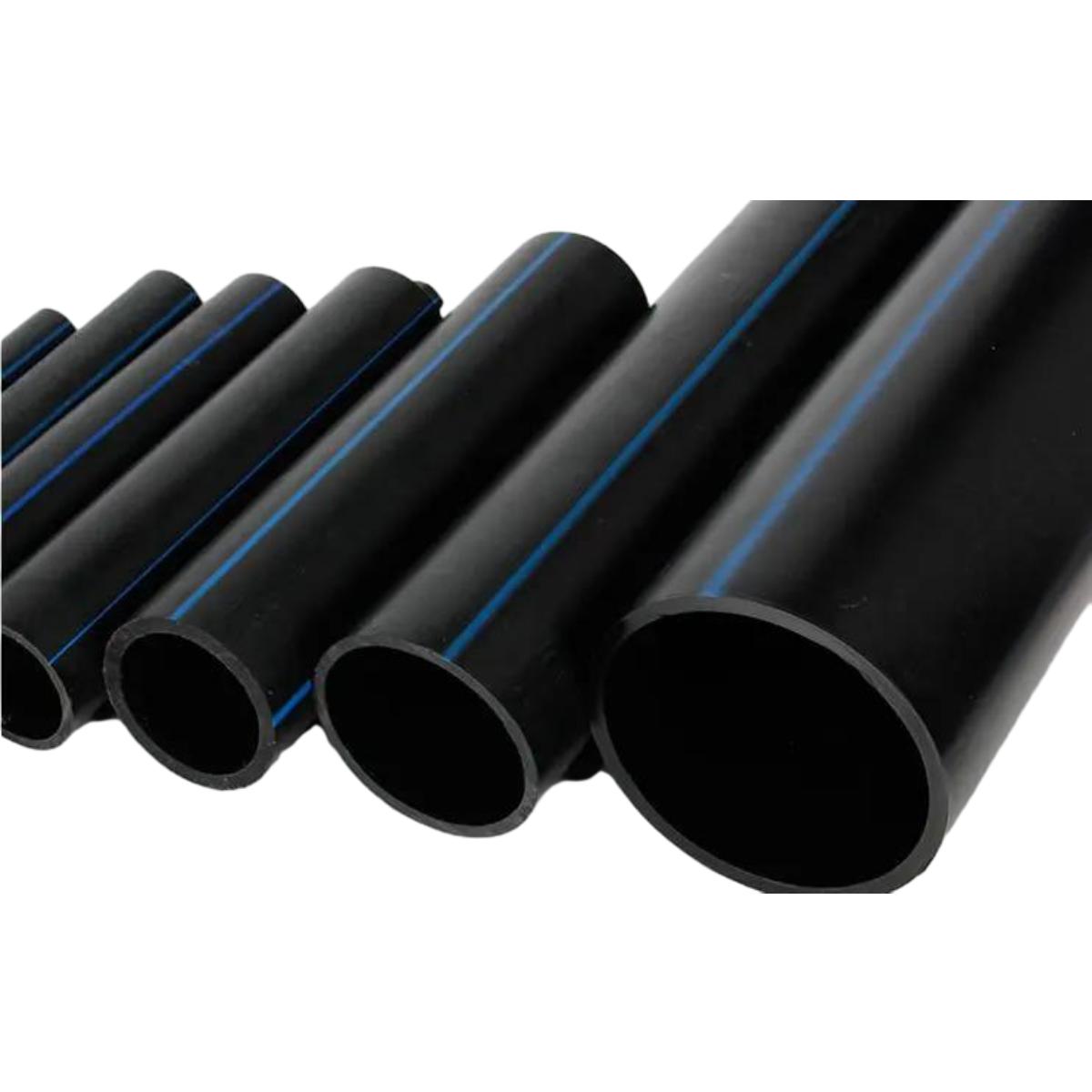
Polypropylene Random (PPR) piping systems have become a mainstay in residential and commercial plumbing, heating, and cooling applications. China PPR pipe suppliers represent a significant portion of the global production capacity, offering a range of solutions tailored to diverse infrastructural needs. PPR’s popularity stems from its corrosion resistance, thermal stability, and cost-effectiveness compared to traditional materials like copper and galvanized steel. This technical guide provides an in-depth analysis of PPR pipe, encompassing material science, manufacturing processes, performance characteristics, potential failure modes, and relevant industry standards, specifically focusing on the capabilities and considerations when sourcing from Chinese manufacturers. The core performance of PPR pipes rests on their hydrostatic strength, resistance to chemical leaching, and long-term durability in potable water systems.
Material Science & Manufacturing
PPR pipes are manufactured from polypropylene random copolymer, which is created through the polymerization of propylene with ethylene. This copolymerization introduces irregularities in the polymer chain, disrupting crystallinity and enhancing impact resistance and flexibility. The raw material, polypropylene homopolymer and random copolymer, is sourced from petrochemical refineries. Key physical properties include a density of approximately 0.905 g/cm³, a glass transition temperature (Tg) around -10°C, and a melting point typically between 130-170°C, varying with the specific copolymer ratio. Manufacturing predominantly employs extrusion molding. Polypropylene granules are fed into an extruder, melted, and forced through a die to create the pipe’s shape. Critical parameters during extrusion include melt temperature, screw speed, and die pressure. Consistent wall thickness is ensured via precise die design and automated control systems. Socket fusion and electrofusion are common joining methods. Socket fusion involves heating both the pipe and fitting, then joining them under pressure, creating a homogenous weld. Electrofusion utilizes an electrical current to heat and fuse the pipe and fitting. Quality control checks involve hydrostatic pressure testing, impact resistance tests, and dimensional accuracy assessments. Chinese manufacturers increasingly employ advanced extrusion technologies and automated quality control systems, aiming to meet international standards.
Performance & Engineering
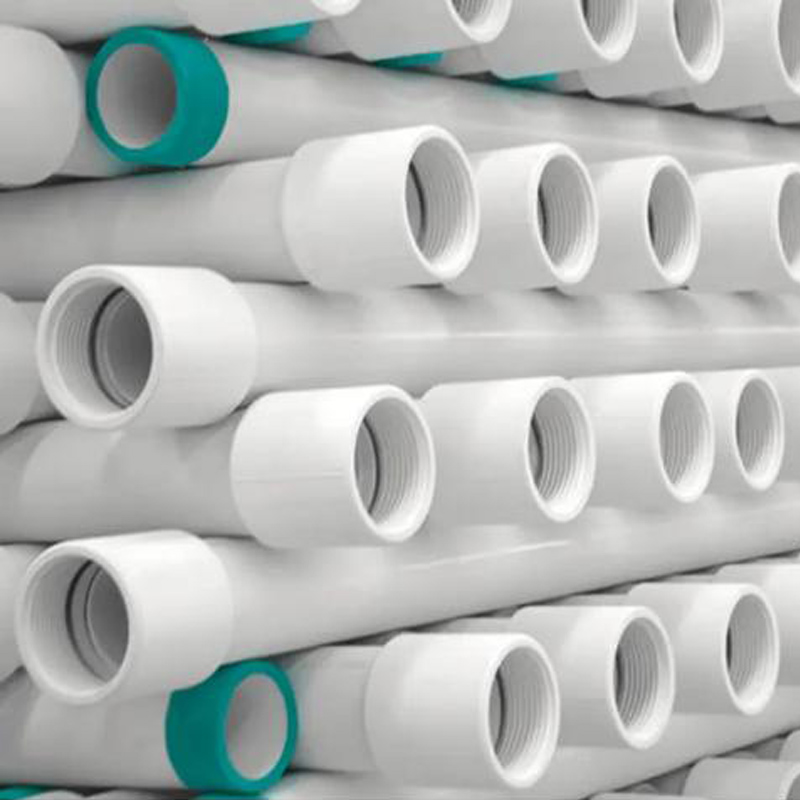
The performance of PPR pipes is critically dependent on its ability to withstand internal pressure, external loads, and thermal stresses. Hydrostatic pressure testing, conforming to standards like ISO 1167, is fundamental in verifying the pipe’s burst resistance. Force analysis focuses on hoop stress (σ = PD/2t, where P is pressure, D is diameter, and t is wall thickness) and longitudinal stress. PPR exhibits creep behavior under sustained pressure and elevated temperatures; therefore, long-term hydrostatic strength is a primary concern. Environmental resistance is another critical factor. PPR is generally resistant to acids and alkalis but can be susceptible to degradation from prolonged exposure to UV radiation and certain organic solvents. Temperature ratings vary depending on the specific PPR compound but typically range from -40°C to +95°C for hot water applications. Engineering considerations include thermal expansion and contraction. PPR has a relatively high coefficient of thermal expansion (approximately 0.15 mm/m°C) which necessitates the use of expansion joints or flexible connections to prevent stress buildup and potential cracking. Compliance requirements depend on the intended application; potable water systems require compliance with regulations regarding lead leaching and bacterial growth. Chinese manufacturers often offer PPR pipes certified to multiple international standards to broaden market access.
Technical Specifications
| Parameter | Unit | Standard (DIN 8077/8078) | Typical Chinese Manufacturer Specification |
|---|---|---|---|
| Nominal Diameter | mm | 20-160 | 20-160 |
| Pressure Rating (PN) | bar | PN10, PN16, PN20, PN25 | PN10, PN16, PN20 |
| Hydrostatic Pressure Test | bar | 2.4xPN for 2 minutes | 2.5xPN for 2 minutes |
| Temperature Resistance (Continuous) | °C | +70 | +70 |
| Temperature Resistance (Short-Term) | °C | +95 | +95 |
| Oxygen Permeability | cm³/m²·day·bar | < 0.1 | <0.1 |
Failure Mode & Maintenance
PPR pipes can experience several failure modes. Fatigue cracking can occur under cyclic pressure loads, particularly at joints or areas of stress concentration. Delamination, where layers of the pipe separate, can result from poor welding during manufacturing or improper installation. Chemical attack, although generally resistant, can occur with prolonged exposure to aggressive chemicals. Oxidation and UV degradation can cause embrittlement and cracking, especially in exposed applications. Long-term creep can lead to deformation and eventual rupture under sustained pressure. Failure analysis often involves microscopic examination of fractured surfaces to identify the root cause. Preventative maintenance includes regular inspections for leaks or signs of stress. Proper support and anchoring are crucial to prevent sagging and excessive stress. Avoiding harsh chemicals and protecting from prolonged UV exposure are also important. In case of a leak, the affected section should be cut out and replaced using proper socket fusion or electrofusion techniques. Regularly flushing the system can prevent sediment buildup, which can contribute to erosion and corrosion. Quality control during the manufacturing process, and rigorous adherence to installation procedures are the most effective ways to mitigate failure risks.
Industry FAQ
Q: What is the long-term performance expectation for PPR pipes used in potable water systems, and how do Chinese manufacturers address concerns about leaching?
A: PPR pipes, when manufactured to appropriate standards, demonstrate a service life exceeding 50 years in potable water applications. Concerns regarding leaching of monomers or additives are addressed by using high-purity polypropylene resins and ensuring compliance with stringent regulations such as NSF/ANSI 61. Reputable Chinese manufacturers provide certifications verifying that their products meet these standards, employing independent testing to demonstrate minimal leaching levels well below permissible limits.
Q: How does the quality control process of a typical Chinese PPR pipe supplier compare to European manufacturers?
A: While historically there were quality discrepancies, many Chinese manufacturers have invested heavily in modernizing their quality control processes. They are increasingly adopting statistical process control (SPC) and implementing ISO 9001 quality management systems. However, variations exist. European manufacturers often have more established and rigorously enforced quality assurance procedures. Due diligence, including factory audits and independent testing, is crucial when sourcing from China.
Q: What are the key considerations when selecting the appropriate PPR pipe pressure rating (PN) for a given application?
A: The PN rating dictates the pipe's ability to withstand internal pressure. Selection must account for the maximum operating pressure of the system, including water hammer effects and any pressure surges. Higher PN ratings offer increased safety margins but also come with higher material costs. Consulting engineering specifications and local building codes is essential to determine the appropriate PN rating.
Q: What measures can be taken to mitigate the risk of thermal expansion and contraction in long runs of PPR piping?
A: Thermal expansion and contraction can induce significant stresses. Implementing expansion loops or bends at regular intervals allows the pipe to expand and contract without stressing the joints. Utilizing flexible connectors or expansion joints specifically designed for PPR systems is also effective. Proper pipe support and anchoring, allowing for movement, is critical. Accurate calculations of thermal expansion based on temperature fluctuations are vital during system design.
Q: What is the impact of UV exposure on PPR pipes and what protective measures are recommended?
A: Prolonged UV exposure can cause PPR to become brittle and susceptible to cracking. If the piping is exposed to sunlight, it must be protected with UV-resistant coatings or shielded with opaque coverings. Buried installations are, of course, not affected. The addition of UV stabilizers to the polypropylene compound can also enhance its resistance to degradation, although this increases material costs.
Conclusion
PPR piping systems offer a compelling combination of performance, cost-effectiveness, and ease of installation. China PPR pipe suppliers have emerged as major players in the global market, but careful evaluation is crucial. Understanding the material science, manufacturing processes, and potential failure modes of PPR, coupled with diligent quality control and adherence to industry standards, is paramount. Selecting the appropriate PN rating, accounting for thermal expansion, and protecting against UV degradation are key engineering considerations.
Ultimately, successful implementation relies on a holistic approach – from selecting a reputable supplier committed to quality and compliance, to ensuring proper installation and ongoing maintenance. The long-term reliability and durability of PPR piping systems contribute to sustainable infrastructure development, making it a valuable solution for a wide range of applications.
-
DN25 HDPE Compression Fitting-HORON INTERNATIONAL|Reliable Irrigation Solutions
NewsFeb.11,2026
-
china corrugated hdpe pipe fittings Performance Analysis
News2026-05-22
-
china ppr pipe for hot water Performance Analysis
News2026-05-22
-
china ppr Technical Performance Analysis
News2026-05-22
-
china corrugated dual wall pipe Performance Analysis
News2026-05-22
-
china sink inlet pipe Material Performance Analysis
News2026-05-22
-
china 1 2 inch pvc Performance Analysis
News2026-05-21
-
china hdpe pipe joint coupler Performance Analysis
News2026-05-21
-
china ppr pipes and fittings price list Technical Analysis
News2026-05-21
-
china 9 inch pvc pipe price Performance Analysis
News2026-05-21
-
china 2 inch borewell column pipe price Performance Engineering
News2026-05-21
-
china hdpe pipe suppliers Performance Analysis
News2026-05-20
-
china submersible pump column pipe Performance Engineering
News2026-05-20
-
china 8 hdpe corrugated pipe Manufacturing Analysis
News2026-05-20
-
china dual wall hdpe pipe Performance Analysis
News2026-05-20
-
china water lines under sink Performance Analysis
News2026-05-20