

Feb . 11, 2026 00:01 Back to list
china hdpe pipe for potable water Performance Engineering
Introduction
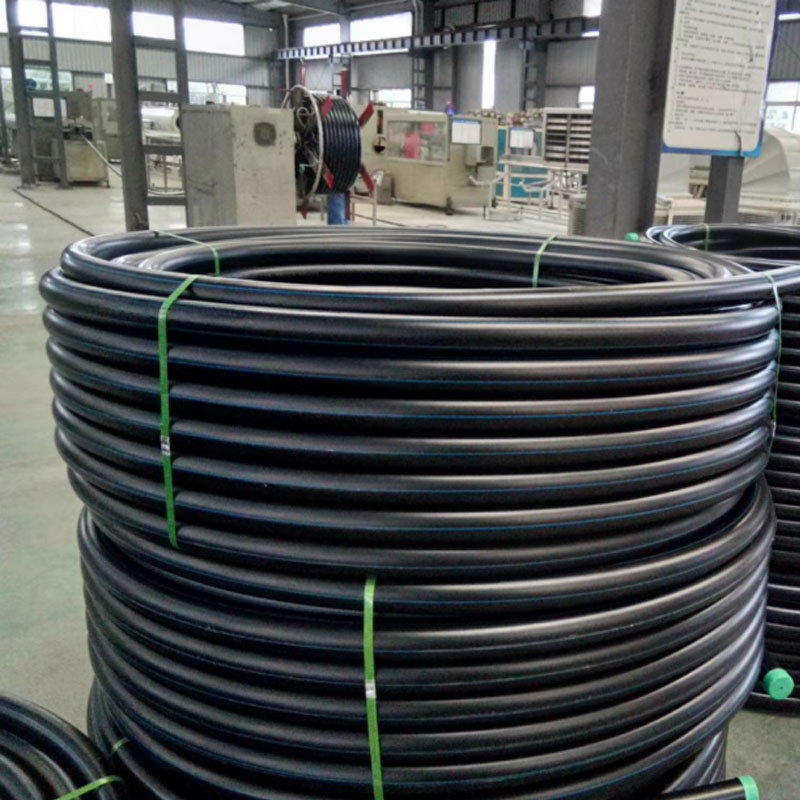
High-Density Polyethylene (HDPE) pipe for potable water represents a significant advancement in water distribution infrastructure. Positioned as a direct replacement for traditional materials like ductile iron, PVC, and concrete, HDPE offers superior performance characteristics, particularly regarding long-term durability, chemical resistance, and installation efficiency. This guide provides a comprehensive technical overview of Chinese-manufactured HDPE pipe intended for potable water applications, covering material science, manufacturing processes, performance engineering, potential failure modes, and relevant industry standards. A primary driver for increased HDPE adoption is the growing demand for leak-free, corrosion-resistant systems capable of delivering safe drinking water while minimizing lifecycle costs. The Chinese manufacturing base has emerged as a dominant global supplier, offering competitive pricing and increasingly sophisticated production capabilities, necessitating a thorough understanding of their product characteristics and quality control measures. Core performance indicators include hydrostatic strength, resistance to slow crack growth, and compliance with stringent potable water regulations.
Material Science & Manufacturing
HDPE pipe derives its properties from the polymerization of ethylene. The resulting polymer is a linear, non-polar thermoplastic exhibiting excellent toughness, flexibility, and chemical inertness. The density of the HDPE used for potable water pipes typically ranges from 0.93 to 0.97 g/cm³, directly correlating with its molecular weight and crystalline structure. Higher density grades offer increased strength and rigidity. Raw material selection is critical, with grades such as PE3408E, PE3406E, and PE3412E commonly utilized, adhering to ISO/TS 10766 standards for PE materials used in pressure piping.
Manufacturing typically involves extrusion processes. The HDPE resin is melted and forced through a die, creating a continuous pipe. Critical parameters during extrusion include melt temperature (typically 180-220°C), die pressure, and cooling rates. Butt fusion, electrofusion, and mechanical fittings are used for joining pipe segments. Butt fusion involves heating the pipe ends and pressing them together under controlled pressure, creating a homogenous weld. Electrofusion utilizes resistive heating via embedded fittings. Proper parameter control – including heating time, pressure, and cooling time – is paramount to ensuring weld integrity. Quality control encompasses resin testing (melt flow index, density), extrusion process monitoring (temperature profiles, dimensional accuracy), and rigorous weld testing (hydrostatic pressure testing, peel tests) to confirm joint strength and leak tightness. The Chinese manufacturing process often utilizes automated extrusion lines with advanced quality control systems, but variations in process control and material sourcing exist between manufacturers, necessitating careful supplier qualification.
Performance & Engineering
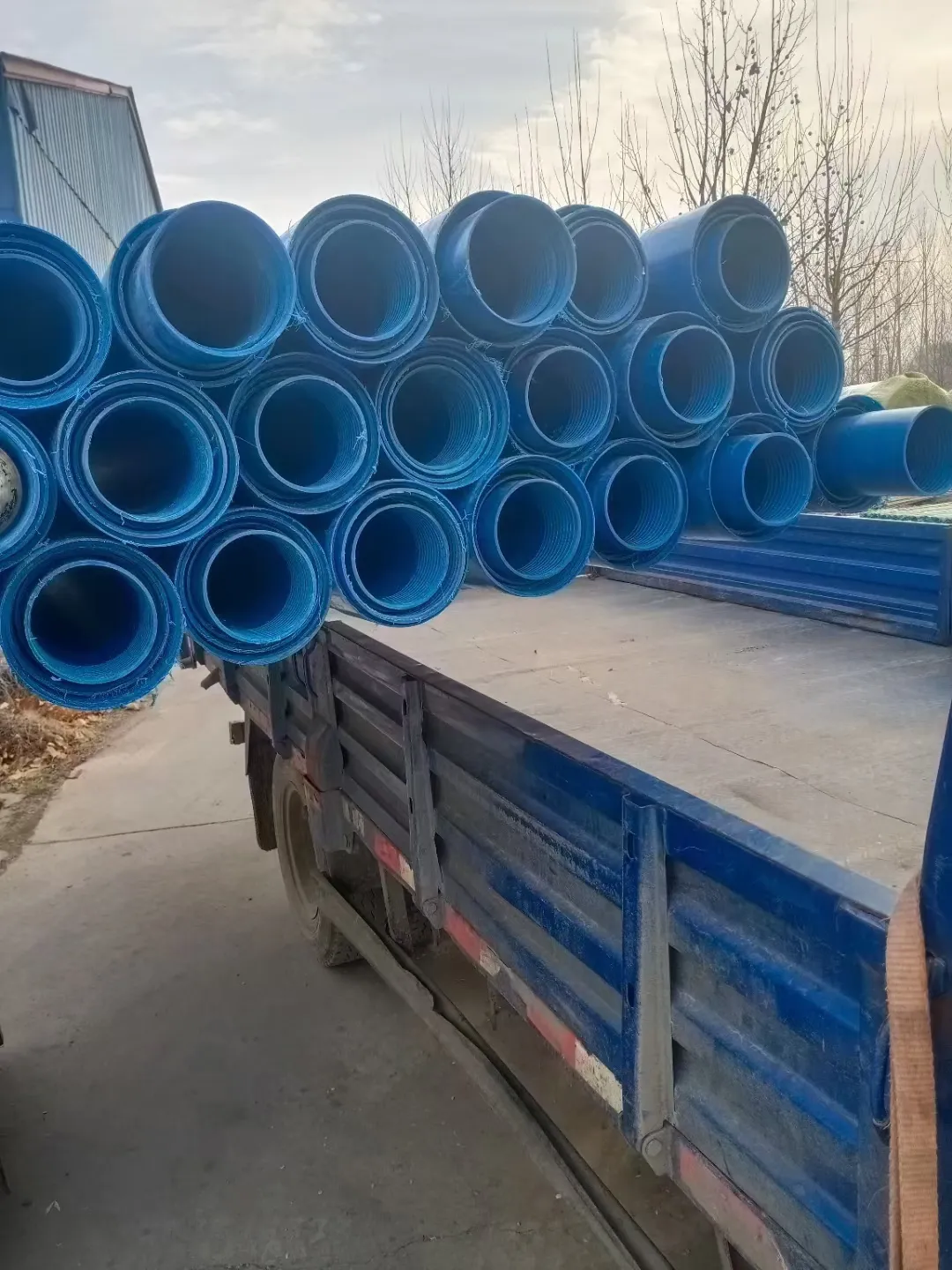
The performance of HDPE pipe in potable water applications is fundamentally governed by its ability to withstand internal hydrostatic pressure and external loads while maintaining long-term structural integrity. Force analysis considers hoop stress (resulting from internal pressure), longitudinal stress (due to axial loads and thermal expansion/contraction), and bending stress (from soil loading or traffic). HDPE’s ductility allows it to undergo significant deformation without brittle failure. The pressure rating, denoted as PN (Nominal Pressure) or PSI, is determined by hydrostatic testing according to ISO 1167 and ASTM D1597.
Environmental resistance is a key advantage. HDPE exhibits excellent resistance to corrosion, chemicals commonly found in water treatment, and UV degradation (although UV stabilizers are typically added). However, long-term creep – the gradual deformation under sustained load – is a critical design consideration. Creep performance is influenced by temperature and sustained stress levels, and is often modeled using time-dependent material properties. Compliance requirements are extensive, dictated by local regulations and international standards. These include NSF/ANSI 61 for potable water safety, ensuring that the pipe does not leach harmful contaminants into the water supply. Furthermore, standards like EN 12201 (European standard for water supply) and GB/T 50251 (Chinese national standard for plastic water supply pipes) specify design, materials, and testing requirements. Proper bedding and backfill are essential to distribute external loads and prevent pipe deformation.
Technical Specifications
| Parameter | Unit | Typical Value (PN16) | Test Standard |
|---|---|---|---|
| Nominal Pressure | Bar | 16 | ISO 1167 |
| Outside Diameter | mm | 110 - 630 | ISO 4427 |
| Wall Thickness | mm | 2.3 - 11.4 | Calculated based on PN & OD |
| Hydrostatic Stress | MPa | 12.4 | ASTM D1597 |
| Slow Crack Growth Resistance (SCGR) | Hours | >1000 | ISO 9080 |
| Melt Flow Index (MFI) | g/10min | 0.3 – 0.7 | ISO 1133 |
Failure Mode & Maintenance
Several failure modes can affect HDPE pipe systems. Slow crack growth (SCG), induced by sustained tensile stress and aggressive environments, is a primary concern. SCG initiates at stress concentrators (e.g., weld defects, scratches) and propagates slowly through the material. Fatigue cracking can occur under cyclic loading, such as from water hammer or ground movement. Oxidation, particularly at elevated temperatures, can degrade the polymer, reducing its strength. Delamination can occur at welds if proper fusion parameters are not maintained.
Maintenance primarily involves preventative measures. Regular pressure testing and leak detection surveys are crucial. Proper jointing procedures are paramount, requiring trained personnel and adherence to manufacturer’s instructions. Corrosion inhibitors may be added to the water supply to mitigate potential chemical attack. For SCG, reducing operating pressure and minimizing stress concentrations are key strategies. If a leak is detected, the affected pipe section should be excavated and replaced using appropriate fusion techniques. Weld inspection using visual inspection and non-destructive testing methods (e.g., ultrasonic testing) should be performed during installation and periodically during the system’s lifespan. Preventive maintenance programs including visual inspections for any physical damage or ground movement can help avoid failures.
Industry FAQ
Q: What is the significance of the PE3408E grade in HDPE pipe for potable water?
A: PE3408E represents a specific grade of HDPE resin optimized for pressure pipe applications. It offers a balance of strength, toughness, and processability, providing excellent long-term hydrostatic strength and slow crack growth resistance. The ‘34’ denotes a minimum required hydrostatic design stress (MRS) of 8 MPa, critical for withstanding internal water pressure over the pipe’s service life. It is widely accepted and utilized in Chinese manufacturing due to its reliable performance and cost-effectiveness.
Q: How does the Chinese manufacturing quality control compare to European standards?
A: Chinese HDPE pipe manufacturing has significantly improved in recent years. While historical concerns existed, many manufacturers now operate with ISO 9001 certification and implement robust quality control systems. However, variations between manufacturers remain. European standards (e.g., EN 12201) often have more stringent requirements for raw material traceability and weld testing. Independent third-party testing and certification (e.g., by WRAS, DVGW) can provide assurance of compliance with international standards.
Q: What are the primary causes of weld failure in HDPE pipe systems?
A: Weld failure is commonly caused by insufficient heating temperatures, inadequate pressure during the fusion process, contamination of the welding surfaces, or improper alignment of the pipe ends. These factors can lead to incomplete fusion, resulting in a weak weld susceptible to failure under pressure. Regular training and certification of welding personnel, strict adherence to manufacturer’s specifications, and thorough weld inspection are essential to mitigate these risks.
Q: What is the impact of soil corrosivity on the longevity of HDPE pipe?
A: While HDPE itself is corrosion resistant, aggressive soil conditions (e.g., high chloride content, acidic pH) can accelerate degradation of surrounding materials and potentially compromise the pipe’s support system. Proper bedding and backfill materials, along with appropriate corrosion protection measures for any metallic components, are crucial to mitigate this risk. Geotechnical investigations should be conducted to assess soil corrosivity prior to installation.
Q: How does temperature affect the performance of HDPE pipe, and what design considerations are necessary?
A: Increased temperature reduces the stiffness and creep resistance of HDPE, increasing the risk of deformation and potential failure. Therefore, design calculations must account for the maximum operating temperature and the potential for thermal expansion and contraction. Lower temperatures, while increasing stiffness, can make the pipe more brittle. Thermal expansion loops or expansion joints should be incorporated into the pipeline design to accommodate changes in temperature.
Conclusion
Chinese-manufactured HDPE pipe offers a compelling solution for potable water distribution systems, providing numerous advantages over traditional materials in terms of durability, chemical resistance, and installation efficiency. However, achieving optimal performance and long-term reliability necessitates a thorough understanding of material science, manufacturing processes, and potential failure modes. Careful attention to quality control, proper jointing techniques, and adherence to relevant industry standards are paramount to ensure the integrity and safety of the water supply.
Future developments in HDPE pipe technology will likely focus on enhanced material formulations with improved creep resistance, the integration of smart sensors for leak detection and condition monitoring, and the development of more sustainable manufacturing processes. Continued advancements in quality control and standardization will further solidify the position of Chinese manufacturers as key players in the global HDPE pipe market, driving innovation and providing cost-effective solutions for potable water infrastructure projects.
-
DN25 HDPE Compression Fitting-HORON INTERNATIONAL|Reliable Irrigation Solutions
NewsFeb.11,2026
-
china corrugated hdpe pipe fittings Performance Analysis
News2026-05-22
-
china ppr pipe for hot water Performance Analysis
News2026-05-22
-
china ppr Technical Performance Analysis
News2026-05-22
-
china corrugated dual wall pipe Performance Analysis
News2026-05-22
-
china sink inlet pipe Material Performance Analysis
News2026-05-22
-
china 1 2 inch pvc Performance Analysis
News2026-05-21
-
china hdpe pipe joint coupler Performance Analysis
News2026-05-21
-
china ppr pipes and fittings price list Technical Analysis
News2026-05-21
-
china 9 inch pvc pipe price Performance Analysis
News2026-05-21
-
china 2 inch borewell column pipe price Performance Engineering
News2026-05-21
-
china hdpe pipe suppliers Performance Analysis
News2026-05-20
-
china submersible pump column pipe Performance Engineering
News2026-05-20
-
china 8 hdpe corrugated pipe Manufacturing Analysis
News2026-05-20
-
china dual wall hdpe pipe Performance Analysis
News2026-05-20
-
china water lines under sink Performance Analysis
News2026-05-20