

Feb . 11, 2026 00:01 Back to list
china plumbing kitchen sink water lines Performance Analysis
Introduction
China plumbing kitchen sink water lines constitute a critical component of residential and commercial plumbing systems, responsible for delivering potable water to kitchen sinks and removing wastewater. These lines, typically manufactured from a variety of materials including Polypropylene Random (PPR), Polyvinyl Chloride (PVC), Cross-Linked Polyethylene (PEX), and Copper, are subject to stringent performance and safety regulations. The increasing demand for cost-effective and durable plumbing solutions within the Chinese manufacturing landscape has driven innovation in materials science and production techniques. Understanding the specific material properties, installation practices, and potential failure modes is paramount for ensuring long-term system reliability and preventing water contamination. This guide provides an in-depth analysis of these systems, covering material science, manufacturing processes, performance characteristics, failure analysis, and relevant industry standards.
Material Science & Manufacturing
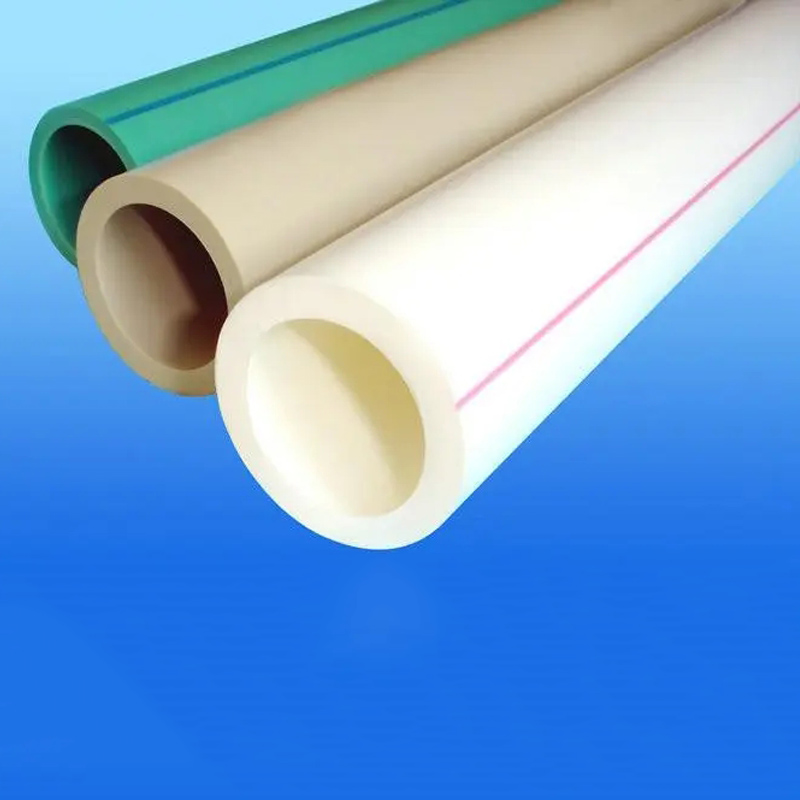
The selection of materials for kitchen sink water lines is dictated by factors such as cost, corrosion resistance, pressure rating, and temperature tolerance. PPR, known for its weldability and resistance to scaling, is a common choice for hot and cold water distribution. PVC, offering a balance of affordability and durability, is frequently used for drain and waste lines. PEX provides flexibility and resistance to freezing, making it suitable for both supply and drainage applications. Copper, historically favored for its antimicrobial properties and longevity, remains a premium option despite its higher cost and susceptibility to corrosion in certain water chemistries.
Manufacturing processes vary depending on the material. PPR pipes are produced via extrusion and injection molding, requiring precise temperature control to ensure consistent wall thickness and dimensional accuracy. PVC pipes are also manufactured through extrusion, often incorporating additives to enhance flexibility and impact resistance. PEX is typically created using a silane crosslinking process, which improves its thermal stability and pressure-bearing capacity. Copper tubes are produced through drawing and annealing, processes that optimize their ductility and corrosion resistance. A critical parameter in all manufacturing processes is dimensional control, ensuring adherence to national standards (GB/T) and preventing leakage. Quality control measures include hydrostatic pressure testing and material composition analysis to verify compliance.
Performance & Engineering
The performance of kitchen sink water lines is governed by several key engineering principles. Hydrostatic pressure testing, conforming to GB/T 19852, is essential to verify the system's ability to withstand internal pressure without failure. Burst pressure, typically exceeding the operating pressure by a significant margin, indicates the material's ultimate strength. Thermal expansion and contraction must be accounted for during installation, particularly with PEX, to prevent stress cracking or joint separation. Corrosion resistance is paramount, especially in regions with aggressive water chemistry. Galvanic corrosion, a potential issue when connecting dissimilar metals, requires the use of dielectric unions or appropriate corrosion inhibitors. The flow rate through the lines is dictated by pipe diameter and internal roughness; optimizing these parameters minimizes pressure drop and ensures adequate water delivery. Furthermore, the lines must meet noise reduction requirements, minimizing water hammer and pipe vibration. Finite Element Analysis (FEA) is increasingly used to model stress distribution and optimize pipe geometry for enhanced performance.
Technical Specifications
| Material | Pressure Rating (MPa) | Temperature Range (°C) | Outer Diameter (mm) |
|---|---|---|---|
| PPR | 1.6 | -20 to +80 | 20, 25, 32 |
| PVC | 1.0 | -5 to +60 | 20, 25, 32 |
| PEX | 2.0 | -40 to +90 | 16, 20, 25 |
| Copper | 3.0 | -20 to +100 | 12, 15, 18 |
| PPR (Fiber Reinforced) | 2.5 | -20 to +95 | 20, 25, 32 |
| CPVC | 1.2 | -5 to +93 | 20, 25, 32 |
Failure Mode & Maintenance
Common failure modes in kitchen sink water lines include corrosion, cracking due to water hammer or thermal stress, joint leakage, and material degradation. PPR pipes can become brittle over time due to UV exposure and oxidation. PVC pipes are susceptible to impact damage and solvent welding failures. PEX lines can develop pinhole leaks if exposed to chlorine or excessive temperatures. Copper pipes can corrode due to galvanic action or aggressive water chemistry. Failure analysis often involves visual inspection, pressure testing, and microscopic examination of fractured surfaces. Maintenance practices include regular inspection for leaks and corrosion, proper water conditioning to minimize scale buildup, and periodic flushing to remove sediment. Preventative measures include using dielectric unions when connecting dissimilar metals, insulating pipes to prevent freezing, and employing surge arrestors to mitigate water hammer. For PPR and PVC systems, proper solvent cementing techniques are crucial, including adequate surface preparation and cure time. Copper systems require periodic cleaning to remove corrosion products.
Industry FAQ
Q: What are the primary differences between PPR and PVC in terms of long-term durability for hot water applications?
A: PPR exhibits superior long-term durability in hot water applications due to its higher temperature resistance and resistance to chlorine degradation compared to PVC. PVC can soften and become brittle at elevated temperatures, potentially leading to leaks or failures. PPR maintains its structural integrity at temperatures up to 80°C, making it a preferred choice for hot water distribution.
Q: How does water quality impact the lifespan of copper plumbing lines?
A: Water quality significantly affects the lifespan of copper plumbing. Aggressive water with low pH or high chloride content can accelerate corrosion. Dissolved oxygen also contributes to corrosion. Implementing water conditioning systems to neutralize acidity and reduce chloride levels is crucial for maximizing the lifespan of copper lines.
Q: What is the significance of hydrostatic testing and what failure criteria should be observed?
A: Hydrostatic testing verifies the structural integrity of the plumbing system under pressure. The system is pressurized to 1.5 times its working pressure for a specified duration. Failure criteria include any visible leaks, significant pressure drop, or structural deformation. A pressure drop exceeding 5% indicates a potential leak or compromised joint.
Q: What are the best practices for joining PEX pipes to ensure a watertight seal?
A: The most reliable method for joining PEX pipes is using expansion fittings. Ensure the PEX pipe is properly deburred before expansion. Utilize a calibrated expansion tool to achieve the correct expansion diameter. Insert the fitting fully and allow the PEX to shrink back, creating a secure, watertight seal. Crimp fittings are also acceptable, but require precise crimping and regular inspection.
Q: How can galvanic corrosion be prevented when connecting copper and PVC/PPR pipes?
A: Galvanic corrosion occurs when dissimilar metals are in contact in the presence of an electrolyte (water). To prevent this, use dielectric unions or fittings to electrically isolate the copper and PVC/PPR sections. Alternatively, coat the copper pipe with a non-conductive material to prevent direct contact.
Conclusion
China plumbing kitchen sink water lines represent a complex interplay of material science, manufacturing precision, and engineering design. The choice of material is dictated by a confluence of factors including cost, application requirements, and long-term durability considerations. Proper installation techniques, adhering to national standards (GB/T) and employing preventative maintenance strategies are essential for ensuring system reliability and preventing costly failures. A thorough understanding of potential failure modes, combined with diligent inspection and proactive maintenance, will maximize the service life of these critical plumbing components.
Future advancements in plumbing technology are likely to focus on developing more sustainable and corrosion-resistant materials, as well as incorporating smart monitoring systems to detect leaks and predict potential failures. The integration of advanced sensors and data analytics will enable predictive maintenance, reducing downtime and optimizing resource utilization. Continued research into new joining techniques and improved quality control processes will further enhance the performance and longevity of kitchen sink water lines.
-
DN25 HDPE Compression Fitting-HORON INTERNATIONAL|Reliable Irrigation Solutions
NewsFeb.11,2026
-
china long pvc pipe Performance Analysis
News2026-05-03
-
china plumbing kitchen sink water lines Performance Analysis
News2026-05-03
-
china hdpe drip irrigation Performance Analysis
News2026-05-03
-
china hot water ppr pipe Performance Analysis
News2026-05-03
-
china ppr plumbing Technical Analysis
News2026-05-03
-
china ppr pipe supplier Manufacturing Analysis
News2026-05-02
-
china 50mm ppr pipe Technical Analysis
News2026-05-02
-
china hdpe drip pipe Performance Analysis
News2026-05-02
-
china hdpe pipe 63mm price Performance Analysis
News2026-05-02
-
china hdpe pipe for potable water Performance Engineering
News2026-05-02
-
china pipe hdpe size Performance Analysis
News2026-05-01
-
china coupler for hdpe pipe Performance Analysis
News2026-05-01
-
china hdpe pipe coupler price Performance Analysis
News2026-05-01
-
china 1 ppr pipe Performance Analysis
News2026-05-01
-
china wet pipes under sink Performance Analysis
News2026-05-01