

Feb . 11, 2026 00:01 Back to list
china hdpe pipe for drip irrigation Performance Analysis
Introduction
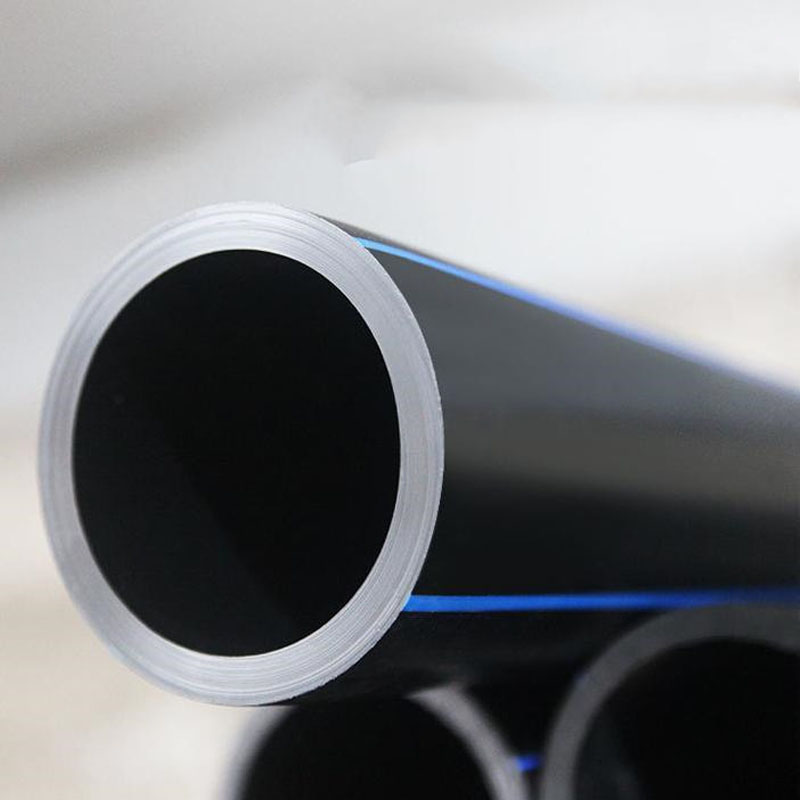
High-Density Polyethylene (HDPE) pipe for drip irrigation represents a crucial component within modern agricultural water management systems. This technical guide details the material properties, manufacturing processes, performance characteristics, potential failure modes, and relevant industry standards pertaining to HDPE drip irrigation pipe manufactured in China. Unlike traditional irrigation methods, drip irrigation delivers water directly to the root zone, minimizing water waste and maximizing crop yield. HDPE pipe is favored due to its durability, chemical resistance, and cost-effectiveness, making it a significant element in optimizing water resource utilization and promoting sustainable agricultural practices. The Chinese manufacturing base provides a substantial portion of the global supply, necessitating a comprehensive understanding of the material’s capabilities and limitations for informed procurement and effective application. Core performance metrics center around pressure rating, UV resistance, flow rate consistency, and long-term durability under varying environmental conditions.
Material Science & Manufacturing
The primary raw material for HDPE drip irrigation pipe is, as the name suggests, High-Density Polyethylene. HDPE is a thermoplastic polymer produced from the polymerization of ethylene. Crucially, the density of the polyethylene dictates its properties; higher density correlates with increased strength, rigidity, and chemical resistance. For drip irrigation, HDPE resins typically possess a density ranging from 0.941 to 0.965 g/cm³. Additives such as carbon black are frequently incorporated to enhance UV resistance, while stabilizers are added to prevent thermal degradation during processing and service. The manufacturing process commonly involves extrusion. HDPE resin is melted and forced through a die to create a continuous pipe profile. Parameter control during extrusion is paramount. Melt temperature (typically 180-210°C) directly affects viscosity and flow characteristics, influencing wall thickness uniformity. Cooling rates are critical; rapid cooling can induce internal stresses, potentially leading to premature failure. Pipe diameter, wall thickness, and the inclusion of drippers (integrated or punch-installed) are also precisely controlled during the extrusion process. Post-extrusion, pipes undergo quality control checks, including hydrostatic pressure testing to verify burst pressure and dimensional accuracy. The grade of PE resin (e.g., PE80, PE100) dictates the minimum required strength (MRS) and contributes to the long-term hydrostatic strength of the pipe.
Performance & Engineering
The performance of HDPE drip irrigation pipe is governed by several key engineering principles. Hydrostatic strength is a primary concern, dictated by the pipe’s dimensions (diameter and wall thickness) and the material’s Minimum Required Strength (MRS). The Hazen-Williams equation is commonly used to calculate pressure loss due to friction within the pipe, influencing flow rate and irrigation uniformity. External loads, such as soil backfill and traffic, must be considered. The pipe’s ability to withstand these loads without deformation or rupture is critical. Long-term creep resistance – the tendency of the material to deform slowly under sustained stress – is a significant design factor. UV exposure is another crucial aspect. While carbon black additives provide UV protection, prolonged exposure can still lead to degradation, causing embrittlement and cracking. Chemical compatibility is also paramount; exposure to fertilizers, pesticides, and soil chemicals can induce stress cracking or material swelling. Drip irrigation systems operating in cold climates require consideration of thermal contraction and expansion of the HDPE pipe. Proper installation techniques, including adequate pipe support and allowance for thermal movement, are essential to prevent stress-induced failures. Furthermore, accurate emitter spacing and flow rate are essential to avoid uneven water distribution, and the long-term clogging of emitters represents a common challenge which can be exacerbated by poor water filtration.
Technical Specifications
| Parameter | Unit | Typical Value (China HDPE Drip Pipe) | Test Standard |
|---|---|---|---|
| Outside Diameter | mm | 16, 20, 25, 32 | GB/T 6303-2018 |
| Wall Thickness | mm | 1.5, 2.0, 2.3, 2.8 | GB/T 6303-2018 |
| Minimum Required Strength (MRS) | MPa | 8.0, 10.0, 12.5 | ISO 11679-2 |
| Hydrostatic Pressure Test (Short Term) | MPa | ≥ 1.25 x MRS | GB/T 6303-2018 |
| Hydrostatic Pressure Test (Long Term) | MPa | ≥ 0.8 x MRS (1000 hrs) | ISO 11679-2 |
| Carbon Black Content (UV Resistance) | % | ≥ 2.0 | ASTM D1603 |
Failure Mode & Maintenance
HDPE drip irrigation pipe is susceptible to several failure modes. Slow Crack Growth (SCG) is a common issue, initiated by stress concentrations around imperfections or scratches, and exacerbated by exposure to aggressive chemicals. Environmental Stress Cracking (ESC) is similar but induced by a combination of stress and environmental factors. UV degradation leads to embrittlement and cracking, particularly in areas exposed to prolonged sunlight. Pressure surges (water hammer) can cause instantaneous rupture, especially in thinner-walled pipes. Biological attack, such as biofilm formation within the pipe, can reduce flow rates and contribute to emitter clogging. Physical damage during installation or operation (e.g., rodent bites, accidental digging) can compromise the pipe's integrity. Maintenance involves regular flushing of the system to remove sediment and debris. Pressure regulators should be installed to prevent surges. Periodic inspection for leaks, cracks, and UV degradation is crucial. Damaged sections should be replaced immediately. Winterization procedures (draining the system to prevent freezing) are essential in cold climates. Implementing a robust water filtration system is vital to prevent emitter clogging and maintain system efficiency. Soil settlement and compaction can cause pipe stress, requiring periodic assessment of pipe support and realignment if necessary.
Industry FAQ
Q: What is the service life expectancy of typical Chinese-manufactured HDPE drip irrigation pipe?
A: Under optimal conditions – proper installation, UV protection, appropriate pressure regulation, and effective water filtration – a well-maintained HDPE drip irrigation system can have a service life of 10-20 years. However, factors such as soil chemistry, UV intensity, and water quality significantly influence longevity. Regular inspections and preventative maintenance are crucial for maximizing service life.
Q: How does the PE100 grade differ from PE80 in terms of suitability for drip irrigation?
A: PE100 possesses a higher Minimum Required Strength (MRS) compared to PE80, offering superior long-term hydrostatic strength and creep resistance. This translates to a greater ability to withstand sustained pressure and external loads, making PE100 preferable for larger diameter pipes or systems operating at higher pressures. While PE80 remains suitable for some applications, PE100 is generally recommended for increased reliability and durability.
Q: What are the implications of using recycled HDPE in drip irrigation pipe?
A: Recycled HDPE can be used in drip irrigation pipe, but its properties must be carefully controlled. The presence of contaminants or degradation products in the recycled material can reduce the pipe’s strength, UV resistance, and chemical compatibility. Reputable manufacturers employing recycled HDPE will implement rigorous quality control procedures to ensure the material meets the required performance standards (MRS, UV stability, etc.).
Q: What is the acceptable range for emitter flow rate variation in a well-maintained HDPE drip system?
A: Acceptable emitter flow rate variation typically falls within ±10% of the nominal flow rate. Variations exceeding this threshold indicate potential issues such as emitter clogging, pressure imbalances, or pipe degradation. Regular flushing and filtration maintenance are essential to maintain emitter uniformity.
Q: What quality control standards should a buyer look for when sourcing HDPE drip pipe from Chinese manufacturers?
A: Buyers should prioritize manufacturers certified to ISO 9001 (Quality Management System). Verification of compliance with relevant standards (GB/T 6303-2018, ISO 11679) is crucial. Requesting hydrostatic pressure test reports and material certificates (specifying PE grade and additives) provides further assurance of product quality. On-site audits of the manufacturing facility can offer valuable insight into production processes and quality control measures.
Conclusion
China-manufactured HDPE pipe for drip irrigation offers a cost-effective and durable solution for modern agricultural water management. Understanding the material science, manufacturing processes, and performance characteristics outlined in this guide is critical for selecting the appropriate pipe for specific applications. Proper installation, maintenance, and adherence to relevant industry standards are essential for maximizing service life and ensuring optimal system performance.
The increasing demand for efficient irrigation solutions will continue to drive innovation in HDPE pipe technology. Future developments may focus on enhancing UV resistance, improving chemical compatibility, and incorporating smart sensors for real-time monitoring of system performance. A thorough understanding of the underlying technical principles remains paramount for informed decision-making in this evolving field.
-
DN25 HDPE Compression Fitting-HORON INTERNATIONAL|Reliable Irrigation Solutions
NewsFeb.11,2026
-
china hdpe pipe for drip irrigation Performance Analysis
News2026-05-04
-
china hdpe pipe for agriculture Performance Analysis
News2026-05-04
-
china hdpe sprinkler pipe price Performance Analysis
News2026-05-04
-
china 2 ppr pipe Performance Analysis
News2026-05-04
-
china pvc pipe price per foot Performance Analysis
News2026-05-04
-
china long pvc pipe Performance Analysis
News2026-05-03
-
china plumbing kitchen sink water lines Performance Analysis
News2026-05-03
-
china hdpe drip irrigation Performance Analysis
News2026-05-03
-
china hot water ppr pipe Performance Analysis
News2026-05-03
-
china ppr plumbing Technical Analysis
News2026-05-03
-
china ppr pipe supplier Manufacturing Analysis
News2026-05-02
-
china 50mm ppr pipe Technical Analysis
News2026-05-02
-
china hdpe drip pipe Performance Analysis
News2026-05-02
-
china hdpe pipe 63mm price Performance Analysis
News2026-05-02
-
china hdpe pipe for potable water Performance Engineering
News2026-05-02