

Feb . 11, 2026 00:01 Back to list
china hdpe pipe for agriculture Performance Analysis
Introduction
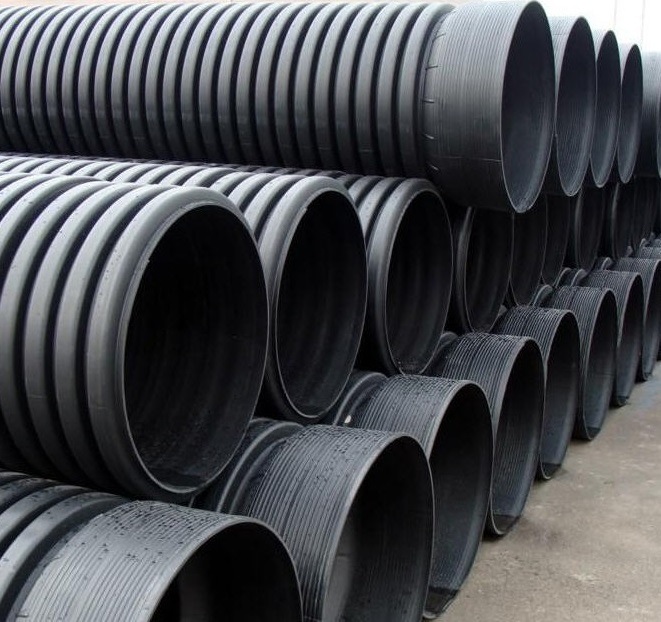
High-Density Polyethylene (HDPE) pipe manufactured in China for agricultural applications represents a critical component of modern irrigation systems, water conveyance, and drainage solutions. Positioned within the broader plastic piping industry, HDPE offers a compelling alternative to traditional materials such as PVC, ductile iron, and steel, particularly due to its durability, chemical resistance, and cost-effectiveness. This guide provides a comprehensive technical overview of Chinese-manufactured HDPE pipe specifically tailored for agricultural use, addressing material science, manufacturing processes, performance characteristics, potential failure modes, and relevant industry standards. A core pain point in the agricultural sector is ensuring reliable water delivery with minimal loss due to leakage or degradation. HDPE pipe, when properly specified and installed, directly addresses this concern, reducing water waste and improving crop yields. The demand for efficient irrigation coupled with increasing environmental concerns has driven significant growth in the adoption of HDPE piping systems within the agricultural landscape.
Material Science & Manufacturing
HDPE pipe is produced from polyethylene resin, a thermoplastic polymer derived from the polymerization of ethylene. The specific grade of HDPE used significantly impacts the final pipe properties. Common grades used in agricultural piping include HDPE 3408, HDPE 3608, and HDPE 4710, each denoting different molecular weight distributions and densities. Higher density equates to increased strength and stiffness. The raw material’s melt flow index (MFI) is a critical parameter, influencing processability during extrusion. Manufacturing typically involves extrusion processes. The HDPE resin is melted and forced through a die to create a continuous pipe shape. Key process parameters include die temperature, extrusion speed, and cooling rates. Butt fusion, electrofusion, or socket fusion are common joining methods, creating leak-proof seals. Parameter control is paramount; inconsistent temperature or pressure during extrusion can lead to variations in wall thickness and dimensional inaccuracies. UV stabilization is a crucial aspect of HDPE pipe manufacturing, particularly for above-ground applications. Carbon black is frequently added as a UV inhibitor, protecting the polymer from degradation caused by prolonged sun exposure. The concentration of carbon black is carefully controlled to balance UV protection with maintaining desirable mechanical properties.

Performance & Engineering
The performance of HDPE pipe in agricultural applications is governed by several key engineering principles. Hydrostatic pressure resistance is a primary concern, especially in irrigation systems operating at elevated pressures. This is determined by the pipe's dimensions (diameter and wall thickness) and the material’s Minimum Required Strength (MRS). Pipe strength is calculated using Barlow's formula: S = (P D) / (2 t), where S is the allowable stress, P is the internal pressure, D is the pipe’s outer diameter, and t is the wall thickness. Environmental stress cracking (ESC) is a potential failure mode induced by the combined effects of sustained stress and exposure to certain chemicals commonly found in agricultural environments (e.g., fertilizers, pesticides). Long-term hydrostatic strength (LTHS) testing is crucial to assess the pipe’s ability to withstand sustained pressure over its intended service life. Burial depth and soil loading must also be considered in the engineering design, ensuring the pipe can support the applied loads without deformation or failure. The pipe's flexibility allows for some ground movement without compromising structural integrity. Furthermore, the chemical compatibility of HDPE with agricultural chemicals is vital. HDPE exhibits excellent resistance to most acids, alkalis, and salts commonly encountered in agricultural practices. However, prolonged exposure to strong oxidizing agents should be avoided.
Technical Specifications
| Parameter | Unit | HDPE Pipe (DN63) | HDPE Pipe (DN110) |
|---|---|---|---|
| Nominal Diameter | mm | 63 | 110 |
| Wall Thickness | mm | 3.5 | 5.8 |
| Pressure Rating (PN) | bar | 10 | 16 |
| Density | g/cm³ | 0.955 | 0.955 |
| MRS (Minimum Required Strength) | MPa | 5.0 | 5.0 |
| UV Resistance | Hours (50% retention) | 2000 | 2000 |
Failure Mode & Maintenance
Several failure modes can affect HDPE pipe in agricultural settings. Slow Crack Growth (SCG), a form of environmental stress cracking, occurs over time due to sustained stress and exposure to deleterious chemicals. Fatigue cracking can arise from repeated pressure fluctuations or external loads. Delamination, though less common, can occur if the pipe material is not properly fused during joining. Oxidation, especially in above-ground applications with insufficient UV protection, leads to embrittlement and cracking. Damage from external forces (e.g., equipment operation, soil movement) constitutes a significant failure source. Maintenance involves regular visual inspections to identify any signs of cracking, deformation, or leakage. Pressure testing should be performed periodically to verify system integrity. Proper backfilling procedures are crucial to prevent damage from soil loading. If damage is detected, localized repairs can be made using compatible HDPE fittings and fusion techniques. For significant failures, pipe sections should be replaced entirely. Preventative maintenance, including the implementation of corrosion protection measures (where applicable) and the careful handling of agricultural chemicals, can significantly extend the service life of HDPE piping systems.
Industry FAQ
Q: What is the expected lifespan of HDPE pipe in a typical agricultural irrigation system?
A: The expected lifespan is typically 20-50 years, dependent on factors such as UV exposure, soil conditions, operating pressure, and the quality of installation. Proper UV stabilization and adherence to recommended installation practices significantly contribute to maximizing service life.
Q: How does HDPE pipe compare to PVC in terms of chemical resistance for agricultural applications?
A: HDPE generally exhibits superior chemical resistance compared to PVC, particularly to strong acids and alkalis. While PVC is suitable for many agricultural chemicals, HDPE provides a wider margin of safety and is less susceptible to degradation from prolonged chemical exposure.
Q: What is the acceptable level of soil movement that HDPE pipe can tolerate without failure?
A: HDPE's inherent flexibility allows it to accommodate a reasonable degree of soil movement. However, excessive deformation or uneven settling can induce stress on the pipe and lead to failure. A qualified engineer should assess site-specific soil conditions and design the piping system accordingly, incorporating appropriate bedding and backfill materials.
Q: What are the key considerations when selecting the appropriate HDPE pipe diameter and wall thickness for a given irrigation application?
A: Diameter is determined by flow rate requirements and desired water pressure. Wall thickness is selected based on the operating pressure, burial depth, and soil loading. A hydraulic analysis should be performed to accurately determine the optimal pipe size and wall thickness to ensure efficient water delivery and long-term reliability.
Q: What quality control standards are typically applied to Chinese-manufactured HDPE pipe destined for agricultural use?
A: Reputable manufacturers adhere to ISO 4427, which specifies requirements for the manufacture and testing of plastic piping systems for water supply and irrigation. They also typically comply with GB/T 13666, the Chinese national standard for HDPE pipes. Independent third-party testing and certification are recommended to verify compliance with these standards.
Conclusion
Chinese-manufactured HDPE pipe offers a robust and cost-effective solution for a wide range of agricultural applications. Its inherent properties – including high strength, chemical resistance, and flexibility – address the core pain points of water conveyance in the agricultural sector. Proper material selection, meticulous manufacturing processes, and adherence to relevant international standards are crucial to ensuring long-term performance and reliability.
Future advancements in HDPE technology will likely focus on enhancing UV resistance, improving ESC resistance, and developing innovative joining techniques. Ongoing research into advanced polymer blends and nano-fillers promises to further optimize the mechanical and chemical properties of HDPE pipe, solidifying its position as a leading material for agricultural irrigation and water management.
-
DN25 HDPE Compression Fitting-HORON INTERNATIONAL|Reliable Irrigation Solutions
NewsFeb.11,2026
-
china hdpe pipe for drip irrigation Performance Analysis
News2026-05-04
-
china hdpe pipe for agriculture Performance Analysis
News2026-05-04
-
china hdpe sprinkler pipe price Performance Analysis
News2026-05-04
-
china 2 ppr pipe Performance Analysis
News2026-05-04
-
china pvc pipe price per foot Performance Analysis
News2026-05-04
-
china long pvc pipe Performance Analysis
News2026-05-03
-
china plumbing kitchen sink water lines Performance Analysis
News2026-05-03
-
china hdpe drip irrigation Performance Analysis
News2026-05-03
-
china hot water ppr pipe Performance Analysis
News2026-05-03
-
china ppr plumbing Technical Analysis
News2026-05-03
-
china ppr pipe supplier Manufacturing Analysis
News2026-05-02
-
china 50mm ppr pipe Technical Analysis
News2026-05-02
-
china hdpe drip pipe Performance Analysis
News2026-05-02
-
china hdpe pipe 63mm price Performance Analysis
News2026-05-02
-
china hdpe pipe for potable water Performance Engineering
News2026-05-02