

Feb . 11, 2026 00:01 Back to list
china 2 ppr pipe Performance Analysis
Introduction
Polypropylene Random Copolymer (PPR) pipe, specifically the ‘2’ designation referring to its standardized pressure rating (PN2, equivalent to 2.0 MPa), is a thermoplastic pipe system increasingly prevalent in potable water supply, heating, and cooling applications. Its position within the industrial chain is as a direct replacement for traditional metallic piping systems – galvanized steel, copper, and cast iron – offering advantages in corrosion resistance, weight, and installation speed. Core performance characteristics are defined by its hydrostatic pressure resistance, temperature tolerance (up to 95°C for extended periods, short-term up to 100°C), chemical inertness towards typical waterborne substances, and a smooth inner surface minimizing flow friction. However, industry pain points center around ensuring consistent quality control during manufacturing, particularly regarding the homogeneity of the copolymerization process and proper execution of hot-gas welding techniques for joint integrity. Long-term creep resistance under sustained pressure and temperature also represents a key performance consideration for system longevity.
Material Science & Manufacturing
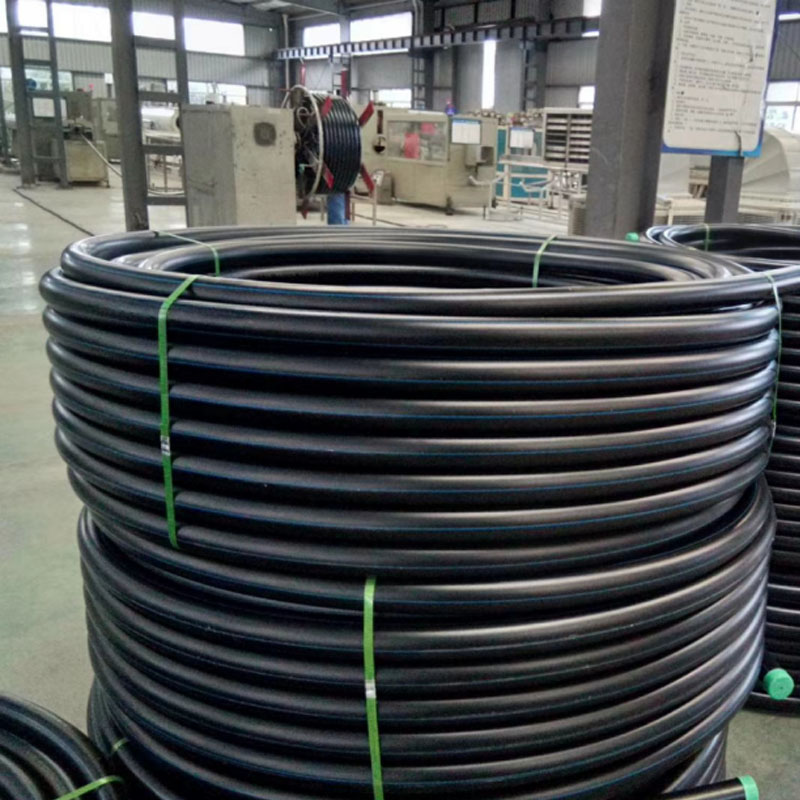
PPR pipe is fabricated from polypropylene random copolymer, meaning polypropylene homopolymer chains are randomly interrupted with ethylene comonomers. This random copolymerization disrupts the semi-crystalline structure of pure polypropylene, resulting in enhanced impact strength, flexibility, and weldability. The raw material, polypropylene granules, are typically sourced from petrochemical refining. Key physical properties include a density of approximately 0.905 – 0.92 g/cm³, a tensile modulus between 800-1100 MPa, and a relatively low coefficient of thermal expansion (around 0.15 mm/m°C). Manufacturing typically involves extrusion. Polypropylene granules are fed into an extruder, melted, and forced through a die to create the pipe’s diameter and wall thickness. Precise temperature control within the extruder is critical, typically ranging from 190°C to 240°C depending on the specific PPR grade. Cooling is achieved via water jackets surrounding the die. The extrusion process is followed by dimensional stabilization, often involving vacuum sizing and cooling, to maintain precise tolerances. Quality control measures include melt flow rate (MFR) testing to verify material consistency, hydrostatic testing to validate pressure resistance, and visual inspection for surface defects. Socket fusion and electrofusion are the primary joining methods, demanding skilled technicians and properly calibrated equipment to achieve reliable, leak-proof connections. The uniformity of ethylene distribution within the copolymer critically impacts weld strength.
Performance & Engineering
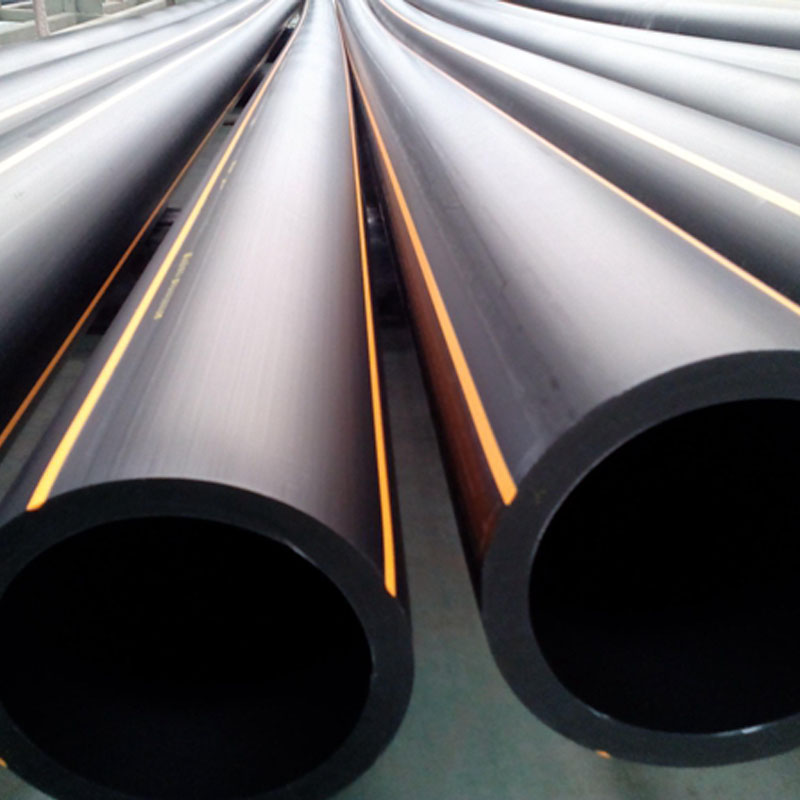
The performance of PPR pipe is heavily influenced by its ability to withstand internal hydrostatic pressure and external loads. Force analysis dictates that hoop stress, circumferential stress within the pipe wall, is the primary concern under pressure. Design calculations must account for safety factors defined by relevant standards (see footer). Creep, the time-dependent deformation under sustained stress, is a critical consideration, particularly at elevated temperatures. PPR exhibits some degree of creep, and long-term performance predictions require accurate material characterization and stress analysis. Environmental resistance is generally excellent, with PPR being unaffected by most common chemicals found in potable water or typical soil conditions. However, prolonged exposure to strong oxidizing agents or certain solvents can cause degradation. Temperature fluctuations induce thermal expansion and contraction, necessitating proper allowance for expansion loops and contraction joints to prevent stress buildup and potential joint failures. Compliance requirements vary by region but generally include adherence to standards for potable water contact materials (ensuring no harmful leachates), fire resistance (PPR is combustible, and flame retardant grades are available), and mechanical performance. The smooth inner surface reduces friction losses, translating to lower pumping energy requirements and reduced noise compared to metallic pipes. Furthermore, PPR’s inherent corrosion resistance eliminates the need for costly corrosion inhibitors or cathodic protection systems.
Technical Specifications
| Parameter | Unit | PN2 (Standard Grade) | PN2.5 (Enhanced Grade) |
|---|---|---|---|
| Nominal Pressure | MPa | 2.0 | 2.5 |
| Hydrostatic Pressure Test | MPa | 3.0 | 3.75 |
| Operating Temperature (Continuous) | °C | -20 to 95 | -20 to 95 |
| Operating Temperature (Short Term) | °C | Up to 100 (limited duration) | Up to 100 (limited duration) |
| Density | g/cm³ | 0.905 - 0.92 | 0.905 - 0.92 |
| Tensile Strength | MPa | >20 | >22 |
Failure Mode & Maintenance
Common failure modes in PPR piping systems include fatigue cracking at joints, particularly those subjected to repeated thermal cycling or mechanical stress. This often stems from improper weld execution – insufficient heating, inadequate fusion time, or contamination during the welding process. Delamination can occur if the weld isn’t fully integrated, creating a plane of weakness. Long-term creep deformation can lead to gradual pipe sag and eventual joint separation, especially under continuous pressure and elevated temperature. Oxidation, while slow, can occur over decades, leading to embrittlement of the material. UV degradation is a concern for exposed piping, causing surface chalking and a reduction in mechanical properties. Maintenance typically involves visual inspection for leaks, cracks, or deformation. Joints should be periodically checked for tightness and integrity. For minor leaks, re-welding may be possible, but complete replacement is often recommended for significant damage. Preventative maintenance includes proper installation techniques, avoiding excessive bending radii, and protecting exposed piping from UV radiation. Regular pressure testing can identify potential weaknesses before catastrophic failure occurs. The use of compatible fittings and proper welding parameters, as specified by the manufacturer, are paramount for long-term reliability. Avoid using abrasive cleaning agents that could scratch the inner surface, increasing friction and potential for bacterial buildup in potable water systems.
Industry FAQ
Q: What are the critical differences between PPR Type 1, Type 2, and Type 3, and how do they impact application suitability?
A: PPR Types 1, 2 and 3 vary primarily in their Melt Flow Rate (MFR), indicating their molecular weight distribution. Type 1 has the highest MFR, making it suitable for smaller diameter pipes and injection molded fittings due to its ease of processing. Type 2 is a general-purpose grade for larger diameter pipes. Type 3 has the lowest MFR, offering superior creep resistance and long-term hydrostatic strength, making it ideal for demanding applications like hot water recirculation systems or industrial process piping where sustained pressure and temperature are significant concerns. Selecting the appropriate type is crucial for optimal performance and longevity.
Q: Can PPR pipe be used for compressed air lines? What are the limitations?
A: While PPR can withstand moderate pressures, it is not generally recommended for compressed air lines. Polypropylene is permeable to air, leading to significant leakage over time. Furthermore, the material is susceptible to embrittlement from the oil often present in compressed air systems. The constant pressure cycling can also accelerate fatigue cracking. Dedicated compressed air piping systems typically require materials like aluminum or polyethylene.
Q: What are the key considerations when selecting welding parameters (temperature and time) for socket fusion welding of PPR pipe?
A: Welding parameters are dictated by pipe diameter, wall thickness, and the specific PPR grade. Insufficient heating results in incomplete fusion, creating a weak joint. Overheating can cause material degradation and dimensional distortion. Manufacturers provide precise welding charts specifying temperature and time based on these factors. Using a calibrated welding tool and adhering strictly to the recommended parameters are essential. Proper pipe preparation, including cleaning and deburring, is also critical.
Q: How does the presence of chlorine in potable water affect the long-term performance of PPR pipe?
A: PPR exhibits excellent resistance to chlorine-treated water under normal conditions. However, high concentrations of chlorine or chloramines, especially over extended periods, can gradually lead to oxidative degradation of the polypropylene, reducing its impact strength and potentially causing cracking. The rate of degradation is influenced by water temperature and the specific chlorine concentration. It's best practice to adhere to potable water standards and periodically monitor water chemistry.
Q: What are the implications of using dissimilar materials in a PPR piping system (e.g., connecting PPR to copper)?
A: Connecting PPR to dissimilar metals like copper requires careful consideration due to galvanic corrosion potential. A dielectric union must be used to electrically isolate the two materials, preventing the flow of electrons and corrosion. Furthermore, thermal expansion differences between PPR and copper must be accommodated with expansion loops or flexible connectors to prevent stress on the joints.
Conclusion
China 2 PPR pipe represents a viable and often cost-effective alternative to traditional metal piping systems in a range of applications, particularly where corrosion resistance and ease of installation are paramount. Its performance is intimately tied to the quality of the raw material, the precision of the manufacturing process, and adherence to established welding procedures. Understanding the material’s limitations regarding creep, UV degradation, and compatibility with certain chemicals is crucial for ensuring long-term system reliability.
Future advancements in PPR technology are likely to focus on developing enhanced grades with improved creep resistance, increased temperature tolerance, and enhanced UV stabilization. Furthermore, the integration of smart sensors within PPR piping systems for leak detection and performance monitoring represents a promising area of development. Continued adherence to international standards and rigorous quality control measures will be essential for maintaining the integrity and reputation of PPR as a reliable plumbing solution.
-
DN25 HDPE Compression Fitting-HORON INTERNATIONAL|Reliable Irrigation Solutions
NewsFeb.11,2026
-
china hdpe pipe for drip irrigation Performance Analysis
News2026-05-04
-
china hdpe pipe for agriculture Performance Analysis
News2026-05-04
-
china hdpe sprinkler pipe price Performance Analysis
News2026-05-04
-
china 2 ppr pipe Performance Analysis
News2026-05-04
-
china pvc pipe price per foot Performance Analysis
News2026-05-04
-
china long pvc pipe Performance Analysis
News2026-05-03
-
china plumbing kitchen sink water lines Performance Analysis
News2026-05-03
-
china hdpe drip irrigation Performance Analysis
News2026-05-03
-
china hot water ppr pipe Performance Analysis
News2026-05-03
-
china ppr plumbing Technical Analysis
News2026-05-03
-
china ppr pipe supplier Manufacturing Analysis
News2026-05-02
-
china 50mm ppr pipe Technical Analysis
News2026-05-02
-
china hdpe drip pipe Performance Analysis
News2026-05-02
-
china hdpe pipe 63mm price Performance Analysis
News2026-05-02
-
china hdpe pipe for potable water Performance Engineering
News2026-05-02