

Feb . 11, 2026 00:01 Back to list
china pvc pipe price per foot Performance Analysis
Introduction
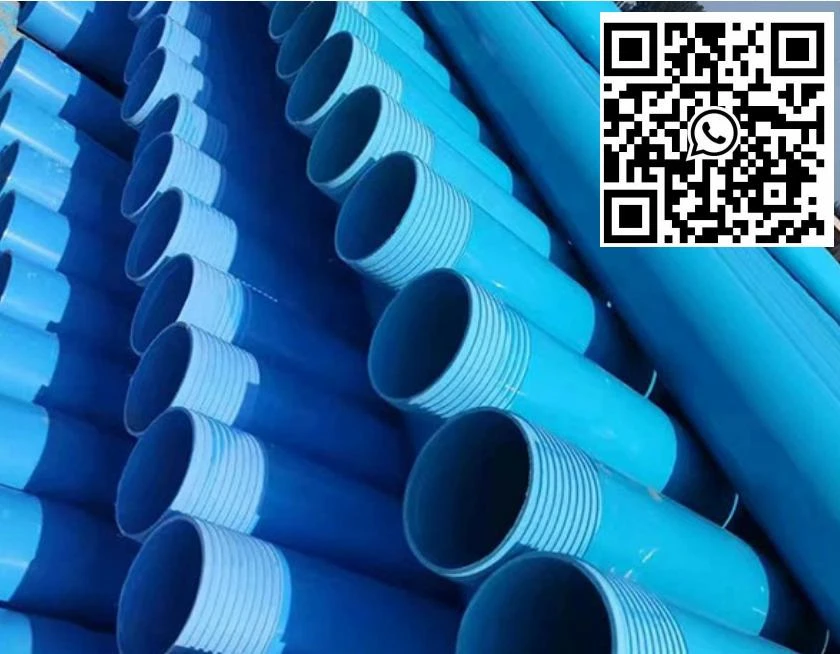
Polyvinyl Chloride (PVC) pipe is a ubiquitous material in modern infrastructure, serving diverse applications from potable water distribution and wastewater management to irrigation and industrial fluid conveyance. The “china pvc pipe price per foot” designation reflects the significant global production capacity originating from China, impacting worldwide supply chains and pricing dynamics. This technical guide provides an in-depth analysis of PVC pipe, focusing on material science, manufacturing processes, performance characteristics, potential failure modes, and relevant industry standards. A key pain point for procurement managers is navigating the varying quality and compliance levels among different Chinese manufacturers, coupled with fluctuations in raw material costs (specifically vinyl chloride monomer – VCM) and logistical expenses. Understanding these factors is crucial for informed decision-making, ensuring longevity, reliability, and adherence to project specifications. This guide will outline the critical parameters impacting price, performance, and long-term value.
Material Science & Manufacturing
PVC is a thermoplastic polymer produced through the polymerization of vinyl chloride. Its raw material, ethylene dichloride (EDC), is derived from ethylene and chlorine. EDC is then cracked into VCM, which is subsequently polymerized into PVC resin. The resin is then compounded with stabilizers (typically lead-based, calcium-zinc based, or organotin compounds), lubricants, plasticizers (phthalates are common, though alternatives like DINCH are gaining traction due to health concerns), and impact modifiers to tailor its properties. For pipe production, the most common method is extrusion. PVC resin and additives are fed into an extruder, where it is heated and melted. The molten PVC is then forced through a die, shaping it into a seamless pipe. Critical parameters during extrusion include die temperature (typically 180-210°C), screw speed, and haul-off speed. Maintaining consistent temperatures is vital to prevent degradation and ensure uniform pipe dimensions. Cooling is achieved through water baths, controlling the rate to prevent warping or cracking. Schedule 40 and Schedule 80 designations refer to the pipe wall thickness, impacting pressure rating and structural integrity. The molecular weight distribution of the PVC resin significantly affects its impact resistance and processability. Higher molecular weight distributions generally yield stronger, more durable pipes. Chemical compatibility is also paramount; prolonged exposure to certain solvents or aggressive chemicals can cause swelling or degradation of the PVC material. Furthermore, the quality of the stabilizers dictates the pipe's resistance to thermal degradation and UV exposure.
Performance & Engineering
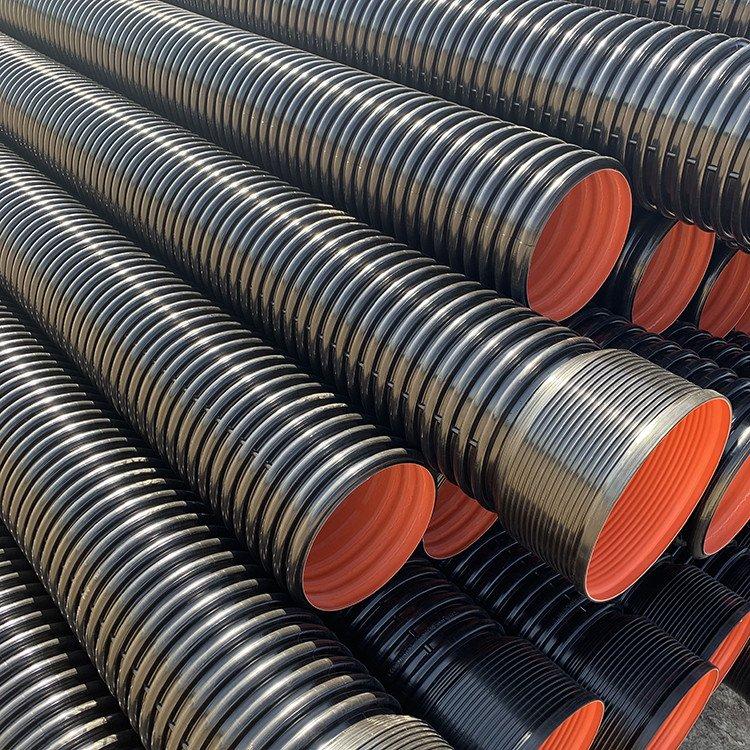
The performance of PVC pipe is governed by several engineering principles. Hydrostatic pressure testing is essential to verify the pipe's ability to withstand internal pressure without failure. ASTM D1597 outlines standard testing procedures. The burst pressure, typically four times the rated working pressure, is a critical parameter. Soil loading considerations are crucial for buried pipelines. The pipe's ability to resist ovalation (deformation under external load) prevents collapse. This is influenced by the pipe's stiffness, often measured by its Modulus of Elasticity. Temperature effects are also significant; PVC becomes more brittle at lower temperatures and can soften under high temperatures. Long-term creep resistance, the tendency to slowly deform under sustained stress, is crucial for long-term reliability. The tensile strength and elongation at break determine the pipe's resistance to tensile forces. Joints are a critical point of potential failure. Solvent welding creates a chemical bond between the pipe and fitting, resulting in a joint strength comparable to the pipe itself when properly executed. Threaded joints, while offering ease of disassembly, are more prone to leakage. The impact of groundwater chemistry on PVC pipe durability is also critical. Sulfate attack and aggressive soil pH levels can accelerate degradation. For potable water applications, the pipe must comply with NSF/ANSI 61 standards to ensure it does not leach harmful contaminants into the water supply.
Technical Specifications
| Parameter | Schedule 40 | Schedule 80 | ASTM D1785 |
|---|---|---|---|
| Material | PVC | PVC | PVC Compound |
| Pressure Rating (PSI) @ 73°F | 400 | 600 | Varies by Size & Compound |
| Temperature Rating (°F) | 140 | 140 | Up to 140°F |
| Tensile Strength (PSI) | 6,000 - 8,000 | 7,000 - 9,000 | >6,000 |
| Impact Strength (Izod Notched, ft-lb/in) | 1.0 - 2.0 | 2.0 - 3.0 | > 1.0 |
| Oxygen Transmission Rate (OTR) | Very Low | Very Low | Negligible |
Failure Mode & Maintenance
PVC pipe is susceptible to several failure modes. Long-term Hydrostatic Stress Cracking (LHSC) occurs due to the combined effect of sustained internal pressure and environmental stress, leading to slow crack propagation. UV degradation causes discoloration and embrittlement, particularly in exposed applications. Solvent attack from contact with certain chemicals can cause swelling, softening, and eventual failure. Rapid Crack Propagation (RCP) is a catastrophic failure mode triggered by pre-existing flaws or notches, exacerbated by impact. Improper installation, such as insufficient bedding support or over-tightening of joints, can induce stress and lead to cracking. Biological attack, particularly from microbial induced corrosion (MIC) in anaerobic environments, can also contribute to degradation. Maintenance involves regular visual inspections for cracks, leaks, or discoloration. Joints should be checked for tightness and signs of deterioration. For buried pipelines, proper cathodic protection may be necessary in corrosive soil environments. If cracks are detected, repair can be achieved using specialized PVC repair couplings or by replacing the damaged section of pipe. Preventative maintenance includes protecting exposed pipes from UV radiation with coatings or shielding, and ensuring proper soil compaction and bedding support during installation. Routine pressure testing can detect hidden leaks before they become major problems.
Industry FAQ
Q: What is the impact of phthalate plasticizers on PVC pipe performance and regulatory compliance?
A: Phthalate plasticizers, while cost-effective, are facing increasing scrutiny due to health concerns. They can leach from the PVC over time, potentially contaminating water supplies. Regulations like REACH (Europe) and Proposition 65 (California) restrict their use. Using phthalate-free plasticizers, such as DINCH, increases the cost but improves regulatory compliance and reduces potential health risks. The type and concentration of plasticizer significantly affect the pipe's flexibility, impact resistance, and low-temperature performance.
Q: How does the quality of PVC stabilizers affect long-term durability, and what are the alternatives to lead-based stabilizers?
A: Stabilizers prevent thermal degradation during processing and UV degradation during service. Lead-based stabilizers were historically common, but concerns over lead leaching have led to their phasing out. Calcium-zinc stabilizers are a widely used alternative, offering good performance but potentially impacting clarity and processing characteristics. Organotin stabilizers provide superior heat stability but are also facing environmental restrictions. The choice of stabilizer dictates the pipe's resistance to discoloration, embrittlement, and cracking over its service life.
Q: What are the key differences between Schedule 40 and Schedule 80 PVC pipe, and when should each be used?
A: Schedule 40 has thinner walls and lower pressure ratings, making it suitable for lower-pressure applications like irrigation and cold water distribution. Schedule 80 has thicker walls and higher pressure ratings, making it appropriate for high-pressure systems, industrial applications, and locations where greater mechanical strength is needed. The cost of Schedule 80 is higher due to the increased material usage.
Q: What testing methods are used to verify the chemical resistance of PVC pipe to different fluids?
A: Immersion testing is a common method, where samples of PVC pipe are exposed to the fluid of interest for an extended period. Changes in weight, dimensions, and mechanical properties are monitored. Accelerated aging tests, using elevated temperatures, can predict long-term performance more quickly. ASTM D1785 details specific testing protocols for evaluating chemical resistance.
Q: What is the role of proper bedding and backfill in the longevity of buried PVC pipelines?
A: Proper bedding and backfill provide critical support and protection to buried PVC pipelines. Compacted, granular material around the pipe prevents stress concentration and ovalation. Inadequate bedding can lead to stress cracking and failure. The type of backfill material should be non-corrosive and adequately compacted to distribute loads evenly. Bedding should conform to local codes and regulations and consider soil conditions.
Conclusion
The “china pvc pipe price per foot” represents a complex interplay of material science, manufacturing efficiency, and global market forces. Understanding the nuances of PVC resin composition, extrusion process control, and performance characteristics is critical for procurement professionals and engineers alike. Selecting the appropriate schedule, stabilizer system, and jointing method directly impacts long-term reliability and compliance with industry standards.
Moving forward, a greater emphasis on sustainable materials and manufacturing practices will likely drive innovation in the PVC pipe industry. The development of bio-based plasticizers and recycling technologies will be crucial for reducing the environmental footprint of PVC. Continued research into improved stabilizer systems and failure mechanisms will further enhance the durability and longevity of these essential infrastructure components.
-
DN25 HDPE Compression Fitting-HORON INTERNATIONAL|Reliable Irrigation Solutions
NewsFeb.11,2026
-
china hdpe pipe for drip irrigation Performance Analysis
News2026-05-04
-
china hdpe pipe for agriculture Performance Analysis
News2026-05-04
-
china hdpe sprinkler pipe price Performance Analysis
News2026-05-04
-
china 2 ppr pipe Performance Analysis
News2026-05-04
-
china pvc pipe price per foot Performance Analysis
News2026-05-04
-
china long pvc pipe Performance Analysis
News2026-05-03
-
china plumbing kitchen sink water lines Performance Analysis
News2026-05-03
-
china hdpe drip irrigation Performance Analysis
News2026-05-03
-
china hot water ppr pipe Performance Analysis
News2026-05-03
-
china ppr plumbing Technical Analysis
News2026-05-03
-
china ppr pipe supplier Manufacturing Analysis
News2026-05-02
-
china 50mm ppr pipe Technical Analysis
News2026-05-02
-
china hdpe drip pipe Performance Analysis
News2026-05-02
-
china hdpe pipe 63mm price Performance Analysis
News2026-05-02
-
china hdpe pipe for potable water Performance Engineering
News2026-05-02