

Feb . 11, 2026 00:01 Back to list
china ppr 14 pipe Performance Analysis
Introduction
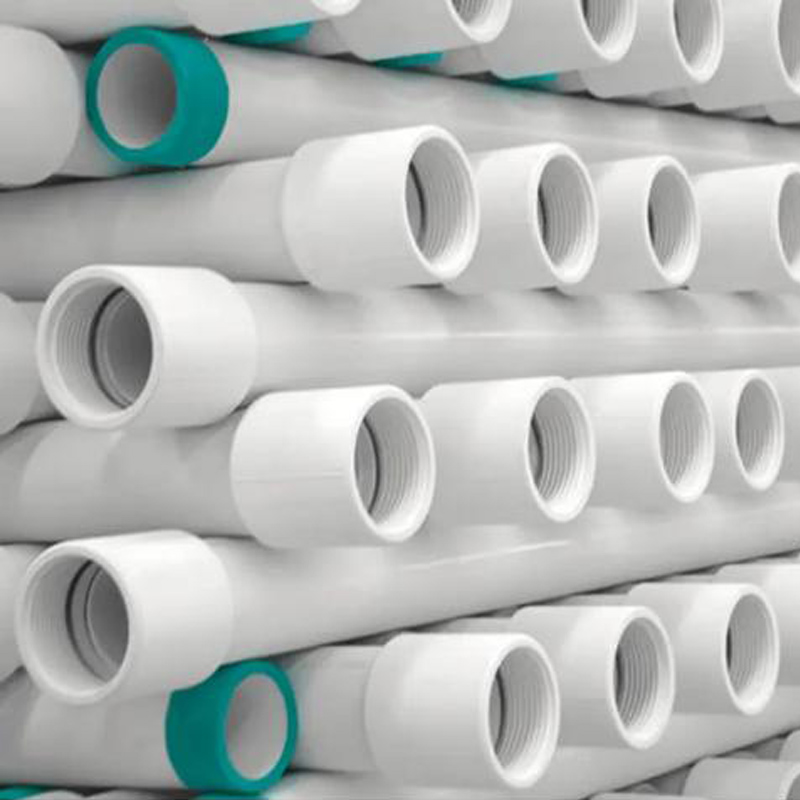
Polypropylene Random (PPR) pipe, specifically the china ppr 14 pipe designation, represents a significant advancement in thermoplastic piping systems for fluid conveyance. The “14” refers to the nominal diameter in millimeters. PPR systems have become a prevalent alternative to traditional metallic piping due to their corrosion resistance, ease of installation, and cost-effectiveness. Positioned within the building and construction materials supply chain, PPR 14 pipe finds application in potable water systems, heating and cooling loops, and industrial fluid transport where chemical inertness is crucial. Core performance characteristics center around pressure resistance, thermal stability, and long-term durability, attributes that directly impact system reliability and operational lifespan. A key industry pain point is ensuring consistent material quality and adherence to international standards given the diverse manufacturing landscape in China.
Material Science & Manufacturing
PPR pipe is manufactured from polypropylene random copolymer, which is created by polymerizing propylene monomers with a small percentage of ethylene. This random copolymerization disrupts the polymer's crystallinity, resulting in enhanced impact resistance and flexibility compared to homopolymer polypropylene. Raw material properties critical to PPR pipe performance include melt flow rate (MFR), which dictates processability; density, influencing mechanical strength; and molecular weight distribution, affecting long-term creep resistance. The manufacturing process typically involves extrusion. Polypropylene granules are fed into an extruder, melted, and then forced through a circular die to create the pipe’s shape. Precise temperature control (typically ranging from 190°C to 240°C) is paramount during extrusion to avoid thermal degradation of the polymer. Cooling is achieved through water baths, followed by dimensional stabilization and cutting to length. Socket fusion, a common joining technique, relies on heating both the pipe end and the fitting socket to a consistent temperature (around 260°C) and pressing them together, creating a homogeneous weld. Parameter control includes maintaining consistent extrusion pressure, die temperature uniformity, and cooling rate. Batch-to-batch variations in raw material quality, particularly the ethylene content in the copolymer, can significantly impact weld strength and overall pipe performance.
Performance & Engineering
The performance of china ppr 14 pipe is governed by its ability to withstand hydrostatic pressure and thermal stresses. Hydrostatic pressure testing, typically conducted per ISO 1167, evaluates the pipe's short-term burst resistance. Engineering analysis focuses on hoop stress calculations based on Barlow’s formula (σ = PD/2t, where σ is hoop stress, P is internal pressure, D is pipe diameter, and t is wall thickness). Long-term performance is significantly affected by creep, the tendency of the material to deform slowly under sustained stress. Creep resistance is enhanced by the random copolymerization of polypropylene. PPR exhibits excellent resistance to a wide range of chemicals, including acids, bases, and salts, making it suitable for various industrial applications. However, prolonged exposure to strong oxidizing agents should be avoided. Environmental resistance includes UV degradation, necessitating the use of UV stabilizers in outdoor applications. Compliance requirements often mandate adherence to drinking water standards (e.g., NSF/ANSI 61) to ensure no harmful contaminants leach into the fluid being transported. Thermal expansion is another key consideration, typically around 0.15 mm/m/°C, and must be accommodated in system design through expansion loops or flexible connectors to prevent stress on joints.
Technical Specifications
| Parameter | Unit | PPR 14 Pipe (Typical) | Testing Standard |
|---|---|---|---|
| Nominal Diameter | mm | 14 | GB/T 8892.1 |
| Wall Thickness | mm | 2.3 - 3.2 | GB/T 8892.1 |
| Pressure Rating (PN) | Bar | PN16 (2.0 MPa) / PN20 (2.5 MPa) | ISO 1167 |
| Maximum Operating Temperature | °C | 70 | DIN 19569 |
| Short-Term Hydrostatic Pressure | Bar | >6.4 MPa (PN16), >8 MPa (PN20) | ISO 1167 |
| Long-Term Hydrostatic Pressure (50 years) | Bar | 1.6 MPa (PN16), 2.0 MPa (PN20) | ISO 1167 |
Failure Mode & Maintenance
Common failure modes in china ppr 14 pipe include slow crack growth (SCG), particularly in areas of high stress concentration (e.g., near socket fusion joints). SCG is often initiated by residual stresses, chemical attack (from certain cleaning agents or disinfectants), or environmental factors. Fatigue cracking can occur due to cyclic pressure fluctuations or mechanical vibrations. Delamination can occur if insufficient heat is applied during socket fusion, resulting in an incomplete weld. Oxidation can lead to embrittlement and reduced impact resistance over extended periods, especially at elevated temperatures. Maintenance involves regular visual inspections for leaks or signs of deformation. Avoid using abrasive cleaning agents that could scratch the pipe surface and create stress risers. In the event of a leak, the affected section should be cut out and replaced with a new section using proper socket fusion techniques. Proper support and anchoring of the pipe are crucial to prevent excessive stress and strain. Periodic pressure testing can identify potential weaknesses before they lead to catastrophic failure. Preventative maintenance also includes water quality monitoring to minimize chemical attack.
Industry FAQ
Q: What is the impact of water hardness on the long-term performance of PPR 14 pipe?
A: High water hardness, particularly with calcium and magnesium deposits, can lead to scale buildup inside the pipe, reducing the internal diameter and increasing flow resistance. While PPR itself is resistant to scale adhesion, the reduced flow can accelerate corrosion in any metallic fittings connected to the system. Regular flushing or the use of water softeners is recommended in areas with hard water.
Q: How does the quality of socket fusion equipment affect the reliability of the joints?
A: The quality and calibration of socket fusion equipment are paramount. Inconsistent heating temperatures or improper fusion times can result in incomplete welds, leading to joint failure. Using certified and regularly maintained equipment, alongside properly trained technicians, is essential. Non-contact heating elements are generally preferred for greater temperature control.
Q: What is the permissible level of chlorine in potable water for PPR systems?
A: While PPR is generally resistant to chlorine, prolonged exposure to high concentrations (above 2 ppm) can accelerate polymer degradation. It is recommended to adhere to local drinking water regulations and minimize chlorine levels where possible. Activated carbon filters can be used to reduce chlorine content.
Q: How does the pipe compare to CPVC in terms of temperature resistance?
A: CPVC (Chlorinated Polyvinyl Chloride) generally exhibits higher temperature resistance than PPR. CPVC can handle continuous operating temperatures up to 93°C, while PPR is typically limited to 70°C. Therefore, CPVC is preferred for hot water applications demanding higher temperatures.
Q: What standards ensure the long-term creep resistance of PPR 14 pipe?
A: ISO 1167 and GB/T 8892.1 include provisions for assessing long-term hydrostatic strength, effectively evaluating creep resistance. Manufacturers should provide creep rupture testing data demonstrating the pipe’s ability to withstand sustained pressure over an extended service life (typically 50 years).
Conclusion
China ppr 14 pipe represents a robust and cost-effective solution for a wide range of fluid conveyance applications. Its inherent corrosion resistance, coupled with the ease of installation afforded by socket fusion, positions it as a competitive alternative to traditional metallic piping systems. However, realizing its full potential necessitates meticulous attention to material quality control, proper installation techniques, and adherence to relevant international standards.
Ultimately, successful implementation hinges on a comprehensive understanding of the material’s performance characteristics, potential failure modes, and the importance of preventative maintenance. Future advancements in PPR technology are likely to focus on enhancing creep resistance, improving UV stability, and developing more sophisticated joining methods. These improvements will solidify PPR’s position as a leading material in the piping industry.
-
DN25 HDPE Compression Fitting-HORON INTERNATIONAL|Reliable Irrigation Solutions
NewsFeb.11,2026
-
china pvc pipe class 7 Performance Analysis
News2026-05-05
-
china 63mm pvc pipe Performance Analysis
News2026-05-05
-
china hdpe to steel transition coupling Performance Analysis
News2026-05-05
-
china kitchen water pipe Performance Analysis
News2026-05-05
-
china ppr 14 pipe Performance Analysis
News2026-05-05
-
china hdpe pipe for drip irrigation Performance Analysis
News2026-05-04
-
china hdpe pipe for agriculture Performance Analysis
News2026-05-04
-
china hdpe sprinkler pipe price Performance Analysis
News2026-05-04
-
china 2 ppr pipe Performance Analysis
News2026-05-04
-
china pvc pipe price per foot Performance Analysis
News2026-05-04
-
china long pvc pipe Performance Analysis
News2026-05-03
-
china plumbing kitchen sink water lines Performance Analysis
News2026-05-03
-
china hdpe drip irrigation Performance Analysis
News2026-05-03
-
china hot water ppr pipe Performance Analysis
News2026-05-03
-
china ppr plumbing Technical Analysis
News2026-05-03