

Feb . 11, 2026 00:01 Back to list
china hdpe conduit fittings Performance Analysis
Introduction
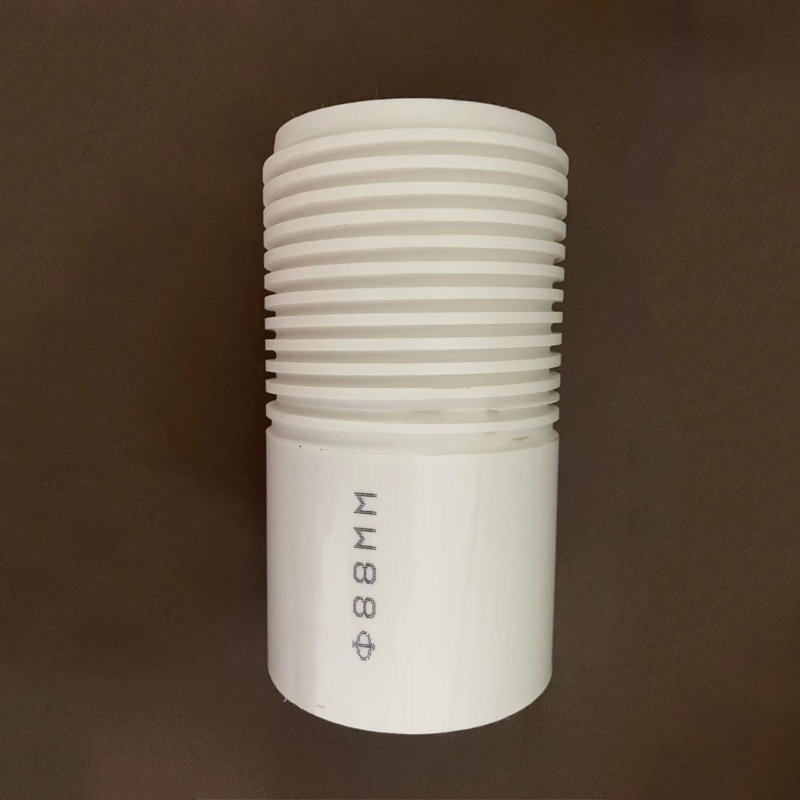
High-Density Polyethylene (HDPE) conduit fittings, manufactured in China, represent a critical component in modern infrastructure for electrical, telecommunications, and direct burial applications. These fittings facilitate the secure and reliable routing of cables and conductors, offering robust protection against environmental factors and physical damage. Their position in the industry chain is directly downstream from HDPE resin production, involving injection molding, extrusion, and often electrofusion welding processes to connect lengths of HDPE conduit. Core performance characteristics are defined by their pressure resistance, impact strength, chemical inertness, and adherence to stringent industry standards concerning pull strength and long-term environmental stability. The proliferation of fiber optic networks and increasing demands for underground infrastructure contribute to the significant growth and evolving technical requirements within this sector. A primary industry pain point revolves around ensuring consistent quality control, particularly regarding dimensional accuracy and weld integrity, across varying manufacturing facilities.
Material Science & Manufacturing
HDPE conduit fittings are predominantly manufactured from high-density polyethylene resin, typically conforming to PE100 or PE80 classifications as per ISO 4427. PE100 offers superior mechanical properties and long-term hydrostatic strength. Raw material characteristics vital for fitting performance include molecular weight distribution (MWD), melt flow index (MFI), and density. A narrower MWD generally enhances impact resistance and creep resistance. Manufacturing commonly employs injection molding for smaller fittings (couplings, elbows) and rotational molding for larger diameter components. Electrofusion welding, a solid-state welding process, is paramount for creating leak-proof, structurally sound joints. This process relies on controlled heating using resistive elements within the fitting and conduit, creating a homogenous weld area. Key parameters during injection molding include melt temperature (typically 200-250°C), mold temperature (30-50°C), and injection pressure (typically 70-100 MPa). For electrofusion welding, crucial control variables include welding voltage, welding time, and cooling time, all dictated by conduit diameter and fitting geometry. Dimensional tolerances, particularly socket depths and diameters, are meticulously controlled to ensure secure and reliable connections. Post-molding processes often involve stress relieving to minimize residual stresses that could contribute to premature failure.
Performance & Engineering
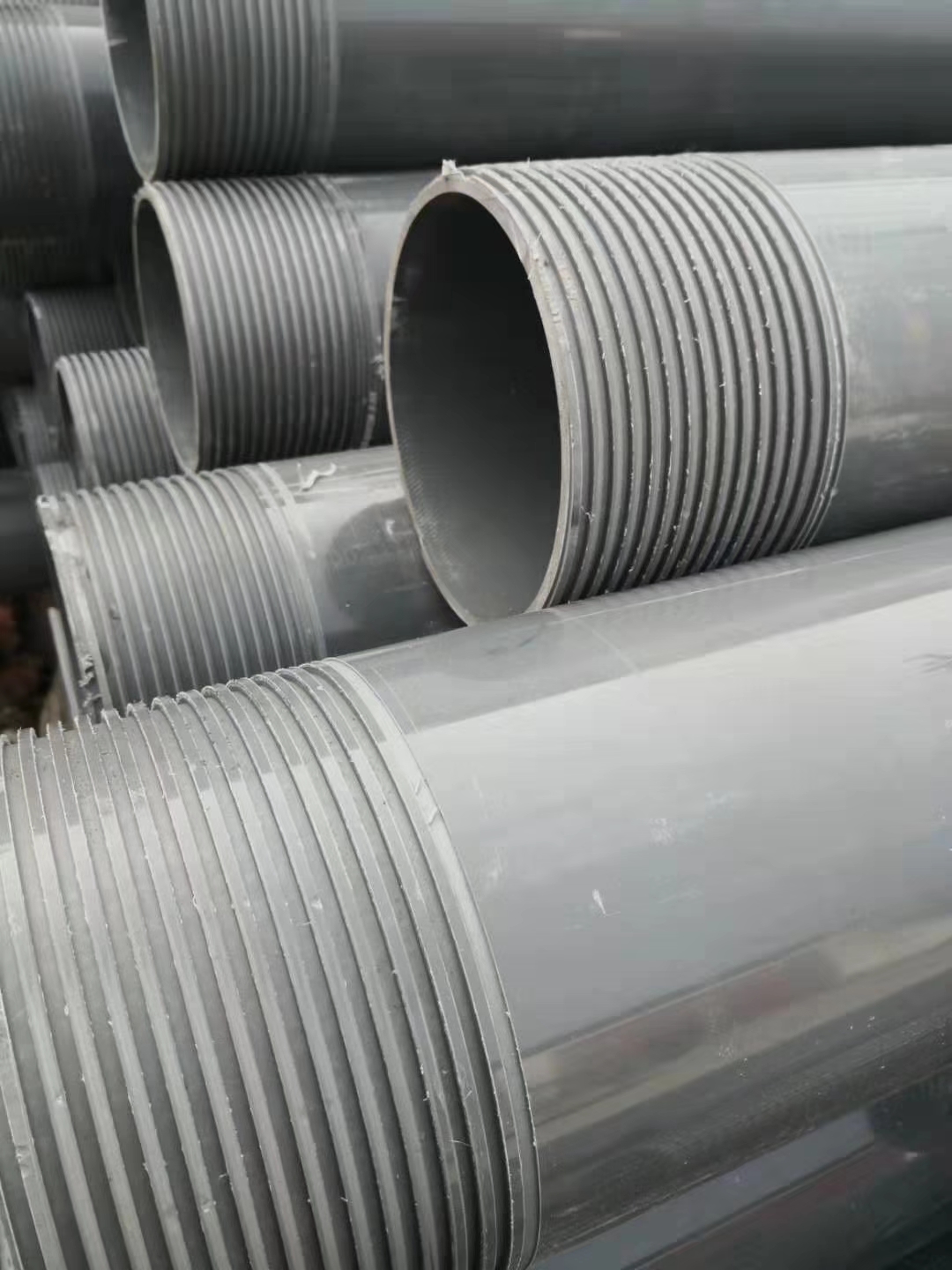
The performance of HDPE conduit fittings is fundamentally governed by their ability to withstand internal pressure, external loads, and environmental stressors. Force analysis considers hoop stress generated by internal fluid pressure (in the case of pressurized systems) and bending moments induced by soil loading or traffic. HDPE’s inherent ductility provides significant resistance to crack propagation. Environmental resistance is critical; HDPE exhibits excellent chemical resistance to acids, alkalis, and salts, minimizing degradation in corrosive environments. However, long-term exposure to UV radiation can induce oxidation and embrittlement, necessitating the inclusion of UV stabilizers in the HDPE formulation. Compliance requirements, specifically IEC 60502-2 and ASTM F2166, dictate stringent testing protocols for dielectric strength, impact resistance (Charpy and Izod impact tests), and long-term hydrostatic strength. These standards also specify minimum Short Term Hydrostatic Strength (STHS) and Minimum Long Term Hydrostatic Strength (LTHS) values. Furthermore, pull-out force tests are conducted to verify the integrity of welded joints, ensuring they can withstand expected tensile loads during cable installation and operation. Fatigue analysis is crucial in applications subject to cyclic loading, such as railway infrastructure or areas prone to seismic activity.
Technical Specifications
| Parameter | Unit | PE80 (Typical) | PE100 (Typical) |
|---|---|---|---|
| Density | kg/m³ | 930-955 | 950-970 |
| Melt Flow Index (MFI) | g/10min | 0.3-0.8 | 0.1-0.5 |
| STHS (Short Term Hydrostatic Strength) | MPa | 6.3 | 8.0 |
| LTHS (Long Term Hydrostatic Strength - 50 years) | MPa | 4.0 | 5.0 |
| Impact Strength (Charpy, -20°C) | kJ/m² | >20 | >30 |
| Electrofusion Welding Time (Example - 110mm fitting) | seconds | 45-60 | 40-55 |
Failure Mode & Maintenance
Failure modes in HDPE conduit fittings commonly arise from several sources. Slow Crack Growth (SCG), induced by sustained tensile stress and aggressive chemicals, can lead to brittle fracture, particularly in older PE80 materials. Fatigue cracking can occur in areas subjected to cyclic loading, initiating at stress concentrators (e.g., weld seams, sharp corners). Oxidation, resulting from prolonged UV exposure, causes material embrittlement and a reduction in mechanical properties. Delamination can occur in improperly welded joints due to insufficient fusion or contamination during the welding process. Damage during installation, such as over-bending or impact from heavy machinery, can also compromise fitting integrity. Maintenance primarily focuses on preventative measures: regular visual inspections for cracks, deformation, or discoloration. Periodic testing of joint integrity using non-destructive methods (e.g., ultrasonic testing) is recommended for critical infrastructure. If damage is detected, localized repairs using compatible HDPE welding rods are possible, but full replacement is often the preferred solution for significant defects. Proper backfilling procedures, avoiding sharp rocks and excessive compaction directly above the conduit, are crucial to prevent mechanical damage. Implement a schedule for UV protection or burial depth considerations to mitigate oxidation.
Industry FAQ
Q: What is the key difference between PE80 and PE100 fittings in terms of long-term performance?
A: PE100 fittings offer significantly higher long-term hydrostatic strength (LTHS) compared to PE80, translating to a longer service life and increased resistance to creep deformation under sustained pressure. This is due to PE100’s improved molecular structure and resistance to environmental stress cracking.
Q: What are the critical considerations for ensuring a reliable electrofusion weld?
A: Proper surface preparation (cleaning and drying) is paramount. Using the correct welding parameters (voltage, time) specified by the fitting manufacturer, ensuring a tight fit between the conduit and fitting, and avoiding any contamination during the welding process are all critical. Post-weld cooling must also be controlled.
Q: How does UV exposure affect HDPE conduit fittings and what mitigation strategies are recommended?
A: Prolonged UV exposure causes oxidation and embrittlement, reducing the material’s impact strength and tensile strength. Mitigation strategies include incorporating UV stabilizers into the HDPE formulation, using UV-resistant coatings, or providing adequate burial depth to shield the fittings from direct sunlight.
Q: What testing is typically performed to verify the quality of HDPE conduit fittings before installation?
A: Common tests include visual inspection for defects, dimensional verification, hydrostatic pressure testing (STHS and LTHS), impact strength testing (Charpy or Izod), and pull-out force testing of welded joints. Dielectric strength tests are also conducted for electrical applications.
Q: What are the implications of using incompatible fittings with different HDPE resin grades?
A: Using fittings with incompatible HDPE resin grades (e.g., attempting to weld a PE80 fitting to PE100 conduit) can result in weak or unreliable welds due to differing melting temperatures and chemical incompatibilities. Always ensure compatibility based on manufacturer specifications.
Conclusion
China-manufactured HDPE conduit fittings are essential components of robust infrastructure, offering a durable and cost-effective solution for protecting cables and conductors. Their performance is deeply rooted in the material science of HDPE, specifically its density, molecular weight distribution, and the inclusion of stabilizers. Successful implementation requires meticulous attention to manufacturing processes, particularly electrofusion welding, and adherence to stringent industry standards like ISO 4427 and ASTM F2166.
Looking ahead, the industry is likely to see increased adoption of advanced HDPE formulations with enhanced UV resistance and impact strength. Furthermore, advancements in non-destructive testing methods will enable more comprehensive quality control and proactive identification of potential failure points. Maintaining a commitment to rigorous testing, proper installation practices, and regular maintenance will be crucial for maximizing the long-term reliability and service life of HDPE conduit systems.
-
DN25 HDPE Compression Fitting-HORON INTERNATIONAL|Reliable Irrigation Solutions
NewsFeb.11,2026
-
china hdpe reducer coupling Performance Analysis
News2026-05-06
-
china ppr pipe cost Performance Analysis
News2026-05-06
-
china pvc pipe for sale Performance Analysis
News2026-05-06
-
china 6 double wall corrugated pipe Performance Analysis
News2026-05-06
-
china hdpe conduit fittings Performance Analysis
News2026-05-06
-
china pvc pipe class 7 Performance Analysis
News2026-05-05
-
china 63mm pvc pipe Performance Analysis
News2026-05-05
-
china hdpe to steel transition coupling Performance Analysis
News2026-05-05
-
china kitchen water pipe Performance Analysis
News2026-05-05
-
china ppr 14 pipe Performance Analysis
News2026-05-05
-
china hdpe pipe for drip irrigation Performance Analysis
News2026-05-04
-
china hdpe pipe for agriculture Performance Analysis
News2026-05-04
-
china hdpe sprinkler pipe price Performance Analysis
News2026-05-04
-
china 2 ppr pipe Performance Analysis
News2026-05-04
-
china pvc pipe price per foot Performance Analysis
News2026-05-04