

Feb . 11, 2026 00:01 Back to list
pvc pipe price per foot manufacturers Material Science
Introduction
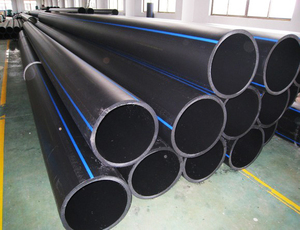
Polyvinyl Chloride (PVC) pipe represents a ubiquitous material in modern infrastructure, particularly for fluid conveyance systems. The 'price per foot' metric is a core consideration for procurement professionals, heavily influenced by resin grade, schedule (wall thickness), diameter, and manufacturing certifications. PVC pipe’s prevalence stems from its cost-effectiveness, corrosion resistance, and relative ease of installation. Within the broader plastics industry, PVC occupies a significant position, competing with materials like HDPE, CPVC, and ductile iron depending on application demands. This guide details the material science, manufacturing processes, performance characteristics, failure modes, and relevant standards for PVC pipe, with a specific focus on factors impacting cost and long-term reliability. The competitive landscape of PVC pipe manufacturers is increasingly driven by adherence to stringent quality control and the ability to offer tailored solutions, influencing the final price per foot.
Material Science & Manufacturing
PVC is a thermoplastic polymer derived from the polymerization of vinyl chloride monomer (VCM). The raw material, ethylene dichloride (EDC), is cracked to produce VCM, which is then polymerized. PVC exists in two primary forms: rigid PVC and flexible PVC. Rigid PVC, typically used for piping, relies on additives to enhance processing and impact resistance, but maintains inherent stiffness. Key raw material properties impacting pipe quality include K-value (molecular weight), which directly affects melt viscosity and mechanical properties, and the concentration of residual vinyl chloride monomer (VCM), tightly regulated due to health concerns. Manufacturing processes primarily involve extrusion. PVC compound is fed into an extruder, heated to a plasticized state, and forced through a die to create the desired pipe diameter and schedule. Critical parameters during extrusion include barrel temperature profile (typically ranging from 160°C to 210°C), screw speed, and die geometry. Cooling is achieved via water baths, followed by dimensional stabilization and cutting to length. The quality of the PVC resin, the precise mixing of additives (stabilizers, lubricants, impact modifiers, and colorants), and strict control of extrusion parameters are all crucial to achieving consistent pipe dimensions, mechanical strength, and long-term durability. Hydrostatic testing is a common quality control measure, verifying the pipe's ability to withstand internal pressure. Pipe size and schedule dictate the resin volume required, directly influencing material costs and the final price per foot.
Performance & Engineering
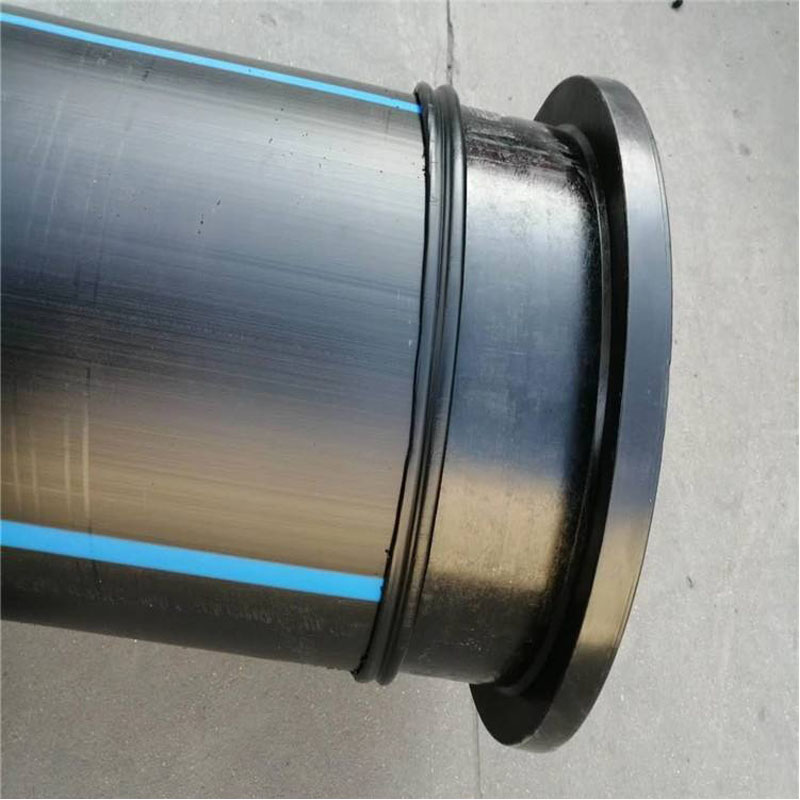
The performance of PVC pipe is dictated by several engineering factors. Tensile strength, typically ranging from 50-70 MPa for rigid PVC, determines the pipe’s resistance to longitudinal stress. Impact strength, often measured using Izod or Charpy tests, indicates its susceptibility to brittle fracture, especially at low temperatures. PVC’s resistance to chemical corrosion is a significant advantage, making it suitable for transporting a wide range of fluids. However, certain solvents and strong oxidizing agents can cause degradation. Long-term hydrostatic strength (LTHS) is a critical parameter for pressure applications. LTHS is derived from hydrostatic stress rupture testing, considering factors like temperature and time. The safety factor applied to LTHS is typically determined by relevant standards and application requirements. Environmental resistance is also paramount. UV exposure can cause PVC degradation, leading to embrittlement and discoloration. Stabilizers are incorporated into the PVC formulation to mitigate UV damage. Temperature affects PVC’s mechanical properties; elevated temperatures reduce strength and increase creep. Soil loading, particularly in buried applications, must be considered in the engineering design. The pipe's ability to withstand external loads without deformation or failure is critical. Joint design (solvent-welded, threaded, or flanged) also significantly influences overall system performance and long-term integrity. The selection of appropriate jointing methods and adherence to proper installation procedures are essential to prevent leaks and ensure system reliability.
Technical Specifications
| Parameter | Schedule 40 (inches) | Schedule 80 (inches) | ASTM D1785 Specification | Typical Price/Foot Range (USD) |
|---|---|---|---|---|
| 1/2" Nominal Diameter | 0.625" OD x 0.550" ID | 0.625" OD x 0.500" ID | Compliant | $0.30 - $0.60 |
| 1" Nominal Diameter | 1.050" OD x 0.880" ID | 1.050" OD x 0.820" ID | Compliant | $0.60 - $1.20 |
| 2" Nominal Diameter | 2.375" OD x 2.067" ID | 2.375" OD x 1.939" ID | Compliant | $1.50 - $3.00 |
| 3" Nominal Diameter | 3.500" OD x 3.068" ID | 3.500" OD x 2.900" ID | Compliant | $3.00 - $6.00 |
| 4" Nominal Diameter | 4.500" OD x 4.026" ID | 4.500" OD x 3.860" ID | Compliant | $5.00 - $10.00 |
| Material | Rigid PVC | Rigid PVC | PVC Type I, Grade 1 | Varies by supplier & quantity |
Failure Mode & Maintenance
PVC pipe is susceptible to several failure modes. Brittle fracture, particularly in cold temperatures or under impact loads, is a common concern. Long-term creep, the gradual deformation under sustained stress, can occur, especially at elevated temperatures. Environmental stress cracking (ESC), induced by the combined action of stress and chemical exposure, can lead to premature failure. UV degradation, as previously mentioned, causes embrittlement and loss of impact strength. Soil-induced corrosion, though PVC is generally corrosion-resistant, can occur due to certain soil chemistries or stray electrical currents. Joint failures, resulting from improper solvent welding or loose threaded connections, are a frequent source of leaks. Maintenance involves regular visual inspections for cracks, deformation, and leaks. Pressure testing can verify system integrity. For buried pipes, cathodic protection may be necessary in corrosive soil environments. UV-damaged sections should be replaced. Damaged joints should be repaired or replaced. Preventative maintenance, including proper installation and adherence to recommended operating conditions, significantly extends the service life of PVC pipe. Routine cleaning to remove debris and prevent blockages is also essential for maintaining flow capacity and preventing pressure buildup. Proper backfilling procedures during installation are also critical to preventing external stresses and deformations.
Industry FAQ
Q: What is the impact of PVC resin price fluctuations on the price per foot of PVC pipe?
A: PVC resin constitutes a significant portion of the overall manufacturing cost (typically 50-60%). Fluctuations in ethylene and vinyl chloride monomer prices directly impact resin costs, and are subsequently passed on to pipe manufacturers, influencing the price per foot. Global supply chain disruptions and geopolitical events can exacerbate these price swings.
Q: How does the Schedule number (e.g., Schedule 40 vs. Schedule 80) affect the cost?
A: Higher Schedule numbers denote thicker pipe walls, requiring more material. Schedule 80 pipe requires approximately 25-30% more PVC resin than Schedule 40 pipe of the same diameter, leading to a higher price per foot. Schedule 80 is typically used for higher pressure applications.
Q: What quality control certifications should I look for from a PVC pipe manufacturer?
A: Essential certifications include ASTM D1785 (standard specification for PVC pipe) and NSF/ANSI 61 (for potable water applications). ISO 9001 certification demonstrates a robust quality management system. Look for manufacturers with independent third-party testing and certification of their products.
Q: What is the difference between Type I and Type III PVC, and how does it influence price?
A: Type I PVC is generally used for pressure applications and exhibits higher strength and impact resistance. Type III PVC is often used for gravity flow and drainage applications. Type I PVC typically commands a higher price per foot due to its superior material properties and performance characteristics.
Q: How does pipe diameter influence the price per foot, and are there economies of scale?
A: Larger diameter pipes require more material and greater extrusion forces, generally resulting in a higher price per foot. However, economies of scale can come into play with bulk orders. Manufacturers often offer volume discounts, reducing the per-foot cost for larger quantities. Freight costs also increase with pipe diameter and volume.
Conclusion
PVC pipe remains a dominant material in numerous piping applications due to its balanced combination of cost-effectiveness, durability, and chemical resistance. Understanding the interplay between material science, manufacturing processes, and performance characteristics is crucial for informed procurement decisions. The ‘price per foot’ is not merely a cost metric, but a reflection of resin grade, schedule, quality control, and manufacturing efficiency. Careful consideration of application requirements, adherence to relevant standards, and proactive maintenance are essential to maximizing the lifespan and return on investment of PVC pipe systems.
Looking ahead, advancements in PVC compounding technology, including the development of bio-based PVC and improved stabilizer systems, promise to enhance the sustainability and performance of PVC pipe. Increased focus on circular economy principles, such as PVC recycling and reuse, will also play a growing role in reducing environmental impact and controlling raw material costs. Continued innovation in extrusion techniques and quality control methodologies will further optimize manufacturing processes, potentially leading to reduced prices and improved product consistency.
-
DN25 HDPE Compression Fitting-HORON INTERNATIONAL|Reliable Irrigation Solutions
NewsFeb.11,2026
-
china 32 mm ppr pipe Performance Analysis
News2026-04-25
-
china ppr pipe for hot water supply Performance Analysis
News2026-04-25
-
china double walled drainage pipe Performance Analysis
News2026-04-25
-
china black hdpe pipe Manufacturing Analysis
News2026-04-25
-
china dn25 ppr hot water pipes for kitchen Performance Analysis
News2026-04-25
-
china pvc to hdpe connection Performance Analysis
News2026-04-24
-
china ppr pipe elbow Performance Analysis
News2026-04-24
-
china hdpe straight coupler Performance Analysis
News2026-04-24
-
china what are pvc pipes used for Performance Analysis
News2026-04-24
-
china hdpe flexible irrigation pipe Performance Analysis
News2026-04-24
-
china 40mm pvc pipe Material and Manufacturing
News2026-04-23
-
china hdpe to pvc connection Performance Analysis
News2026-04-23
-
china ppr pipe 1 price Performance Analysis
News2026-04-23
-
china colored pvc pipe Performance Analysis
News2026-04-23
-
china hdpe pipe price list pdf Performance Analysis
News2026-04-23