

Feb . 11, 2026 00:01 Back to list
pvc pipe price per foot manufacturer Performance Analysis
Introduction
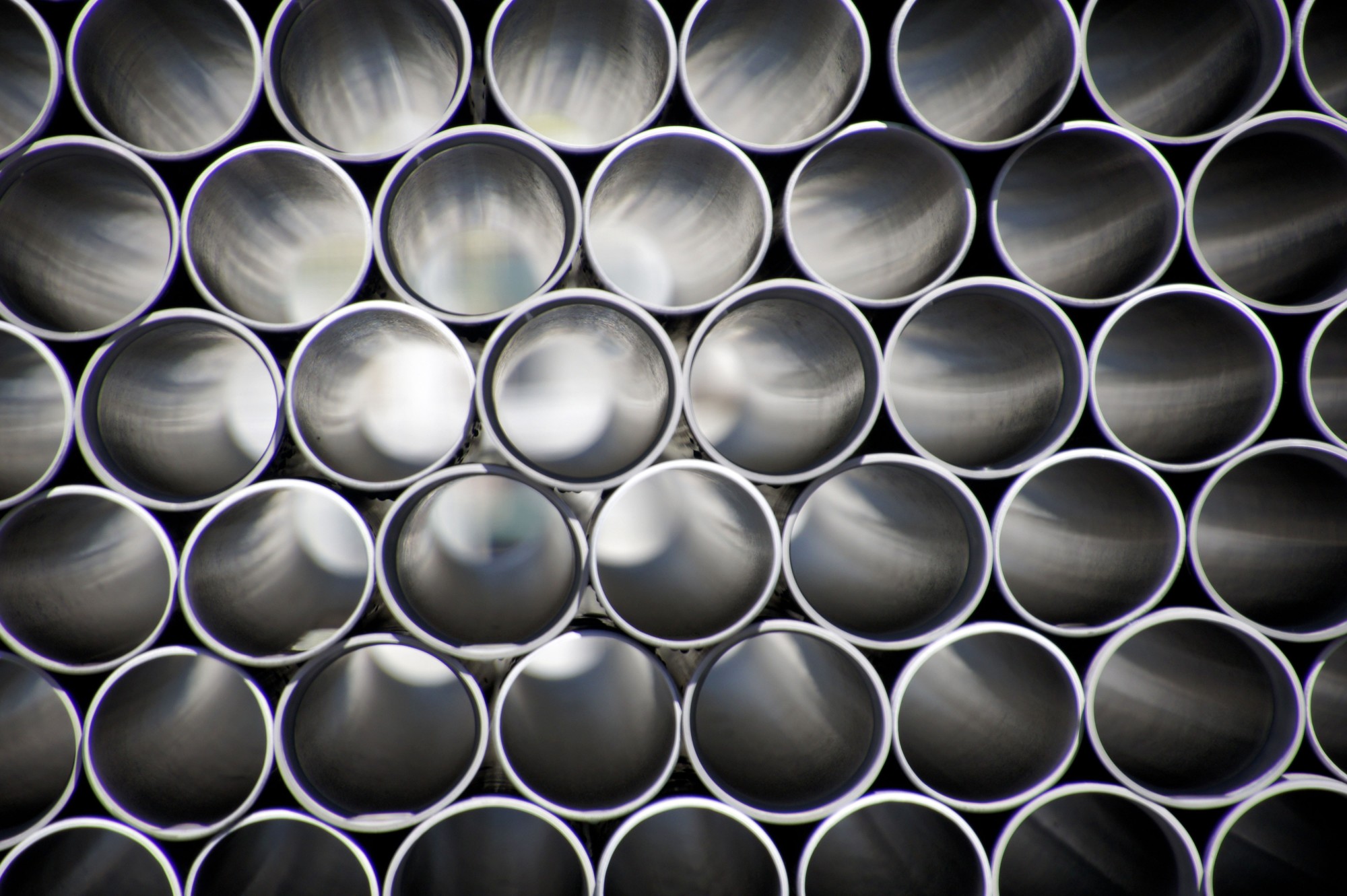
Polyvinyl Chloride (PVC) pipe represents a foundational element in modern infrastructure, spanning applications from potable water distribution and wastewater management to irrigation and industrial fluid conveyance. The “price per foot” metric, while seemingly simple, encapsulates a complex interplay of raw material costs, manufacturing processes, diameter, schedule (wall thickness), and regional market dynamics. This technical guide provides an in-depth exploration of PVC pipe, detailing its material science, manufacturing nuances, performance characteristics, potential failure modes, and relevant industry standards. Understanding these aspects is crucial for procurement managers, engineers, and asset owners aiming to optimize lifecycle costs and ensure reliable system performance. The industry currently faces challenges including fluctuating vinyl chloride monomer (VCM) pricing, increased demand driven by infrastructure projects, and a growing emphasis on sustainable manufacturing practices, all influencing the final price per foot.
Material Science & Manufacturing
PVC pipe is fundamentally a thermoplastic polymer derived from the polymerization of vinyl chloride monomer (VCM). The raw material, ethylene dichloride (EDC), is created by directly combining ethylene and chlorine. EDC then undergoes pyrolysis to yield VCM, which is subsequently polymerized into PVC resin. The resin, in its pure form, is brittle and requires the addition of plasticizers, stabilizers, lubricants, and other additives to achieve the desired flexibility, impact resistance, and long-term durability. Common plasticizers include phthalates and increasingly, alternatives like DINP and DOTP due to health and environmental concerns. Stabilizers, such as organotin compounds or calcium-zinc stabilizers, protect the PVC from degradation during processing and use, particularly exposure to heat and ultraviolet (UV) radiation.
Manufacturing typically employs extrusion processes. PVC compound is fed into a single or twin-screw extruder, where it’s heated and homogenized. The molten PVC is then forced through a die, shaping it into the desired pipe diameter and wall thickness (schedule). Critical parameters during extrusion include temperature control – maintaining consistent melt temperature to prevent degradation – screw speed, die design, and cooling rates. Cooling is often achieved through water baths, meticulously controlled to ensure dimensional stability and prevent warping. Post-extrusion, pipes undergo cutting, belling (for solvent welding), and quality control inspections. Different manufacturing methods, such as cellular core PVC pipe production, introduce air into the pipe wall to reduce weight and cost, impacting rigidity and certain performance characteristics. The choice of manufacturing process significantly affects the pipe’s price point.
Performance & Engineering
The engineering performance of PVC pipe is dictated by several key factors: tensile strength, burst pressure, impact resistance, and long-term hydrostatic strength. Tensile strength, typically around 50-70 MPa, determines the pipe’s resistance to stretching forces. Burst pressure, a critical metric for pressure-rated applications, is determined through hydrostatic testing according to standards like ASTM D1501. Impact resistance, measured by Izod or Charpy impact tests (ASTM D2561), is crucial for preventing brittle failure during installation or due to external forces. Long-term hydrostatic strength (LTHS) is perhaps the most important parameter, reflecting the pipe's ability to withstand sustained internal pressure over decades. LTHS is heavily influenced by temperature and the quality of the PVC compound.
Environmental resistance is also paramount. PVC exhibits good resistance to many chemicals, but prolonged exposure to certain solvents and hydrocarbons can cause swelling or degradation. UV resistance is enhanced through the addition of UV stabilizers. Soil conditions also play a role; corrosive soils can contribute to chemical attack. Force analysis in buried applications must account for soil loads, traffic loads, and potential differential settlement. Compliance with relevant building codes and industry standards (AWWA, ASTM) is non-negotiable, dictating minimum performance requirements for specific applications. The long-term creep resistance of PVC is crucial for maintaining pressure ratings over its service life.
Technical Specifications
| Parameter | Schedule 40 PVC | Schedule 80 PVC | CPVC (Chlorinated PVC) | ASTM D1785 Specification |
|---|---|---|---|---|
| Typical Operating Pressure (psi) | 200 psi @ 73°F | 600 psi @ 73°F | 400 psi @ 73°F | Pressure ratings vary by size and schedule |
| Tensile Strength (MPa) | 62-69 | 62-69 | 75-85 | Minimum 55 MPa |
| Impact Strength (Izod Notched, J/m) | 400-600 | 500-700 | 600-800 | Minimum 64 J/m |
| Water Absorption (24 hrs, %) | 0.2-0.5 | 0.2-0.5 | 0.1-0.3 | Maximum 0.7% |
| Operating Temperature Range (°F) | -40 to 140 | -40 to 140 | -40 to 180 | Dependent on application and pressure |
| Long Term Hydrostatic Strength (LTHS) (% of Burst Pressure) | 50% | 63% | 50% | Varies, typically 40-65% |
Failure Mode & Maintenance
PVC pipe, despite its durability, is susceptible to several failure modes. Brittle Fracture can occur due to impact during handling or installation, particularly in colder temperatures. Environmental Stress Cracking (ESC) is a significant concern, especially when exposed to certain chemicals or sustained tensile stress. Hydrostatic Failure results from exceeding the pipe’s pressure rating. UV Degradation can embrittle the pipe surface over prolonged exposure to sunlight. Soil Corrosion, as mentioned earlier, can attack the pipe material. Joint Failure, common in solvent-welded joints, often arises from improper preparation, insufficient adhesive application, or poor solvent quality.
Preventative maintenance includes regular visual inspections for cracks, discoloration, or deformation. Protecting buried pipes from external loads and corrosive soils is crucial. Proper installation techniques, adhering to manufacturer's guidelines and relevant standards, are paramount. For solvent-welded joints, ensure proper surface preparation (cleaning and priming) and use of compatible solvents. Periodic pressure testing can identify potential leaks. In instances of minor cracking, repair sleeves or couplings can be employed. However, severely damaged pipe sections should be replaced entirely. Routine flushing can prevent sediment buildup, maintaining flow capacity and minimizing internal stress.
Industry FAQ
Q: What is the primary driver of price fluctuations in the PVC pipe market?
A: The price of Vinyl Chloride Monomer (VCM) is the single largest cost component in PVC pipe manufacturing, and therefore, its price volatility directly impacts the price per foot of PVC pipe. Crude oil prices also indirectly influence VCM pricing. Supply chain disruptions and increased demand also play a role.
Q: How does Schedule 80 PVC compare to Schedule 40 in terms of cost and application?
A: Schedule 80 PVC has thicker walls and a higher pressure rating than Schedule 40. Consequently, it’s more expensive per foot due to the increased material usage. It's typically used in applications requiring higher pressure or greater physical robustness, such as industrial fluid handling or high-demand water systems.
Q: What is the impact of using recycled PVC on the pipe’s performance and price?
A: Using recycled PVC can reduce the price per foot, but the amount of recycled content is often limited to maintain performance characteristics. The quality of the recycled material is critical; contamination can compromise strength and durability. Reputable manufacturers carefully control the source and processing of recycled PVC.
Q: How does CPVC (Chlorinated PVC) differ from standard PVC and what are its cost implications?
A: CPVC is PVC that has been chlorinated, resulting in increased temperature resistance and improved fire performance. It is significantly more expensive than standard PVC due to the additional manufacturing step and specialized resin. CPVC is generally used for hot water distribution and corrosive fluid applications.
Q: What is the expected service life of a properly installed PVC pipe system?
A: With proper installation and under typical operating conditions, a PVC pipe system can have a service life of 50-100 years or more. Factors like soil conditions, water quality, and operating pressure significantly influence longevity. Regular inspection and preventative maintenance can further extend the service life.
Conclusion
The price per foot of PVC pipe is a complex metric influenced by a multitude of factors, ranging from raw material costs and manufacturing processes to performance specifications and industry standards. A comprehensive understanding of PVC’s material science, potential failure modes, and applicable regulations is essential for informed procurement decisions and ensuring long-term system reliability. Selecting the appropriate schedule, compound, and installation techniques are critical for maximizing value and minimizing lifecycle costs.
Looking ahead, the PVC pipe industry is likely to see continued innovation in material formulations, manufacturing technologies, and sustainable practices. The development of bio-based plasticizers and advancements in recycling technologies will play a key role in reducing environmental impact and addressing evolving regulatory requirements. Increased automation in manufacturing processes may also contribute to cost optimization and improved product quality.
-
DN25 HDPE Compression Fitting-HORON INTERNATIONAL|Reliable Irrigation Solutions
NewsFeb.11,2026
-
china 32 mm ppr pipe Performance Analysis
News2026-04-25
-
china ppr pipe for hot water supply Performance Analysis
News2026-04-25
-
china double walled drainage pipe Performance Analysis
News2026-04-25
-
china black hdpe pipe Manufacturing Analysis
News2026-04-25
-
china dn25 ppr hot water pipes for kitchen Performance Analysis
News2026-04-25
-
china pvc to hdpe connection Performance Analysis
News2026-04-24
-
china ppr pipe elbow Performance Analysis
News2026-04-24
-
china hdpe straight coupler Performance Analysis
News2026-04-24
-
china what are pvc pipes used for Performance Analysis
News2026-04-24
-
china hdpe flexible irrigation pipe Performance Analysis
News2026-04-24
-
china 40mm pvc pipe Material and Manufacturing
News2026-04-23
-
china hdpe to pvc connection Performance Analysis
News2026-04-23
-
china ppr pipe 1 price Performance Analysis
News2026-04-23
-
china colored pvc pipe Performance Analysis
News2026-04-23
-
china hdpe pipe price list pdf Performance Analysis
News2026-04-23