

Feb . 11, 2026 00:01 Back to list
HDPE Pipe Size Chart Service Performance Analysis
Introduction
High-Density Polyethylene (HDPE) piping systems are ubiquitous in a diverse range of industrial applications, from potable water distribution and wastewater management to gas transportation and industrial process piping. The fundamental component underpinning successful implementation is a precise understanding and utilization of HDPE pipe size charts. These charts are not merely lists of dimensions; they represent a critical intersection of material science, pressure rating, hydraulic calculations, and regulatory compliance. This guide provides a comprehensive technical overview of HDPE pipe size charts, detailing material properties, manufacturing considerations, performance characteristics, potential failure modes, and industry best practices. A core pain point within the industry stems from improper pipe sizing, leading to increased energy consumption from higher pumping requirements, accelerated corrosion due to flow velocities, and ultimately, system failure. This document aims to mitigate these issues by offering a detailed, authoritative resource for engineers, procurement professionals, and installers involved in HDPE piping projects. The proper selection, based on an accurate size chart interpretation, ensures optimal system efficiency, longevity, and adherence to safety standards.
Material Science & Manufacturing
HDPE pipes are manufactured from a thermoplastic polymer derived from petroleum. The material's defining characteristic is its high strength-to-density ratio, resulting from a linear polymer structure with minimal branching. Key raw material properties include a density typically ranging from 0.93 to 0.97 g/cm³, a tensile strength between 20-30 MPa, and a relatively low coefficient of friction (0.9). These properties are crucial for determining the pipe’s hydrostatic design basis (HDB) and pressure-bearing capacity. Manufacturing processes predominantly involve extrusion. Polyethylene resin is melted and forced through a die to create a seamless pipe. Critical parameters during extrusion include melt temperature (typically 180-210°C), die pressure, and cooling rate. Variations in these parameters directly impact the pipe’s crystallinity, molecular weight distribution, and ultimately, its mechanical properties. Furthermore, the polyethylene resin is often compounded with additives such as carbon black for UV resistance, antioxidants to prevent thermal degradation, and stabilizers to enhance long-term performance. Pipe dimensions are meticulously controlled during the extrusion process and are subject to rigorous quality control testing, including dimensional checks, hydrostatic testing, and impact resistance assessments, all aligned with industry standards like ASTM D3350. Properly controlled manufacturing ensures consistent wall thickness and dimensional accuracy, vital for accurate size chart utilization.
Performance & Engineering
The performance of HDPE piping is heavily influenced by its ability to withstand internal pressure, external loads, and environmental stresses. Internal pressure is addressed through the hydrostatic design basis (HDB), which is determined by a combination of the pipe’s dimensions (diameter and wall thickness), material’s minimum yield strength, and a design safety factor. External loads, such as soil loading and traffic loads, require careful consideration during installation. HDPE’s inherent flexibility allows it to accommodate some degree of ground movement and settlement without failure. However, excessive loading can lead to ovalization and potential buckling. Engineering calculations often involve finite element analysis (FEA) to accurately model stress distribution under various loading scenarios. Environmental resistance is another key performance aspect. While HDPE is inherently resistant to many chemicals, prolonged exposure to certain solvents and oxidizing agents can lead to degradation. UV exposure can also cause embrittlement; hence, the importance of carbon black additives. Furthermore, creep, the tendency of a material to deform slowly under sustained stress, must be considered in long-term designs, especially at elevated temperatures. Compliance requirements, such as those outlined in AWWA standards for potable water systems or DOT regulations for gas transmission, dictate specific performance criteria that HDPE piping must meet. Accurate pipe sizing, based on fluid dynamics and headloss calculations, is paramount to achieving optimal system performance and minimizing energy consumption.
Technical Specifications
| Nominal Pipe Size (NPS) (inches) | Outside Diameter (OD) (inches) | Schedule 40 Wall Thickness (inches) | Pressure Rating @ 73°F (psi) |
|---|---|---|---|
| 1/2 | 0.625 | 0.065 | 200 |
| 3/4 | 0.840 | 0.083 | 160 |
| 1 | 1.050 | 0.095 | 140 |
| 1 1/4 | 1.250 | 0.113 | 120 |
| 1 1/2 | 1.500 | 0.125 | 100 |
| 2 | 2.067 | 0.154 | 80 |
Failure Mode & Maintenance
HDPE piping, while durable, is susceptible to several failure modes. Slow Crack Growth (SCG), induced by sustained stress in the presence of certain chemicals, is a common concern. This manifests as brittle fractures originating at stress concentrators. Another failure mode is rapid crack propagation (RCP), often triggered by localized damage or impact. Environmental Stress Cracking (ESC) is similar to SCG but can occur at lower stress levels with specific chemical exposures. UV degradation, if carbon black loading is insufficient, leads to surface cracking and embrittlement. Joint failures can occur due to improper fusion welding or inadequate preparation of the pipe ends. Additionally, soil settlement or ground movement can induce excessive stress on buried pipelines, leading to buckling or rupture. Maintenance strategies include regular visual inspections for cracks or deformation, pressure testing to identify leaks, and cathodic protection in corrosive environments. For fusion-welded joints, non-destructive testing (NDT) methods like ultrasonic testing can detect subsurface flaws. Preventative maintenance, such as ensuring adequate soil cover and avoiding mechanical damage during installation, is crucial for extending the service life of HDPE piping systems. Repair options range from localized patching for small cracks to complete pipe replacement for severe failures. Proper documentation of installation procedures and material traceability are essential for effective failure analysis and long-term asset management.
Industry FAQ
Q: What is the significance of the Pressure Class (PN) rating in HDPE pipe size charts?
A: The Pressure Class (PN) rating, expressed in bar, indicates the maximum allowable operating pressure at a specified temperature (typically 20°C). It’s a critical parameter for ensuring the structural integrity of the piping system. Higher PN ratings correspond to thicker pipe walls and greater pressure-bearing capacity. Selecting a pipe with an appropriate PN rating for the intended application is paramount to prevent catastrophic failure.
Q: How does temperature affect the pressure rating of HDPE pipes?
A: As temperature increases, the strength and stiffness of HDPE decrease, reducing the allowable operating pressure. Pipe size charts typically provide derating factors to account for this effect. For example, a pipe rated for 100 psi at 73°F might only be rated for 70 psi at 140°F. Ignoring these derating factors can lead to premature failure.
Q: What is the difference between SDR (Standard Dimension Ratio) and Schedule numbers in HDPE pipe sizing?
A: SDR is the ratio of the pipe’s outside diameter to its wall thickness (OD/WT). Lower SDR values indicate thicker walls and higher pressure ratings. Schedule numbers are a North American standard that also defines pipe wall thickness, but the correlation between Schedule number and SDR isn’t always linear. SDR is generally preferred for metric sizing, while Schedule numbers are common in imperial units.
Q: What considerations should be made when selecting HDPE pipe for underground applications?
A: For buried pipelines, factors like soil corrosivity, external loading (traffic, soil settlement), and UV exposure must be considered. Select a pipe material with adequate chemical resistance and UV stabilization. Ensure sufficient soil cover to protect the pipe from mechanical damage and temperature fluctuations. Consider using protective sleeving or concrete encasement in areas prone to external stress.
Q: How do I interpret the color codes on HDPE pipes?
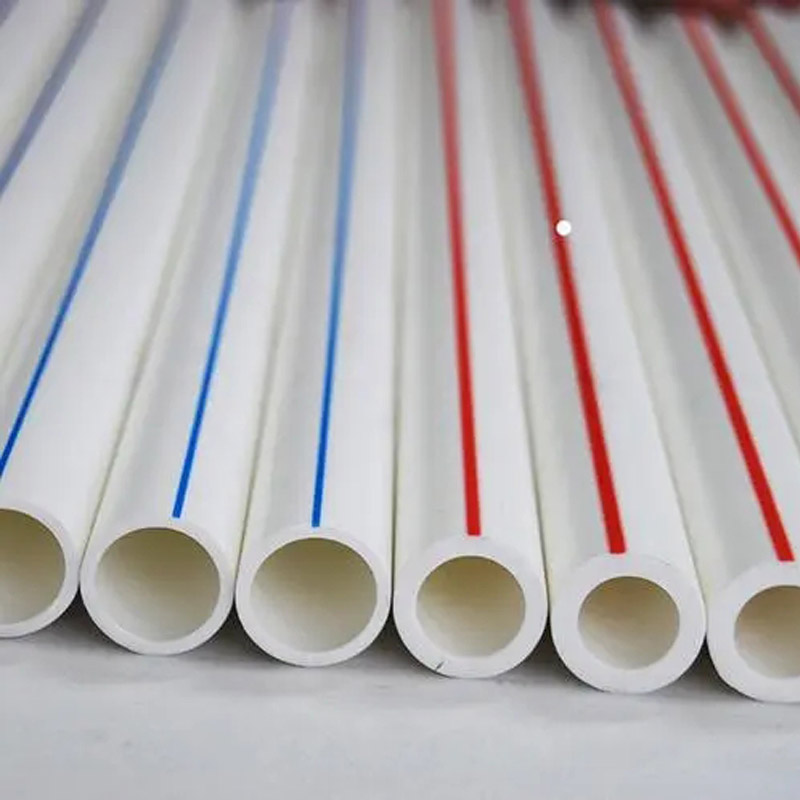
A: Color coding on HDPE pipes typically indicates the intended application or material properties. Blue stripes often designate potable water pipes, while orange or yellow stripes may indicate gas lines. Black pipes are generally used for non-potable water or industrial applications. However, color codes can vary by region and manufacturer, so it’s crucial to verify the specific designation with the pipe supplier.
Conclusion
Accurate interpretation and application of HDPE pipe size charts are fundamental to the successful design, installation, and operation of durable and reliable piping systems. Understanding the interplay between material properties, manufacturing processes, performance characteristics, and potential failure modes is paramount to preventing costly repairs and ensuring long-term system integrity. This guide has provided a comprehensive overview of these critical considerations, equipping engineers and professionals with the knowledge necessary to make informed decisions regarding pipe selection and sizing.
Moving forward, continued advancements in HDPE material science and manufacturing techniques will undoubtedly lead to even more robust and versatile piping solutions. Furthermore, the increasing adoption of digital tools, such as hydraulic modeling software and 3D design platforms, will streamline the pipe sizing process and enhance system optimization. Maintaining a commitment to industry best practices, adhering to relevant standards, and embracing innovation will be key to unlocking the full potential of HDPE piping in a wide range of industrial applications.
-
DN25 HDPE Compression Fitting-HORON INTERNATIONAL|Reliable Irrigation Solutions
NewsFeb.11,2026
-
china hdpe reducer coupling Performance Analysis
News2026-05-06
-
china ppr pipe cost Performance Analysis
News2026-05-06
-
china pvc pipe for sale Performance Analysis
News2026-05-06
-
china 6 double wall corrugated pipe Performance Analysis
News2026-05-06
-
china hdpe conduit fittings Performance Analysis
News2026-05-06
-
china pvc pipe class 7 Performance Analysis
News2026-05-05
-
china 63mm pvc pipe Performance Analysis
News2026-05-05
-
china hdpe to steel transition coupling Performance Analysis
News2026-05-05
-
china kitchen water pipe Performance Analysis
News2026-05-05
-
china ppr 14 pipe Performance Analysis
News2026-05-05
-
china hdpe pipe for drip irrigation Performance Analysis
News2026-05-04
-
china hdpe pipe for agriculture Performance Analysis
News2026-05-04
-
china hdpe sprinkler pipe price Performance Analysis
News2026-05-04
-
china 2 ppr pipe Performance Analysis
News2026-05-04
-
china pvc pipe price per foot Performance Analysis
News2026-05-04