

Feb . 11, 2026 00:01 Back to list
hdpe pipe size chart manufacturer Performance Analysis
Introduction
High-Density Polyethylene (HDPE) pipe represents a critical component in modern fluid and gas transmission systems. A comprehensive HDPE pipe size chart is not merely a catalog of dimensions; it’s a foundational document dictating system performance, hydraulic capacity, and long-term reliability. Serving diverse sectors, including municipal water distribution, irrigation, gas distribution, and industrial processing, HDPE pipe’s increasing adoption is driven by its corrosion resistance, lightweight nature, and cost-effectiveness. This guide details the technical aspects of HDPE pipe sizing, manufacturing, performance, potential failure modes, and relevant industry standards. The chart itself is a direct output of the material properties, manufacturing processes, and the required engineering calculations to meet specific application demands, and is essential for accurate system design and procurement. Core to successful implementation is understanding the relationship between pipe diameter, schedule (wall thickness), pressure rating, and fluid flow characteristics. A mismatch in these parameters can lead to system inefficiencies, premature failure, or even catastrophic events.
Material Science & Manufacturing
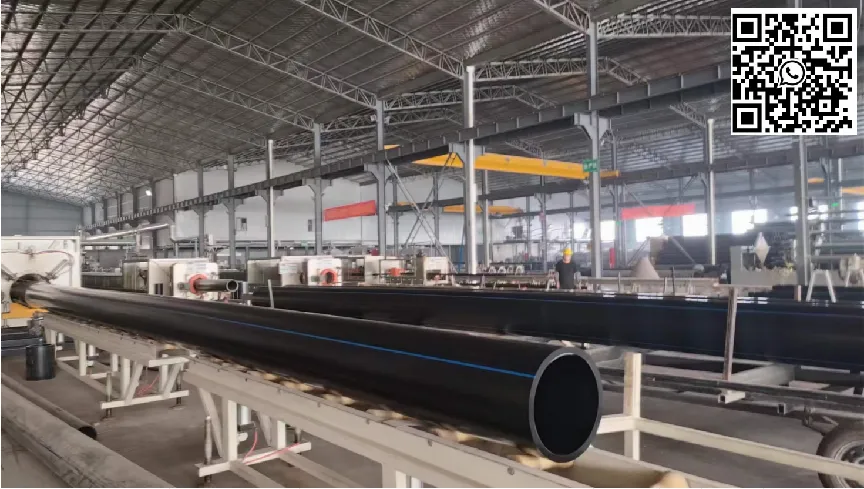
HDPE pipe is manufactured from high-density polyethylene, a thermoplastic polymer produced from the polymerization of ethylene. The key raw material’s properties directly influence the final product characteristics. HDPE resin density typically ranges from 0.931 to 0.953 g/cm³, impacting strength and chemical resistance. Molecular weight distribution (MWD) is also crucial, affecting processability and long-term creep resistance. The manufacturing process primarily involves extrusion, utilizing several techniques. In extrusion, HDPE resin is melted and forced through a die to create a continuous pipe profile. Butt fusion, electrofusion, and socket fusion are common joining methods. Critical parameters during extrusion include melt temperature (typically between 180°C and 210°C), die pressure, and cooling rate. Precise temperature control is essential to prevent degradation of the polymer and ensure dimensional accuracy. Wall thickness variation is a key quality control metric. Furthermore, the addition of carbon black or other UV stabilizers is essential to enhance resistance to ultraviolet radiation, particularly in above-ground applications. Post-extrusion processes involve dimensional inspection, hydrostatic testing (to verify pressure capacity), and marking with relevant information such as size, schedule, material designation, and manufacturer identification. The consistency of material properties and adherence to strict process controls are paramount to producing pipes that meet required performance specifications.
Performance & Engineering
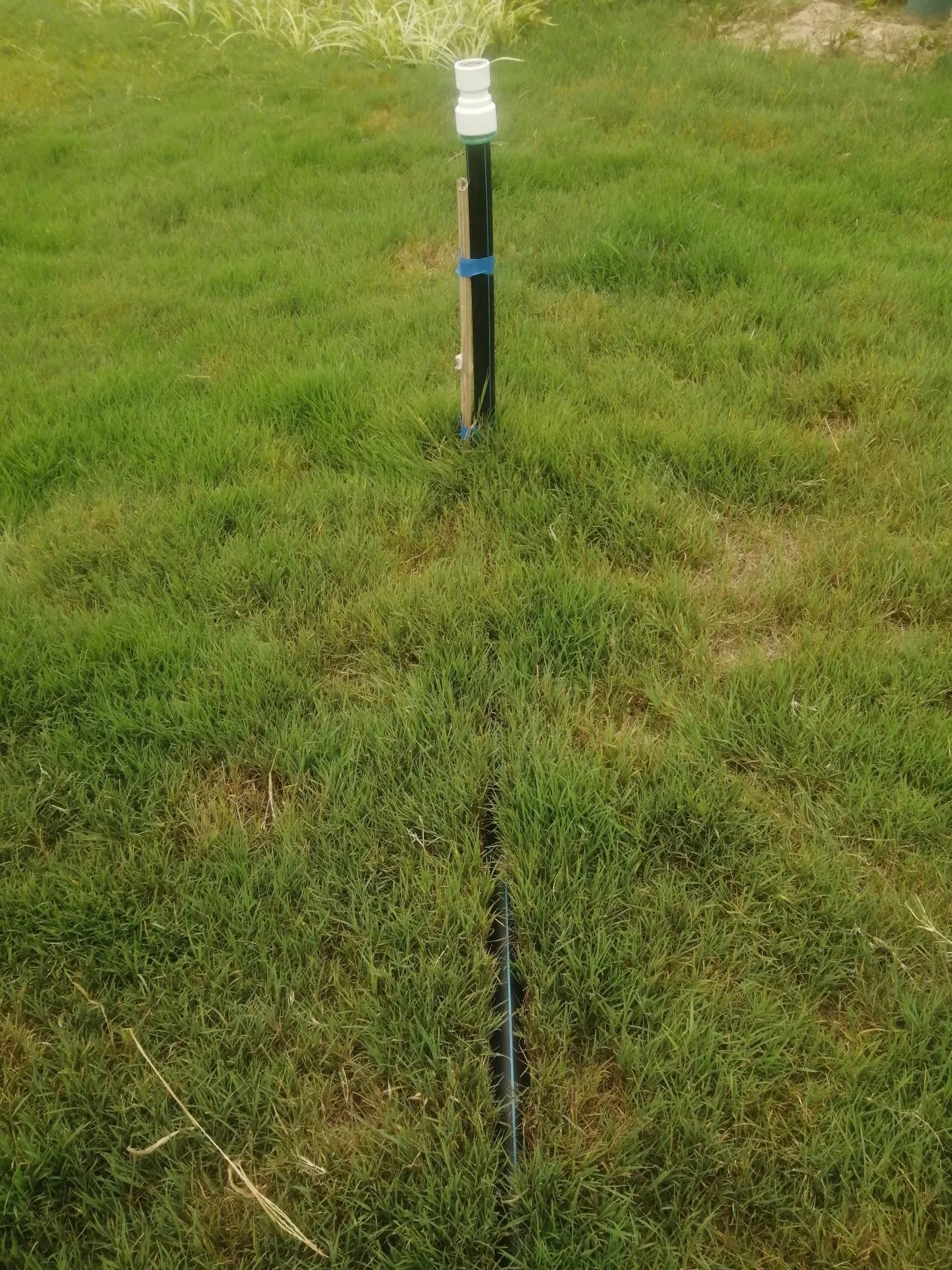
HDPE pipe performance is dictated by its mechanical strength, chemical resistance, and hydraulic characteristics. The pipe’s ability to withstand internal pressure is a primary engineering concern. This is determined by the pipe’s dimensions (diameter and wall thickness – represented by ‘schedule’) and the material’s hydrostatic design stress (HDS). HDS is influenced by temperature and long-term creep behavior. Darcy-Weisbach equation and Hazen-Williams formula are commonly used for calculating frictional head loss, critical for determining pump requirements and overall system efficiency. Soil loading and external stresses, particularly in buried applications, must also be considered. Backfilling procedures and trench width directly impact pipe ovality and stress concentrations. HDPE exhibits excellent chemical resistance to a wide range of substances, making it suitable for transporting aggressive fluids. However, exposure to certain solvents and oxidizing agents can cause swelling or degradation. Environmental factors, such as temperature fluctuations and UV exposure, also affect long-term performance. Temperature derating factors are applied to HDS values to account for elevated operating temperatures. Compliance with relevant industry standards (e.g., ASTM D3261 for polyethylene pipe) is crucial to ensuring the pipe meets specified performance criteria. Fatigue analysis is particularly important for applications involving cyclical pressure variations.
Technical Specifications
| Nominal Pipe Size (inches) | Schedule Number | Outside Diameter (inches) | Wall Thickness (inches) |
|---|---|---|---|
| 1/2 | 40 | 0.625 | 0.062 |
| 3/4 | 40 | 0.840 | 0.062 |
| 1 | 40 | 1.050 | 0.062 |
| 1 1/4 | 40 | 1.250 | 0.062 |
| 1 1/2 | 40 | 1.500 | 0.062 |
| 2 | 40 | 2.067 | 0.062 |
Failure Mode & Maintenance
HDPE pipe, while durable, is susceptible to several failure modes. Slow Crack Growth (SCG) is a significant concern, particularly in systems exposed to sustained tensile stress and aggressive environments. SCG initiates at stress concentrators (e.g., scratches, gouges) and propagates slowly over time, eventually leading to catastrophic failure. Another common failure mode is creep rupture, resulting from prolonged exposure to high temperatures and pressures. Oxidation, especially in above-ground applications exposed to UV radiation, can cause embrittlement and cracking. Joint failures, particularly at fusion joints, can occur due to improper welding procedures or material contamination. Third-party damage during excavation or installation is a frequent cause of pipe rupture. Regular inspection and preventative maintenance are crucial for mitigating these risks. Visual inspections should focus on identifying cracks, gouges, and signs of deformation. Hydrostatic testing can be used to assess the integrity of the pipe system. Proper backfilling procedures and the use of protective sleeving in high-stress areas can minimize the risk of mechanical damage. For SCG mitigation, stress relief measures and the use of appropriate polyethylene formulations are essential. Periodic cleaning and flushing can prevent the build-up of debris that could contribute to corrosion or blockages. Maintaining accurate records of installation and maintenance activities is critical for effective pipeline management.
Industry FAQ
Q: What is the impact of temperature on the pressure rating of HDPE pipe?
A: The pressure rating of HDPE pipe decreases with increasing temperature. This is because the material’s tensile strength and hydrostatic design stress (HDS) are temperature-dependent. Manufacturers provide derating factors that must be applied to the baseline pressure rating to account for operating temperatures above a specified baseline (typically 23°C or 73°F). Failure to apply these derating factors can lead to premature failure.
Q: How does soil corrosivity affect the long-term performance of buried HDPE pipe?
A: While HDPE itself is inherently corrosion-resistant, corrosive soils can indirectly impact its performance. Highly acidic or alkaline soils can accelerate degradation of any external coatings applied for UV protection. Furthermore, stray electrical currents in the soil (from nearby electrical infrastructure) can cause electrochemical corrosion. Proper installation practices, including the use of protective sleeving and electrical grounding, are crucial for mitigating these risks.
Q: What are the key considerations for joining HDPE pipe using butt fusion?
A: Butt fusion requires precise control of several parameters: surface preparation (cleanliness and dryness), heating temperature and time, fusion pressure, and cooling time. Improper settings can lead to under-fusion (insufficient weld strength) or over-fusion (excessive material build-up). Qualified and certified fusion operators are essential. Regular inspection of fusion equipment and adherence to manufacturer’s guidelines are critical.
Q: How does HDPE pipe compare to PVC pipe in terms of long-term durability and cost-effectiveness?
A: HDPE generally exhibits superior long-term durability compared to PVC, particularly in demanding applications. HDPE is more resistant to impact, abrasion, and slow crack growth. While initial material costs may be higher for HDPE, its extended service life and lower maintenance requirements can result in lower overall lifecycle costs. HDPE also offers greater flexibility, simplifying installation in challenging terrain.
Q: What is the role of a HDPE pipe size chart in system design?
A: The HDPE pipe size chart is central to system design. It allows engineers to select the appropriate pipe diameter and schedule to meet flow rate requirements, pressure demands, and hydraulic head loss constraints. Incorrect sizing can lead to inadequate flow, excessive pressure drop, or pipe failure. The chart, coupled with hydraulic calculations, ensures optimal system performance and longevity.
Conclusion
HDPE pipe size charts are not simply lists of dimensions; they represent the culmination of material science, engineering principles, and manufacturing expertise. Understanding the interplay between pipe size, schedule, material properties, and operating conditions is paramount for successful system design and implementation. The inherent advantages of HDPE – corrosion resistance, flexibility, and durability – position it as a preferred material for a wide range of fluid and gas transmission applications.
Continued advancements in HDPE resin formulations and manufacturing processes will further enhance its performance and expand its application scope. Proper installation techniques, meticulous maintenance procedures, and adherence to relevant industry standards are essential for maximizing the long-term reliability and cost-effectiveness of HDPE pipe systems. A proactive approach to pipeline management, incorporating regular inspections and preventative measures, will ensure the continued safe and efficient operation of critical infrastructure.
-
DN25 HDPE Compression Fitting-HORON INTERNATIONAL|Reliable Irrigation Solutions
NewsFeb.11,2026
-
china hdpe reducer coupling Performance Analysis
News2026-05-06
-
china ppr pipe cost Performance Analysis
News2026-05-06
-
china pvc pipe for sale Performance Analysis
News2026-05-06
-
china 6 double wall corrugated pipe Performance Analysis
News2026-05-06
-
china hdpe conduit fittings Performance Analysis
News2026-05-06
-
china pvc pipe class 7 Performance Analysis
News2026-05-05
-
china 63mm pvc pipe Performance Analysis
News2026-05-05
-
china hdpe to steel transition coupling Performance Analysis
News2026-05-05
-
china kitchen water pipe Performance Analysis
News2026-05-05
-
china ppr 14 pipe Performance Analysis
News2026-05-05
-
china hdpe pipe for drip irrigation Performance Analysis
News2026-05-04
-
china hdpe pipe for agriculture Performance Analysis
News2026-05-04
-
china hdpe sprinkler pipe price Performance Analysis
News2026-05-04
-
china 2 ppr pipe Performance Analysis
News2026-05-04
-
china pvc pipe price per foot Performance Analysis
News2026-05-04