

Feb . 11, 2026 00:01 Back to list
hdpe pipe size chart factory Technical Analysis
Introduction
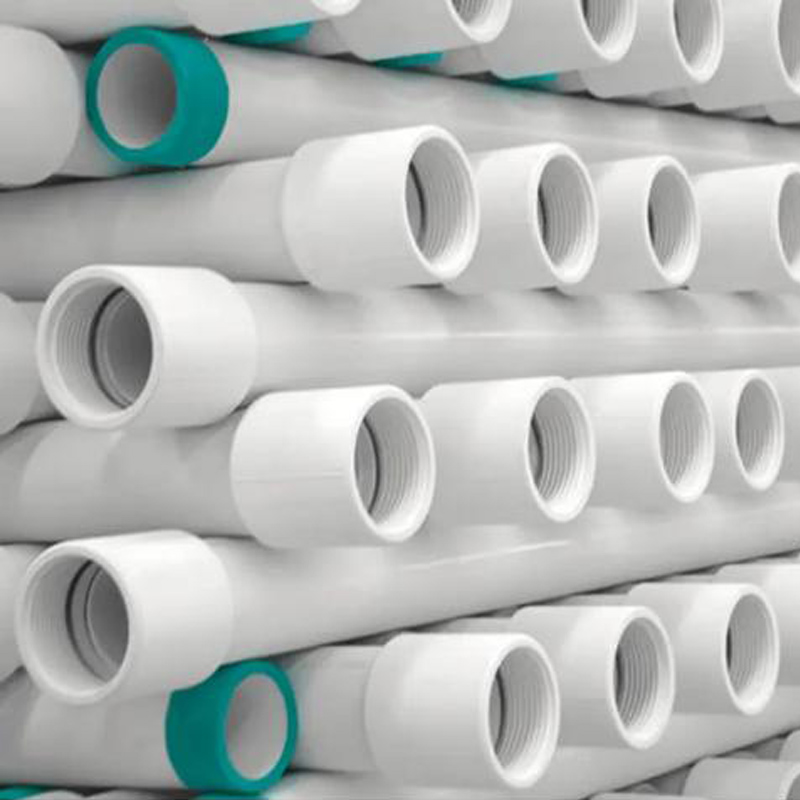
High-Density Polyethylene (HDPE) pipe, and the associated size charts used by manufacturers, represent a critical component in modern fluid and gas conveyance systems. These pipes, widely utilized across municipal, industrial, and agricultural sectors, offer a robust and cost-effective alternative to traditional materials like ductile iron, steel, and PVC. The ‘HDPE Pipe Size Chart Factory’ designation speaks not just to product availability but also to the manufacturing expertise and quality control embedded in providing a comprehensive range of standardized pipe dimensions. This guide will provide a detailed technical overview of HDPE pipe, encompassing material science, manufacturing processes, performance characteristics, potential failure modes, and relevant industry standards. The core performance attributes—high strength-to-weight ratio, excellent chemical resistance, and long-term durability—address key pain points in industries burdened by corrosion, leakage, and costly maintenance cycles.
Material Science & Manufacturing
HDPE pipes are produced from polyethylene resins, specifically high-density polyethylene, characterized by a linear polymer structure with minimal branching. This structure imparts higher tensile strength and increased density compared to low-density polyethylene (LDPE). The raw material typically consists of ethylene monomers polymerized under controlled conditions, with varying molecular weight distributions influencing the final pipe properties. Critical material properties include density (typically 0.941 – 0.965 g/cm³), tensile strength (typically 20-30 MPa), and elongation at break (typically 300-700%). Manufacturing primarily employs two methods: extrusion and rotational molding. Extrusion, the dominant process, involves melting HDPE pellets and forcing them through a die to create a continuous pipe. Key parameters controlled during extrusion include melt temperature (180-210°C), die pressure, and cooling rate. Precise control of these parameters is essential to ensure consistent wall thickness, diameter, and overall dimensional accuracy as defined in standardized size charts. Rotational molding is utilized for larger diameter pipes and fittings, involving heating and rotating a mold filled with HDPE powder, resulting in a uniform wall thickness. Post-extrusion, pipes undergo dimensional inspection and hydrostatic testing to verify compliance with industry standards.
Performance & Engineering
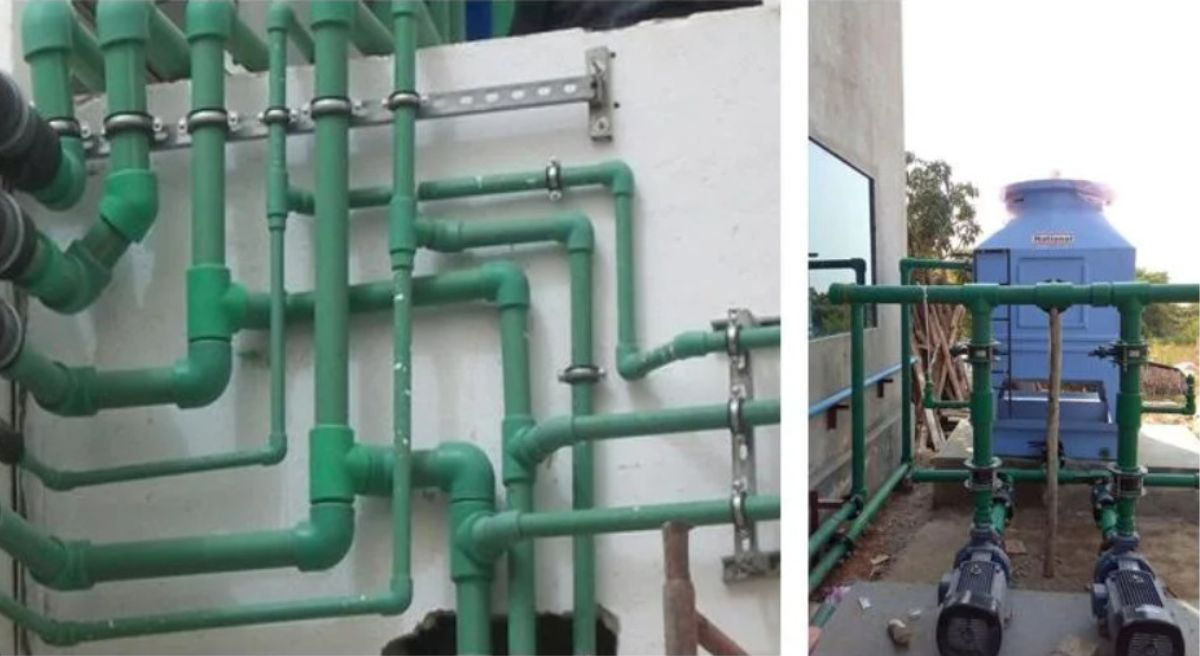
The performance of HDPE pipe is heavily influenced by its hydrostatic design stress (HDS), which is the maximum allowable internal pressure the pipe can withstand. HDS is dependent on factors like pipe diameter, wall thickness, and the polyethylene resin’s minimum required strength (MRS). Force analysis considers both internal pressure and external loads (soil burial, traffic loads, etc.). The pipe’s ability to withstand these forces without failure is crucial for long-term operational integrity. Environmental resistance is a key strength of HDPE. It exhibits excellent resistance to a wide range of chemicals, including acids, bases, and solvents, making it suitable for applications involving corrosive substances. However, prolonged exposure to UV radiation can cause degradation; therefore, UV stabilizers are often incorporated into the resin formulation. Compliance requirements are governed by numerous standards (detailed in the footer), outlining specifications for materials, manufacturing, and testing. For example, ASTM F441 dictates standards for HDPE pipe for potable water distribution, specifying allowable hydrostatic design stress and quality control procedures. Functional implementation dictates specific pipe sizing based on flow rate, pressure drop, and fluid characteristics, leveraging established hydraulic engineering principles like the Darcy-Weisbach equation.
Technical Specifications
| Nominal Pipe Size (inches) | Outside Diameter (OD) (inches) | Schedule Number | Wall Thickness (inches) |
|---|---|---|---|
| 1/2 | 0.625 | 40 | 0.062 |
| 3/4 | 0.840 | 40 | 0.083 |
| 1 | 1.050 | 40 | 0.113 |
| 1 1/2 | 1.250 | 40 | 0.154 |
| 2 | 2.067 | 40 | 0.218 |
| 4 | 4.500 | 40 | 0.375 |
Failure Mode & Maintenance
HDPE pipe, while durable, is susceptible to specific failure modes. Slow Crack Growth (SCG) is a common issue, particularly under sustained tensile stress and in the presence of certain chemicals. This manifests as brittle cracking, often originating at stress concentrators. Another failure mode is Rapid Crack Propagation (RCP), a catastrophic failure resulting from a rapidly expanding crack. This is less common but can occur in areas of high stress or damage. Oxidation, induced by prolonged exposure to high temperatures and oxygen, can lead to embrittlement. UV degradation, as previously mentioned, weakens the material over time. Joint failures, due to improper fusion welding or mechanical connections, represent another potential point of weakness. Maintenance typically involves visual inspection for cracks, leaks, or deformation. Regular pressure testing can identify leaks before they become significant. For fusion-welded joints, non-destructive testing methods like ultrasonic testing can assess weld quality. Repair options include cut-and-replace sections, mechanical couplings, or, for minor cracks, patching with compatible HDPE materials. Preventive maintenance includes ensuring proper bedding and backfill support to minimize external stresses and shielding the pipe from prolonged UV exposure.
Industry FAQ
Q: What is the impact of temperature on the long-term performance of HDPE pipe?
A: Temperature significantly affects HDPE pipe's performance. Elevated temperatures reduce the pipe’s strength and increase creep susceptibility. Lower temperatures can increase brittleness. HDS calculations often incorporate temperature derating factors to account for these effects. Long-term hydrostatic strength is also affected by temperature.
Q: How does HDPE pipe compare to PVC in terms of chemical resistance?
A: HDPE generally exhibits superior chemical resistance to PVC, particularly with aggressive chemicals and solvents. While PVC is resistant to many common substances, HDPE’s inert nature provides broader compatibility, especially in industrial applications handling harsh chemicals.
Q: What are the critical considerations for fusion welding HDPE pipe to ensure joint integrity?
A: Proper surface preparation (cleaning and removing contaminants), correct welding parameters (temperature, pressure, time), and operator skill are crucial. Following standardized welding procedures (e.g., DVS 2207) and performing non-destructive testing on welds are essential to guarantee joint integrity.
Q: What measures can be taken to mitigate the risk of Slow Crack Growth (SCG) in HDPE piping systems?
A: Selecting the appropriate HDPE resin with high stress crack resistance (SCR), minimizing sustained tensile stress through proper support and bedding, avoiding contact with incompatible chemicals, and controlling operating temperatures can significantly reduce the risk of SCG.
Q: How does pipe wall thickness affect the allowable operating pressure?
A: Wall thickness is directly proportional to the allowable operating pressure. A thicker wall provides greater resistance to hoop stress induced by internal pressure. HDS calculations explicitly factor in wall thickness, demonstrating its critical role in pressure containment.
Conclusion
HDPE pipe systems represent a durable and versatile solution for fluid and gas conveyance, driven by their inherent material properties and robust manufacturing processes. Understanding the nuances of material science, performance characteristics, and potential failure modes is paramount for ensuring long-term reliability and cost-effectiveness. The consistent application of relevant industry standards and meticulous attention to installation and maintenance practices are vital for realizing the full potential of this technology.
The ongoing development of HDPE resin formulations, coupled with advancements in fusion welding techniques, continues to enhance the performance and broaden the application scope of HDPE pipe. Future trends include the development of more sustainable HDPE materials and the integration of smart monitoring systems for proactive leak detection and pipeline integrity management, solidifying its position as a leading material in infrastructure applications.
-
DN25 HDPE Compression Fitting-HORON INTERNATIONAL|Reliable Irrigation Solutions
NewsFeb.11,2026
-
china hdpe reducer coupling Performance Analysis
News2026-05-06
-
china ppr pipe cost Performance Analysis
News2026-05-06
-
china pvc pipe for sale Performance Analysis
News2026-05-06
-
china 6 double wall corrugated pipe Performance Analysis
News2026-05-06
-
china hdpe conduit fittings Performance Analysis
News2026-05-06
-
china pvc pipe class 7 Performance Analysis
News2026-05-05
-
china 63mm pvc pipe Performance Analysis
News2026-05-05
-
china hdpe to steel transition coupling Performance Analysis
News2026-05-05
-
china kitchen water pipe Performance Analysis
News2026-05-05
-
china ppr 14 pipe Performance Analysis
News2026-05-05
-
china hdpe pipe for drip irrigation Performance Analysis
News2026-05-04
-
china hdpe pipe for agriculture Performance Analysis
News2026-05-04
-
china hdpe sprinkler pipe price Performance Analysis
News2026-05-04
-
china 2 ppr pipe Performance Analysis
News2026-05-04
-
china pvc pipe price per foot Performance Analysis
News2026-05-04