

Feb . 11, 2026 00:01 Back to list
hdpe drip pipe service Performance Analysis
Introduction
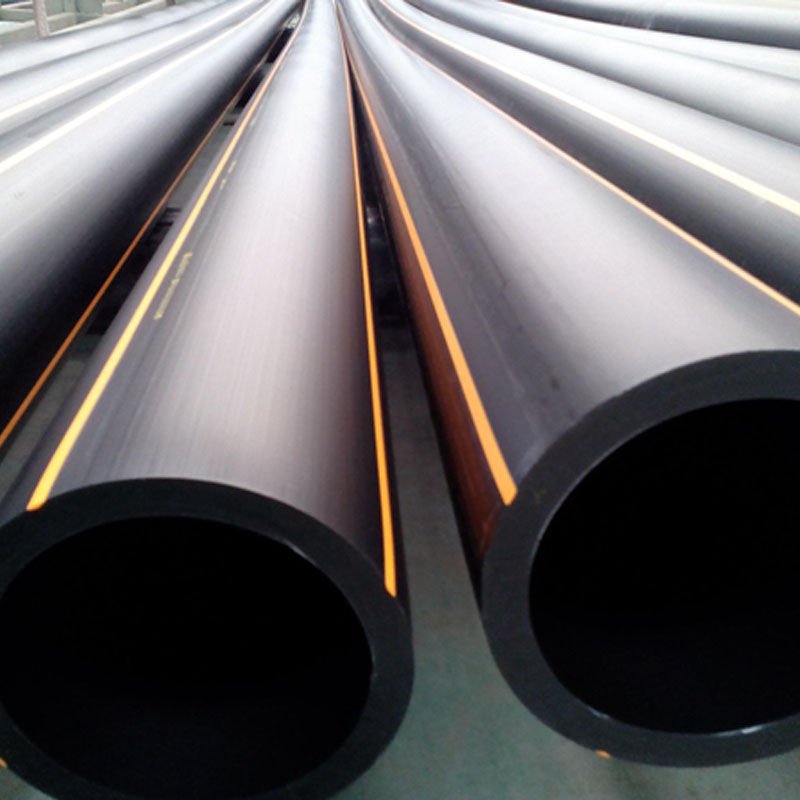
High-Density Polyethylene (HDPE) drip pipe represents a critical component in modern precision irrigation systems. Positioned within the agricultural technology sector, specifically sub-irrigation, it delivers water directly to plant root zones, maximizing water use efficiency and minimizing losses through evaporation and runoff. Unlike traditional flood or sprinkler irrigation, drip systems utilizing HDPE pipes offer targeted hydration, optimizing crop yields and reducing fertilizer dependence. The core performance characteristic of HDPE drip pipe lies in its consistent flow rate, resistance to clogging, and durability under varying environmental conditions. Industry pain points currently center around issues of UV degradation, root intrusion, and maintaining consistent emitter performance over extended service life. This guide provides a comprehensive technical overview of HDPE drip pipe, covering material science, manufacturing processes, performance engineering, failure modes, and maintenance strategies.
Material Science & Manufacturing
HDPE drip pipe is fundamentally constructed from high-density polyethylene resin, typically grades conforming to PE100 or PE80 classifications according to ISO 4427. These resins exhibit a high degree of crystallinity, resulting in excellent tensile strength, chemical resistance, and low permeability to water. The raw material’s molecular weight distribution significantly impacts the final product's performance, with broader distributions often improving stress crack resistance. Manufacturing typically involves extrusion, where HDPE pellets are melted and forced through a die to create a continuous pipe profile. Crucially, the extrusion process necessitates precise temperature control (typically between 180-240°C) to avoid polymer degradation. The pipe’s wall thickness, determined by the die design, directly influences its pressure rating and burst strength. In-line co-extrusion is often employed to create multi-layered pipes, integrating UV stabilizers (carbon black being the most common) into the outer layer for enhanced weather resistance. Emitters, responsible for precise water delivery, are integrated during or immediately after the extrusion process, typically through ultrasonic welding or thermal bonding. Parameter control during emitter integration is paramount; improper bonding can lead to emitter failure and uneven water distribution. Furthermore, the consistent diameter and wall thickness of the pipe are vital, necessitating stringent quality control measures throughout the manufacturing process, including laser gauging and hydrostatic testing.
Performance & Engineering
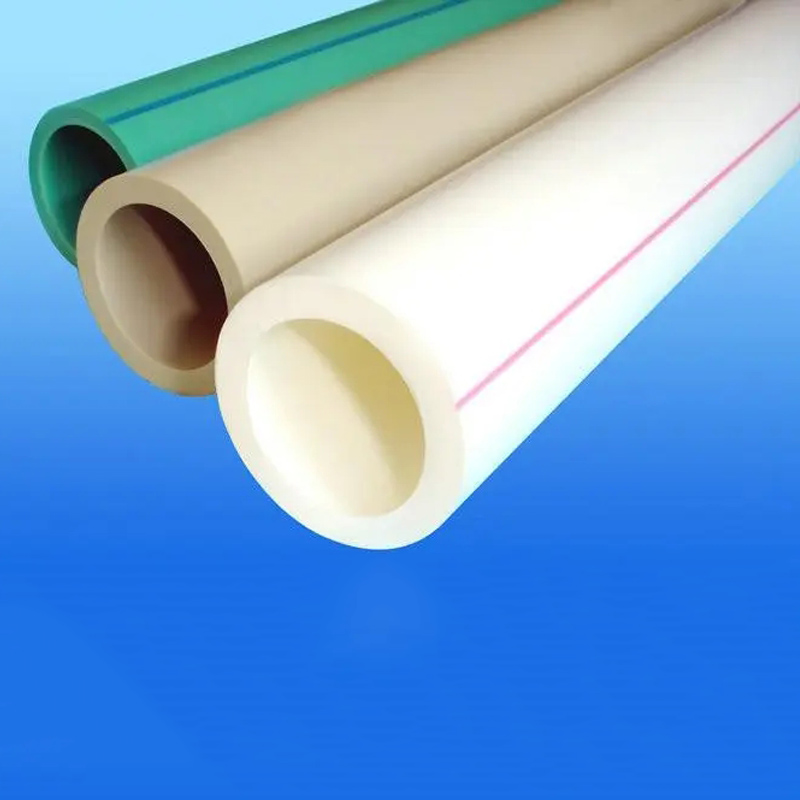
The performance of HDPE drip pipe is governed by several key engineering principles. Hydrostatic pressure testing, according to standards like ASTM D1597, verifies the pipe’s ability to withstand internal pressure without failure. Force analysis focuses on hoop stress within the pipe wall, calculated using the Barlow formula (S = (P D) / (2 t), where S = hoop stress, P = internal pressure, D = pipe diameter, and t = wall thickness). Environmental resistance is critical, particularly concerning UV exposure and temperature fluctuations. Long-term exposure to ultraviolet radiation degrades the HDPE polymer, leading to embrittlement and cracking. The addition of UV stabilizers, like carbon black, mitigates this degradation, but their concentration and dispersion uniformity are vital. Temperature variations induce thermal expansion and contraction, requiring proper installation techniques (allowing for pipe movement) to prevent stress cracking. Soil chemical compatibility is another consideration; acidic or alkaline soils can accelerate degradation. Compliance with irrigation industry standards, such as those set by the Irrigation Association (IA), ensures consistent emitter flow rates and overall system performance. Furthermore, the hydraulic friction losses within the pipe must be minimized to ensure uniform water distribution across long runs; this is achieved through careful pipe diameter selection and minimizing bends and fittings. The tensile strength of the HDPE material directly influences its resistance to external loads, such as backfill pressure and soil movement.
Technical Specifications
| Parameter | Units | Typical Value (16mm Pipe) | Testing Standard |
|---|---|---|---|
| Nominal Diameter | mm | 16 | ISO 4427 |
| Wall Thickness | mm | 1.5 – 2.0 | ASTM D2412 |
| Burst Pressure | MPa | >3.0 | ASTM D1597 |
| Hydrostatic Design Stress (HDS) | MPa | 1.25 | ISO 4427 |
| Tensile Strength at Yield | MPa | >20 | ASTM D638 |
| Elongation at Break | % | >500 | ASTM D638 |
Failure Mode & Maintenance
HDPE drip pipe is susceptible to several failure modes in practical applications. Fatigue cracking, induced by repeated pressure fluctuations and thermal cycling, is a common issue, particularly at fittings and bends. Delamination can occur in multi-layered pipes due to poor bonding between layers, exacerbated by temperature variations. Oxidation, though slower in HDPE than in some other polymers, can degrade the material over extended periods, reducing its mechanical properties. Root intrusion, where plant roots penetrate the pipe wall or emitters, is a significant problem, causing blockages and reduced flow rates. Clogging of emitters due to particulate matter or biological growth (biofilm formation) is another frequent issue. Maintenance strategies include regular flushing of the system to remove debris, installation of filters to prevent particulate matter from entering the pipes, and periodic inspection for leaks and cracks. Preventative maintenance involves protecting the pipe from direct sunlight (using mulch or shading) and avoiding mechanical damage during installation and operation. In cases of significant damage, section replacement is typically the most cost-effective solution. Chemical treatment to prevent biofilm formation may be considered, but compatibility with crops and environmental regulations must be carefully evaluated. Analysis of failed pipe sections, including microscopic examination of fracture surfaces, can help identify the root cause of failure and implement corrective measures.
Industry FAQ
Q: What is the expected service life of HDPE drip pipe under typical agricultural conditions?
A: The expected service life varies depending on factors such as UV exposure, soil conditions, water quality, and maintenance practices. Typically, HDPE drip pipe can be expected to last between 5 to 10 years with proper installation and maintenance. Regions with high UV indices or aggressive soil chemistries will likely experience shorter service lives.
Q: How does the quality of the HDPE resin affect the performance of the drip pipe?
A: The grade and molecular weight distribution of the HDPE resin are critical. PE100 resins offer superior stress crack resistance and long-term hydrostatic strength compared to PE80 resins. A broader molecular weight distribution generally improves impact resistance and prevents brittle failure. The presence of additives, such as UV stabilizers and antioxidants, is also crucial for long-term performance.
Q: What are the common causes of emitter clogging, and how can they be prevented?
A: Common causes include particulate matter (sand, silt, clay), mineral precipitation (calcium carbonate, iron oxide), and biological growth (algae, bacteria). Prevention strategies include installing filters, pre-treating irrigation water to remove minerals, and using emitters with anti-clogging features (e.g., pressure-compensating emitters).
Q: What installation practices can minimize the risk of stress cracking in HDPE drip pipe?
A: Avoid sharp bends, provide adequate bedding material to support the pipe, allow for thermal expansion and contraction (avoiding tight constraints), and protect the pipe from mechanical damage during installation and operation. Proper trenching and backfilling procedures are also essential.
Q: How important is UV stabilization, and what types of stabilizers are commonly used?
A: UV stabilization is critically important, as prolonged exposure to sunlight degrades HDPE. Carbon black is the most common and cost-effective UV stabilizer, providing excellent protection. Hindered amine light stabilizers (HALS) are also used, often in combination with carbon black, to provide enhanced UV protection and preserve the pipe’s color.
Conclusion
HDPE drip pipe remains a cornerstone of efficient irrigation practices, offering significant advantages over traditional watering methods. Its performance is intrinsically linked to the material science of HDPE, requiring meticulous manufacturing processes and stringent quality control. Understanding the engineering principles governing its behavior – including pressure ratings, environmental resistance, and failure modes – is paramount for ensuring long-term reliability and maximizing agricultural output.
Future advancements in HDPE drip pipe technology will likely focus on improving UV resistance, developing more robust emitters with enhanced anti-clogging capabilities, and incorporating smart sensors for real-time monitoring of system performance. Continued research into polymer blends and additive technologies will further extend the service life and optimize the efficiency of these critical irrigation components. Ultimately, the successful deployment of HDPE drip pipe relies on a holistic approach encompassing proper design, installation, maintenance, and a deep understanding of the underlying technical principles.
-
DN25 HDPE Compression Fitting-HORON INTERNATIONAL|Reliable Irrigation Solutions
NewsFeb.11,2026
-
china pvc pipe cost per foot Technical Analysis
News2026-04-26
-
china double walled corrugated pipe Performance Analysis
News2026-04-26
-
china hdpe sprinkler pipe price list Performance Analysis
News2026-04-26
-
china water pipe in kitchen Performance Analysis
News2026-04-26
-
china hdpe to pvc pipe coupling Performance Analysis
News2026-04-26
-
china 32 mm ppr pipe Performance Analysis
News2026-04-25
-
china ppr pipe for hot water supply Performance Analysis
News2026-04-25
-
china double walled drainage pipe Performance Analysis
News2026-04-25
-
china black hdpe pipe Manufacturing Analysis
News2026-04-25
-
china dn25 ppr hot water pipes for kitchen Performance Analysis
News2026-04-25
-
china pvc to hdpe connection Performance Analysis
News2026-04-24
-
china ppr pipe elbow Performance Analysis
News2026-04-24
-
china hdpe straight coupler Performance Analysis
News2026-04-24
-
china what are pvc pipes used for Performance Analysis
News2026-04-24
-
china hdpe flexible irrigation pipe Performance Analysis
News2026-04-24