

Feb . 11, 2026 00:01 Back to list
hdpe drip pipe factory Performance Analysis
Introduction
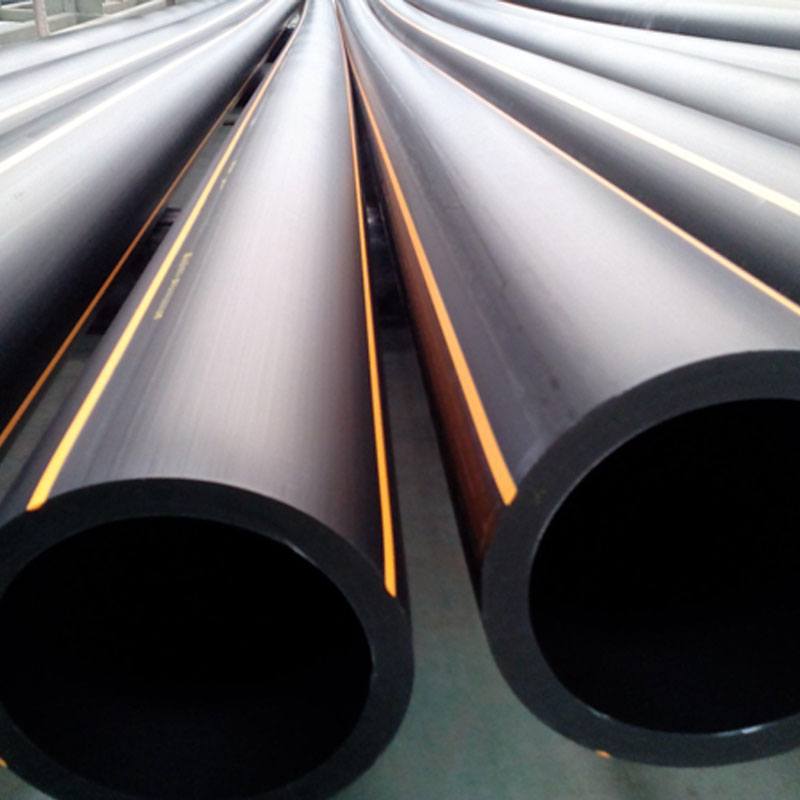
High-Density Polyethylene (HDPE) drip pipe constitutes a critical component within modern precision irrigation systems. Positioned within the agricultural infrastructure supply chain, it delivers water directly to plant root zones, minimizing water loss through evaporation and runoff. This guide provides an in-depth technical assessment of HDPE drip pipe, encompassing material science, manufacturing processes, performance characteristics, failure modes, and relevant industry standards. Core performance metrics center on hydraulic capacity, burst pressure, UV resistance, and emitter flow uniformity. A primary industry pain point centers around long-term durability and clogging prevention, necessitating optimized polymer formulations and robust manufacturing quality control. Furthermore, ensuring compatibility with commonly used agricultural chemicals and fertilizers is paramount to prevent premature degradation and system failure.
Material Science & Manufacturing
HDPE drip pipe is primarily manufactured from high-density polyethylene resin, typically conforming to PE100 or PE80 standards. PE100 exhibits superior mechanical properties, particularly enhanced resistance to slow crack growth (SCG) and improved long-term hydrostatic strength. The resin’s molecular weight distribution (MWD) is a crucial parameter; a broader MWD generally improves processability and impact resistance, while a narrower MWD enhances strength. Carbon black is commonly added as a UV stabilizer, providing resistance to degradation from sunlight exposure. Other additives may include antioxidants to prevent thermal oxidation during processing and service life, and processing aids to improve melt flow and surface finish. Manufacturing typically employs extrusion processes. Raw HDPE pellets are fed into an extruder, melted, and forced through a die to form a continuous pipe. Critical process parameters include melt temperature (typically 180-220°C), die pressure, and cooling rate. Precise control of these parameters is essential to ensure consistent wall thickness and dimensional accuracy. Emitter insertion, if applicable, is a secondary process involving precise placement of emitters at predetermined intervals. Quality control involves rigorous testing of material properties, dimensional tolerances, and burst pressure at various stages of production. Post-extrusion annealing can reduce residual stresses and enhance long-term performance.
Performance & Engineering
The performance of HDPE drip pipe is governed by several key engineering principles. Hydrostatic pressure rating is determined by the pipe’s dimensions (diameter and wall thickness) and the material’s hydrostatic strength (MRS). The Barlow’s formula (P = 2St/D) is frequently used for preliminary pressure calculations, where P is pressure, S is tensile strength, t is wall thickness, and D is outer diameter. However, long-term performance requires consideration of factors like creep, SCG, and temperature effects. UV resistance is crucial for surface-exposed pipe sections. Carbon black content significantly influences UV protection; higher concentrations offer greater resistance to degradation. Emitter flow rate uniformity is a critical performance parameter. Variations in emitter output can lead to uneven crop hydration and reduced yields. Factors affecting flow rate include emitter design, manufacturing tolerances, and water quality (particulate matter can cause clogging). Environmental resistance encompasses temperature fluctuations, soil chemical composition, and potential exposure to agricultural chemicals. HDPE is generally resistant to most acids and alkalis, but prolonged exposure to strong oxidizing agents should be avoided. Force analysis during installation and operation must consider tensile stresses during pulling and bending, and internal pressure stresses during irrigation. Compliance with local irrigation regulations and water quality standards is essential.
Technical Specifications
| Parameter | Unit | Typical Value (16mm Pipe) | Testing Standard |
|---|---|---|---|
| Outer Diameter | mm | 16 | ISO 4427 |
| Wall Thickness | mm | 1.5 | ISO 4427 |
| Burst Pressure | Bar | 10 | ISO 11333 |
| Hydrostatic Design Stress (HDS) | MPa | 5.0 | ISO 1167 |
| Minimum Tensile Strength at Yield | MPa | 8.0 | ISO 527 |
| Carbon Black Content | % | 2.5 | ASTM D1603 |
Failure Mode & Maintenance
HDPE drip pipe is susceptible to several failure modes. Slow Crack Growth (SCG) is a time-dependent failure initiated by stress concentrations and exacerbated by environmental factors. Residual stresses from manufacturing, notches, and exposure to aggressive chemicals can accelerate SCG. Clogging of emitters is a common issue, particularly with untreated water sources. Particulate matter, algae, and mineral deposits can obstruct flow paths, reducing irrigation efficiency. UV degradation can lead to embrittlement and cracking of the pipe surface, especially in areas with prolonged sun exposure. Mechanical damage during installation or operation (e.g., puncture by farm equipment) can cause immediate failure. Maintenance involves regular flushing of the system to remove sediment and debris. Installation of filters is crucial to prevent clogging. Periodic inspection of the pipe for cracks and leaks is recommended. If SCG is suspected, reducing operating pressure and providing additional UV protection can extend service life. Chemical compatibility should be verified before introducing fertilizers or pesticides into the irrigation system. Proper winterization (draining the system) is essential in cold climates to prevent freezing and cracking.
Industry FAQ
Q: What is the impact of soil acidity on the lifespan of HDPE drip tape?
A: Highly acidic soils can accelerate the degradation of HDPE, particularly if the pipe is directly buried. While HDPE is generally chemically resistant, prolonged exposure to strong acids can cause embrittlement and cracking. It’s recommended to use HDPE formulations with enhanced acid resistance or consider protective measures like a sand bedding layer to isolate the pipe from direct contact with the acidic soil.
Q: How does water hammer affect the longevity of a drip irrigation system?
A: Water hammer, the pressure surge caused by sudden valve closure or pump start/stop, can create significant stress on the HDPE pipe and emitters. Repeated water hammer events can lead to fatigue cracking and premature failure. Implementing pressure relief valves and slow-closing valves can mitigate water hammer effects and prolong the system's lifespan.
Q: What are the key differences between PE100 and PE80 in drip pipe applications?
A: PE100 offers superior mechanical properties compared to PE80, including higher tensile strength, improved resistance to SCG, and enhanced long-term hydrostatic strength. While PE80 is more cost-effective, PE100 is generally preferred for applications requiring higher pressure ratings and longer service life, especially in challenging environmental conditions.
Q: What filtration levels are necessary to prevent emitter clogging, and what types of filters are most effective?
A: Filtration levels depend on the emitter size and the quality of the water source. For typical drip emitters, a filtration level of 120-200 mesh (75-100 microns) is generally recommended. Effective filter types include screen filters, disc filters, and media filters. Screen filters are suitable for removing larger particles, while disc and media filters are more effective at removing finer particles and organic matter.
Q: What is the recommended UV stabilization method for HDPE drip pipe installed in open fields?
A: The most common UV stabilization method is the incorporation of carbon black into the HDPE resin. A carbon black concentration of 2.5% or higher is generally recommended for outdoor applications. Additionally, minimizing the pipe’s exposure to direct sunlight by covering it with mulch or using UV-resistant coatings can further enhance its lifespan.
Conclusion
HDPE drip pipe represents a highly efficient and reliable solution for precision irrigation. Understanding the interplay between material science, manufacturing processes, and environmental factors is crucial for ensuring optimal performance and longevity. Careful consideration of parameters such as hydrostatic pressure, UV resistance, and filtration requirements is essential for preventing premature failure and maximizing return on investment.
Future developments will likely focus on enhanced polymer formulations offering improved resistance to SCG and chemical degradation, as well as the integration of smart technologies for real-time monitoring of system performance and predictive maintenance. Continued research into advanced filtration techniques and biodegradable HDPE alternatives will further enhance the sustainability and efficiency of drip irrigation systems.
-
DN25 HDPE Compression Fitting-HORON INTERNATIONAL|Reliable Irrigation Solutions
NewsFeb.11,2026
-
china pvc pipe cost per foot Technical Analysis
News2026-04-26
-
china double walled corrugated pipe Performance Analysis
News2026-04-26
-
china hdpe sprinkler pipe price list Performance Analysis
News2026-04-26
-
china water pipe in kitchen Performance Analysis
News2026-04-26
-
china hdpe to pvc pipe coupling Performance Analysis
News2026-04-26
-
china 32 mm ppr pipe Performance Analysis
News2026-04-25
-
china ppr pipe for hot water supply Performance Analysis
News2026-04-25
-
china double walled drainage pipe Performance Analysis
News2026-04-25
-
china black hdpe pipe Manufacturing Analysis
News2026-04-25
-
china dn25 ppr hot water pipes for kitchen Performance Analysis
News2026-04-25
-
china pvc to hdpe connection Performance Analysis
News2026-04-24
-
china ppr pipe elbow Performance Analysis
News2026-04-24
-
china hdpe straight coupler Performance Analysis
News2026-04-24
-
china what are pvc pipes used for Performance Analysis
News2026-04-24
-
china hdpe flexible irrigation pipe Performance Analysis
News2026-04-24