

Feb . 11, 2026 00:01 Back to list
9 inch pvc pipe price products Performance Analysis
Introduction
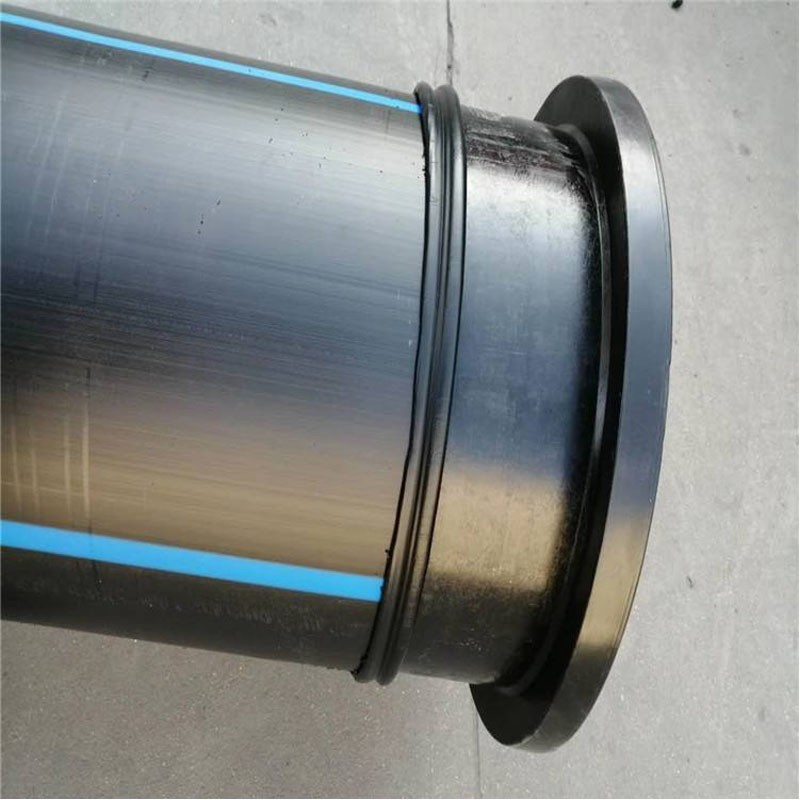
9-inch Polyvinyl Chloride (PVC) pipe represents a critical component in a broad spectrum of industrial, agricultural, and infrastructural applications. Positioned within the fluid conveyance industry, this diameter pipe serves as a foundational element in water distribution, wastewater management, irrigation systems, and industrial process piping. Its prevalence stems from a compelling combination of cost-effectiveness, durability, and relative ease of installation. This guide provides an in-depth technical analysis of 9-inch PVC pipe, covering material science, manufacturing processes, performance characteristics, potential failure modes, and relevant industry standards. Core performance attributes include pressure bearing capacity, chemical resistance, and long-term operational reliability. A primary industry pain point revolves around ensuring consistent quality and adherence to standards to prevent catastrophic failures, especially in critical infrastructure applications.
Material Science & Manufacturing
9-inch PVC pipe is primarily composed of Polyvinyl Chloride resin, a thermoplastic polymer produced from the polymerization of vinyl chloride monomer (VCM). The inherent properties of PVC – tensile strength, rigidity, and chemical inertness – are crucial to its functionality. Plasticizers, stabilizers (typically calcium-zinc or lead-based, though the latter is phasing out due to environmental concerns), lubricants, and impact modifiers are added to the resin to tailor its characteristics. The molecular weight distribution of the PVC resin significantly affects its processability and mechanical properties.
Manufacturing commonly involves extrusion. PVC compound is fed into a single or twin-screw extruder, where it's heated and melted. The molten PVC is then forced through a die, shaping it into a seamless pipe. Critical process parameters include extruder screw speed, barrel temperature profile (typically ranging from 160-210°C), die temperature, and cooling rate. Controlled cooling, often utilizing water baths, is essential to prevent warping and ensure dimensional accuracy. Pipe schedule (e.g., Schedule 40, Schedule 80) dictates wall thickness and, consequently, pressure-bearing capacity. Post-extrusion processes include marking (identification of manufacturer, schedule, and standards compliance), cutting to length, and quality control inspections. The quality of the PVC compound and precise control of the extrusion parameters are paramount for ensuring a consistent and high-quality finished product. Material compatibility with additives, particularly plasticizers, influences long-term performance and resistance to degradation.
Performance & Engineering
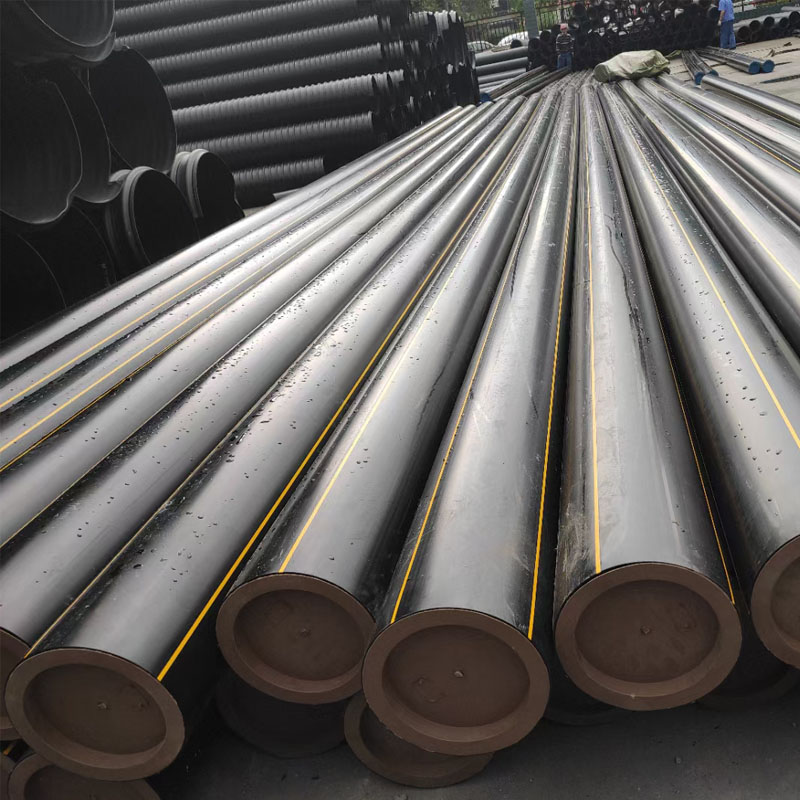
The performance of 9-inch PVC pipe is governed by several engineering principles. Hydrostatic pressure testing, conducted per ASTM D1598, verifies the pipe’s ability to withstand internal pressure without failure. The hoop stress, calculated based on internal pressure and pipe dimensions, is a critical design parameter. The long-term hydrostatic strength (LTHS) of PVC, which accounts for the effects of creep and temperature, is a crucial consideration for extended service life.
PVC exhibits excellent chemical resistance to a wide range of acids, bases, and salts, making it suitable for diverse applications. However, it is susceptible to degradation by strong oxidizing agents and certain organic solvents. Environmental resistance, particularly to ultraviolet (UV) radiation, is a concern. Prolonged exposure to sunlight can cause embrittlement and discoloration. UV stabilizers are commonly incorporated into the PVC compound to mitigate this effect. The pipe's thermal expansion coefficient (approximately 6 x 10^-5 in/in/°F) must be considered during installation to accommodate temperature fluctuations and prevent stress buildup. Soil loading, particularly in buried applications, requires careful assessment to prevent pipe deformation or collapse. Engineering calculations consider soil bearing capacity and pipe embedment depth. Compliance with relevant standards, such as AWWA C900 for potable water distribution, is mandatory to ensure safe and reliable performance.
Technical Specifications
| Parameter | Schedule 40 | Schedule 80 | ASTM D1785 Specification |
|---|---|---|---|
| Nominal Pipe Size (inches) | 9 | 9 | 9 |
| Outside Diameter (inches) | 9.625 | 9.625 | 9.625 |
| Wall Thickness (inches) | 0.375 | 0.458 | Defined by Schedule |
| Pressure Rating (psi at 73°F) | 280 | 450 | Varies with Schedule and Temperature |
| Long-Term Hydrostatic Strength (LTHS) | 180 | 300 | Calculated per ASTM D2837 |
| Density (lb/ft³) | 1.40 | 1.40 | Typical Value |
Failure Mode & Maintenance
Common failure modes for 9-inch PVC pipe include cracking due to stress corrosion (particularly in aggressive soil environments), impact damage during handling or installation, and creep rupture under sustained pressure. Fatigue cracking can occur from repeated pressure cycles or vibration. Joint failures, such as leakage at solvent-cemented joints, are also frequent. Degradation from UV exposure leads to embrittlement and reduced impact resistance. Chemical attack from incompatible substances can cause swelling, cracking, or dissolution of the PVC material.
Preventative maintenance includes regular visual inspections for cracks, leaks, or discoloration. Soil testing around buried pipelines can identify corrosive environments. Proper installation practices, including adequate bedding and backfill support, are crucial. Avoidance of direct impact during handling and construction is essential. For systems operating at high temperatures or pressures, periodic hydrostatic testing is recommended. If cracks or leaks are detected, repairs should be performed promptly using appropriate PVC repair materials and techniques (solvent cementing, heat fusion). In cases of severe degradation, pipe replacement may be necessary. Maintaining records of installation date, operating conditions, and inspection results helps track the pipe's condition and predict potential failures.
Industry FAQ
Q: What is the impact of soil pH on the long-term performance of buried 9-inch PVC pipe?
A: Highly acidic or alkaline soils can accelerate the degradation of PVC. Acidic soils can lead to stress corrosion cracking, while alkaline soils can cause swelling and reduced mechanical strength. Soil pH should be assessed prior to installation, and appropriate protective measures, such as cathodic protection or the use of a protective backfill, may be necessary.
Q: How does the temperature affect the pressure rating of 9-inch PVC pipe?
A: As temperature increases, the pressure rating of PVC pipe decreases. This is due to the reduction in material strength at elevated temperatures. Derating factors, specified in ASTM D1785, must be applied to the pressure rating to account for operating temperatures above 73°F.
Q: What are the key differences between Schedule 40 and Schedule 80 PVC pipe, and when would you choose one over the other?
A: Schedule 80 pipe has a thicker wall than Schedule 40, resulting in a higher pressure rating and greater structural strength. Schedule 40 is typically used for lower-pressure applications, such as irrigation and drainage, while Schedule 80 is preferred for higher-pressure applications, such as industrial process piping and potable water distribution systems. The choice depends on the specific application requirements and operating conditions.
Q: What types of solvents are incompatible with PVC pipe, and what precautions should be taken?
A: Strong oxidizing agents, ketones, aromatic hydrocarbons (e.g., benzene, toluene), and chlorinated hydrocarbons can attack PVC. Avoid direct contact between these substances and the pipe. In applications where such chemicals are present, consider using alternative piping materials or implementing containment measures.
Q: What is the recommended procedure for solvent cementing 9-inch PVC pipe?
A: Proper solvent cementing is critical for ensuring leak-free joints. Surfaces must be clean, dry, and free of debris. Apply a primer to both the pipe and fitting, followed by a generous coat of solvent cement. Assemble the joint quickly and hold it firmly for at least 30 seconds to allow the cement to set. Follow the solvent cement manufacturer’s instructions carefully.
Conclusion
9-inch PVC pipe remains a dominant material in fluid conveyance systems due to its favorable balance of performance characteristics, cost-effectiveness, and ease of installation. Understanding the material science, manufacturing processes, and potential failure modes is crucial for ensuring long-term reliability and preventing costly failures. A robust quality control program, adherence to industry standards, and proper installation practices are essential for maximizing the service life of PVC piping systems.
Future trends in PVC pipe technology include the development of enhanced formulations with improved UV resistance, impact strength, and chemical compatibility. The increasing focus on sustainability is driving research into recycled PVC materials and environmentally friendly plasticizers. Continuous advancements in manufacturing techniques will further enhance the quality and consistency of 9-inch PVC pipe, solidifying its position as a cornerstone of modern infrastructure.
-
DN25 HDPE Compression Fitting-HORON INTERNATIONAL|Reliable Irrigation Solutions
NewsFeb.11,2026
-
china hdpe reducer coupling Performance Analysis
News2026-05-06
-
china ppr pipe cost Performance Analysis
News2026-05-06
-
china pvc pipe for sale Performance Analysis
News2026-05-06
-
china 6 double wall corrugated pipe Performance Analysis
News2026-05-06
-
china hdpe conduit fittings Performance Analysis
News2026-05-06
-
china pvc pipe class 7 Performance Analysis
News2026-05-05
-
china 63mm pvc pipe Performance Analysis
News2026-05-05
-
china hdpe to steel transition coupling Performance Analysis
News2026-05-05
-
china kitchen water pipe Performance Analysis
News2026-05-05
-
china ppr 14 pipe Performance Analysis
News2026-05-05
-
china hdpe pipe for drip irrigation Performance Analysis
News2026-05-04
-
china hdpe pipe for agriculture Performance Analysis
News2026-05-04
-
china hdpe sprinkler pipe price Performance Analysis
News2026-05-04
-
china 2 ppr pipe Performance Analysis
News2026-05-04
-
china pvc pipe price per foot Performance Analysis
News2026-05-04