

Feb . 11, 2026 00:01 Back to list
china upvc column pipes price list Technical Analysis
Introduction
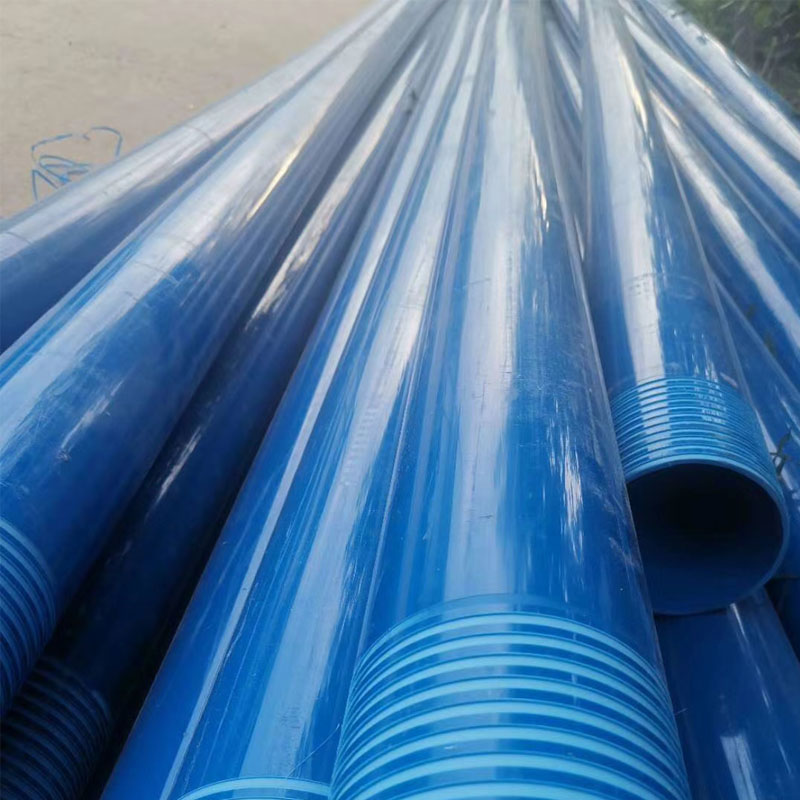
Unplasticized Polyvinyl Chloride (UPVC) column pipes represent a significant component within modern construction and infrastructure, particularly in applications requiring robust, corrosion-resistant support structures. These pipes, manufactured extensively in China, are utilized for load-bearing functions in building facades, agricultural frameworks (greenhouses, shade houses), water conveyance systems, and increasingly, in decorative architectural elements. Their price list varies considerably based on diameter, wall thickness, length, reinforcement type, and quantity ordered. This guide provides an in-depth technical analysis of UPVC column pipes, encompassing material science, manufacturing processes, performance characteristics, potential failure modes, and relevant industry standards. The core industry pain points revolve around ensuring structural integrity over extended service life, UV stability in outdoor applications, maintaining dimensional accuracy, and cost-effective sourcing from reliable manufacturers, given the often-variable quality control standards in the Chinese market. Accurate price assessment requires a deep understanding of these technical factors.
Material Science & Manufacturing
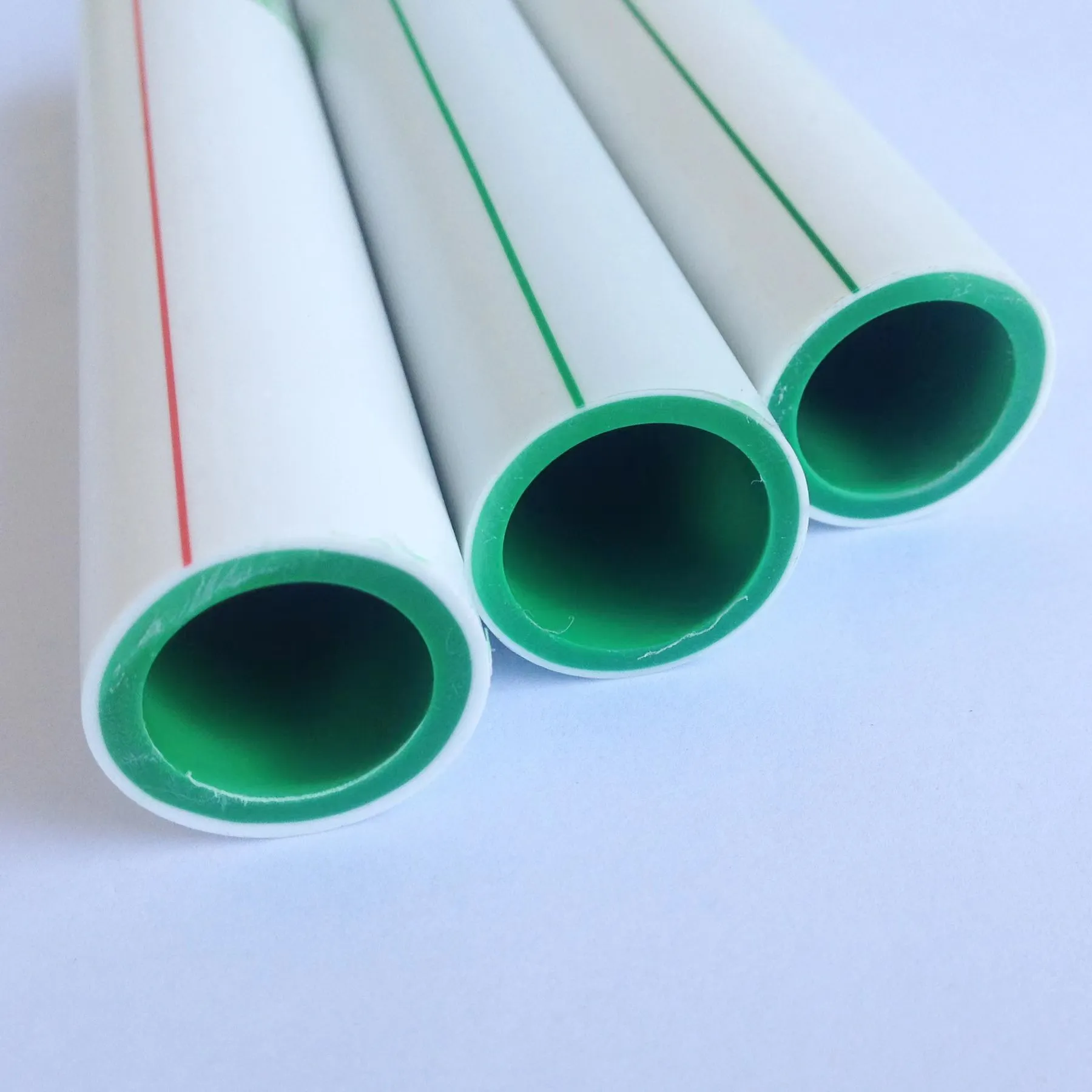
UPVC column pipes are primarily composed of polyvinyl chloride (PVC) resin, modified with stabilizers, lubricants, impact modifiers, and processing aids. The PVC resin itself is a thermoplastic polymer produced through the polymerization of vinyl chloride monomer (VCM). Key material properties include a high tensile strength (typically 50-70 MPa), good rigidity, and excellent chemical resistance. Stabilizers, commonly calcium-zinc or lead-based compounds (although lead is increasingly restricted due to environmental concerns), prevent thermal degradation during processing and UV degradation during service. Lubricants, such as stearic acid, facilitate processing and reduce friction. Impact modifiers, like chlorinated polyethylene (CPE) or acrylic impact modifiers, enhance the pipe’s resistance to fracture under stress.
Manufacturing typically employs extrusion processes. PVC compound is fed into a single-screw or twin-screw extruder, where it is heated, melted, and forced through a die to create a continuous pipe profile. The extruded pipe is then cooled via water baths to solidify the shape. Critical process parameters include extrusion temperature (180-220°C), screw speed, die design, and cooling rate. Wall thickness is precisely controlled by adjusting the die opening and extrusion rate. For increased structural capacity, particularly for column applications, pipes may be reinforced with steel profiles or spiral windings, co-extruded during the process. Quality control checks involve dimensional measurements (diameter, wall thickness, ovality), hydrostatic pressure testing (to verify burst resistance), impact strength testing, and material composition analysis (using techniques like Fourier-transform infrared spectroscopy - FTIR).
Performance & Engineering
The performance of UPVC column pipes is governed by several engineering considerations. Firstly, load-bearing capacity is paramount, dictating pipe diameter and wall thickness. Calculations must account for axial loads, bending moments, and shear stresses, adhering to relevant building codes and structural engineering principles. The Euler buckling formula is frequently applied to determine the critical buckling load for slender columns. Secondly, long-term creep resistance is crucial. PVC, while rigid, exhibits some degree of creep under sustained load, leading to gradual deformation over time. Material selection (using PVC compounds with higher molecular weight and improved creep resistance) and appropriate design margins are essential to mitigate this effect. Thirdly, UV resistance is vital for outdoor applications. Prolonged exposure to ultraviolet radiation can cause chain scission in the PVC polymer, leading to embrittlement and discoloration. Incorporating UV stabilizers (e.g., hindered amine light stabilizers – HALS) into the compound and using pigmented formulations can significantly enhance UV resistance. Fourthly, thermal expansion and contraction must be considered, particularly in environments with large temperature fluctuations. The coefficient of thermal expansion for PVC is relatively high (around 8 x 10⁻⁵/°C), necessitating expansion joints or flexible connections to accommodate dimensional changes.
Technical Specifications
| Parameter | Unit | Typical Value (DN100, Schedule 40) | Test Standard |
|---|---|---|---|
| Nominal Diameter (DN) | mm | 100 | ISO 1452 |
| Wall Thickness | mm | 4.2 | ASTM D1785 |
| Outside Diameter | mm | 114.3 | ASTM D1785 |
| Burst Pressure | MPa | 4.8 | ISO 1167 |
| Tensile Strength | MPa | 65 | ASTM D638 |
| Impact Strength (Charpy) | kJ/m2 | 5 | ISO 145 |
| Coefficient of Thermal Expansion | /°C | 8 x 10⁻⁵ | ASTM E228 |
Failure Mode & Maintenance
UPVC column pipes can experience several failure modes. Fatigue cracking can occur under cyclic loading, particularly at stress concentrations (e.g., around joints or fittings). Environmental stress cracking (ESC) is initiated by the combined action of tensile stress and exposure to certain chemicals or solvents. UV degradation leads to embrittlement and loss of impact resistance. Thermal deformation, as previously mentioned, can cause buckling or warping. Impact damage from physical collisions can lead to cracking or puncture. Joint failure, particularly at solvent-welded joints, can result from improper preparation, inadequate solvent application, or solvent evaporation before complete fusion. Maintenance involves regular visual inspection for cracks, discoloration, or deformation. Cleaning with mild soap and water is recommended. Avoid abrasive cleaners or solvents. Damaged sections should be replaced immediately. For reinforced pipes, inspect the steel reinforcement for corrosion, particularly in marine or highly corrosive environments. Periodic hydrostatic testing can assess the structural integrity of the pipe over time. UV protective coatings can be reapplied periodically to enhance resistance to degradation.
Industry FAQ
Q: What is the significance of Schedule 40 versus Schedule 80 in UPVC column pipe selection?
A: Schedule number indicates wall thickness. Schedule 80 pipes have thicker walls than Schedule 40, providing higher burst pressure ratings and greater structural strength. Schedule 40 is typically sufficient for lower-pressure applications, while Schedule 80 is preferred for higher loads and critical structural support where enhanced safety factors are required. The price difference reflects the increased material cost.
Q: How does the grade of PVC resin impact the long-term performance of the pipe?
A: The grade of PVC resin significantly affects the pipe’s long-term properties. Higher molecular weight PVC resins exhibit better creep resistance and improved impact strength. The type of polymerization process also matters; suspension PVC generally offers superior properties compared to emulsion PVC. Manufacturers should provide technical data sheets detailing the resin grade used and its associated properties.
Q: What are the best practices for solvent welding UPVC pipes to ensure a leak-proof joint?
A: Proper solvent welding is critical. Surfaces must be clean, dry, and free of contaminants. Use a primer to soften the PVC surfaces. Apply solvent cement evenly to both surfaces and quickly assemble the joint, ensuring proper alignment. Hold the joint firmly for the recommended time (specified by the solvent cement manufacturer) to allow for complete fusion. Avoid twisting or excessive movement during the bonding process.
Q: What is the expected service life of a UPVC column pipe in a typical outdoor environment?
A: The expected service life depends on environmental conditions and the quality of the material. With proper UV stabilization and maintenance, a UPVC column pipe can reasonably be expected to last 20-30 years, or even longer in less aggressive environments. However, exposure to extreme temperatures, harsh chemicals, or prolonged UV radiation can shorten its lifespan.
Q: What certifications should I look for when sourcing UPVC column pipes from Chinese manufacturers?
A: Look for certifications such as ISO 9001 (quality management system), ISO 14001 (environmental management system), and product-specific certifications like CE marking (for European markets) or NSF/ANSI 61 (for potable water applications). Verification of test reports from accredited laboratories is also crucial to ensure compliance with relevant standards.
Conclusion
UPVC column pipes offer a cost-effective and durable solution for a wide range of structural and architectural applications. Their inherent corrosion resistance, relative ease of installation, and low maintenance requirements make them an attractive alternative to traditional materials like steel or wood. However, careful consideration must be given to material selection, manufacturing quality, and environmental factors to ensure long-term structural integrity and prevent premature failure. A thorough understanding of the technical specifications and potential failure modes, coupled with adherence to relevant industry standards, is essential for successful implementation.
Future trends in UPVC column pipe technology are focused on enhancing UV resistance through improved stabilizer formulations, increasing impact strength with novel impact modifiers, and developing more sustainable manufacturing processes. The increasing demand for lightweight, durable, and environmentally friendly construction materials will continue to drive innovation in this field. Rigorous quality control and independent testing are paramount to ensure the reliability and performance of UPVC column pipes sourced from global manufacturers, particularly from regions with varying regulatory oversight.
-
DN25 HDPE Compression Fitting-HORON INTERNATIONAL|Reliable Irrigation Solutions
NewsFeb.11,2026
-
china hdpe pipe list Manufacturing and Performance
News2026-05-07
-
china gray pvc pipe Performance Analysis
News2026-05-07
-
china ppr pipe heating time Performance Analysis
News2026-05-07
-
china what is pvc pipe used for in plumbing Material Science and Performance Analysis
News2026-05-07
-
china upvc column pipes price list Technical Analysis
News2026-05-07
-
china hdpe reducer coupling Performance Analysis
News2026-05-06
-
china ppr pipe cost Performance Analysis
News2026-05-06
-
china pvc pipe for sale Performance Analysis
News2026-05-06
-
china 6 double wall corrugated pipe Performance Analysis
News2026-05-06
-
china hdpe conduit fittings Performance Analysis
News2026-05-06
-
china pvc pipe class 7 Performance Analysis
News2026-05-05
-
china 63mm pvc pipe Performance Analysis
News2026-05-05
-
china hdpe to steel transition coupling Performance Analysis
News2026-05-05
-
china kitchen water pipe Performance Analysis
News2026-05-05
-
china ppr 14 pipe Performance Analysis
News2026-05-05