

Feb . 11, 2026 00:01 Back to list
china hdpe pipe list Manufacturing and Performance
Introduction
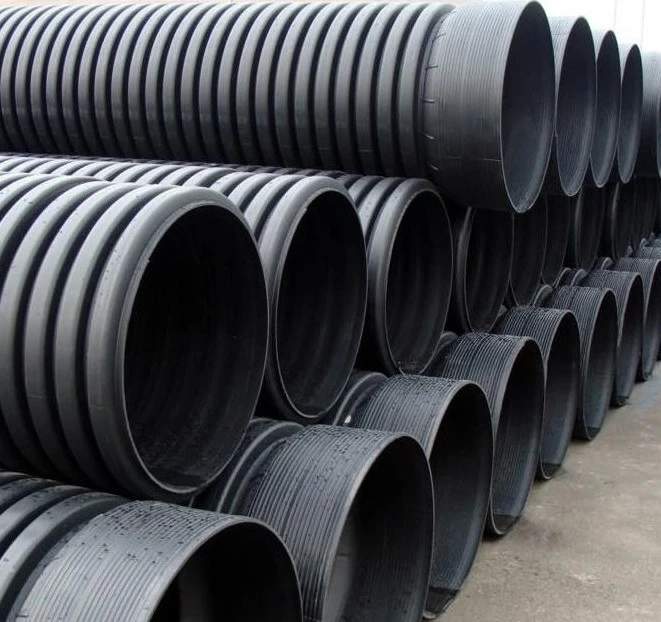
High-Density Polyethylene (HDPE) pipe, specifically those manufactured in China, represents a significant segment of the global plastic piping market. These pipes are utilized extensively in a broad range of applications including water distribution, gas transmission, sewage systems, industrial mining, and irrigation. HDPE's popularity stems from its inherent properties - corrosion resistance, flexibility, lightweight nature, and relatively low cost. The Chinese HDPE pipe manufacturing sector has grown rapidly, becoming a major exporter due to competitive pricing and increasing production capacity. This guide provides a comprehensive technical overview of Chinese HDPE pipes, detailing material science, manufacturing processes, performance characteristics, potential failure modes, and relevant industry standards. A core industry pain point centers on verifying consistent quality control across diverse Chinese manufacturers, demanding meticulous understanding of raw material sourcing, production techniques, and adherence to international benchmarks.
Material Science & Manufacturing
HDPE pipes are produced from polyethylene resin, specifically high-density polyethylene. The resin’s density, typically ranging from 0.93 to 0.97 g/cm³, dictates its physical properties. Raw material quality is paramount, with resin grade (e.g., PE32, PE40, PE63, PE80, PE100) determining long-term hydrostatic strength (LTS) and slow crack growth resistance (SCGR). Manufacturing predominantly utilizes extrusion processes. Resin pellets are fed into an extruder, melted, and forced through a die to form a continuous pipe. Parameter control during extrusion is critical. Temperature profiles (melt temperature, die temperature), screw speed, and haul-off speed directly influence pipe dimensions, wall thickness consistency, and crystalline structure. Post-extrusion, pipes undergo cooling, sizing, and cutting. Butt fusion welding is common for joining pipes, requiring precise temperature and pressure control to ensure homogenous weld integrity. Quality control encompasses regular testing of melt flow index (MFI), density, and stress crack resistance to verify resin specifications. The crystalline structure of HDPE, influenced by cooling rates during extrusion, impacts the long-term creep resistance of the pipe. Faster cooling typically yields a higher degree of crystallinity, enhancing creep resistance but potentially increasing brittleness.
Performance & Engineering
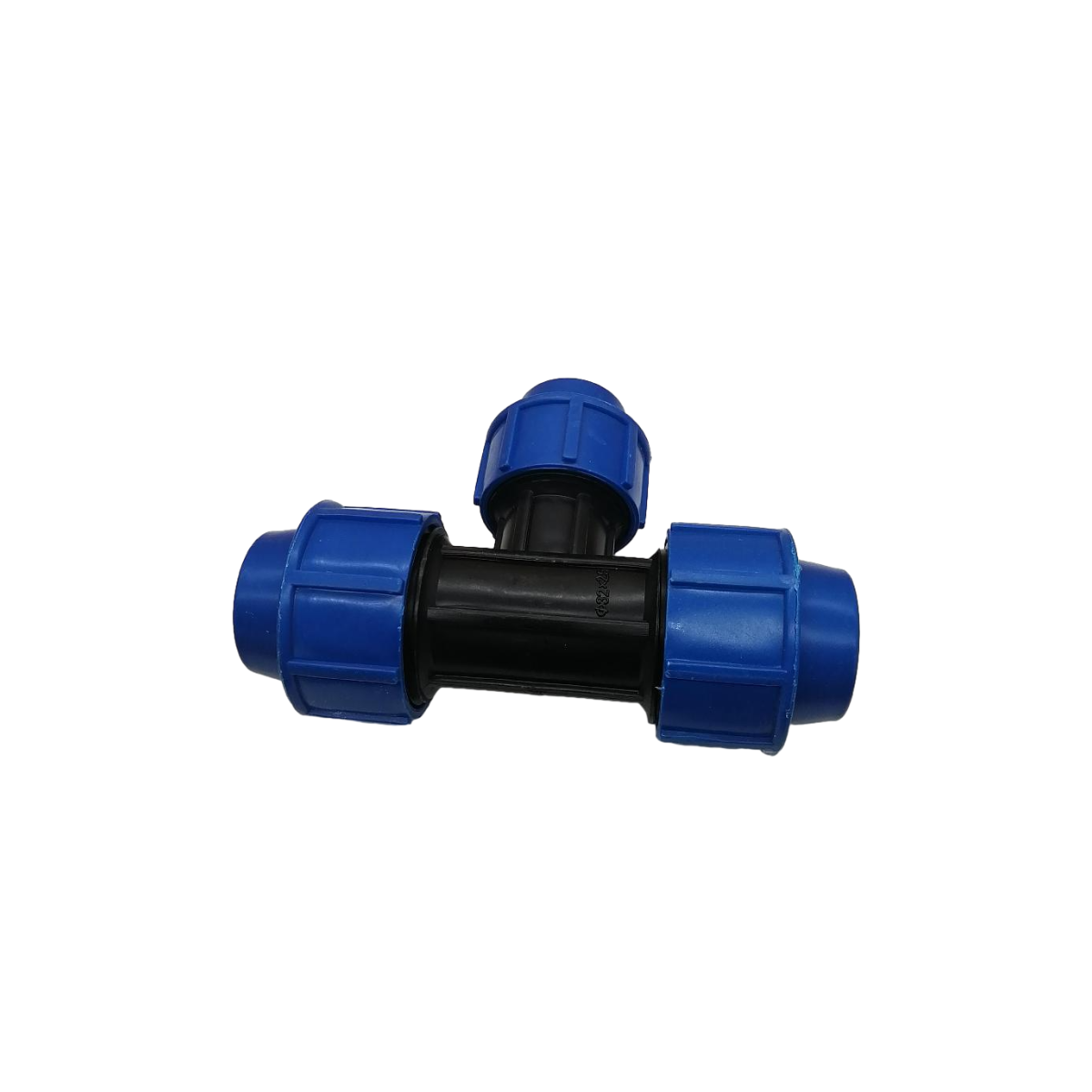
HDPE pipes exhibit excellent performance characteristics, notably their resistance to chemical corrosion. They are largely unaffected by acids, alkalis, and salts commonly found in soil and water. However, prolonged exposure to strong oxidizing agents should be avoided. Mechanical performance is governed by factors like pipe diameter, wall thickness, and material grade. Force analysis during installation and operation must account for external loads (soil pressure, traffic loads) and internal pressure (water/gas pressure). Finite Element Analysis (FEA) is often employed to model stress distribution and ensure adequate safety factors. Environmental resistance is another critical aspect. While HDPE is UV-resistant to a degree, prolonged direct sunlight exposure can lead to degradation. The addition of UV stabilizers during the compounding stage mitigates this effect. Compliance requirements vary by region, with standards like ASTM D3261 and EN 12201 dictating minimum performance criteria for pressure-rated HDPE pipes. Furthermore, understanding the long-term creep behavior of HDPE is crucial for applications involving sustained pressure. Creep is the time-dependent deformation under constant stress, and its rate is influenced by temperature and stress level.
Technical Specifications
| Parameter | PE63 | PE80 | PE100 | Unit |
|---|---|---|---|---|
| Minimum Required Strength (MRS) | 6.3 | 8.0 | 10.0 | MPa |
| Hydrostatic Design Stress (HDS) | 4.2 | 5.3 | 6.6 | MPa |
| Slow Crack Growth Resistance (SCGR) | Moderate | Good | Excellent | - |
| Density | 0.93 – 0.94 | 0.94 – 0.95 | 0.95 – 0.97 | g/cm³ |
| Melt Flow Index (MFI) | 0.5 – 1.0 | 0.3 – 0.8 | 0.1 – 0.5 | g/10min |
| Operating Temperature | -20 to +40 | -20 to +60 | -20 to +60 | °C |
Failure Mode & Maintenance
HDPE pipes, while durable, are susceptible to certain failure modes. Slow Crack Growth (SCG) is a primary concern, initiated by stress concentrations around imperfections or scratches. SCGR is accelerated by sustained tensile stress and the presence of aggressive chemicals. Fatigue cracking can occur under cyclic loading, particularly in areas subjected to vibrations. Oxidation, induced by prolonged exposure to elevated temperatures and oxygen, can lead to embrittlement. UV degradation, as mentioned earlier, weakens the material over time. Joint failures are common, often resulting from improper butt fusion welding – insufficient heating, inadequate pressure, or contamination. Maintenance typically involves visual inspections for cracks, leaks, or deformation. Regular pressure testing can identify potential weak points. For minor cracks, patching with compatible HDPE material and adhesive can provide a temporary repair. However, for significant damage, pipe replacement is generally recommended. Preventative measures include proper installation techniques, avoiding sharp bends, and protecting pipes from direct sunlight exposure. Periodic cleaning to remove debris can also prolong service life.
Industry FAQ
Q: What is the impact of varying soil corrosivity on the long-term performance of HDPE pipe?
A: Soil corrosivity, characterized by pH levels, sulfate content, and chloride concentration, influences HDPE pipe longevity. While HDPE is inherently corrosion-resistant, highly corrosive soils can accelerate degradation of the surrounding environment, impacting bedding support and potentially leading to stress concentrations on the pipe. Furthermore, some corrosive agents can permeate the pipe wall over extended periods, especially at elevated temperatures, potentially affecting its mechanical properties.
Q: How do different pipe diameters affect the required wall thickness for a given operating pressure?
A: Increasing pipe diameter necessitates a proportional increase in wall thickness to maintain the same level of pressure containment. This relationship is governed by Barlow's formula (P = 2St/D), where P is pressure, S is tensile strength, t is wall thickness, and D is diameter. Larger diameter pipes experience greater hoop stress under internal pressure, demanding thicker walls to prevent failure. Standards like ASTM D3261 provide detailed charts and calculations for determining appropriate wall thickness based on diameter and operating pressure.
Q: What quality control measures should be implemented during the butt fusion welding process to ensure joint integrity?
A: Stringent quality control is essential during butt fusion. Ensure the welding surfaces are clean and free from contaminants. Precisely control heating time and temperature according to the pipe manufacturer's specifications. Apply adequate welding pressure throughout the cooling phase. Perform visual inspection for weld bead uniformity. Conduct non-destructive testing, such as visual inspection or peel tests, to verify weld strength. Document all welding parameters for traceability.
Q: Can HDPE pipe be used in applications involving flammable gases, and if so, what precautions are necessary?
A: HDPE pipe can be used for gas transmission, but specific considerations are vital. The pipe must be certified for gas service, meeting standards like EN 1555-1. Static dissipation measures are crucial to prevent ignition from static electricity buildup. This often involves incorporating conductive materials into the pipe or utilizing grounding techniques. Leak detection systems are essential for early identification of gas leaks. Regular inspections are required to verify the integrity of the pipe and joints.
Q: What is the effect of temperature fluctuations on the long-term creep behavior of HDPE pipe?
A: Elevated temperatures significantly accelerate creep deformation in HDPE. As temperature increases, the polymer chains become more mobile, allowing for greater time-dependent deformation under sustained stress. Therefore, applications involving high operating temperatures or significant temperature fluctuations require careful consideration of creep behavior. Selecting higher-grade HDPE materials (e.g., PE100) with improved creep resistance is often necessary. Furthermore, reducing the internal operating pressure can mitigate creep effects.
Conclusion
Chinese HDPE pipe represents a cost-effective and technically viable solution for a diverse range of fluid conveyance applications. Its inherent properties, including corrosion resistance, flexibility, and ease of installation, contribute to its widespread adoption. However, ensuring long-term performance requires a meticulous understanding of material science, manufacturing processes, and potential failure modes. A critical factor is diligent quality control throughout the entire supply chain – from raw material sourcing to final product inspection.
Future advancements will likely focus on developing enhanced HDPE formulations with improved creep resistance, UV stability, and SCGR performance. Integrating smart technologies, such as embedded sensors for leak detection and structural health monitoring, will further enhance the reliability and longevity of HDPE piping systems. Continued adherence to international standards and best practices will be crucial for maintaining the competitiveness and reputation of Chinese HDPE pipe manufacturers.
-
DN25 HDPE Compression Fitting-HORON INTERNATIONAL|Reliable Irrigation Solutions
NewsFeb.11,2026
-
china hdpe pipe list Manufacturing and Performance
News2026-05-07
-
china gray pvc pipe Performance Analysis
News2026-05-07
-
china ppr pipe heating time Performance Analysis
News2026-05-07
-
china what is pvc pipe used for in plumbing Material Science and Performance Analysis
News2026-05-07
-
china upvc column pipes price list Technical Analysis
News2026-05-07
-
china hdpe reducer coupling Performance Analysis
News2026-05-06
-
china ppr pipe cost Performance Analysis
News2026-05-06
-
china pvc pipe for sale Performance Analysis
News2026-05-06
-
china 6 double wall corrugated pipe Performance Analysis
News2026-05-06
-
china hdpe conduit fittings Performance Analysis
News2026-05-06
-
china pvc pipe class 7 Performance Analysis
News2026-05-05
-
china 63mm pvc pipe Performance Analysis
News2026-05-05
-
china hdpe to steel transition coupling Performance Analysis
News2026-05-05
-
china kitchen water pipe Performance Analysis
News2026-05-05
-
china ppr 14 pipe Performance Analysis
News2026-05-05