

Feb . 11, 2026 00:01 Back to list
china sprinkler pvc pipe Performance and Engineering
Introduction
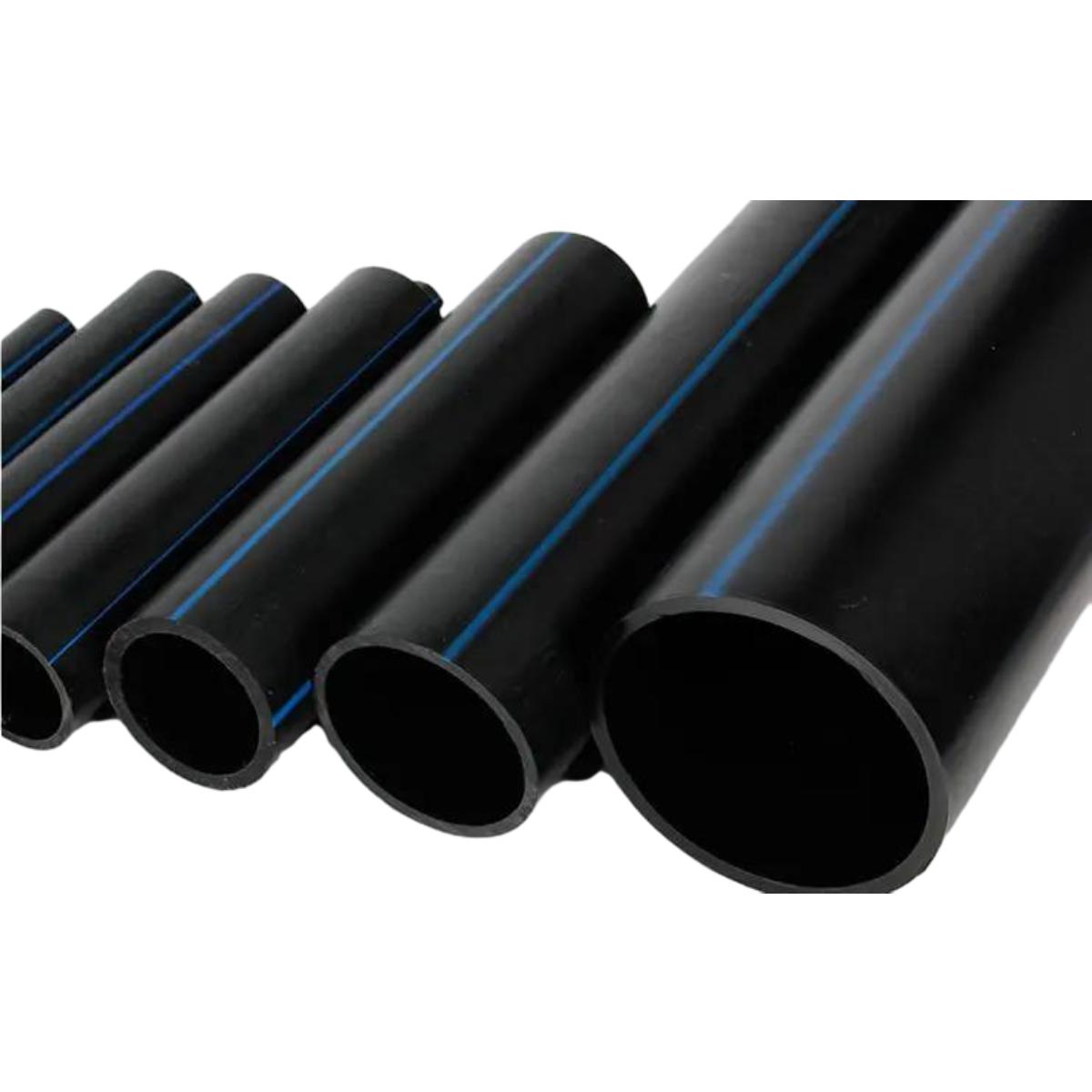
China Sprinkler PVC Pipe refers to a system of rigid polyvinyl chloride (PVC) piping designed for automatic fire suppression. It represents a critical component within broader fire protection infrastructure, serving as the distribution network for water to sprinkler heads in commercial, industrial, and residential buildings. Positioned within the building construction and life safety supply chain, its performance directly impacts the effectiveness of fire containment and occupant safety. Core performance characteristics center on pressure capacity, flow rate, flame retardancy, and long-term durability, adhering to stringent international standards. The increasing adoption of PVC sprinkler systems is driven by cost-effectiveness compared to metallic alternatives, ease of installation, and inherent corrosion resistance, making it a prevalent solution across a wide range of building applications. However, concerns around potential degradation due to UV exposure and specific chemical compatibility necessitate careful material selection and installation practices.
Material Science & Manufacturing
The primary raw material for China Sprinkler PVC Pipe is Polyvinyl Chloride resin, typically sourced as suspension PVC. Key additives include stabilizers (typically calcium-zinc formulations to replace lead-based stabilizers due to environmental concerns), lubricants (internal and external to facilitate processing), impact modifiers (like chlorinated polyethylene - CPE) to enhance toughness, and flame retardants (often zinc borate and aluminum hydroxide). The physical properties of PVC – a density of approximately 1.4 g/cm³, a glass transition temperature (Tg) around 80°C, and a tensile strength ranging from 50-70 MPa – dictate its processability and end-use performance. Manufacturing predominantly employs extrusion techniques. PVC resin and additives are blended, then fed into a single or twin-screw extruder where they are heated and homogenized. The molten PVC is forced through a die to form the desired pipe diameter and wall thickness. Critical process parameters include barrel temperature profiling (typically 180-220°C), screw speed (influencing shear rate and melt viscosity), and die pressure (affecting dimensional accuracy). Post-extrusion, pipes are cooled in a water bath, printed with relevant markings (certifications, schedule, pressure rating), and cut to length. Quality control involves rigorous testing of hydrostatic pressure, impact resistance (Charpy or Izod), and dimensional accuracy according to established standards. Welding techniques, often solvent cementing, are critical for joining pipe sections, requiring precise surface preparation and application of appropriate adhesive formulations.
Performance & Engineering
The performance of China Sprinkler PVC Pipe is governed by its ability to withstand internal hydrostatic pressure generated during fire suppression system operation. Force analysis focuses on hoop stress within the pipe wall, calculated using the Barlow’s formula (S = (P D) / (2 t), where S = hoop stress, P = internal pressure, D = pipe diameter, and t = wall thickness). Design considerations incorporate a significant safety factor to account for water hammer (pressure surges), thermal expansion/contraction, and potential external loads. Environmental resistance is paramount; prolonged UV exposure can lead to embrittlement and reduced impact strength. Therefore, UV stabilizers are essential, and pipes installed outdoors require protective coatings or shielding. Chemical compatibility is also crucial. Exposure to certain solvents, oils, or aggressive chemicals can cause swelling, softening, or cracking. Compliance with NFPA 13 (Standard for the Installation of Sprinkler Systems) and local building codes is non-negotiable. This includes requirements for fire resistance (typically a minimum flame spread rating of 25 and a smoke developed rating of 50), hydrostatic testing (typically 2.25 times the working pressure), and proper seismic bracing. Functional implementation requires meticulous system design, accounting for hydraulic calculations (flow rate, pressure loss), sprinkler head spacing, and proper valve selection to ensure adequate water delivery to all protected areas.
Technical Specifications
| Parameter | Schedule 40 (Common Grade) | Schedule 80 (Heavy Duty) | ASTM D1785 Dimension Ratio (DR) | Operating Temperature Range |
|---|---|---|---|---|
| Material | PVC (Polyvinyl Chloride) | PVC (Polyvinyl Chloride) | Various, commonly DR 16 | -5°C to 60°C (23°F to 140°F) |
| Pressure Rating (at 23°C) | Up to 300 psi | Up to 600 psi | Dependent on DR and Diameter | Pressure decreases with increasing temperature |
| Diameter (Nominal) | 1/2" to 12" | 1/2" to 12" | Available in a wide range | Standard sizes aligned with pipe fitting availability |
| Wall Thickness | Varies with Schedule & Diameter | Thicker than Schedule 40 | Determined by DR and Diameter | Critical for pressure containment |
| Impact Resistance (Charpy, 23°C) | > 5 J (Typical) | > 10 J (Typical) | Dependent on formulation | Impact resistance decreases at lower temperatures |
| Tensile Strength | 55-70 MPa | 55-70 MPa | Consistent across schedules | Influenced by PVC resin grade |
Failure Mode & Maintenance
Common failure modes in China Sprinkler PVC Pipe include: 1) Hydrostatic Failure: Resulting from excessive internal pressure exceeding the pipe's burst strength, often exacerbated by water hammer or surge events. 2) Environmental Stress Cracking (ESC): Caused by the combined effect of tensile stress, aggressive chemicals, and long-term exposure, leading to brittle fracture. 3) UV Degradation: Prolonged exposure to ultraviolet radiation causes chain scission, reducing impact resistance and leading to surface cracking. 4) Chemical Attack: Exposure to incompatible solvents or chemicals can cause swelling, softening, and eventual failure. 5) Joint Failure: Improper solvent cementing (insufficient surface preparation, incorrect adhesive application, or inadequate curing time) results in weak bonds prone to leakage and separation. Maintenance procedures include regular visual inspections for cracks, leaks, or signs of degradation. Hydrostatic testing should be performed periodically (every 5-10 years) to verify system integrity. UV-protected coatings or shielding should be applied to exposed pipe sections. Avoid storing PVC pipe in direct sunlight for extended periods. Ensure proper solvent cementing techniques are followed during installation and repairs, including surface cleaning with appropriate primers and adhesives. Address any identified defects promptly to prevent catastrophic failure and maintain system reliability. Record keeping of inspections and maintenance activities is crucial for long-term system management.
Industry FAQ
Q: What is the primary advantage of using PVC sprinkler pipe over steel?
A: The primary advantage is cost. PVC is significantly less expensive than steel pipe of comparable size and pressure rating. Additionally, PVC is inherently corrosion-resistant, eliminating the need for costly corrosion protection measures like galvanization or painting required for steel. Installation is generally easier and faster due to lighter weight and the use of solvent cementing instead of welding or threading.
Q: How does temperature affect the performance of PVC sprinkler pipe?
A: Increased temperatures reduce the pressure rating of PVC pipe. The pressure rating listed for PVC pipe is typically specified at 23°C (73°F). As the temperature rises, the pipe's tensile strength decreases, lowering its ability to withstand internal pressure. Conversely, very low temperatures can reduce impact resistance and increase brittleness.
Q: What specific chemicals should be avoided when using PVC sprinkler pipe?
A: PVC is susceptible to attack by strong solvents, ketones, aromatic hydrocarbons (benzene, toluene, xylene), and chlorinated hydrocarbons. These chemicals can cause swelling, softening, cracking, or dissolution of the PVC material, compromising its structural integrity. Exposure to petroleum-based products should also be minimized.
Q: What is the importance of the Schedule number (e.g., Schedule 40, Schedule 80)?
A: The Schedule number indicates the pipe's wall thickness. Higher Schedule numbers (e.g., Schedule 80) denote thicker walls, resulting in higher pressure ratings and greater mechanical strength. Schedule 40 is commonly used for general sprinkler applications, while Schedule 80 is preferred for high-pressure systems or installations requiring enhanced durability.
Q: What are the key considerations for long-term storage of PVC sprinkler pipe?
A: PVC pipe should be stored in a cool, dry, and well-ventilated area, away from direct sunlight, heat sources, and incompatible chemicals. It's crucial to avoid stacking pipes excessively high, which could cause deformation. Protect the pipe from physical damage and ensure it is properly supported to prevent bending or warping. UV exposure during storage should be minimized.
Conclusion
China Sprinkler PVC Pipe provides a cost-effective and reliable solution for automatic fire suppression systems, offering corrosion resistance and ease of installation. However, its performance is inherently linked to material properties, manufacturing quality, and adherence to relevant engineering standards. Careful consideration of environmental factors – specifically UV exposure and chemical compatibility – is critical to ensuring long-term durability and system integrity.
Future developments in PVC sprinkler pipe technology will likely focus on enhancing UV resistance through advanced additive formulations, improving impact strength at low temperatures, and exploring bio-based PVC alternatives to address sustainability concerns. Regular inspection and proactive maintenance, alongside adherence to evolving industry standards, will remain essential for maximizing the lifespan and ensuring the reliable operation of these vital fire protection systems.
-
DN25 HDPE Compression Fitting-HORON INTERNATIONAL|Reliable Irrigation Solutions
NewsFeb.11,2026
-
china sprinkler pvc pipe Performance and Engineering
News2026-05-12
-
china ppr pipe 3 4 Performance Analysis
News2026-05-12
-
china hdpe sprinkler pipe Performance Analysis
News2026-05-12
-
china hdpe irrigation pipe fittings Performance Analysis
News2026-05-12
-
china whole sale pvc pipe Performance Analysis
News2026-05-12
-
china 25mm ppr pipe price Technical Analysis
News2026-05-11
-
china hdpe pipe pdf Performance Analysis
News2026-05-11
-
china 12 double wall corrugated pipe Performance Analysis
News2026-05-11
-
china water pipes under kitchen sink Performance Analysis
News2026-05-11
-
china 10 hdpe corrugated pipe Performance Analysis
News2026-05-11
-
china hdpe coupling fittings Performance Analysis
News2026-05-10
-
china hdpe pipe use Performance Analysis
News2026-05-10
-
china hdpe water supply pipe Performance Analysis
News2026-05-10
-
china 1.5 inch pvc pipe Performance Analysis
News2026-05-10
-
china hdpe double wall corrugated pipe Performance Analysis
News2026-05-10