

Feb . 11, 2026 00:01 Back to list
china hdpe pipe use Performance Analysis
Introduction
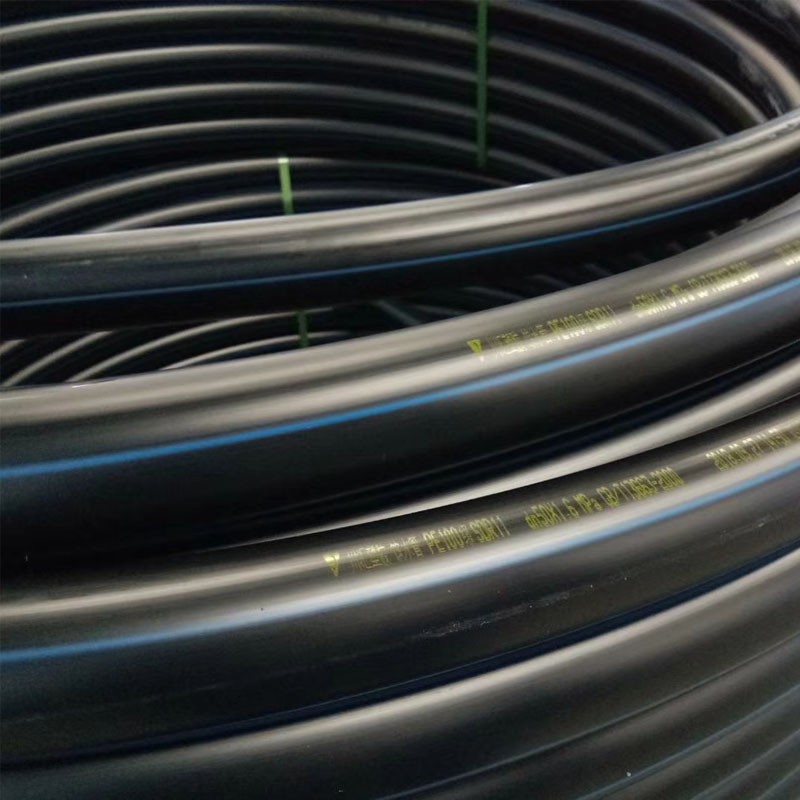
High-Density Polyethylene (HDPE) pipe, manufactured in China, represents a significant component in modern infrastructure projects, particularly within water distribution, gas transmission, and industrial fluid handling. Positioned as a cost-effective and durable alternative to traditional materials like ductile iron, steel, and concrete, HDPE pipe’s market presence has expanded dramatically due to its inherent corrosion resistance, flexibility, and ease of installation. This technical guide provides an in-depth examination of Chinese-manufactured HDPE pipe, encompassing material science, manufacturing processes, performance characteristics, failure modes, and relevant industry standards. Core performance characteristics center around pressure bearing capacity, long-term hydrostatic strength (LTS), slow crack growth resistance (SCGR), and environmental stress crack resistance (ESCR). The increasing adoption of HDPE pipe is driven by the growing need for infrastructure rehabilitation and expansion, coupled with stringent environmental regulations demanding leak-free and sustainable pipeline systems. A key pain point in the industry involves ensuring consistent quality and adherence to international standards across numerous Chinese manufacturers.
Material Science & Manufacturing
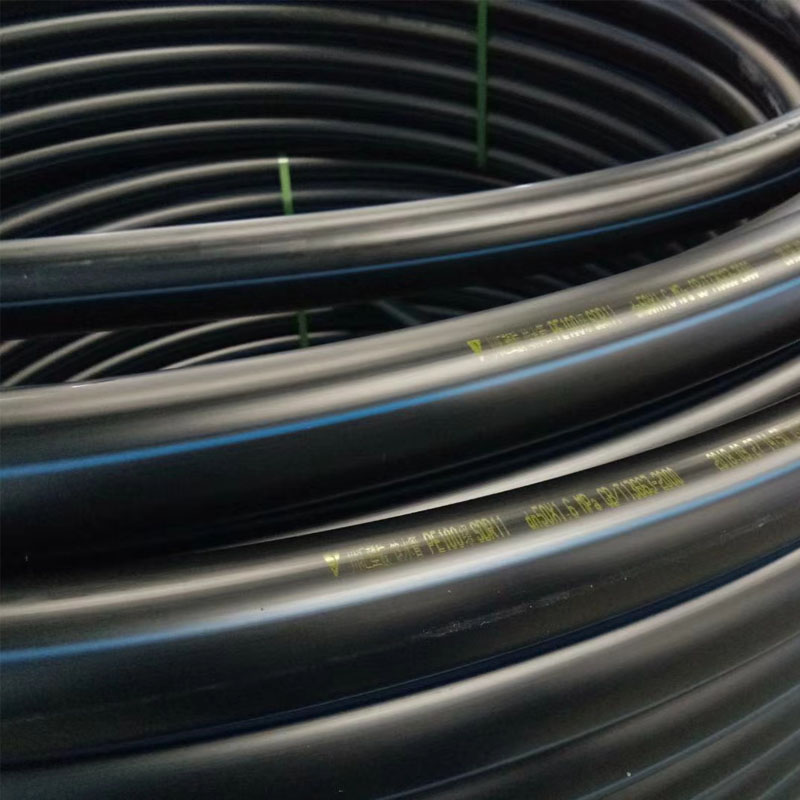
HDPE pipe production begins with high-density polyethylene resin, typically sourced from petrochemical plants. The resin’s molecular weight distribution and density are critical parameters influencing the final pipe’s properties. Density typically ranges from 0.93 to 0.97 g/cm³, with higher densities correlating to increased stiffness and strength. The manufacturing process predominantly utilizes extrusion techniques. Raw HDPE pellets are fed into an extruder, where they are heated and melted. The molten plastic is then forced through a die, shaping it into a continuous pipe. Key process parameters include die temperature, extrusion speed, and cooling rate. Cooling is typically achieved using water baths, controlling the rate to minimize internal stresses. Butt fusion, electrofusion, and socket fusion are common joining methods. Butt fusion, often used for larger diameter pipes, involves heating the pipe ends and pressing them together under controlled pressure. Electrofusion utilizes an electrical heating element embedded within a fitting. Quality control measures at each stage are crucial; resin quality is assessed via Differential Scanning Calorimetry (DSC) to determine melting point and crystallinity. Pipe dimensions are monitored using laser gauges, and hydrostatic pressure testing validates the pipe’s ability to withstand design pressures. The presence of carbon black additives is common, providing UV protection and enhancing resistance to slow crack growth. Proper dispersion of carbon black is critical; agglomeration can create weak points in the pipe wall.
Performance & Engineering
The performance of HDPE pipe is governed by several engineering principles. Hoop stress analysis is fundamental in determining the pipe’s ability to withstand internal pressure. The Barlow’s formula (σ = PD/2t, where σ is hoop stress, P is internal pressure, D is pipe diameter, and t is wall thickness) provides a basic calculation, but more sophisticated finite element analysis (FEA) is employed for complex loading scenarios. Environmental factors, particularly temperature, significantly affect HDPE’s mechanical properties. As temperature increases, the pipe’s strength and stiffness decrease. Long-term hydrostatic strength (LTS) is a critical parameter, representing the pipe’s ability to withstand sustained internal pressure over a 50-year service life. SCGR is a major failure mechanism, initiated by stress concentrations and exacerbated by exposure to aggressive environments. The presence of residual stresses from manufacturing or installation can contribute to SCGR. Pipe burial depth and soil characteristics also play a role; adequate soil cover provides protection from UV radiation and mechanical damage. Compliance with standards such as ASTM F441 and ISO 4427 dictates acceptable levels of LTS and SCGR. Additionally, resistance to chemical attack is a significant consideration, especially in industrial applications. HDPE exhibits good resistance to many acids and bases, but can be susceptible to degradation by strong oxidizing agents and certain solvents.
Technical Specifications
| Parameter | Units | Typical Value (Chinese HDPE Pipe) | Testing Standard |
|---|---|---|---|
| Density | g/cm³ | 0.955 – 0.965 | GB/T 18454.3 |
| Hydrostatic Design Stress (SDR) | MPa | 12.6 – 16.0 (depending on SDR ratio) | ISO 1167 |
| Long Term Hydrostatic Strength (LTS) | MPa | ≥ 8.0 | ISO 1167 |
| Slow Crack Growth Resistance (SCGR) | Hours to Failure | ≥ 1000 (Full Notch Creep Test) | ISO 3682 |
| Environmental Stress Crack Resistance (ESCR) | Hours to Failure | ≥ 500 (Notched Pipe Test) | ASTM F1948 |
| Tensile Strength at Yield | MPa | ≥ 40 | GB/T 18454.2 |
Failure Mode & Maintenance
HDPE pipe failures can manifest in several forms. SCGR, as previously mentioned, is a prevalent issue, particularly in environments containing surfactants or aggressive chemicals. Fatigue cracking can occur due to repeated stress fluctuations, such as those induced by traffic loads or pressure surges. Oxidation, while typically slow, can degrade the pipe material over extended periods, especially in the presence of UV radiation. Delamination, often a manufacturing defect, can lead to catastrophic failure. Joint failures are common, stemming from improper fusion techniques or inadequate surface preparation. Maintenance typically involves visual inspection for cracks, deformations, or leaks. Pressure testing can identify hidden leaks. For minor cracks, repair sleeves or patches can be used. For significant damage, section replacement is often the most practical solution. Preventive maintenance measures include ensuring proper backfill compaction, protecting the pipe from mechanical damage, and avoiding exposure to incompatible chemicals. Regular cathodic protection surveys are recommended in corrosive environments. A thorough failure analysis, including fractography, can help identify the root cause of failures and prevent recurrence. The use of tracer gas leak detection can identify even small leaks in buried pipelines.
Industry FAQ
Q: What is the impact of varying pipe diameters on hydrostatic design stress?
A: As pipe diameter increases, the required wall thickness must also increase to maintain the same hydrostatic design stress. This is because hoop stress is directly proportional to the pipe diameter. Larger diameter pipes are therefore more susceptible to failure under the same internal pressure if wall thickness is not adequately increased. SDR (Standard Dimension Ratio) is a crucial parameter in this context, defining the ratio of pipe diameter to wall thickness.
Q: How does the quality of the HDPE resin impact long-term performance?
A: The molecular weight distribution and density of the HDPE resin directly influence the pipe’s long-term performance. Higher molecular weight resins generally exhibit better creep resistance and improved LTS. Resin with inconsistent properties or the presence of contaminants can lead to premature failure. Batch-to-batch consistency is essential.
Q: What are the primary causes of SCGR in HDPE pipes, and how can they be mitigated?
A: SCGR is initiated by stress concentrations, often at notches or imperfections in the pipe wall. Exposure to aggressive environments, particularly those containing surfactants or oxidizing agents, accelerates SCGR. Mitigation strategies include using high-quality resin with good ESCR, ensuring proper pipe installation to minimize stress concentrations, and employing stress relieving techniques during installation.
Q: What quality control measures are essential during the manufacturing process of HDPE pipes?
A: Essential quality control measures include resin testing (DSC), dimensional checks using laser gauges, hydrostatic pressure testing, impact testing, and visual inspection for defects. Monitoring and controlling extrusion parameters such as die temperature and cooling rate are also critical. Statistical Process Control (SPC) should be implemented to ensure consistent product quality.
Q: What are the differences between butt fusion and electrofusion joining techniques, and when should each be used?
A: Butt fusion is typically used for larger diameter pipes and requires precise alignment and controlled pressure. Electrofusion is suitable for smaller diameters and complex fittings, offering greater control over the heating process. Butt fusion generally provides a stronger joint, while electrofusion is more tolerant of variations in surface conditions. Proper operator training is essential for both techniques.
Conclusion
Chinese-manufactured HDPE pipe presents a viable and cost-effective solution for a wide range of applications, offering advantages in terms of corrosion resistance, flexibility, and ease of installation. However, ensuring consistent quality and adherence to international standards is paramount. A thorough understanding of material science, manufacturing processes, performance characteristics, and potential failure modes is crucial for successful implementation. The long-term durability of HDPE pipe depends on proper material selection, careful installation, and consistent adherence to quality control procedures.
Future advancements in HDPE pipe technology are likely to focus on developing new resin formulations with enhanced mechanical properties and improved resistance to SCGR. The integration of smart monitoring systems to detect leaks and assess pipe integrity will also become increasingly prevalent. By addressing the challenges related to quality control and standardization, the Chinese HDPE pipe industry can further solidify its position as a leading supplier of pipeline solutions globally.
-
DN25 HDPE Compression Fitting-HORON INTERNATIONAL|Reliable Irrigation Solutions
NewsFeb.11,2026
-
china hdpe coupling fittings Performance Analysis
News2026-05-10
-
china hdpe pipe use Performance Analysis
News2026-05-10
-
china hdpe water supply pipe Performance Analysis
News2026-05-10
-
china 1.5 inch pvc pipe Performance Analysis
News2026-05-10
-
china hdpe double wall corrugated pipe Performance Analysis
News2026-05-10
-
china 10mm pvc pipe Performance Analysis
News2026-05-09
-
china ppr pipe for cold water Material Performance
News2026-05-09
-
china type of pvc pipe Material and Manufacturing Analysis
News2026-05-09
-
china hdpe pipe sizes Performance Analysis
News2026-05-09
-
china 50mm pvc pipe Performance Analysis
News2026-05-09
-
china water supply lines under kitchen sink Material Science and Manufacturing
News2026-05-08
-
china green pvc pipe Performance Analysis
News2026-05-08
-
china coupler hdpe pipe Performance Analysis
News2026-05-08
-
china ppr pipe 32mm price Performance Analysis
News2026-05-08
-
china ppr piping system Performance Analysis
News2026-05-08