

Feb . 11, 2026 00:01 Back to list
china green pvc pipe Performance Analysis
Introduction
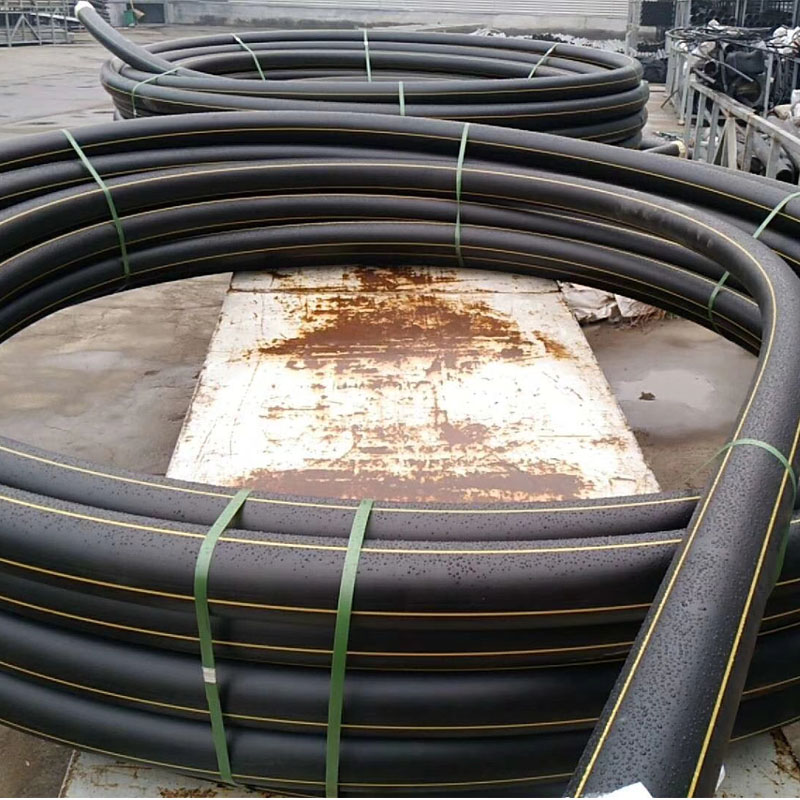
Polyvinyl chloride (PVC) pipe, specifically china green PVC pipe, represents a significant segment of the thermoplastic piping market utilized extensively in irrigation, drainage, water supply, and conduit applications. Its prevalence stems from a combination of cost-effectiveness, ease of installation, and suitable mechanical properties for a wide range of non-pressurized and low-pressure applications. The “china green” coloration, achieved through pigment addition during the manufacturing process, serves primarily as a visual identifier denoting specific application suitability, often linked to agricultural or drainage systems. This guide provides an in-depth technical overview of china green PVC pipe, encompassing its material composition, manufacturing processes, performance characteristics, potential failure modes, and relevant industry standards. Core industry pain points surrounding PVC pipe involve concerns regarding long-term durability in varying climates, the potential for degradation due to UV exposure and chemical interactions, and ensuring consistent quality control across diverse manufacturing sources. This document addresses these concerns through a rigorous technical analysis.
Material Science & Manufacturing
China green PVC pipe is primarily composed of PVC resin, a thermoplastic polymer derived from the vinyl chloride monomer. The base PVC resin is typically a copolymer of vinyl chloride with vinyl acetate, enhancing impact resistance and processability. The "green" color is imparted by the addition of organic pigments, primarily phthalocyanine green, carefully selected for UV stability and compatibility with the PVC matrix. Other essential additives include plasticizers (often phthalates or alternatives like DINCH), heat stabilizers (typically organotin compounds or calcium-zinc stabilizers), lubricants (stearic acid, polyethylene wax), and processing aids. The manufacturing process commonly employs extrusion. PVC compound is fed into a single-screw or twin-screw extruder, where it is heated and plasticized. The molten PVC is then forced through a die to form the desired pipe diameter and wall thickness. Key parameters during extrusion include barrel temperature profiles (typically 170-210°C), screw speed, and die pressure. Cooling is achieved through water baths, followed by dimensional stabilization and cutting to length. Quality control focuses on ensuring consistent wall thickness, diameter, and the correct concentration of additives. Variations in plasticizer content directly impact flexibility and temperature resistance, while improper heat stabilizer concentration can lead to thermal degradation during processing and service life. The control of these parameters is vital for achieving required mechanical properties and compliance with industry standards.
Performance & Engineering
The performance of china green PVC pipe is dictated by several engineering considerations. Tensile strength, typically ranging from 50-60 MPa for standard schedule 40 pipe, determines the pipe’s ability to withstand internal pressure and external loads. Impact resistance, measured using Izod or Charpy tests, is critical in preventing brittle failure, particularly during installation and handling. The modulus of elasticity (approximately 3-4 GPa) governs the pipe’s stiffness and resistance to deformation under load. Long-term hydrostatic strength is a crucial parameter, as PVC exhibits creep behavior under sustained pressure. This is often assessed through hydrostatic stress rupture testing at elevated temperatures. Environmental resistance is a significant concern. UV degradation causes chain scission, leading to embrittlement and discoloration. The addition of UV stabilizers mitigates this effect, but prolonged exposure will inevitably lead to degradation. Chemical resistance is generally good for many common substances, but PVC is susceptible to attack by aromatic hydrocarbons, ketones, and strong oxidizing agents. Compliance requirements vary by region but typically include standards for dimensional accuracy, pressure rating, and material composition. Force analysis during installation must account for bending moments and stress concentrations at fittings. Proper support and bedding are essential to prevent excessive stress on the pipe.
Technical Specifications
| Parameter | Unit | Schedule 40 | Schedule 80 |
|---|---|---|---|
| Tensile Strength | MPa | 55 | 60 |
| Impact Strength (Izod Notched) | J/m | 400 | 500 |
| Modulus of Elasticity | GPa | 3.5 | 3.8 |
| Hydrostatic Pressure Rating (23°C) | MPa | 1.0 | 1.6 |
| Density | kg/m³ | 1420 | 1430 |
| Operating Temperature Range | °C | -10 to 60 | -10 to 60 |
Failure Mode & Maintenance
Common failure modes in china green PVC pipe include cracking, splitting, and deformation. Fatigue cracking can occur due to repeated bending or stress cycles, particularly at fittings or areas of high stress concentration. Environmental stress cracking (ESC) arises from the combined effect of tensile stress and exposure to aggressive chemicals. UV degradation leads to embrittlement and surface cracking, reducing the pipe’s impact resistance. Thermal expansion and contraction can cause stress on joints and fittings, leading to leaks. Delamination, although less common, can occur if the PVC compound is poorly mixed or if incompatible additives are used. Oxidation can occur with prolonged exposure to high temperatures. Maintenance involves regular visual inspection for cracks, leaks, and signs of degradation. Joints should be checked for tightness and proper sealing. Damaged sections should be replaced promptly. Protection from direct sunlight, using UV-resistant coatings or burying the pipe, can significantly extend its service life. Avoid exposing the pipe to incompatible chemicals. Proper installation practices, including adequate support and bedding, are crucial for preventing premature failure. Periodic pressure testing can identify leaks and potential weaknesses before they escalate into major issues.
Industry FAQ
Q: What is the impact of phthalate plasticizers on the long-term durability of china green PVC pipe?
A: Phthalate plasticizers, while cost-effective, are known to migrate over time, leading to embrittlement and reduced flexibility. This migration is accelerated by elevated temperatures and exposure to certain chemicals. Modern formulations increasingly utilize alternative plasticizers like DINCH or DOTP, which exhibit lower migration rates and improved long-term performance, albeit at a higher cost. The choice of plasticizer significantly influences the pipe’s service life and compliance with environmental regulations.
Q: How does the green pigment affect the UV resistance of the PVC?
A: While phthalocyanine green pigment generally possesses good UV stability, its presence can slightly reduce the overall UV resistance compared to unpigmented PVC. The pigment itself can absorb some UV radiation, protecting the PVC matrix, but it can also contribute to photo-oxidation. The concentration and quality of the UV stabilizers added to the compound are therefore crucial for mitigating this effect.
Q: What are the key differences between Schedule 40 and Schedule 80 PVC pipe in terms of application?
A: Schedule 40 PVC pipe is designed for low-pressure applications such as irrigation and drainage, while Schedule 80 pipe offers greater wall thickness and pressure resistance, making it suitable for higher-pressure systems and industrial applications. Schedule 80 provides a higher safety factor and is often preferred in situations where mechanical strength and durability are paramount. The higher wall thickness also leads to increased cost and weight.
Q: What methods are used to assess the long-term hydrostatic strength of PVC pipe?
A: Hydrostatic stress rupture testing is the primary method used to evaluate long-term hydrostatic strength. This involves subjecting the pipe to a constant internal pressure at elevated temperatures over an extended period (typically 1000-5000 hours). The time to failure is used to predict the pipe’s service life under specific operating conditions. Accelerated aging tests are also employed to simulate long-term exposure in a shorter timeframe.
Q: What is the significance of complying with ASTM D1785 for PVC pipe?
A: ASTM D1785 is a widely recognized standard that specifies requirements for PVC pipe intended for pressure applications. Compliance with this standard ensures that the pipe meets minimum requirements for dimensional accuracy, material quality, and pressure rating, providing assurance of consistent performance and reliability. Adherence to ASTM standards is often a prerequisite for project approval and regulatory compliance.
Conclusion
China green PVC pipe remains a widely utilized material for a variety of applications due to its cost-effectiveness and versatility. However, a thorough understanding of its material properties, manufacturing processes, and potential failure modes is critical for ensuring long-term performance and reliability. Careful selection of additives, proper manufacturing control, and adherence to relevant industry standards are essential for mitigating the risks associated with UV degradation, chemical attack, and mechanical failure.
Future advancements in PVC formulation, including the development of more sustainable plasticizers and improved UV stabilizers, will continue to enhance the durability and environmental profile of this important piping material. Furthermore, advancements in non-destructive testing techniques will enable more accurate assessment of pipe integrity and facilitate proactive maintenance strategies, extending the service life of existing infrastructure and optimizing resource utilization.
-
DN25 HDPE Compression Fitting-HORON INTERNATIONAL|Reliable Irrigation Solutions
NewsFeb.11,2026
-
china hdpe coupling fittings Performance Analysis
News2026-05-10
-
china hdpe pipe use Performance Analysis
News2026-05-10
-
china hdpe water supply pipe Performance Analysis
News2026-05-10
-
china 1.5 inch pvc pipe Performance Analysis
News2026-05-10
-
china hdpe double wall corrugated pipe Performance Analysis
News2026-05-10
-
china 10mm pvc pipe Performance Analysis
News2026-05-09
-
china ppr pipe for cold water Material Performance
News2026-05-09
-
china type of pvc pipe Material and Manufacturing Analysis
News2026-05-09
-
china hdpe pipe sizes Performance Analysis
News2026-05-09
-
china 50mm pvc pipe Performance Analysis
News2026-05-09
-
china water supply lines under kitchen sink Material Science and Manufacturing
News2026-05-08
-
china green pvc pipe Performance Analysis
News2026-05-08
-
china coupler hdpe pipe Performance Analysis
News2026-05-08
-
china ppr pipe 32mm price Performance Analysis
News2026-05-08
-
china ppr piping system Performance Analysis
News2026-05-08