

Feb . 11, 2026 00:01 Back to list
china hdpe coupling fittings Performance Analysis
Introduction
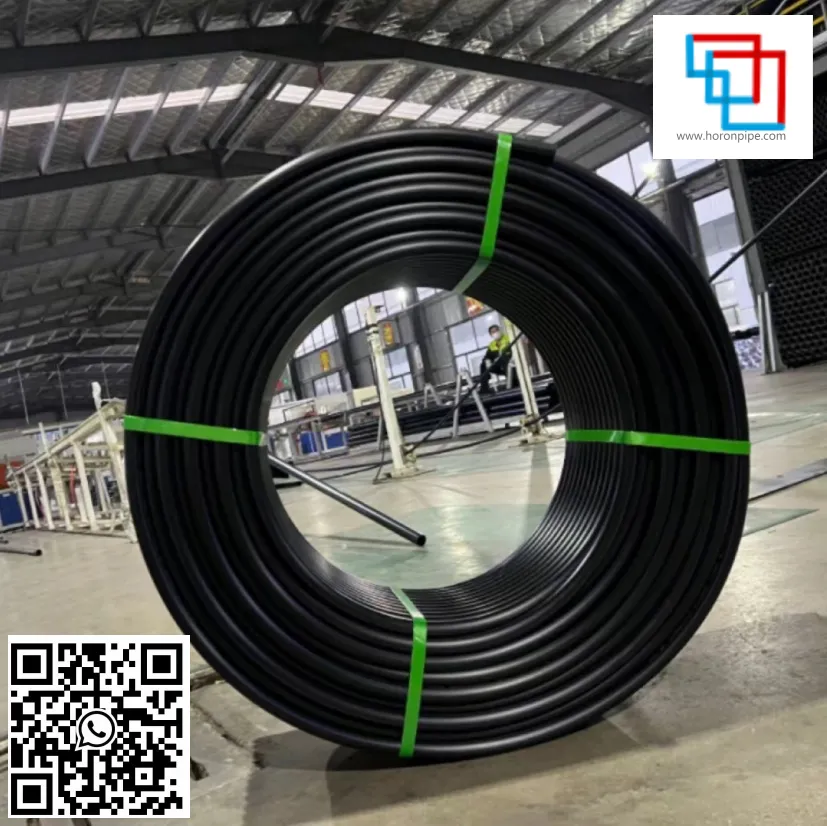
High-Density Polyethylene (HDPE) coupling fittings, manufactured in China, represent a critical component in thermoplastic piping systems used across a broad spectrum of industries including water distribution, gas transmission, irrigation, and industrial process piping. These fittings facilitate the joining of HDPE pipes, providing leak-proof connections vital for fluid and gas transport. Their prevalence stems from HDPE’s inherent corrosion resistance, flexibility, and cost-effectiveness. Within the industry chain, these couplings occupy a vital intermediary position, bridging the gap between raw material production (HDPE resin) and the final infrastructure application. Core performance characteristics center around pressure containment, joint integrity under stress, and long-term durability in diverse environmental conditions. The growing demand for robust and reliable piping solutions, coupled with competitive manufacturing capabilities in China, has positioned these fittings as a dominant force in the global market. A significant industry pain point lies in ensuring consistent quality control across varied manufacturers and adherence to international standards to prevent premature failure and costly repairs.
Material Science & Manufacturing
The foundational material for HDPE coupling fittings is high-density polyethylene resin, typically produced through the Ziegler-Natta or metallocene catalytic processes. The resin's molecular weight and density (typically 0.93-0.97 g/cm³) directly impact the fitting's mechanical properties, such as tensile strength and impact resistance. HDPE’s semi-crystalline structure contributes to its toughness and resistance to chemical degradation. Manufacturing processes primarily revolve around injection molding. This involves melting the HDPE resin and injecting it under high pressure into a mold cavity shaped like the coupling fitting. Critical parameters include melt temperature (180-220°C), mold temperature (30-50°C), injection pressure (50-150 MPa), and cooling rate. Precise control of these parameters is crucial to minimize internal stresses, warping, and shrinkage. Electrofusion welding is another key process, particularly for larger diameter fittings. This utilizes heat generated by electrical resistance to fuse the fitting and pipe together, creating a homogenous joint. The quality of the weld depends on parameters such as welding voltage, current, and time, dictated by pipe and fitting dimensions. Raw material consistency and the elimination of contaminants (e.g., moisture, dust) are paramount to avoid weld defects. Post-molding operations include trimming, deburring, and quality inspection to ensure dimensional accuracy and surface finish. Material compatibility is vital; HDPE exhibits excellent resistance to acids, alkalis, and most organic solvents, but can be susceptible to degradation by prolonged exposure to UV radiation and oxidizing agents.
Performance & Engineering
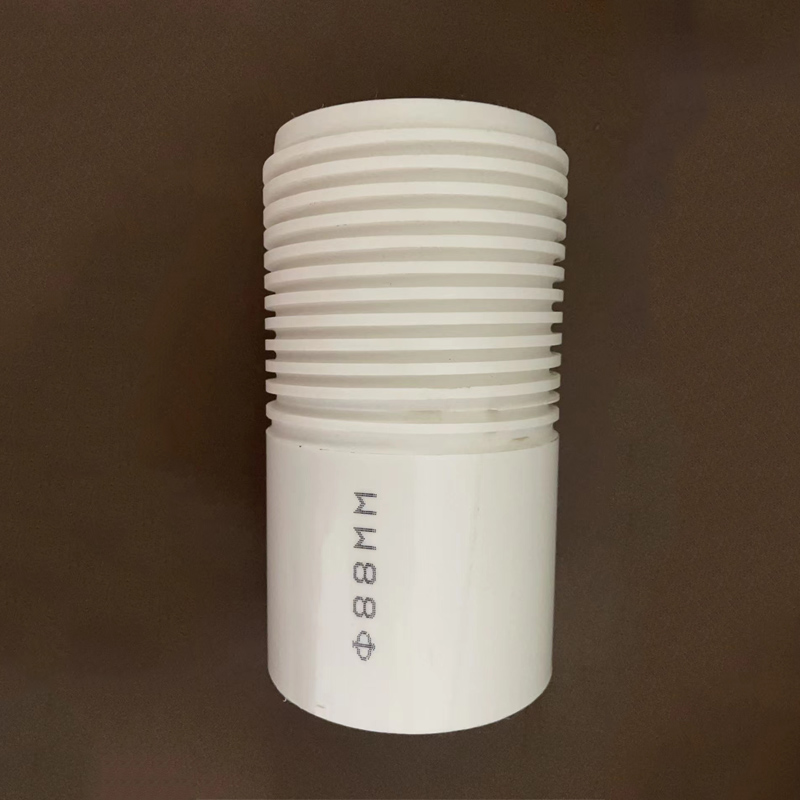
The performance of HDPE coupling fittings is governed by several engineering principles. Pressure containment capability is a primary concern, analyzed using hoop stress calculations based on Barlow's formula (σ = PD/2t, where σ is hoop stress, P is internal pressure, D is pipe diameter, and t is wall thickness). Fittings must withstand sustained pressure and pressure surges without failure. Environmental resistance is crucial; long-term exposure to UV radiation necessitates the incorporation of UV stabilizers (e.g., carbon black) into the HDPE compound to prevent chain scission and embrittlement. Temperature variations induce thermal expansion and contraction; the flexibility of HDPE mitigates stress build-up but requires consideration during installation to allow for pipe movement. Joint integrity relies on the weld strength, assessed through hydrostatic pressure testing and peel tests. The design of the coupling fitting’s geometry (e.g., socket depth, bevel angle) influences the weld’s effectiveness. Compliance with industry standards (see section 7) dictates minimum performance criteria. Force analysis considers both internal pressure loads and external mechanical loads (e.g., soil loading, traffic loads). Finite Element Analysis (FEA) is often employed to optimize fitting designs and predict stress concentrations. Chemical compatibility is essential, particularly in industrial applications where exposure to corrosive fluids is anticipated. HDPE’s resistance to most chemicals is advantageous, but compatibility must be verified for specific substances.
Technical Specifications
| Parameter | Metric (Imperial Units) | Test Standard | Typical Value (China HDPE Fittings) |
|---|---|---|---|
| Nominal Pipe Size | DN 20 – DN 300 (½” – 12”) | ISO 4427 | DN 63 (2”) being most common |
| Pressure Rating (PN) | PN 6, PN 10, PN 16 (87, 145, 232 PSI) | ISO 4427 | PN 16 commonly used for water distribution |
| Material | HDPE (PE100) | ISO 4427 | PE100 with minimum 8 MR (Molecular Ratio) |
| SDR (Standard Dimension Ratio) | SDR 11, SDR 17, SDR 21 | ASTM D2239 | SDR 17 is widely used |
| Operating Temperature | -40°C to +60°C (-40°F to +140°F) | ISO 4427 | -20°C to +40°C (-4°F to +104°F) for typical applications |
| Joint Type | Electrofusion, Butt Fusion, Socket Fusion | DVS 2208 | Electrofusion for sizes DN 125 and above |
Failure Mode & Maintenance
HDPE coupling fittings, while durable, are susceptible to several failure modes. Slow Crack Growth (SCG), induced by sustained stress and aggressive chemicals, leads to brittle fracture. This is often exacerbated by poor weld quality or the presence of stress concentrators. Fatigue cracking can occur under cyclic loading, particularly in applications involving vibration or frequent pressure fluctuations. UV degradation causes embrittlement and loss of impact resistance, especially in fittings exposed to sunlight for prolonged periods. Oxidation, though less common, can occur at elevated temperatures in the presence of oxygen. Delamination of the weld joint is a frequent failure point, stemming from inadequate weld parameters or contamination during welding. Maintenance primarily involves visual inspection for cracks, leaks, and signs of UV degradation. Regular hydrostatic pressure testing can detect hidden weaknesses. If SCG is suspected, the fitting should be replaced immediately. Proper installation practices, including correct weld procedures and adequate pipe support, are critical for preventing failures. UV-resistant coatings or burial can mitigate UV degradation. Preventive maintenance should also encompass checking for proper grounding to avoid electrolytic corrosion in specific environments. Correct storage of fittings is important, protecting them from direct sunlight and physical damage.
Industry FAQ
Q: What is the impact of varying HDPE resin density on fitting performance?
A: Higher density HDPE (closer to 0.97 g/cm³) generally results in increased tensile strength, stiffness, and improved resistance to slow crack growth. However, it can also reduce impact resistance, particularly at lower temperatures. The optimal density is a trade-off based on the specific application requirements. PE100 resin is widely used because of its balanced properties.
Q: How do electrofusion welding parameters affect the long-term reliability of a joint?
A: Incorrect welding parameters (voltage, current, time) can lead to under-welding, over-welding, or the formation of defects such as voids and inclusions. Under-welding creates a weak joint prone to failure, while over-welding can cause material degradation and reduced impact resistance. Proper parameter selection, guided by the fitting and pipe manufacturer's specifications, is critical. A qualified welder is essential.
Q: What steps can be taken to mitigate the risk of Slow Crack Growth in aggressive chemical environments?
A: Employing higher molecular weight HDPE resins (higher MR values) is the first line of defense. Avoiding sustained tensile stress on the fitting is paramount. Reducing the concentration of aggressive chemicals and controlling the operating temperature can also slow SCG. The use of appropriate gasket materials compatible with the transported fluid is also essential.
Q: What quality control measures are typically implemented by Chinese HDPE fitting manufacturers?
A: Reputable manufacturers implement rigorous quality control programs encompassing raw material inspection (resin properties, additive content), dimensional checks, hydrostatic pressure testing, impact testing, and weldability testing. They typically adhere to ISO 9001 quality management systems and conduct regular internal audits. Third-party certification from organizations like SGS can provide added assurance.
Q: What is the expected service life of an HDPE coupling fitting installed in a typical potable water distribution system?
A: Under normal operating conditions (moderate pressure, non-aggressive water chemistry, UV protection), an HDPE coupling fitting can reliably serve for 50 years or more. However, this lifespan is dependent on proper installation, maintenance, and the absence of unforeseen events like accidental damage or exposure to extreme conditions. Regular inspections are recommended.
Conclusion
China-manufactured HDPE coupling fittings represent a technologically mature and cost-effective solution for joining thermoplastic pipes across numerous industries. Their performance is intrinsically linked to material selection, precise manufacturing processes, and adherence to established engineering principles. Understanding the nuances of HDPE material science, including the impact of molecular weight, density, and UV stabilization, is essential for optimal fitting selection.
Effective failure prevention relies on diligent quality control during manufacturing, proper installation techniques, and ongoing maintenance. A robust understanding of potential failure modes – SCG, fatigue cracking, and weld defects – allows for proactive mitigation strategies. Continued adherence to international standards (ASTM, ISO) is crucial for ensuring long-term reliability and maintaining the integrity of critical infrastructure systems.
-
DN25 HDPE Compression Fitting-HORON INTERNATIONAL|Reliable Irrigation Solutions
NewsFeb.11,2026
-
china hdpe coupling fittings Performance Analysis
News2026-05-10
-
china hdpe pipe use Performance Analysis
News2026-05-10
-
china hdpe water supply pipe Performance Analysis
News2026-05-10
-
china 1.5 inch pvc pipe Performance Analysis
News2026-05-10
-
china hdpe double wall corrugated pipe Performance Analysis
News2026-05-10
-
china 10mm pvc pipe Performance Analysis
News2026-05-09
-
china ppr pipe for cold water Material Performance
News2026-05-09
-
china type of pvc pipe Material and Manufacturing Analysis
News2026-05-09
-
china hdpe pipe sizes Performance Analysis
News2026-05-09
-
china 50mm pvc pipe Performance Analysis
News2026-05-09
-
china water supply lines under kitchen sink Material Science and Manufacturing
News2026-05-08
-
china green pvc pipe Performance Analysis
News2026-05-08
-
china coupler hdpe pipe Performance Analysis
News2026-05-08
-
china ppr pipe 32mm price Performance Analysis
News2026-05-08
-
china ppr piping system Performance Analysis
News2026-05-08