

Feb . 11, 2026 00:01 Back to list
china ppr pipe for cold water Material Performance
Introduction
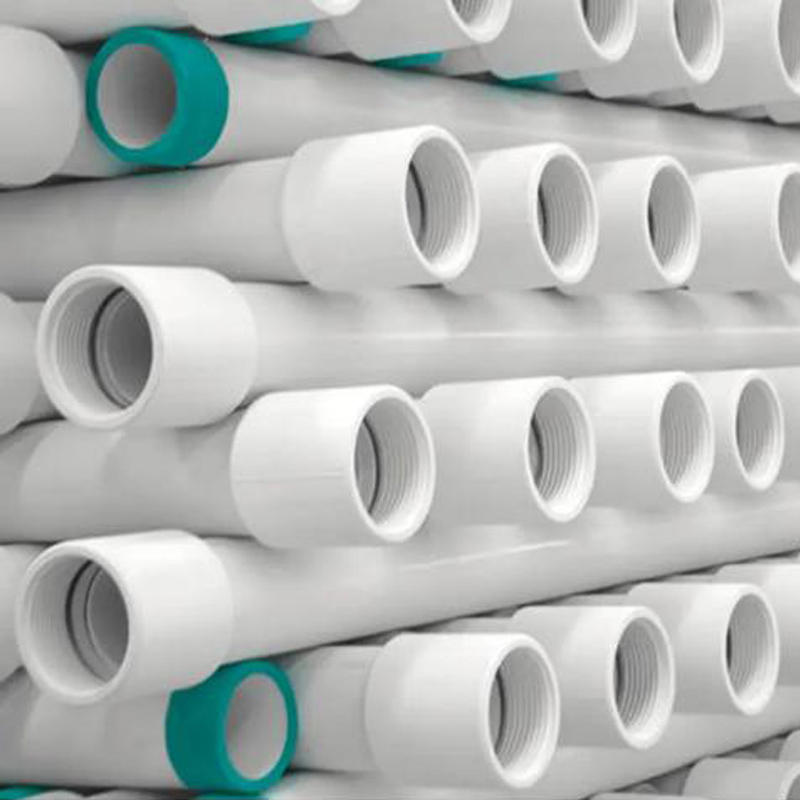
Polypropylene Random (PPR) pipe for cold water applications represents a significant advancement in potable water distribution systems. This thermoplastic piping material has gained prominence due to its inherent corrosion resistance, lightweight nature, and relatively low cost compared to traditional metallic piping. PPR’s technical position within the industry chain lies between raw material production (propylene), pipe extrusion and fitting manufacturing, and ultimately, installation in residential, commercial, and industrial cold water networks. Core performance characteristics center around maintaining water purity, withstanding hydrostatic pressure, and ensuring long-term durability under typical operating conditions. A key pain point addressed by PPR is the susceptibility of metallic pipes to corrosion, leading to water contamination and eventual system failure. PPR addresses this through its chemical inertness and resistance to scaling, providing a cleaner, longer-lasting solution. The material’s ease of installation, utilizing heat fusion welding, further reduces labor costs and minimizes leak potential compared to threaded or soldered joints.
Material Science & Manufacturing
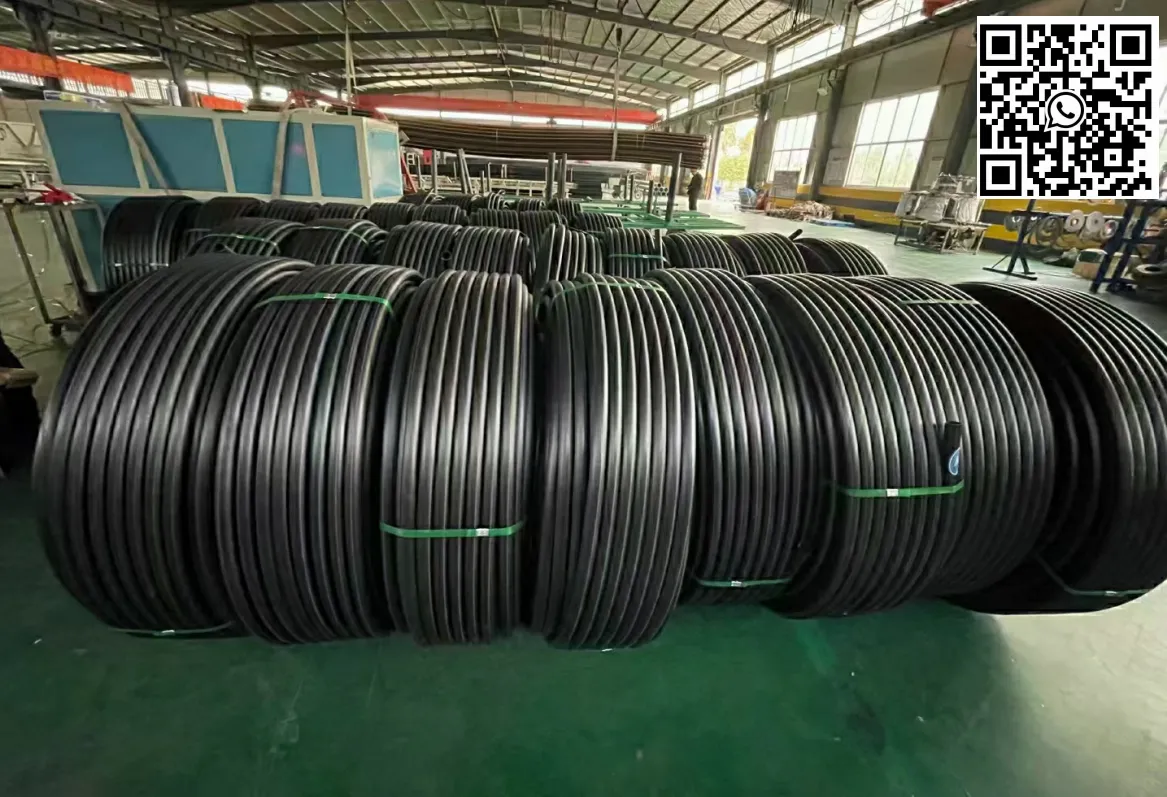
PPR pipe is manufactured from polypropylene random copolymers, differing from homopolymers in their reduced crystallinity and enhanced impact resistance. The primary raw material, propylene, is a byproduct of oil refining and natural gas processing. The copolymerization process introduces ethylene units into the polypropylene chain, disrupting the regularity of the polymer structure, leading to improved flexibility and weldability. Critical physical properties include a density typically ranging from 0.905 to 0.92 g/cm³, a tensile strength between 20-30 MPa, and a modulus of elasticity of approximately 800-1100 MPa. Chemical compatibility is excellent with cold water, exhibiting minimal leaching of potentially harmful substances. The manufacturing process primarily involves extrusion. Polypropylene granules are fed into an extruder, melted, and forced through a die to create the pipe’s desired diameter and wall thickness. Key parameters include melt temperature (typically 190-230°C), die temperature, extrusion speed, and cooling rate. Proper control of these parameters is critical to ensure dimensional accuracy, uniform wall thickness, and consistent material properties. Fittings are often manufactured via injection molding, utilizing similar polypropylene random copolymer resins. Heat fusion welding, specifically socket fusion and butt fusion, is the predominant joining method. This process involves heating both the pipe and fitting surfaces to a precise temperature (around 130-170°C) and then joining them under pressure, creating a homogenous weld with strength comparable to the base material. Quality control relies heavily on hydrostatic testing to verify pressure resistance and dimensional measurements to ensure compliance with standards.
Performance & Engineering
The performance of PPR pipe in cold water applications is governed by several engineering considerations. Hydrostatic pressure resistance is paramount, determined by the pipe’s dimensions (diameter and wall thickness) and the material’s strength. The Barlow’s formula is frequently employed for calculating the burst pressure: P = (2 S t) / D, where P is the burst pressure, S is the tensile strength, t is the wall thickness, and D is the outer diameter. Force analysis also considers external loads, such as soil pressure in buried applications or mechanical impacts. The pipe’s flexibility allows for limited ground movement without inducing stress fractures. Environmental resistance is another crucial aspect. While PPR exhibits excellent resistance to most chemicals found in potable water, prolonged exposure to ultraviolet (UV) radiation can cause degradation, leading to embrittlement. Therefore, UV protection is necessary for exposed applications. Compliance requirements are dictated by international and regional standards (detailed in the footer). These standards specify minimum pressure ratings, material composition, and testing procedures. Furthermore, thermal expansion and contraction need to be accounted for during installation. PPR has a coefficient of thermal expansion significantly higher than metallic pipes, requiring expansion loops or flexible connectors to prevent stress build-up and potential joint failures. The system’s long-term performance also relies on the integrity of the heat fusion welds. Proper weld execution is crucial to achieving a joint strength equal to or exceeding that of the base material. Non-destructive testing methods, such as visual inspection and ultrasonic testing, can be employed to verify weld quality.
Technical Specifications
| Parameter | Unit | PN16 (SDR 11.6) | PN20 (SDR 9.1) |
|---|---|---|---|
| Nominal Diameter | mm | 20-160 | 20-125 |
| Wall Thickness | mm | 2.3-13.7 | 3.7-15.6 |
| Hydrostatic Pressure (23°C) | MPa | 1.6 | 2.0 |
| Burst Pressure (23°C) | MPa | 5.0 | 6.0 |
| Tensile Strength | MPa | 22-30 | 25-35 |
| Density | g/cm³ | 0.905-0.92 | 0.905-0.92 |
Failure Mode & Maintenance
Despite its durability, PPR pipe is susceptible to certain failure modes. Slow Crack Growth (SCG) is a common concern, particularly in environments with residual stress and exposure to aggressive chemicals. This involves the gradual propagation of cracks initiated at stress concentrators, often around fittings or welds. Fatigue cracking can occur under cyclic pressure loading, especially in systems with water hammer. Delamination, though less frequent, can arise from improper heat fusion welding, resulting in insufficient bonding between the pipe and fitting surfaces. Oxidation, while not a primary concern for cold water applications, can occur at elevated temperatures and potentially affect long-term performance. Maintenance primarily involves regular visual inspections for leaks, cracks, or other signs of damage. For minor leaks, heat fusion welding can often be used to repair the pipe, provided the surrounding area is properly cleaned and prepared. However, significant damage or widespread SCG necessitates pipe replacement. Prevention of failures relies on proper installation techniques, including adequate weld preparation, avoidance of excessive bending radii, and protection from UV radiation. Regular flushing of the system can help prevent the build-up of scale and debris that could contribute to corrosion or clogging. Implementing pressure regulating valves can mitigate water hammer and reduce the risk of fatigue cracking. Avoid exposing the pipe to extreme temperatures or aggressive chemicals. Periodic testing of weld integrity, using non-destructive methods, is also a proactive maintenance strategy.
Industry FAQ
Q: What are the key differences between PPR and PVC-U pipe for cold water applications?
A: While both are thermoplastic materials, PPR offers superior weldability via heat fusion, creating a homogenous joint with comparable strength to the base material. PVC-U typically relies on solvent cement welding, which can be less reliable and introduce potential solvent residue. PPR also exhibits better temperature resistance and is less prone to embrittlement over time. However, PVC-U is generally less expensive.
Q: How does the quality of the welding equipment affect the performance of PPR pipe systems?
A: The welding equipment's temperature control accuracy is critical. Inconsistent or inaccurate temperatures can lead to under-welding (insufficient fusion) or over-welding (material degradation). High-quality equipment ensures precise temperature regulation and consistent pressure application, resulting in robust and reliable joints.
Q: What is the impact of water quality on the lifespan of a PPR pipe system?
A: While PPR is chemically inert to most potable water compositions, highly acidic or alkaline water can potentially accelerate degradation over very long periods. The presence of abrasive particles can also contribute to wear and tear. Water filtration may be necessary in areas with particularly aggressive water chemistry.
Q: What are the limitations of PPR pipe regarding hot water applications?
A: While some PPR formulations are suitable for hot water, standard PPR (Type 1) is typically limited to a maximum operating temperature of 60°C. Higher-temperature applications require specialized PPR formulations (Type 2 or Type 3) designed for increased thermal resistance.
Q: How does PPR pipe compare to copper pipe in terms of cost-effectiveness over a 20-year lifespan?
A: While the initial material cost of copper is often lower, the total cost of ownership over 20 years is often higher due to the increased labor costs associated with installation (soldering) and the potential for corrosion-related maintenance and replacement. PPR’s ease of installation and corrosion resistance can result in significant long-term cost savings.
Conclusion
China PPR pipe for cold water represents a viable and often superior alternative to traditional piping materials like copper and PVC-U. Its inherent corrosion resistance, ease of installation through heat fusion welding, and cost-effectiveness contribute to its growing adoption in both residential and commercial water distribution systems. A thorough understanding of the material’s properties, manufacturing processes, and potential failure modes is crucial for ensuring long-term system reliability and performance.
Future developments in PPR technology may focus on enhancing UV resistance, improving weldability with automated systems, and developing new copolymer formulations with even greater temperature and chemical resistance. Continued adherence to international standards and rigorous quality control procedures will be essential for maintaining the integrity and safety of PPR pipe systems worldwide. Further research into mitigating SCG risks and extending the lifespan of these systems will also be critical.
-
DN25 HDPE Compression Fitting-HORON INTERNATIONAL|Reliable Irrigation Solutions
NewsFeb.11,2026
-
china hdpe coupling fittings Performance Analysis
News2026-05-10
-
china hdpe pipe use Performance Analysis
News2026-05-10
-
china hdpe water supply pipe Performance Analysis
News2026-05-10
-
china 1.5 inch pvc pipe Performance Analysis
News2026-05-10
-
china hdpe double wall corrugated pipe Performance Analysis
News2026-05-10
-
china 10mm pvc pipe Performance Analysis
News2026-05-09
-
china ppr pipe for cold water Material Performance
News2026-05-09
-
china type of pvc pipe Material and Manufacturing Analysis
News2026-05-09
-
china hdpe pipe sizes Performance Analysis
News2026-05-09
-
china 50mm pvc pipe Performance Analysis
News2026-05-09
-
china water supply lines under kitchen sink Material Science and Manufacturing
News2026-05-08
-
china green pvc pipe Performance Analysis
News2026-05-08
-
china coupler hdpe pipe Performance Analysis
News2026-05-08
-
china ppr pipe 32mm price Performance Analysis
News2026-05-08
-
china ppr piping system Performance Analysis
News2026-05-08