

Feb . 11, 2026 00:01 Back to list
china ppr pipe 32mm price Performance Analysis
Introduction
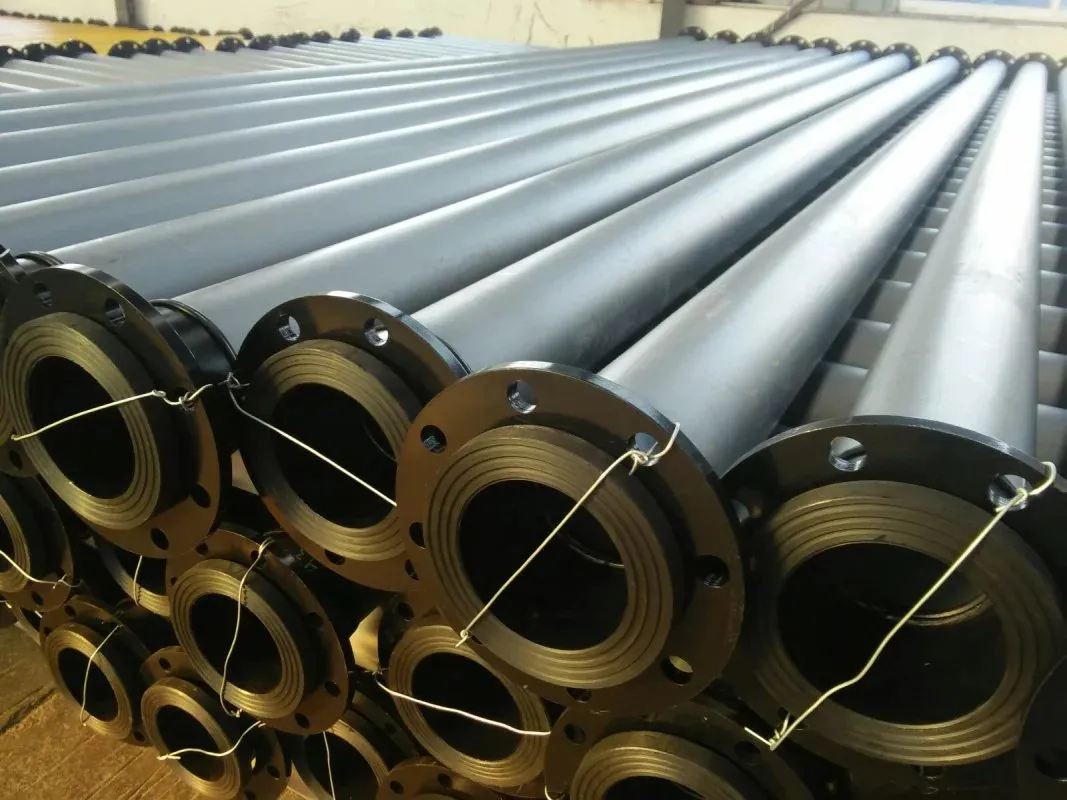
Polypropylene Random Copolymer (PPR) pipe, specifically the 32mm variant, represents a significant advancement in fluid conveyance systems, particularly within building infrastructure and industrial applications. Originating as a cost-effective alternative to traditional metal piping, PPR pipe has gained widespread adoption due to its corrosion resistance, thermal stability, and ease of installation. This technical guide details the material science, manufacturing processes, performance characteristics, potential failure modes, and relevant standards governing china ppr pipe 32mm price. Its position within the supply chain ranges from raw material sourcing (propylene monomer) through polymerization, extrusion, quality control, and finally, distribution to plumbing, heating, ventilation, and air conditioning (HVAC), and industrial processing sectors. Core performance attributes include pressure resistance, temperature tolerance, chemical inertness, and long-term durability, offering a solution to common issues encountered with metallic pipes like corrosion and scaling. The focus of this guide is to provide a comprehensive understanding for engineers, procurement managers, and technical professionals evaluating and implementing PPR piping solutions.
Material Science & Manufacturing
PPR pipe is manufactured from polypropylene random copolymer, a thermoplastic polymer produced by the polymerization of propylene monomer. The ‘random’ designation refers to the random distribution of comonomers (typically ethylene) within the polypropylene chain. This random copolymerization disrupts the crystallinity of the polypropylene, resulting in enhanced flexibility, impact resistance, and improved weldability compared to homopolymer polypropylene. Raw material quality is paramount. Propylene monomer must meet stringent purity standards to ensure the final product exhibits the desired mechanical and chemical properties. The manufacturing process involves several key steps: 1) Polymerization: Propylene monomer is polymerized using Ziegler-Natta or metallocene catalysts under controlled temperature and pressure. 2) Extrusion: The resulting polypropylene copolymer is melted and extruded through a circular die to form the pipe shape. Extrusion parameters, including temperature profiles (typically between 190-240°C), screw speed, and die pressure, are critical for achieving consistent wall thickness and dimensional accuracy. 3) Cooling: The extruded pipe is rapidly cooled using water baths to solidify the polymer. Cooling rate influences the crystalline structure and overall pipe strength. 4) Cutting & Marking: The cooled pipe is cut to specified lengths and marked with relevant information, including size, pressure rating, and manufacturing date. 5) Quality Control: Rigorous quality control checks are performed throughout the process, including hydrostatic pressure testing, impact testing, and dimensional measurements, to ensure compliance with industry standards. Controlling melt flow index (MFI) and ensuring adequate molecular weight distribution are critical for consistent performance.
Performance & Engineering
The performance of PPR pipe is dictated by its inherent material properties and its ability to withstand the stresses imposed during operation. Key engineering considerations include pressure containment, thermal expansion, and chemical resistance. Hydrostatic Strength: PPR pipe exhibits excellent pressure resistance, typically ranging from PN16 (1.6 MPa) to PN25 (2.5 MPa) depending on the pipe’s wall thickness and material formulation. Hydrostatic testing is crucial for verifying pressure capacity. Thermal Performance: PPR’s operating temperature range is typically -40°C to +95°C. However, prolonged exposure to high temperatures can lead to creep deformation. Coefficient of linear thermal expansion (approximately 0.15 mm/m°C) must be considered during installation to prevent stress buildup and potential joint failure. Expansion loops and proper anchoring are essential. Chemical Resistance: PPR is resistant to a wide range of chemicals, including acids, bases, and salts. However, it is susceptible to degradation by strong oxidizing agents and some organic solvents. Jointing Techniques: Fusion welding (socket fusion and butt fusion) is the preferred method for joining PPR pipes, creating a homogeneous, leak-proof joint. Proper welding parameters (temperature and time) are critical for achieving optimal joint strength. Mechanical fittings (compression fittings) are also available but generally offer lower performance. Force Analysis: Pipe stress analysis, using finite element methods, is often employed in large-scale installations to ensure the system can withstand operational loads and external forces (e.g., seismic activity, soil settlement). Compliance with local building codes and industry standards (e.g., EN 1610, DIN 19569) is mandatory.
Technical Specifications
| Parameter | Unit | PN16 (2.0mm wall thickness) | PN20 (2.3mm wall thickness) |
|---|---|---|---|
| Nominal Diameter | mm | 32 | 32 |
| Pressure Rating | MPa | 1.6 | 2.0 |
| Burst Pressure | MPa | 5.6 | 7.0 |
| Operating Temperature | °C | -40 to +95 | -40 to +95 |
| Tensile Strength | MPa | >20 | >22 |
| Elongation at Break | % | >300 | >350 |
| Water Absorption (24hr) | % | <0.1 | <0.1 |
Failure Mode & Maintenance
PPR pipe, while durable, is susceptible to certain failure modes under specific conditions. Thermal Deformation: Prolonged exposure to temperatures exceeding the recommended limit (95°C) can cause creep deformation and dimensional instability, leading to leaks or joint failures. UV Degradation: Exposure to ultraviolet (UV) radiation can cause surface degradation and embrittlement. This is primarily a concern for pipes installed outdoors. Protective coatings or UV-stabilized formulations can mitigate this issue. Mechanical Damage: Impact damage during handling or installation can cause cracks or punctures. Careful handling and appropriate bedding are essential. Hydrostatic Fatigue: Repeated pressure cycling can lead to fatigue cracking, particularly at stress concentration points (e.g., weld joints, fittings). Proper system design and pressure regulation are crucial. Chemical Attack: Exposure to incompatible chemicals (strong oxidizers, certain solvents) can cause swelling, cracking, or dissolution of the polymer. Corrosion at Metal Fittings: When transitioning between PPR pipe and metal fittings, galvanic corrosion can occur. Dielectric unions or compatible materials should be used. Maintenance: Regular visual inspections for cracks, leaks, or signs of degradation are recommended. Pressure testing should be performed periodically to verify system integrity. Damaged sections should be replaced using appropriate fusion welding techniques. Avoid using abrasive cleaning agents that could scratch the pipe surface. Prevent excessive bending or strain on the pipe.
Industry FAQ
Q: What is the long-term hydrostatic pressure test duration for verifying PPR pipe integrity?
A: The standard long-term hydrostatic test duration, as per EN 1610, is typically 24 hours. The pipe is subjected to a test pressure 1.5 times its nominal pressure rating. During this period, any pressure drop indicates a leak or structural weakness. For critical applications or larger diameter pipes, extended testing periods (e.g., 72 hours) may be specified.
Q: How does the choice of welding parameters affect the strength of a PPR socket fusion joint?
A: Welding parameters, specifically temperature and heating time, are critical. Insufficient heating results in an incomplete fusion, leading to a weak joint. Overheating can cause polymer degradation and a brittle weld. The welding tool must be calibrated correctly, and the manufacturer's recommended parameters for the specific pipe size and wall thickness must be strictly followed. Proper alignment and insertion depth are also essential.
Q: What is the impact of water hardness on the long-term performance of PPR piping systems?
A: While PPR is generally resistant to most water chemistries, high water hardness can lead to the formation of scale deposits inside the pipe. This reduces the internal diameter and increases flow resistance. Scale buildup does not typically compromise the structural integrity of the pipe itself, but it can affect flow rates and potentially harbor bacteria. Water softening or periodic flushing may be necessary in areas with extremely hard water.
Q: Are there specific considerations for installing PPR pipe in seismic zones?
A: In seismic zones, PPR piping systems require special design considerations to accommodate ground movement. Flexible couplings, expansion loops, and robust anchoring systems are essential to prevent stress buildup and potential failures during earthquakes. Pipe supports must be designed to withstand seismic loads, and the overall system layout should minimize the risk of damage.
Q: What is the lifespan expectation for a properly installed and maintained PPR piping system?
A: A properly installed and maintained PPR piping system can have a service life of 50 years or more. However, this lifespan is dependent on several factors, including water quality, operating temperature, pressure, and UV exposure. Regular inspections and proactive maintenance are crucial for maximizing the system's longevity.
Conclusion
China ppr pipe 32mm price offers a compelling combination of cost-effectiveness, durability, and ease of installation, making it a prevalent choice for numerous fluid conveyance applications. Understanding the underlying material science—specifically the properties of polypropylene random copolymer—is crucial for proper specification and implementation. Maintaining precise control over manufacturing processes, particularly during extrusion and welding, directly impacts the long-term performance and reliability of the piping system.
Continued adherence to relevant international standards and best practices in installation and maintenance will ensure the longevity and safe operation of PPR piping systems. Future advancements in polymer technology may lead to enhanced formulations with improved UV resistance, temperature tolerance, and chemical compatibility, further expanding the applications for this versatile material. A thorough understanding of potential failure modes and proactive preventative measures are paramount for maximizing system lifespan and minimizing lifecycle costs.
-
DN25 HDPE Compression Fitting-HORON INTERNATIONAL|Reliable Irrigation Solutions
NewsFeb.11,2026
-
china hdpe coupling fittings Performance Analysis
News2026-05-10
-
china hdpe pipe use Performance Analysis
News2026-05-10
-
china hdpe water supply pipe Performance Analysis
News2026-05-10
-
china 1.5 inch pvc pipe Performance Analysis
News2026-05-10
-
china hdpe double wall corrugated pipe Performance Analysis
News2026-05-10
-
china 10mm pvc pipe Performance Analysis
News2026-05-09
-
china ppr pipe for cold water Material Performance
News2026-05-09
-
china type of pvc pipe Material and Manufacturing Analysis
News2026-05-09
-
china hdpe pipe sizes Performance Analysis
News2026-05-09
-
china 50mm pvc pipe Performance Analysis
News2026-05-09
-
china water supply lines under kitchen sink Material Science and Manufacturing
News2026-05-08
-
china green pvc pipe Performance Analysis
News2026-05-08
-
china coupler hdpe pipe Performance Analysis
News2026-05-08
-
china ppr pipe 32mm price Performance Analysis
News2026-05-08
-
china ppr piping system Performance Analysis
News2026-05-08