

Feb . 11, 2026 00:01 Back to list
china 50mm pvc pipe Performance Analysis
Introduction
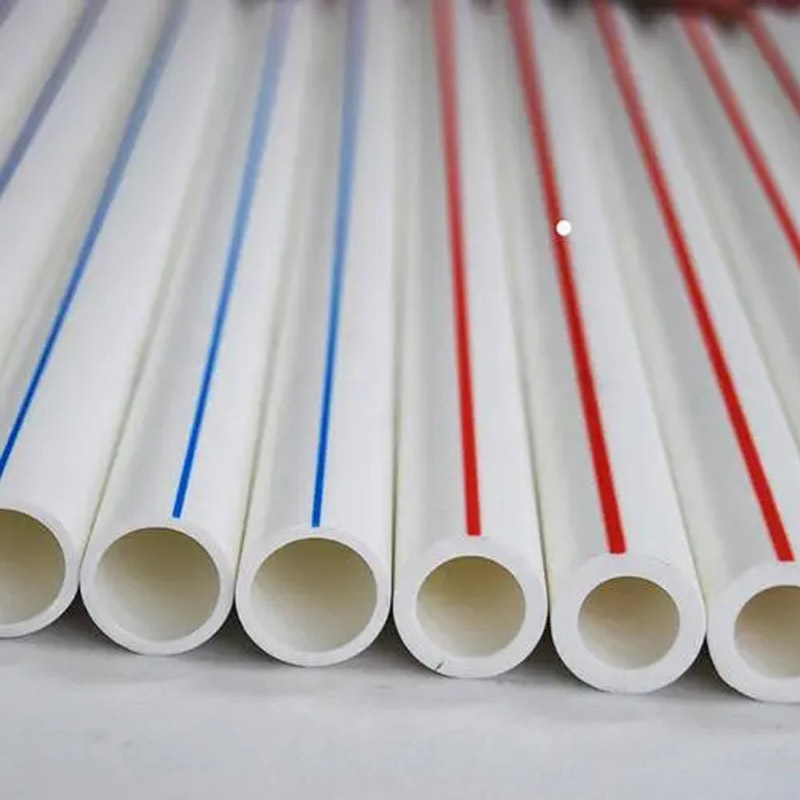
Polyvinyl Chloride (PVC) pipe, specifically the 50mm diameter variant manufactured in China, represents a significant component in modern fluid conveyance systems. Its position in the industry chain extends from petrochemical feedstock production through polymerization, extrusion, and ultimately, installation in diverse applications ranging from potable water distribution and irrigation to wastewater management and industrial process piping. This technical guide provides an in-depth examination of 50mm PVC pipe, focusing on its material science, manufacturing processes, performance characteristics, potential failure modes, and relevant industry standards. The widespread adoption of this pipe diameter is driven by a balance of cost-effectiveness, ease of installation, and adequate performance for a broad spectrum of non-pressurized and low-pressure applications. Core performance characteristics include its chemical resistance, low friction loss, and relative durability, making it a staple in both residential and commercial construction projects. However, understanding the limitations relating to temperature sensitivity, UV degradation, and long-term creep is crucial for ensuring system longevity and preventing catastrophic failures.
Material Science & Manufacturing
The primary raw material for 50mm PVC pipe is Polyvinyl Chloride resin, typically produced via suspension polymerization of vinyl chloride monomer (VCM). The resin’s properties, notably molecular weight and K-value (a measure of molecular chain length), directly influence the final pipe’s performance. Additives are crucial; plasticizers (e.g., di-2-ethylhexyl phthalate – DEHP, though alternatives are increasingly used due to health concerns) impart flexibility, while stabilizers (e.g., tin mercaptides, calcium-zinc stabilizers) protect against thermal degradation during processing and prolonged UV exposure. Lubricants (e.g., stearic acid) aid in extrusion, and impact modifiers (e.g., chlorinated polyethylene – CPE) enhance toughness. The manufacturing process typically involves compounding these materials into a homogenous mixture, followed by extrusion. Extrusion involves feeding the compound into a heated barrel, where it melts and is forced through a die to create the 50mm diameter pipe. Critical parameters during extrusion include barrel temperature profiles, screw speed, die pressure, and cooling rates. Dimensional accuracy is maintained through precise die design and calibration using vacuum sizing tanks. Post-extrusion, the pipe is cut to length, tested for quality (hydrostatic pressure, impact resistance, dimensional consistency), and marked with relevant information (diameter, schedule, material type, manufacturing standard). Parameter control, specifically consistent resin quality, accurate additive dosages, and stable extrusion parameters, are paramount to achieving consistent pipe properties.
Performance & Engineering
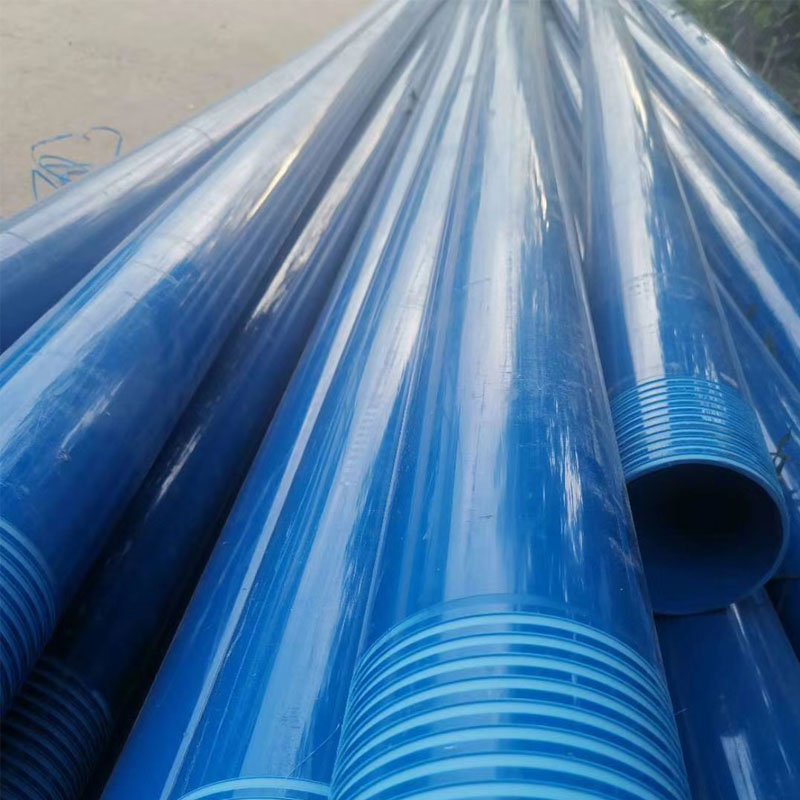
The performance of 50mm PVC pipe is governed by several engineering principles. Hydrostatic pressure resistance, a critical parameter, is determined by the pipe's Schedule number (e.g., Schedule 40, Schedule 80). Higher Schedule numbers indicate thicker walls and, consequently, greater pressure-bearing capacity. This resistance is calculated using Barlow’s formula: P = (2St)/D, where P is pressure, S is tensile strength, t is wall thickness, and D is outer diameter. The tensile strength of PVC is typically around 55-65 MPa. Long-term performance is significantly affected by creep, the tendency of PVC to deform slowly under sustained stress. Temperature also plays a crucial role; PVC becomes brittle at low temperatures and softens at high temperatures, reducing its overall strength and impacting its resistance to impacts. Chemical resistance is generally excellent for most acids, bases, and salts, but prolonged exposure to certain solvents (e.g., ketones, aromatic hydrocarbons) can cause swelling and degradation. UV exposure causes chain scission and discoloration, diminishing mechanical properties over time. UV stabilizers mitigate this, but their effectiveness diminishes over prolonged exposure. Installation considerations include proper bedding and backfill to prevent stress concentration and potential cracking. Jointing methods, such as solvent cementing or rubber ring joints, must be performed correctly to ensure a watertight seal and prevent leakage. Compliance with regional plumbing codes and standards (e.g., NSF/ANSI 61 for potable water systems) is essential.
Technical Specifications
| Parameter | Schedule 40 | Schedule 80 | Units |
|---|---|---|---|
| Outside Diameter | 50 | 50 | mm |
| Inside Diameter | 44.5 | 38.1 | mm |
| Wall Thickness | 2.75 | 4.25 | mm |
| Hydrostatic Pressure Rating (23°C) | 690 | 1030 | kPa |
| Tensile Strength | 55-65 | 55-65 | MPa |
| Impact Strength (Charpy, 23°C) | >5 | >8 | kJ/m² |
Failure Mode & Maintenance
Common failure modes in 50mm PVC pipe include brittle fracture, particularly at low temperatures or due to impact damage. Long-term creep, especially under sustained internal pressure and elevated temperatures, can lead to gradual deformation and eventual failure. Chemical attack by incompatible solvents can cause swelling, cracking, and loss of structural integrity. UV degradation results in surface crazing and a reduction in tensile strength, making the pipe more susceptible to cracking. Joint failures are frequent, often stemming from inadequate solvent cementing (insufficient cement application, improper curing) or damaged rubber ring seals. Delamination can occur due to poor mixing of additives during manufacturing. Failure analysis should begin with visual inspection for cracks, discoloration, or swelling. Hydrostatic testing can identify leaks or weaknesses. If cracking is observed, microscopic analysis can reveal the root cause (e.g., stress corrosion cracking, impact fracture). Maintenance primarily focuses on preventative measures. Proper installation (adequate bedding, appropriate jointing techniques) is crucial. Regularly inspect exposed pipe for UV degradation and consider protective coatings or shielding. Avoid exposing PVC to incompatible chemicals. For systems handling potable water, periodic flushing can prevent biofilm buildup and maintain water quality. If a leak is detected, the affected section of pipe should be replaced immediately. Avoid attempting repairs with adhesives on pressurized systems.
Industry FAQ
Q: What is the effect of prolonged exposure to chlorine in potable water on the lifespan of 50mm PVC pipe?
A: Prolonged exposure to high concentrations of chlorine can cause oxidative degradation of the PVC polymer, leading to embrittlement and reduced lifespan. While PVC is generally resistant to chlorine, higher chlorine levels, particularly in conjunction with elevated temperatures, accelerate the degradation process. Utilizing PVC compounds with higher levels of stabilizers (e.g., calcium-zinc stabilizers) can mitigate this effect. Routine water quality monitoring and adherence to recommended chlorine levels are crucial for maximizing pipe longevity.
Q: What is the acceptable temperature range for the operation of 50mm PVC pipe, and what are the consequences of exceeding these limits?
A: The acceptable operating temperature range for standard 50mm PVC pipe is typically between 0°C and 60°C. Below 0°C, the pipe becomes brittle and susceptible to fracture. Above 60°C, the pipe softens, leading to deformation and a significant reduction in pressure-bearing capacity. Sustained exposure to temperatures above 60°C can also accelerate creep and reduce long-term durability.
Q: How does the Schedule number (40 vs. 80) impact the suitability of 50mm PVC pipe for different applications?
A: The Schedule number denotes the pipe wall thickness and, consequently, its pressure-bearing capacity. Schedule 40 is suitable for low-pressure applications such as irrigation and drainage systems. Schedule 80 offers a significantly higher pressure rating and is preferred for applications requiring greater strength and durability, such as industrial process piping or potable water distribution systems under higher pressure.
Q: What are the best practices for solvent cementing 50mm PVC pipe to ensure a reliable, leak-proof joint?
A: Best practices include thoroughly cleaning and deburring both surfaces to be joined. Applying a primer to soften the PVC and enhance adhesion, followed by a liberal coat of PVC cement. Ensuring immediate and firm engagement of the parts, and holding them securely for at least 30 seconds to allow for proper bonding. Ambient temperature should be within the recommended range specified by the cement manufacturer. Avoid applying cement in wet or extremely cold conditions.
Q: What are the implications of using recycled PVC in the manufacturing of 50mm pipe, and how does it affect performance characteristics?
A: Utilizing recycled PVC can reduce environmental impact and cost. However, the quality of recycled PVC varies, and its use can potentially affect performance characteristics. Recycled PVC may have lower tensile strength, impact resistance, and UV stability compared to virgin PVC. Reputable manufacturers employing advanced recycling processes and quality control measures can produce recycled PVC pipe that meets industry standards. It’s crucial to verify the specifications and certifications of the recycled PVC pipe to ensure it's suitable for the intended application.
Conclusion
China-manufactured 50mm PVC pipe represents a cost-effective and versatile solution for numerous fluid conveyance applications. Understanding the interplay between material science, manufacturing parameters, and engineering principles is paramount for selecting the appropriate pipe Schedule and ensuring long-term performance and reliability. Careful consideration of environmental factors such as temperature, UV exposure, and chemical compatibility, coupled with adherence to proper installation and maintenance practices, are essential for mitigating potential failure modes and maximizing the service life of these systems.
Future developments in PVC pipe technology are likely to focus on enhanced formulations with improved UV resistance, higher temperature capabilities, and increased impact strength. The incorporation of bio-based plasticizers and stabilizers will further enhance the sustainability of PVC pipe production. Continuous monitoring of industry standards and regulatory requirements is crucial for manufacturers and end-users to ensure compliance and optimize the performance of 50mm PVC piping systems.
-
DN25 HDPE Compression Fitting-HORON INTERNATIONAL|Reliable Irrigation Solutions
NewsFeb.11,2026
-
china hdpe coupling fittings Performance Analysis
News2026-05-10
-
china hdpe pipe use Performance Analysis
News2026-05-10
-
china hdpe water supply pipe Performance Analysis
News2026-05-10
-
china 1.5 inch pvc pipe Performance Analysis
News2026-05-10
-
china hdpe double wall corrugated pipe Performance Analysis
News2026-05-10
-
china 10mm pvc pipe Performance Analysis
News2026-05-09
-
china ppr pipe for cold water Material Performance
News2026-05-09
-
china type of pvc pipe Material and Manufacturing Analysis
News2026-05-09
-
china hdpe pipe sizes Performance Analysis
News2026-05-09
-
china 50mm pvc pipe Performance Analysis
News2026-05-09
-
china water supply lines under kitchen sink Material Science and Manufacturing
News2026-05-08
-
china green pvc pipe Performance Analysis
News2026-05-08
-
china coupler hdpe pipe Performance Analysis
News2026-05-08
-
china ppr pipe 32mm price Performance Analysis
News2026-05-08
-
china ppr piping system Performance Analysis
News2026-05-08