

Feb . 11, 2026 00:01 Back to list
china hdpe water supply pipe Performance Analysis
Introduction
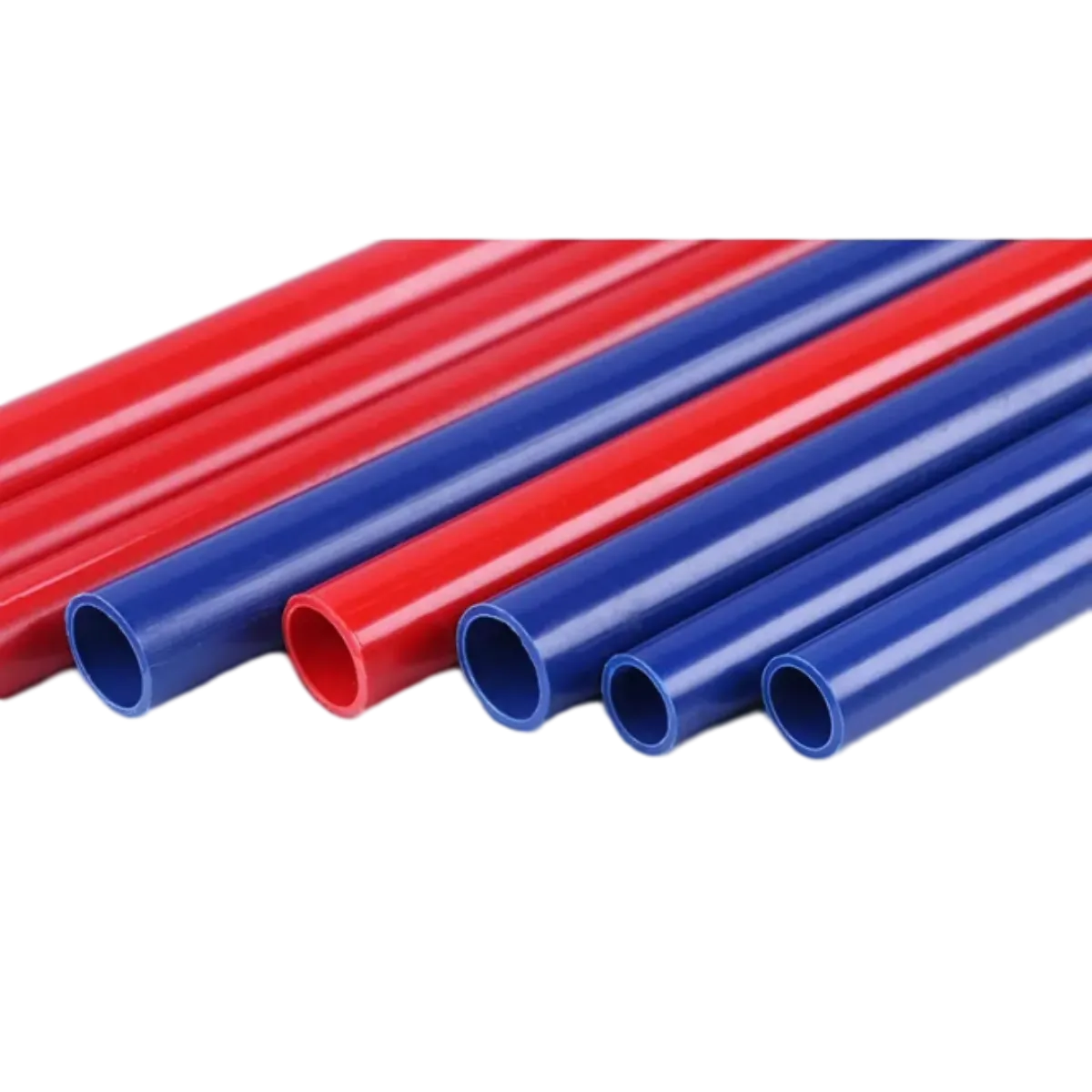
High-Density Polyethylene (HDPE) water supply pipe, manufactured in China, represents a significant component of modern water infrastructure. Positioned within the potable water distribution network, it functions as a pressure conduit delivering water from treatment facilities to end-users. HDPE’s emergence as a dominant material stems from its inherent advantages over traditional materials like ductile iron, PVC, and steel—primarily its corrosion resistance, lightweight nature, and cost-effectiveness. These pipes are characterized by their fused joint connections (butt fusion, electrofusion, socket fusion) creating a leak-tight system. Core performance characteristics include pressure bearing capacity, long-term hydrostatic strength, resistance to chemical leaching, and UV stability. The growth of the Chinese manufacturing sector has positioned the country as a leading global producer, supplying both domestic and international markets. Understanding the nuances of Chinese HDPE water supply pipe requires a detailed examination of material composition, manufacturing processes, performance criteria, and potential failure modes.
Material Science & Manufacturing
The foundational material for these pipes is High-Density Polyethylene (HDPE), a thermoplastic polymer synthesized from the monomer ethylene. HDPE’s density, typically ranging from 0.93 to 0.97 g/cm³, dictates its mechanical properties. The polyethylene resin is categorized by its molecular weight distribution and density, influencing its strength and durability. Raw material quality is critical, with grades specifically designed for pressure pipe applications conforming to standards like PE80, PE100, and now increasingly PE-RT. These grades are distinguished by their minimum required strength (MRS) which directly relates to long-term hydrostatic strength.
Manufacturing involves extrusion processes. HDPE resin is melted and forced through a die to create a continuous pipe profile. Key parameters include extrusion temperature (typically 180-220°C), die design, and cooling rate. Proper temperature control is crucial to avoid material degradation and ensure dimensional accuracy. Pipe diameters commonly range from 20mm to 1600mm, and wall thicknesses are determined by design pressure and application requirements. Post-extrusion, pipes undergo quality control checks including hydrostatic testing, dimensional measurements, and material property verification. Fusion joining methods (butt fusion, electrofusion, socket fusion) rely on controlled heating to create homogeneous welds between pipe sections. Butt fusion, commonly used for larger diameters, involves aligning pipe ends and applying heat and pressure. Electrofusion uses a specialized fitting with embedded heating elements. Socket fusion is utilized for smaller diameters.
Performance & Engineering
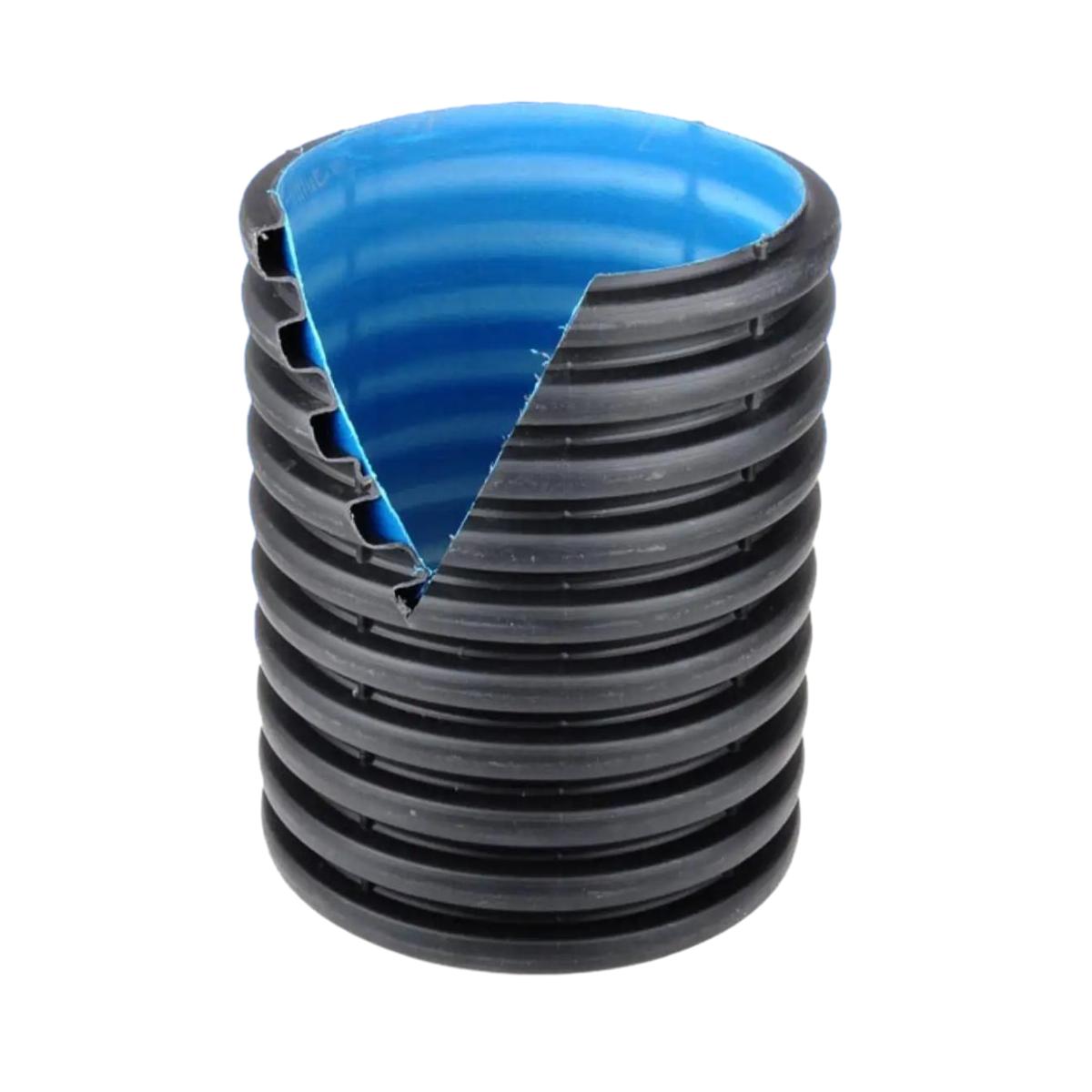
The performance of HDPE water supply pipe hinges on its ability to withstand internal hydrostatic pressure and external loads. Force analysis considers hoop stress (tension acting circumferentially) and longitudinal stress (tension acting along the pipe length). These stresses are calculated using formulas like Barlow’s formula, accounting for pressure, diameter, and wall thickness. HDPE exhibits a ductile failure mode, meaning it yields before fracturing, offering a safety margin. The Slow Crack Growth (SCG) resistance is a critical engineering consideration, particularly for high-pressure applications and in the presence of certain chemicals. SCG is a time-dependent failure mechanism where cracks initiate and propagate slowly under sustained stress.
Environmental resistance is paramount. HDPE is largely inert to most common soil chemicals, but long-term exposure to strong oxidants or solvents should be avoided. UV degradation can occur if the pipe is exposed to sunlight for prolonged periods; therefore, UV stabilizers are incorporated into the material formulation. Compliance requirements necessitate adherence to regional and international standards related to water quality (preventing leaching of harmful substances) and pressure testing. Buried pipe installations are subject to external loads from soil cover, traffic, and ground movement. Pipe embedment and proper bedding are crucial to distribute these loads and prevent deformation or cracking. The pipe’s flexibility allows it to accommodate ground settlement and seismic activity to a degree, reducing the risk of catastrophic failure.
Technical Specifications
| Parameter | PE80 (Typical) | PE100 (Typical) | PE-RT Type II (Typical) | Units |
|---|---|---|---|---|
| Minimum Required Strength (MRS) | 8.0 | 10.0 | 10.8 | MPa |
| Hydrostatic Design Stress (HDS) | 6.3 | 7.5 | 8.1 | MPa |
| Density | 0.935 - 0.955 | 0.955 - 0.975 | 0.941 – 0.965 | g/cm³ |
| Maximum Operating Temperature | 40 | 60 | 70 | °C |
| Slow Crack Growth Resistance (SCG) | High | Very High | Very High | Qualitative |
| Oxidation Induction Time (OIT) | >20 | >40 | >50 | min |
Failure Mode & Maintenance
HDPE water supply pipes, while durable, are susceptible to specific failure modes. Fatigue cracking can occur due to repeated pressure fluctuations and external loads. This is often initiated at weld joints or areas of stress concentration. SCG, as discussed, represents a long-term degradation process accelerated by stress, temperature, and exposure to certain chemicals. Delamination can occur during the manufacturing process if layers within the pipe wall are not properly bonded. Oxidation, especially at elevated temperatures, can lead to embrittlement and reduced strength. Mechanical damage from excavation or external impact represents a significant failure point. Ground movement and soil corrosion (albeit HDPE itself is corrosion-resistant, surrounding metallic components may corrode) can also induce stress and cracking.
Preventative maintenance is crucial. Regular pressure testing can identify leaks and potential weaknesses. Cathodic protection may be necessary if the pipe is buried near metallic structures susceptible to corrosion. Proper backfilling and bedding materials should be used to provide adequate support and load distribution. Routine visual inspections can detect signs of damage or degradation. For minor leaks at joints, re-fusion or the use of repair sleeves may be viable solutions. In cases of extensive damage or SCG, pipe replacement is often the most practical option. Detailed record-keeping of installation dates, material specifications, and maintenance activities is essential for long-term reliability and proactive failure prevention.
Industry FAQ
Q: What is the advantage of PE-RT over PE100 for hot water applications?
A: PE-RT (Raised Temperature Resistance) exhibits superior resistance to creep and deformation at elevated temperatures compared to PE100. While PE100 can handle temperatures up to 60°C, PE-RT Type II can withstand continuous operation at 70°C and short-term exposure to higher temperatures, making it suitable for hot water distribution systems.
Q: How does the fusion process impact the long-term integrity of HDPE pipe joints?
A: The quality of the fusion process is paramount. Incomplete fusion, improper temperature control, or misalignment can lead to weak joints prone to failure. Properly executed butt fusion and electrofusion joints exhibit strength comparable to, and often exceeding, the base pipe material. Regular training and certification of fusion operators are essential.
Q: What measures are taken to mitigate the risk of Slow Crack Growth (SCG)?
A: Mitigating SCG involves using high-quality PE resins with enhanced SCG resistance (PE100 or PE-RT), controlling operating pressures within design limits, avoiding exposure to aggressive chemicals, and implementing proper installation practices to minimize stress concentrations.
Q: How does the wall thickness of HDPE pipe affect its pressure rating?
A: Pressure rating is directly proportional to wall thickness. Thicker walls provide greater resistance to hoop stress and allow for higher operating pressures. The Barlow’s formula is used to calculate the allowable pressure based on diameter, wall thickness, and material strength (HDS).
Q: What is the expected service life of a properly installed and maintained HDPE water supply pipe?
A: Properly installed and maintained HDPE water supply pipes can have a service life exceeding 50 years. This longevity is attributed to the material’s inherent corrosion resistance, flexibility, and resistance to biological fouling. Regular inspections and proactive maintenance contribute significantly to extending service life.
Conclusion
China-manufactured HDPE water supply pipe provides a robust and cost-effective solution for potable water distribution. Its inherent advantages—corrosion resistance, flexibility, and ease of installation—have propelled its adoption globally. Understanding the material science, manufacturing intricacies, and performance characteristics is crucial for ensuring long-term reliability and maximizing return on investment. The shift towards higher-performance grades like PE-RT further expands the application range of HDPE pipe, addressing the evolving demands of modern water infrastructure.
Effective quality control throughout the manufacturing process, coupled with adherence to international standards and best practices in installation and maintenance, are paramount for preventing failures. Continued innovation in material formulations and fusion techniques will further enhance the durability and sustainability of HDPE water supply systems, solidifying its position as a cornerstone of modern water management.
-
DN25 HDPE Compression Fitting-HORON INTERNATIONAL|Reliable Irrigation Solutions
NewsFeb.11,2026
-
china hdpe coupling fittings Performance Analysis
News2026-05-10
-
china hdpe pipe use Performance Analysis
News2026-05-10
-
china hdpe water supply pipe Performance Analysis
News2026-05-10
-
china 1.5 inch pvc pipe Performance Analysis
News2026-05-10
-
china hdpe double wall corrugated pipe Performance Analysis
News2026-05-10
-
china 10mm pvc pipe Performance Analysis
News2026-05-09
-
china ppr pipe for cold water Material Performance
News2026-05-09
-
china type of pvc pipe Material and Manufacturing Analysis
News2026-05-09
-
china hdpe pipe sizes Performance Analysis
News2026-05-09
-
china 50mm pvc pipe Performance Analysis
News2026-05-09
-
china water supply lines under kitchen sink Material Science and Manufacturing
News2026-05-08
-
china green pvc pipe Performance Analysis
News2026-05-08
-
china coupler hdpe pipe Performance Analysis
News2026-05-08
-
china ppr pipe 32mm price Performance Analysis
News2026-05-08
-
china ppr piping system Performance Analysis
News2026-05-08