

Feb . 11, 2026 00:01 Back to list
china coupler hdpe pipe Performance Analysis
Introduction
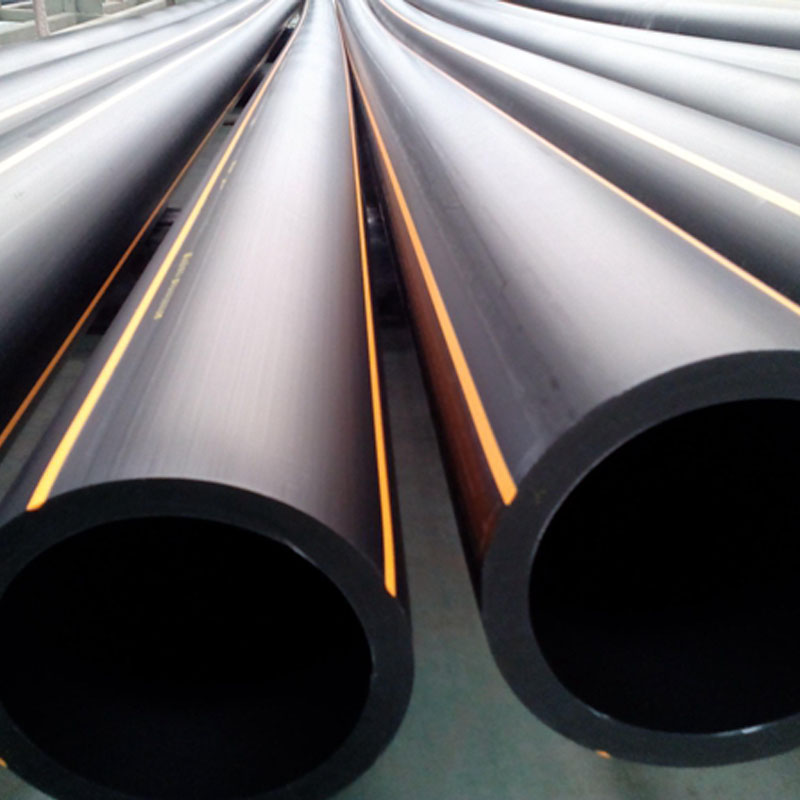
High-Density Polyethylene (HDPE) pipe couplers, specifically those manufactured in China, are critical components in a wide range of fluid and gas transmission systems. These couplers facilitate the joining of HDPE pipes, creating leak-proof and durable connections essential for infrastructure projects. They occupy a pivotal position in the downstream processing of polyethylene resins, transforming raw materials into functional pipeline elements. The core performance characteristics of HDPE couplers—joint integrity under pressure, resistance to chemical degradation, and long-term structural stability—directly impact the efficiency and longevity of the entire piping system. The industry faces challenges relating to consistent weld quality, material traceability, and adherence to evolving international standards, demanding robust quality control and advanced manufacturing techniques.
Material Science & Manufacturing
HDPE couplers are predominantly manufactured from high-density polyethylene resin, typically grades conforming to PE100 or PE80 classifications as per ISO 1167. The raw material’s molecular weight distribution, density (typically 0.93 – 0.97 g/cm³), and melt flow index (MFI) are key determinants of the coupler’s mechanical properties and weldability. Manufacturing processes generally involve injection molding. This process requires precise temperature control (typically 200-250°C for the melt and 30-40°C for the mold) and pressure (ranging from 50-150 MPa) to ensure complete filling of the mold cavity and minimize residual stresses. Electrofusion welding, a common joining technique, relies on the HDPE material’s susceptibility to controlled melting at the joint interface. Post-molding operations include trimming, quality inspection (visual checks for defects, dimensional accuracy), and, crucially, batch traceability marking with material codes and manufacturing dates. Chemical compatibility considerations extend beyond the HDPE itself; additives such as carbon black (for UV resistance) and antioxidants must not leach into the conveyed fluid. The surface roughness of the coupler's inner diameter significantly impacts flow characteristics and is carefully controlled during mold design and manufacturing. Improper cooling rates during molding can induce warpage and dimensional instability, leading to potential leakage issues.
Performance & Engineering
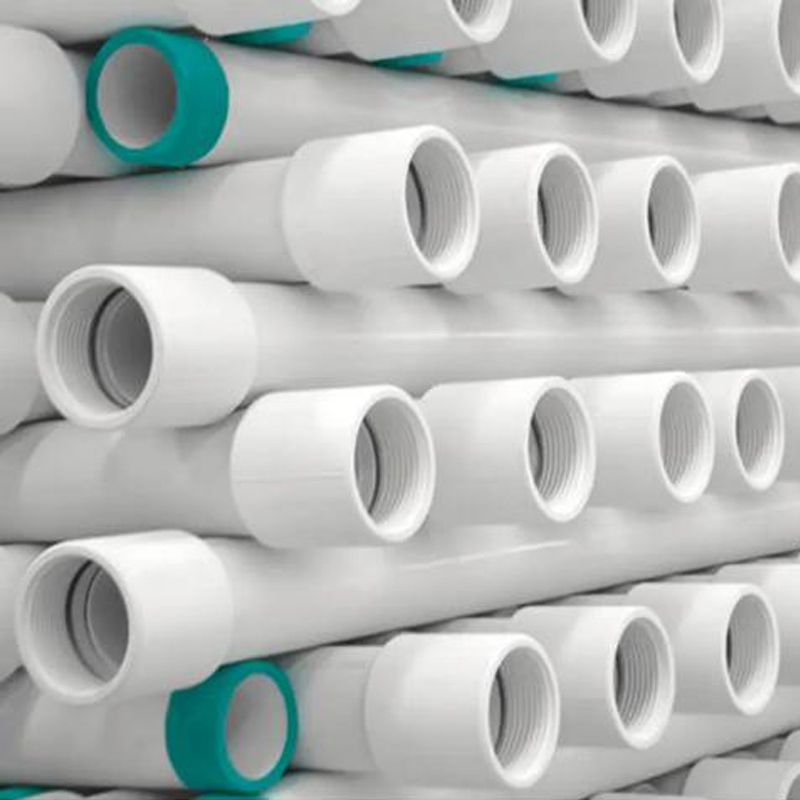
The performance of HDPE couplers is heavily governed by pressure ratings, temperature limitations, and environmental stress cracking resistance (ESCR). Force analysis during installation and operation must account for both internal pressure from the conveyed medium and external loads from soil, traffic, or thermal expansion/contraction. Couplers are designed to withstand hydrostatic pressures, typically ranging from PN10 (1 MPa) to PN16 (1.6 MPa), depending on the pipe diameter and application. ESCR, a critical failure mode, occurs when sustained tensile stress is combined with exposure to aggressive chemicals. Long-term hydrostatic strength (LTHS) is a key design parameter, determined through accelerated aging tests (typically 8760 hours at elevated temperatures) according to ISO 1167. Engineering design must consider the thermal expansion coefficient of HDPE (approximately 1.7 x 10⁻⁴ /°C) to prevent stress build-up at the joint. Furthermore, the coupler’s geometry – specifically the weld bead profile and socket dimensions – impacts the mechanical interlocking strength and the overall integrity of the joint. Compliance with relevant codes such as AWWA C906 (for water distribution) and ASTM F489 (for gas transmission) is paramount.
Technical Specifications
| Parameter | Unit | PE100 Coupler | PE80 Coupler |
|---|---|---|---|
| Material Grade | - | PE100 | PE80 |
| Pressure Rating (PN) | MPa | 16 | 10 |
| Operating Temperature | °C | -40 to 60 | -40 to 40 |
| Hydrostatic Strength (Short Term) | MPa | 12.4 | 8.0 |
| Long Term Hydrostatic Strength (LTHS) | MPa | 8.0 | 5.0 |
| ESCR (10% IGEPAL, 50°C, 1000h) | Hours | >1000 | >500 |
Failure Mode & Maintenance
HDPE coupler failures typically fall into several categories: pressure-induced cracking, particularly at weld seams; environmental stress cracking due to chemical attack; fatigue cracking from cyclic loading; and degradation from UV exposure. Weld defects – incomplete fusion, porosity, or excessive weld bead overlap – are primary drivers of premature failure. ESCR manifests as brittle fracture in areas of high stress concentration. UV degradation leads to material embrittlement and loss of impact resistance, especially in above-ground applications. Maintenance procedures primarily focus on visual inspection for cracks, leaks, or deformation. Non-destructive testing methods, such as ultrasonic testing, can detect subsurface weld defects. Preventative measures include proper installation techniques, ensuring adequate soil cover for buried pipelines, and employing UV-resistant coatings for exposed sections. In the event of a detected failure, the affected coupler and adjacent pipe sections must be replaced immediately. Periodic hydrostatic testing of critical pipeline segments can proactively identify weaknesses before catastrophic failure occurs. Proper storage of couplers, shielded from direct sunlight and extreme temperatures, is crucial to maintaining their integrity.
Industry FAQ
Q: What is the typical service life expectancy of a properly installed HDPE coupler?
A: A properly installed HDPE coupler, utilizing PE100 material and protected from UV exposure and aggressive chemicals, can realistically achieve a service life exceeding 50 years. This estimate is based on accelerated aging studies and long-term field performance data, assuming adherence to relevant installation and maintenance guidelines.
Q: How does the quality of the welding process affect the overall joint strength?
A: The welding process is paramount to joint strength. Improperly executed electrofusion welds, characterized by insufficient heat input, uneven heat distribution, or incorrect welding parameters, can significantly reduce the joint's tensile and burst strength. Consistent adherence to welding procedures and welder qualification standards is essential.
Q: What are the key considerations for selecting the appropriate HDPE coupler material grade for a specific application?
A: Material grade selection should be based on the operating pressure, temperature, and the chemical composition of the conveyed fluid. PE100 offers superior strength and ESCR compared to PE80, making it the preferred choice for higher-pressure and more demanding applications. Compatibility with the conveyed fluid must also be verified.
Q: What are the common causes of environmental stress cracking in HDPE couplers?
A: Common causes include exposure to detergents, solvents, aromatic hydrocarbons, and other aggressive chemicals. Sustained tensile stress, combined with these chemical exposures, accelerates crack initiation and propagation. Proper material selection, minimizing stress concentrations, and avoiding contact with incompatible chemicals are critical preventative measures.
Q: What types of non-destructive testing methods are used to assess the integrity of HDPE coupler welds?
A: Ultrasonic testing (UT) is the most common non-destructive testing method for HDPE coupler welds. UT can detect internal defects such as porosity, incomplete fusion, and cracks. Visual inspection is also employed to identify surface flaws. Radiographic testing can be used but is less common due to cost and safety considerations.
Conclusion
HDPE pipe couplers, particularly those sourced from China, represent a vital enabling technology for modern fluid and gas transmission infrastructure. Their performance is intrinsically linked to material science principles, meticulous manufacturing processes, and rigorous quality control. Understanding the nuances of HDPE material properties, welding techniques, and potential failure modes is crucial for ensuring long-term system reliability and safety.
Continued advancements in HDPE resin formulations, welding technology, and non-destructive testing methods will further enhance the performance and longevity of these critical components. Adherence to international standards and best practices in installation and maintenance remain essential for maximizing the return on investment and minimizing the risk of costly failures.
-
DN25 HDPE Compression Fitting-HORON INTERNATIONAL|Reliable Irrigation Solutions
NewsFeb.11,2026
-
china hdpe coupling fittings Performance Analysis
News2026-05-10
-
china hdpe pipe use Performance Analysis
News2026-05-10
-
china hdpe water supply pipe Performance Analysis
News2026-05-10
-
china 1.5 inch pvc pipe Performance Analysis
News2026-05-10
-
china hdpe double wall corrugated pipe Performance Analysis
News2026-05-10
-
china 10mm pvc pipe Performance Analysis
News2026-05-09
-
china ppr pipe for cold water Material Performance
News2026-05-09
-
china type of pvc pipe Material and Manufacturing Analysis
News2026-05-09
-
china hdpe pipe sizes Performance Analysis
News2026-05-09
-
china 50mm pvc pipe Performance Analysis
News2026-05-09
-
china water supply lines under kitchen sink Material Science and Manufacturing
News2026-05-08
-
china green pvc pipe Performance Analysis
News2026-05-08
-
china coupler hdpe pipe Performance Analysis
News2026-05-08
-
china ppr pipe 32mm price Performance Analysis
News2026-05-08
-
china ppr piping system Performance Analysis
News2026-05-08