

Feb . 11, 2026 00:01 Back to list
china hdpe sprinkler pipe Performance Analysis
Introduction
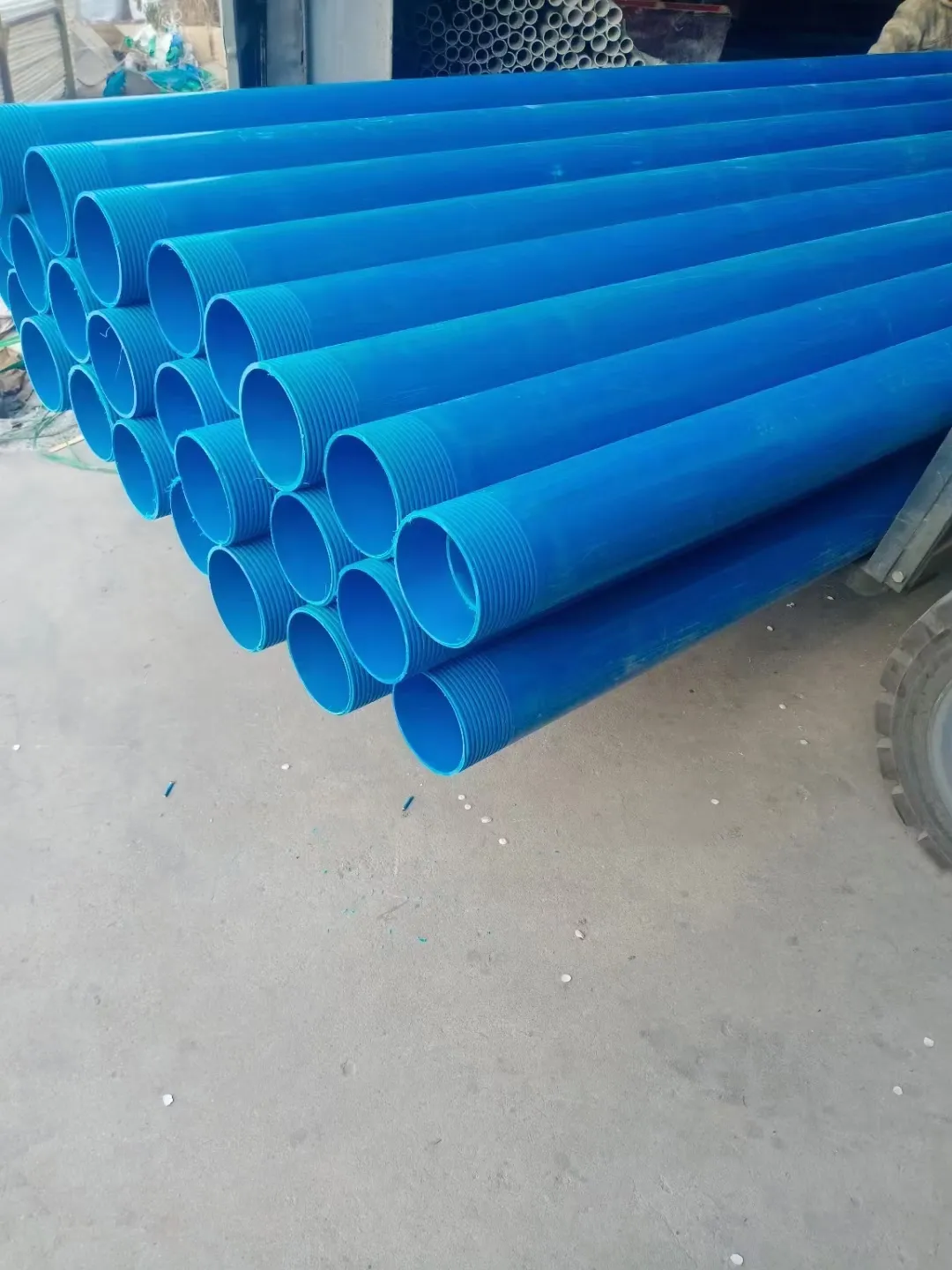
High-Density Polyethylene (HDPE) sprinkler pipe, manufactured in China, represents a significant component within modern agricultural and landscaping irrigation systems. Positioned within the fluid conveyance segment of the broader water management industry, this piping delivers pressurized water to sprinkler heads for efficient area coverage. Unlike traditional metal piping, HDPE offers notable advantages in corrosion resistance, flexibility, and installation ease. Core performance characteristics center around maintaining consistent internal diameter, resisting pressure degradation under operational loads, and exhibiting UV stability to prevent material embrittlement. A primary industry pain point lies in ensuring consistent material quality across diverse Chinese manufacturers, impacting long-term system reliability and necessitating rigorous quality control measures. Furthermore, understanding appropriate joining techniques (butt fusion, electrofusion, compression fittings) is critical for preventing leaks and maintaining system integrity. This guide provides a comprehensive technical overview of Chinese-manufactured HDPE sprinkler pipe.
Material Science & Manufacturing
HDPE sprinkler pipe is predominantly produced from polyethylene resin, typically grades designated as PE100 or PE80, selected for their molecular weight distribution and density. PE100 offers superior creep resistance and long-term hydrostatic strength. Raw material properties include a density range of 0.93 to 0.97 g/cm³, tensile strength between 20-30 MPa, and elongation at break exceeding 300%. The manufacturing process commonly employs extrusion techniques. Granular HDPE resin is fed into an extruder, melted, and forced through a die to form a continuous pipe. Critical parameters during extrusion include melt temperature (180-220°C), die pressure, haul-off speed, and cooling rate. Precise control of these parameters is essential to ensure uniform wall thickness and dimensional accuracy. Butt fusion welding, employing heat plates to melt and fuse pipe ends, is a common method for joining sections. Electrofusion utilizes resistive heating within a fitting. Quality control checks include hydrostatic pressure testing (typically 1.5 times the working pressure for a specified duration) and dimensional inspection conforming to relevant standards. Material compatibility considerations include avoiding prolonged contact with strong oxidizing agents.
Performance & Engineering
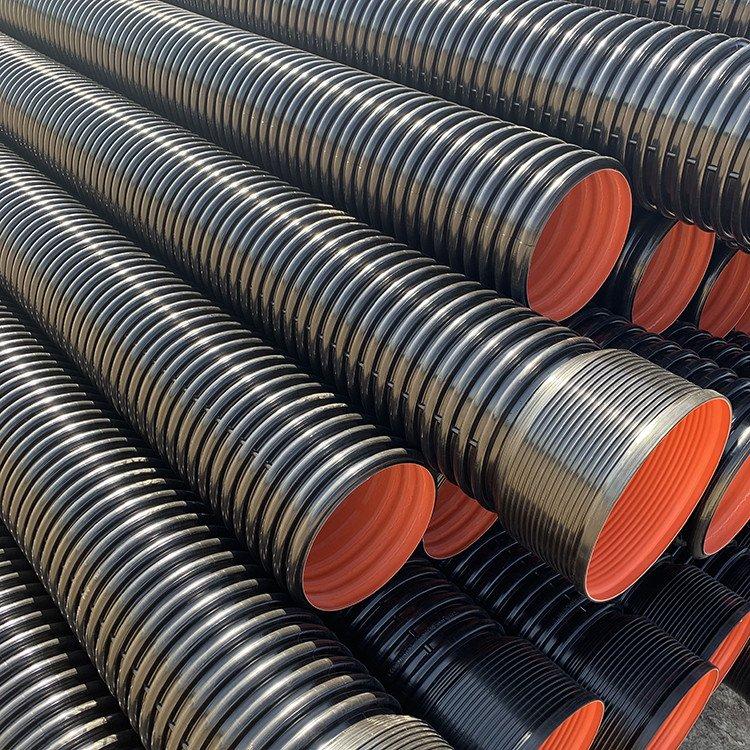
The performance of HDPE sprinkler pipe is heavily influenced by hydrostatic design stress (HDS), a function of pipe diameter, wall thickness, and allowable stress. Force analysis dictates that the pipe must withstand internal water pressure, external soil loads (where buried), and potential impact forces. Environmental resistance is paramount; UV exposure causes chain scission and embrittlement, necessitating the addition of carbon black or UV stabilizers to the HDPE formulation. Temperature fluctuations cause thermal expansion and contraction, accommodated by the pipe’s flexibility. Compliance requirements include adherence to regional and national plumbing codes, as well as standards related to potable water safety (ensuring the HDPE resin is certified for drinking water applications). Functional implementation involves calculating appropriate pipe diameters based on flow rate, pressure loss, and sprinkler head requirements, utilizing Hazen-Williams or Darcy-Weisbach equations. Soil conditions impact burial depth and the need for additional protective measures to prevent damage from rocks or sharp objects. Pipe support spacing is critical to prevent sagging and localized stress concentrations.
Technical Specifications
| Parameter | Unit | PE80 (Typical) | PE100 (Typical) |
|---|---|---|---|
| Material Density | g/cm³ | 0.953 | 0.960 |
| Hydrostatic Design Stress (HDS) @ 20°C | MPa | 8.0 | 10.0 |
| Tensile Strength (at Yield) | MPa | 22 | 26 |
| Elongation at Break | % | 400 | 500 |
| Service Temperature Range | °C | -40 to +60 | -40 to +60 |
| Available Diameters | mm | 20 – 630 | 20 – 1200 |
Failure Mode & Maintenance
Common failure modes in HDPE sprinkler pipe include slow crack growth (SCG), particularly in areas of stress concentration (e.g., around fittings or joints). SCG is exacerbated by residual stress from improper installation and exposure to aggressive environmental factors. Fatigue cracking can occur due to cyclical pressure fluctuations. Oxidation and UV degradation lead to material embrittlement and reduced impact resistance over extended periods. Delamination can occur if layers within the pipe wall do not adhere properly, often a manufacturing defect. Maintenance solutions involve regular visual inspection for cracks, leaks, or signs of UV damage. Pressure testing can identify hidden leaks. Proper jointing techniques (butt fusion, electrofusion) are crucial; improper fusion leads to weak points. For UV damage, applying protective coatings or burying the pipe is recommended. If SCG is detected, the affected section should be replaced. Regular flushing of the system can remove debris that can contribute to abrasion and wear. Preventative maintenance, including soil stabilization around buried pipes, minimizes external stresses.
Industry FAQ
Q: What is the impact of varying water pH on the long-term performance of HDPE sprinkler pipe?
A: While HDPE is generally resistant to a wide range of pH levels, prolonged exposure to highly acidic (pH < 6) or alkaline (pH > 9) water can accelerate degradation. Acidic water can cause stress cracking, while highly alkaline water may induce swelling and reduce the pipe's mechanical properties. Regular water quality monitoring and the use of pH-neutralizing filters are recommended in areas with extreme pH levels.
Q: What are the key considerations when selecting the appropriate pipe schedule (wall thickness) for a given application?
A: Pipe schedule selection depends on operating pressure, burial depth, soil conditions, and potential impact loads. Higher operating pressures require thicker-walled pipe (higher schedule number). Greater burial depth necessitates increased resistance to external loads from soil and traffic. Areas prone to rockiness or excavation require enhanced impact resistance. Proper hydraulic calculations are also crucial to minimize friction loss.
Q: What are the advantages and disadvantages of butt fusion versus electrofusion joining methods?
A: Butt fusion is generally faster and more cost-effective for joining larger diameter pipes. It creates a homogenous weld, maximizing strength. However, it requires skilled operators and specialized equipment. Electrofusion is suitable for smaller diameters and more complex geometries. It offers tighter control over the welding process and is less sensitive to weather conditions but is slower and more expensive per joint.
Q: How does the quality of the HDPE resin from different Chinese manufacturers vary, and what quality control measures should be implemented?
A: The quality of HDPE resin can vary significantly between Chinese manufacturers. Key differences relate to molecular weight distribution, carbon black content (for UV protection), and the presence of impurities. Quality control measures should include requesting material certificates verifying compliance with relevant standards (e.g., GB/T 18173). Independent laboratory testing for hydrostatic strength, impact resistance, and UV stability is recommended. Supplier audits are also crucial.
Q: What are the implications of using recycled HDPE in sprinkler pipe applications?
A: Recycled HDPE can be used, but its properties may differ from virgin HDPE. Recycled material generally has a lower molecular weight and may exhibit reduced strength and creep resistance. Applications utilizing recycled HDPE should be carefully evaluated, and the material should meet minimum performance criteria. The percentage of recycled content should be clearly documented, and testing performed to ensure compliance with relevant standards.
Conclusion
Chinese-manufactured HDPE sprinkler pipe represents a cost-effective and reliable solution for irrigation systems when specified and installed correctly. Understanding the material science, manufacturing processes, and potential failure modes is critical for ensuring long-term performance. The selection of appropriate pipe schedules, joining techniques, and quality control measures are paramount to mitigate risks associated with inconsistent material quality and environmental degradation.
Future advancements will likely focus on developing HDPE formulations with enhanced UV stability, improved creep resistance, and the incorporation of smart sensors for leak detection and system monitoring. Continued adherence to international standards and rigorous quality control protocols will remain essential for maintaining the integrity and reliability of these vital components in agricultural and landscaping infrastructure.
-
DN25 HDPE Compression Fitting-HORON INTERNATIONAL|Reliable Irrigation Solutions
NewsFeb.11,2026
-
china sprinkler pvc pipe Performance and Engineering
News2026-05-12
-
china ppr pipe 3 4 Performance Analysis
News2026-05-12
-
china hdpe sprinkler pipe Performance Analysis
News2026-05-12
-
china hdpe irrigation pipe fittings Performance Analysis
News2026-05-12
-
china whole sale pvc pipe Performance Analysis
News2026-05-12
-
china 25mm ppr pipe price Technical Analysis
News2026-05-11
-
china hdpe pipe pdf Performance Analysis
News2026-05-11
-
china 12 double wall corrugated pipe Performance Analysis
News2026-05-11
-
china water pipes under kitchen sink Performance Analysis
News2026-05-11
-
china 10 hdpe corrugated pipe Performance Analysis
News2026-05-11
-
china hdpe coupling fittings Performance Analysis
News2026-05-10
-
china hdpe pipe use Performance Analysis
News2026-05-10
-
china hdpe water supply pipe Performance Analysis
News2026-05-10
-
china 1.5 inch pvc pipe Performance Analysis
News2026-05-10
-
china hdpe double wall corrugated pipe Performance Analysis
News2026-05-10