

Feb . 11, 2026 00:01 Back to list
china whole sale pvc pipe Performance Analysis
Introduction
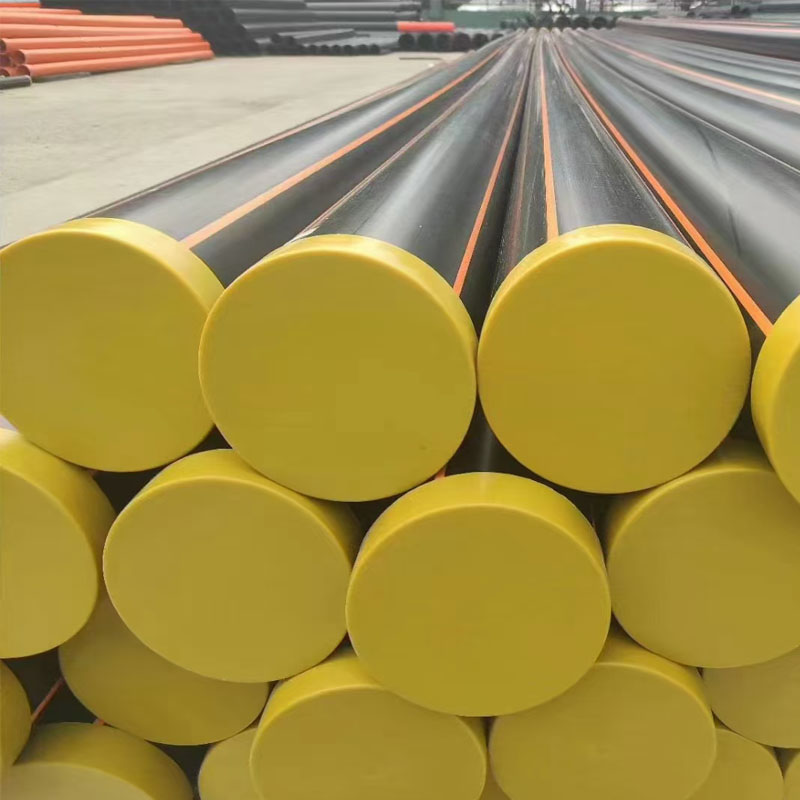
Polyvinyl Chloride (PVC) pipe, specifically china wholesale PVC pipe, represents a significant component of global infrastructure, serving diverse applications ranging from potable water distribution and wastewater management to irrigation and industrial fluid conveyance. This technical guide provides an in-depth examination of PVC pipe, focusing on its material science, manufacturing processes, performance characteristics, potential failure modes, and relevant industry standards. The proliferation of China as a major manufacturing hub has dramatically impacted the PVC pipe market, necessitating a thorough understanding of the product’s specifications and quality control measures. PVC pipe’s popularity stems from its cost-effectiveness, durability, corrosion resistance, and ease of installation compared to traditional materials like cast iron or steel. However, understanding the nuances of PVC formulation, processing, and long-term performance is critical for ensuring reliable and safe operation in demanding applications. This guide is intended for engineers, procurement managers, and technical professionals involved in the selection, installation, and maintenance of PVC piping systems.
Material Science & Manufacturing
PVC is a thermoplastic polymer formed through the polymerization of vinyl chloride monomer (VCM). The resulting polymer exists in various forms, with the most common being rigid PVC and flexible PVC. China wholesale PVC pipe predominantly utilizes rigid PVC due to its superior mechanical strength and dimensional stability. Rigid PVC formulations typically incorporate plasticizers, stabilizers, lubricants, and fillers to modify its properties. Common plasticizers include phthalates (increasingly regulated due to health concerns), adipates, and trimellitates. Stabilizers, such as lead-based compounds (decreasingly used) or calcium-zinc stabilizers, prevent degradation during processing and exposure to UV radiation. Lubricants facilitate processing by reducing friction between the polymer and processing equipment. Fillers, like calcium carbonate, reduce cost and enhance rigidity. The manufacturing process typically involves compounding, extrusion, and quality control. Compounding involves blending the PVC resin with additives in precise proportions. Extrusion involves melting the compound and forcing it through a die to create the desired pipe diameter and wall thickness. Key process parameters include extrusion temperature, screw speed, and die pressure, all of which influence the pipe’s dimensional accuracy, surface finish, and mechanical properties. Proper cooling and calibration are also crucial for achieving the specified dimensions and preventing warping. The quality of raw materials, particularly the PVC resin and stabilizers, significantly impacts the final product’s performance and longevity.
Performance & Engineering
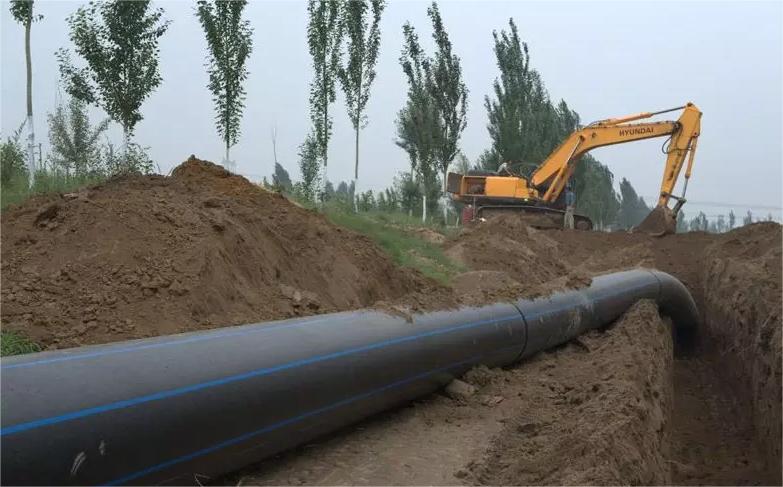
The performance of china wholesale PVC pipe is governed by several engineering considerations. Hydrostatic pressure resistance, a critical parameter for pressure-rated applications, is determined by the pipe’s material strength, wall thickness, and diameter. ASTM D1785 and ISO 4427 provide standardized test methods for evaluating hydrostatic strength. Impact resistance, particularly important in applications prone to accidental damage, is assessed using impact testing methods like ASTM D2444. PVC’s inherent resistance to corrosion makes it suitable for conveying aggressive fluids. However, long-term exposure to certain chemicals can cause degradation. The chemical compatibility of PVC with the intended fluid must be carefully evaluated. Soil loading, in buried applications, is a significant design consideration. The pipe’s ability to withstand external loads from soil overburden and traffic must be assessed using appropriate engineering models and factors of safety. Thermal expansion and contraction are also important factors, particularly in long pipeline runs. Expansion joints or flexible couplings may be required to accommodate thermal movement and prevent stress buildup. Furthermore, the connection methods (solvent welding, threaded joints, flanged connections) impact the overall system performance. Proper installation techniques and adherence to manufacturer’s recommendations are essential for ensuring a leak-free and durable piping system. Finite element analysis (FEA) is increasingly employed to optimize pipe designs and predict performance under various loading conditions.
Technical Specifications
| Parameter | Unit | Typical Value (Schedule 40 PVC) | Standard Test Method |
|---|---|---|---|
| Nominal Pipe Size | inches | 1/2 – 12 | ASTM D1785 |
| Outside Diameter | inches | 0.625 – 12.625 | ASTM D1785 |
| Wall Thickness | inches | 0.065 – 0.154 | ASTM D1785 |
| Pressure Rating | psi | Up to 400 | ASTM D1785 |
| Tensile Strength | psi | 6,000 – 8,000 | ASTM D638 |
| Flexural Modulus | psi | 300,000 – 400,000 | ASTM D790 |
| Impact Strength (Izod Notched) | ft-lb/in | > 1.0 | ASTM D256 |
Failure Mode & Maintenance
China wholesale PVC pipe is susceptible to several failure modes. Brittle fracture, particularly at low temperatures or due to impact damage, is a common concern. Slow Crack Growth (SCG), induced by sustained tensile stress and exposure to certain chemicals, can lead to gradual crack propagation and eventual failure. Environmental Stress Cracking (ESC) is similar to SCG but often occurs at lower stress levels and is exacerbated by surface flaws. Ultraviolet (UV) degradation can cause embrittlement and discoloration, particularly in exposed applications. Microbial Influenced Corrosion (MIC), while less common in PVC than in metallic pipes, can occur in certain environments due to the action of microorganisms. Improper solvent welding, such as insufficient solvent application or inadequate curing time, can result in weak joints prone to leakage. Maintenance of PVC piping systems typically involves visual inspection for cracks, leaks, and signs of degradation. Regular cleaning to remove debris and prevent blockage is also important. For buried pipelines, proper backfilling and compaction are crucial for preventing soil loading failures. In cases of detected damage, repair options include patching with PVC cement, replacing damaged sections, or installing sleeves. Preventive measures, such as using UV-resistant PVC formulations for exposed applications and implementing a corrosion monitoring program, can significantly extend the service life of the piping system.
Industry FAQ
Q: What is the impact of differing PVC resin grades on the long-term performance of wholesale PVC pipe?
A: Different PVC resin grades (e.g., K67, K70) possess varying molecular weights and crystallinity levels, directly influencing mechanical properties and resistance to SCG. Higher K-values generally indicate superior impact strength and crack resistance. Selecting the appropriate resin grade based on the application’s specific requirements—pressure, temperature, chemical exposure—is paramount for longevity. Cheaper pipe often utilizes lower-grade resins.
Q: How do different stabilizer systems affect the lifespan of PVC pipe, and what are the current industry trends?
A: Traditional lead-based stabilizers, while effective, are being phased out due to environmental concerns. Calcium-zinc (CaZn) stabilizers are increasingly preferred, offering good performance with reduced toxicity. However, CaZn systems can sometimes exhibit lower heat stability. Organotin stabilizers provide excellent heat stability but also face environmental scrutiny. The trend is towards more sustainable and environmentally friendly stabilizer formulations.
Q: What quality control measures should be implemented when sourcing wholesale PVC pipe from China to ensure compliance with international standards?
A: Rigorous quality control is essential. This includes verifying the manufacturer’s certifications (ISO 9001), conducting independent laboratory testing (hydrostatic pressure, tensile strength, impact resistance), and performing visual inspections for defects. Checking for proper labeling and traceability is also crucial. Third-party inspection services can provide an additional layer of assurance.
Q: How does temperature affect the performance of PVC pipe, and what considerations should be made for extreme climates?
A: PVC becomes more brittle at lower temperatures, increasing the risk of fracture. High temperatures can lead to thermal expansion and softening. For cold climates, select PVC compounds formulated for low-temperature impact resistance. For hot climates, consider the effects of thermal expansion and contraction and incorporate appropriate expansion joints. UV exposure also accelerates degradation at higher temperatures.
Q: What are the common causes of leaks in solvent-welded PVC pipe joints, and how can they be prevented?
A: Leaks often result from insufficient solvent application, improper curing time, contaminated surfaces, or excessive gap between the pipe and fitting. Proper surface preparation (cleaning and priming), using the correct solvent for the PVC compound, applying the solvent generously and evenly, and allowing sufficient curing time are crucial for achieving a leak-free joint. Follow manufacturer's instructions meticulously.
Conclusion
China wholesale PVC pipe provides a cost-effective and durable solution for a wide range of piping applications. However, realizing its full potential requires a comprehensive understanding of its material properties, manufacturing processes, and potential failure modes. Careful consideration of factors such as resin grade, stabilizer system, installation techniques, and environmental conditions is paramount for ensuring long-term reliability and performance.
Moving forward, advancements in PVC formulation, processing technology, and quality control measures will continue to enhance the performance and sustainability of PVC piping systems. Embracing industry best practices, adhering to relevant international standards, and conducting thorough due diligence when sourcing from manufacturers are essential for mitigating risks and maximizing the value of this versatile material.
-
DN25 HDPE Compression Fitting-HORON INTERNATIONAL|Reliable Irrigation Solutions
NewsFeb.11,2026
-
china sprinkler pvc pipe Performance and Engineering
News2026-05-12
-
china ppr pipe 3 4 Performance Analysis
News2026-05-12
-
china hdpe sprinkler pipe Performance Analysis
News2026-05-12
-
china hdpe irrigation pipe fittings Performance Analysis
News2026-05-12
-
china whole sale pvc pipe Performance Analysis
News2026-05-12
-
china 25mm ppr pipe price Technical Analysis
News2026-05-11
-
china hdpe pipe pdf Performance Analysis
News2026-05-11
-
china 12 double wall corrugated pipe Performance Analysis
News2026-05-11
-
china water pipes under kitchen sink Performance Analysis
News2026-05-11
-
china 10 hdpe corrugated pipe Performance Analysis
News2026-05-11
-
china hdpe coupling fittings Performance Analysis
News2026-05-10
-
china hdpe pipe use Performance Analysis
News2026-05-10
-
china hdpe water supply pipe Performance Analysis
News2026-05-10
-
china 1.5 inch pvc pipe Performance Analysis
News2026-05-10
-
china hdpe double wall corrugated pipe Performance Analysis
News2026-05-10